

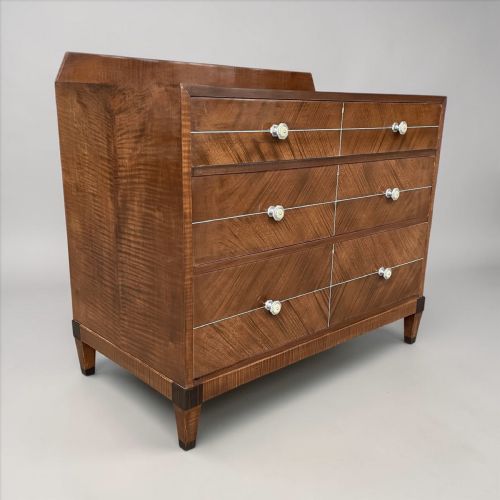
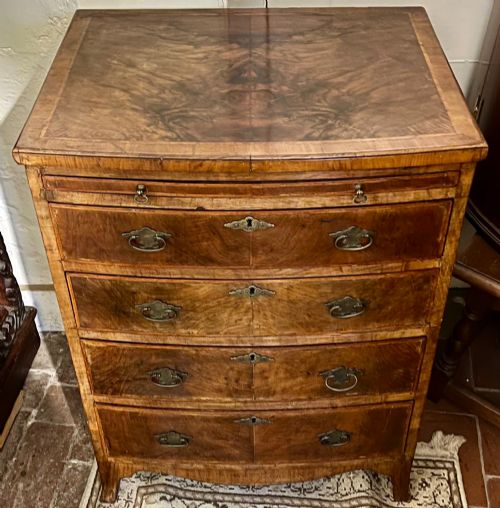
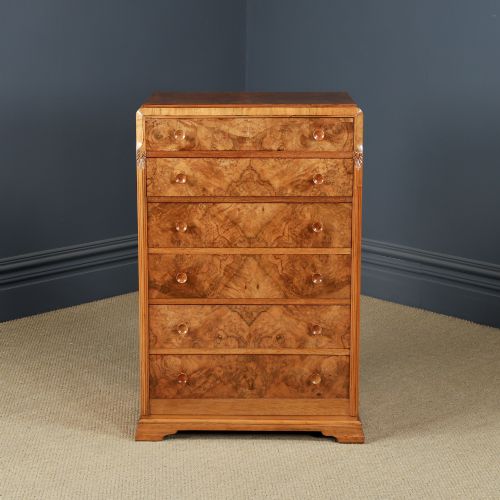
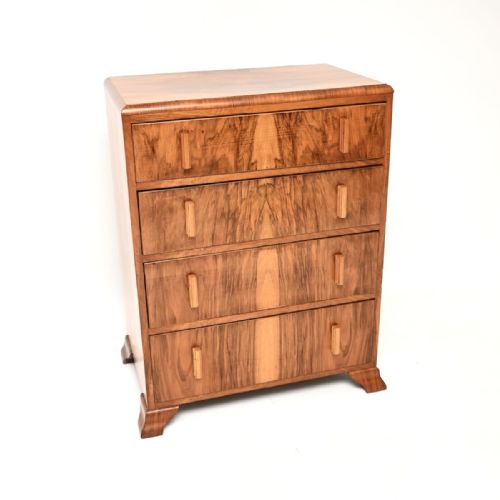
Figured Walnut Tallboy
When you search for a figured walnut tallboy, you meet tall vertical storage furniture showcasing rippled timber grain across 18th-century and Art Deco periods.
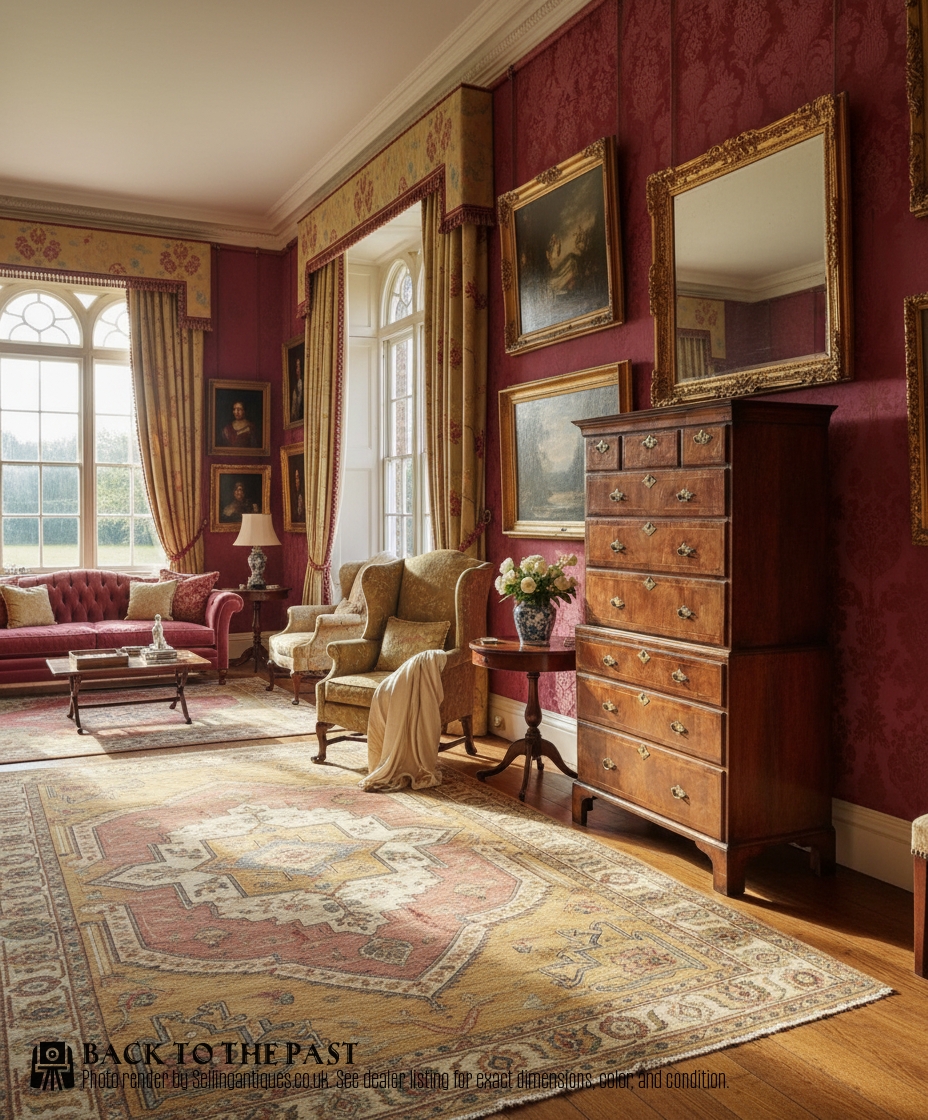
Figured Walnut Tallboy
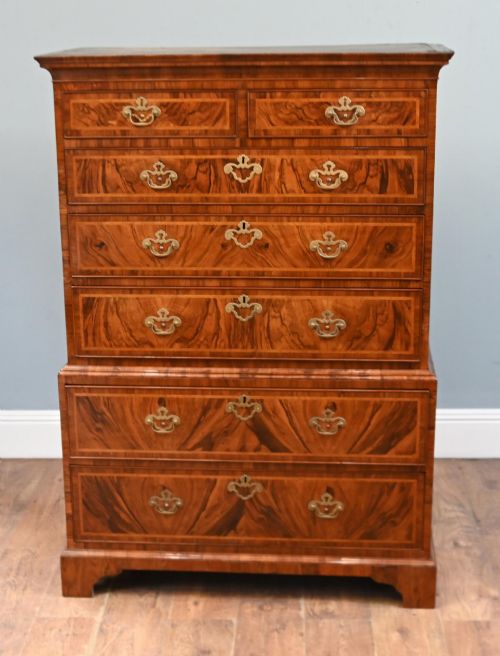
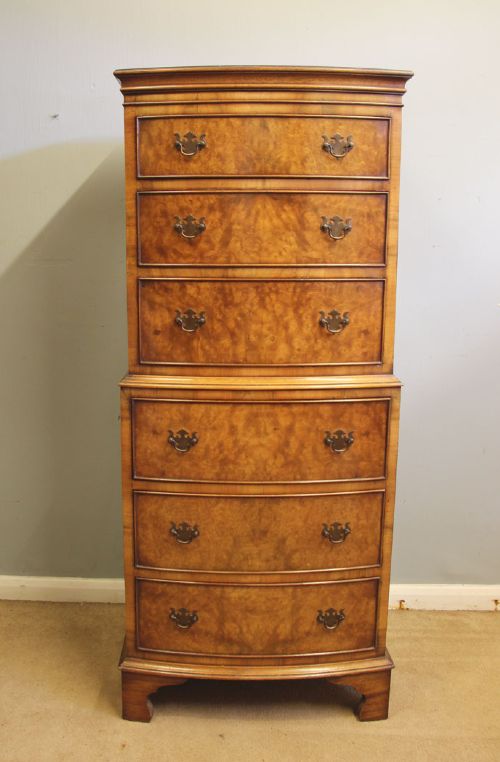
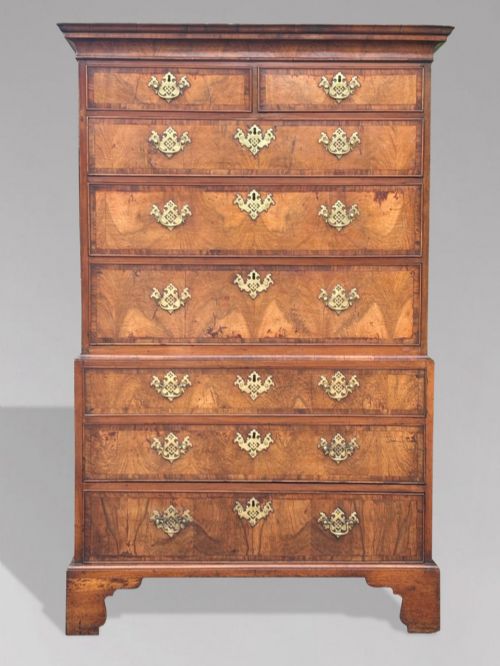
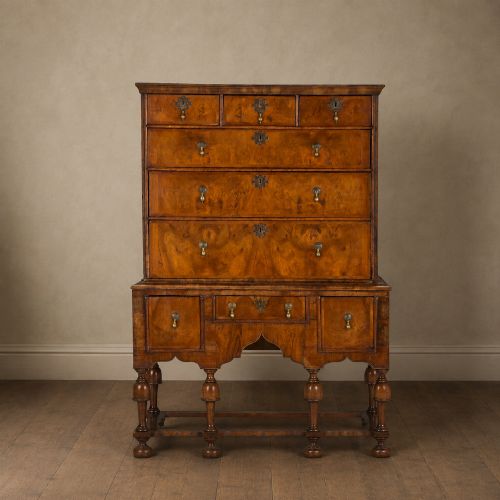
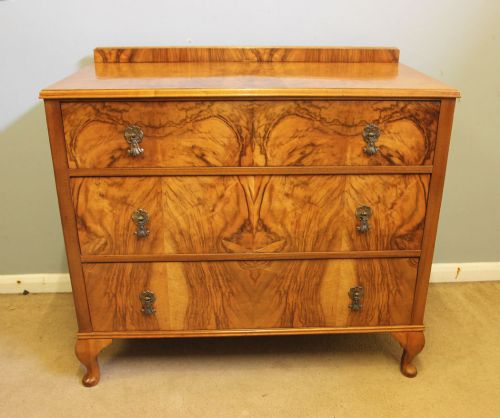
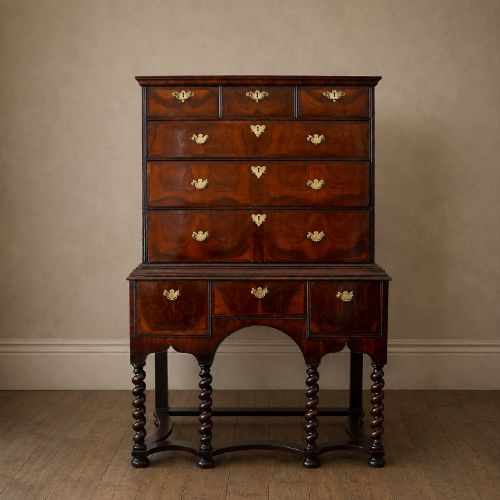
A figured walnut tallboy combines vertical chest-on-chest construction or cabinet storage with the distinctive natural patterning of walnut timber. These pieces range from early eighteenth-century Georgian examples to streamlined twentieth-century Art Deco interpretations.
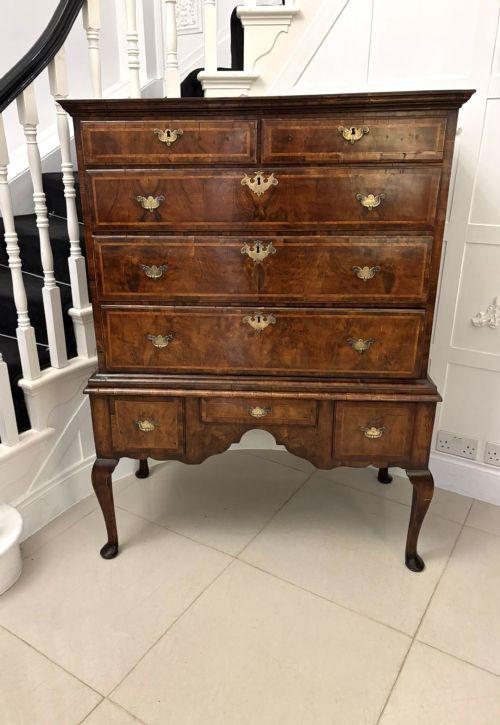
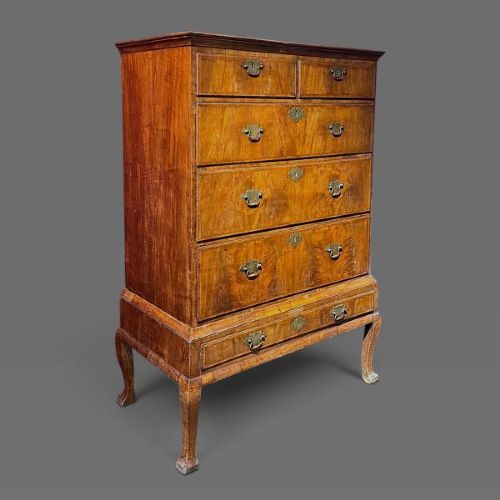
The format typically stacks drawers or encloses shelving within a tall cabinet frame, offering generous storage without taking up excessive floor space. Buyers encounter traditional chest-on-stand designs alongside later twentieth-century interpretations.
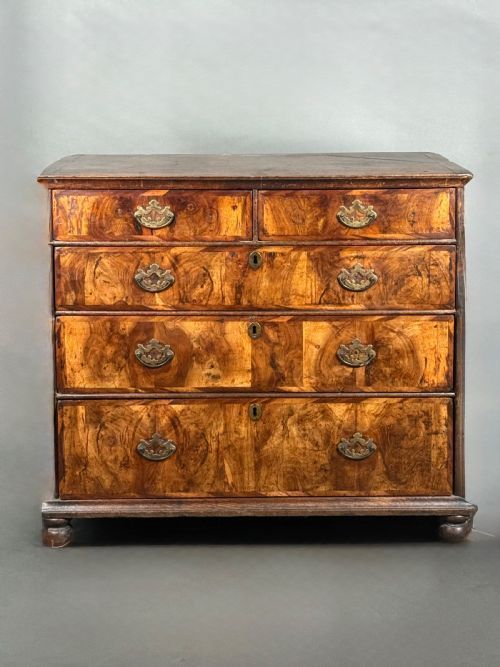
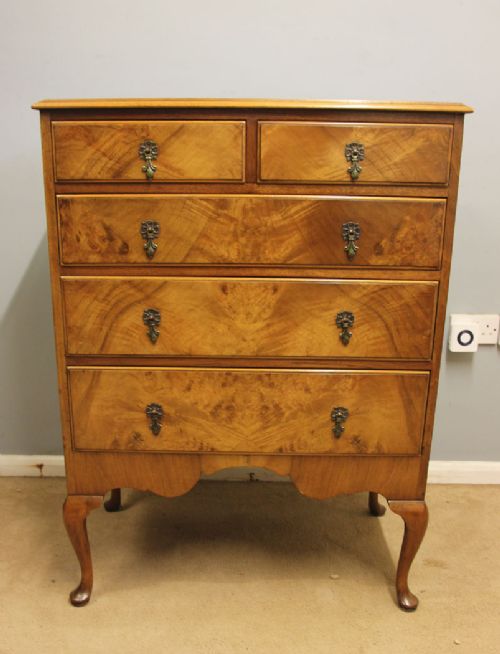
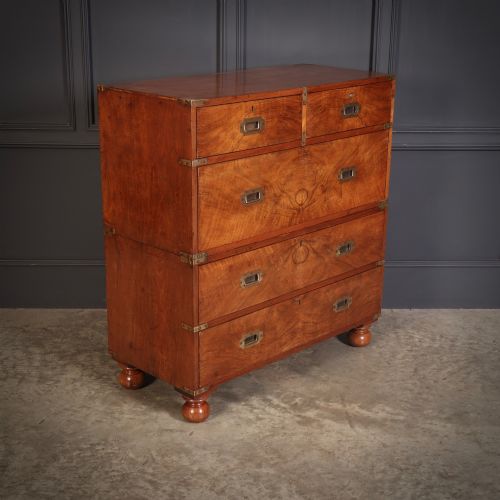
Makers utilised rich veneers to create striking symmetrical patterns on drawer fronts and cupboard doors. This visual depth remains the primary characteristic defining the category.
How they were made
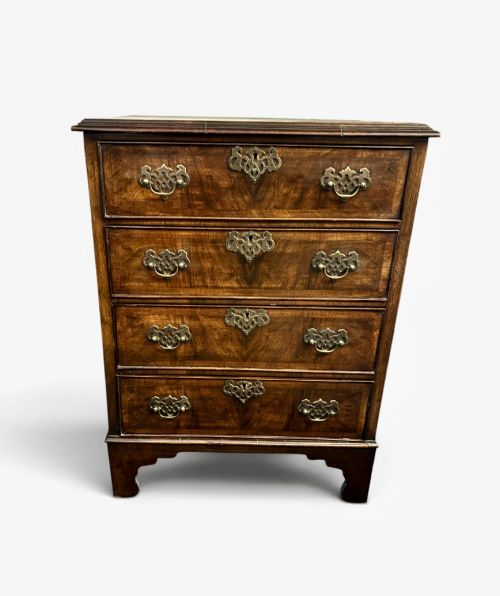
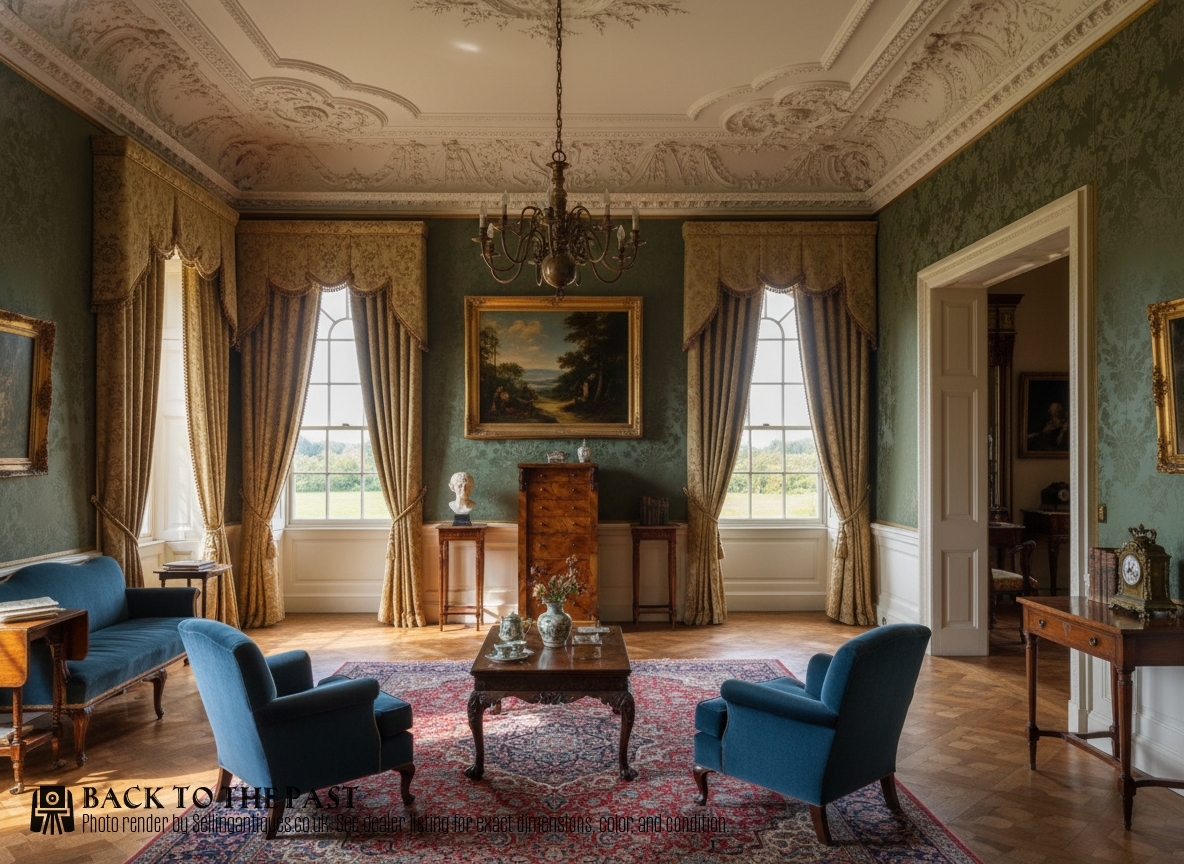
Craftsmen applied thin veneers of figured and burr walnut over solid secondary timbers such as oak, securing the delicate grain patterns with traditional adhesives. Brass hardware, including drop handles and escutcheons, was fitted to functional drawers and cabinet doors.
Structure relied on seasoned timber carcasses built to withstand the natural movement of wood over centuries. Surface finishes were polished to highlight the chatoyant quality of the grain.
Figured Walnut Tallboy Retail Price Guide 2026
Typical asking prices for figured walnut tallboy among the pieces listed under this phrase on Sellingantiques today, from the lower quarter to the upper quarter. They describe what is for sale here now, not the wider market.
Materials appearing across the collection include solid walnut, burr walnut veneers, oak, and brass hardware.
What varies in quality
The distinction between tiers rests upon the selection and matching of the veneer timbers across the primary facade. Exceptional examples display continuous grain flow mirrored symmetrically across multiple drawer fronts.
Proportion and execution of detail define the finer pieces, where mouldings, brass fittings, and structural joinery demonstrate meticulous workshop standards. Later revivals and period originals each depend on the integrity of their timber construction and surface preservation.
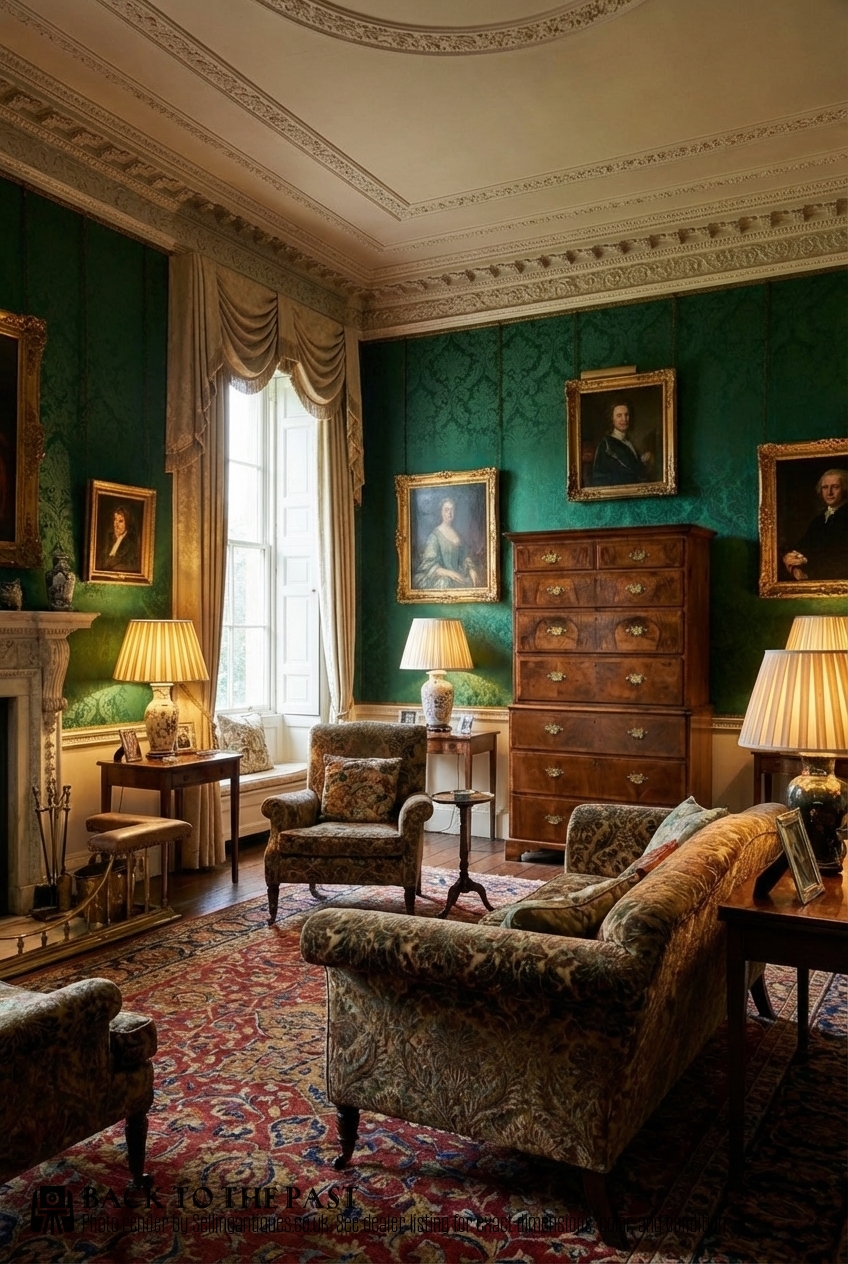
Betty Joel·Heal's·Waring & Gillow
The Figured Walnut Tallboy Glossary
- Figured walnut
- Timber showing wavy, mottled or distinctive grain patterns prized for decorative furniture surfaces. This appearance occurs naturally in specific sections of the tree.
- Tallboy
- A tall chest of drawers or a chest placed upon a lower chest or stand. The form maximises vertical capacity.
- Veneer
- A thin slice of ornamental wood applied over a structurally stable secondary timber base. This technique allows artisans to display decorative grain without wasting scarce material.
- Chest on stand
- A drawer section elevated on a frame with legs. Early designs frequently incorporate cabriole supports.
- Art Deco
- A design style prominent in the twentieth century featuring sleek lines and geometric patterns. Pieces from this era often utilise blonde or highly figured veneers.
Figured Walnut Tallboy: Frequently Asked Questions
What is a tallboy?
A tallboy is a tall chest of drawers or a cabinet built for vertical storage in domestic spaces.
The form often combines multiple drawer tiers or encloses shelving behind cupboard doors.
How do I date a tallboy?
Dating relies upon examining construction methods, hardware styles, and timber preparation techniques across different eras.
Eighteenth-century examples display different joinery and proportions compared to twentieth-century Art Deco pieces.
Where should I place a tallboy?
These vertical storage pieces fit well in bedrooms, hallways, or living areas where floor space is limited.
Their height provides substantial drawer capacity while maintaining a narrow footprint.
What is figured walnut?
Figured walnut is timber harvested with natural grain anomalies that create striking visual patterns when polished.
Cabinetmakers selected these sections specifically for prominent drawer fronts and cabinet doors.