

Queen Anne Walnut Tallboy
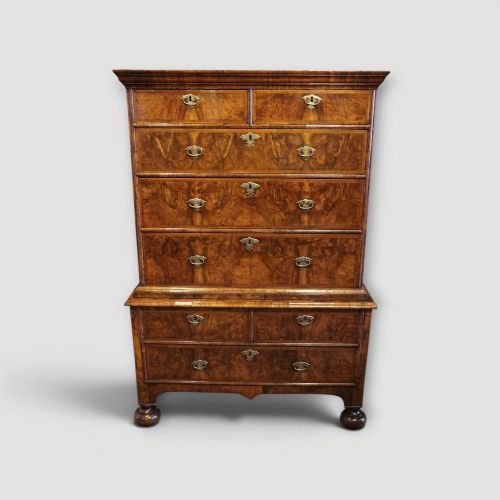
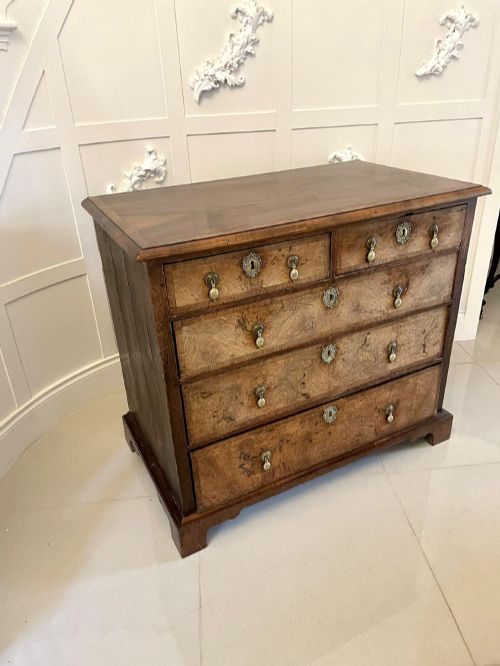
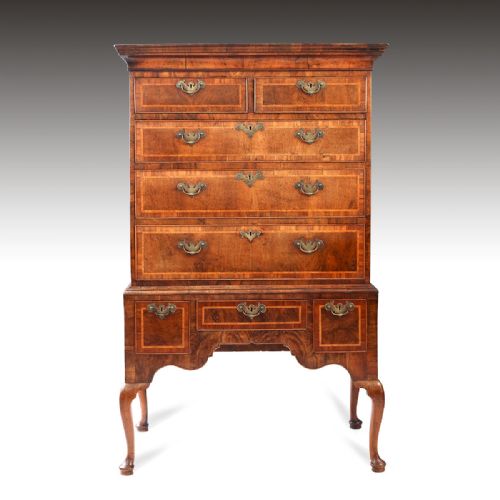
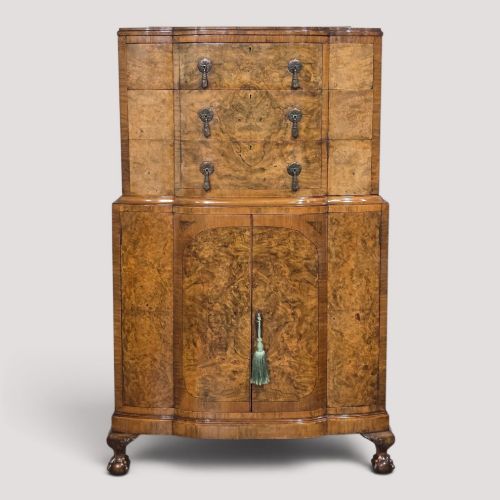
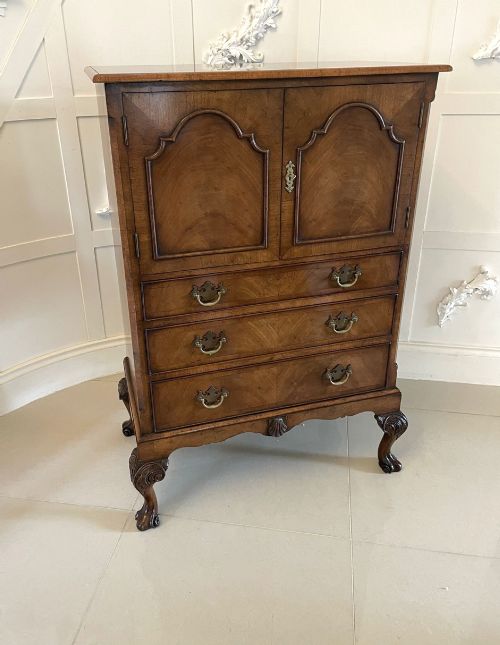
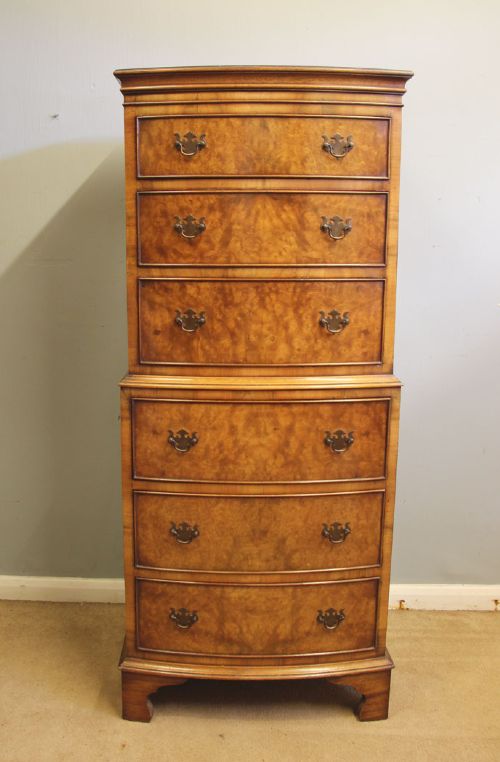
A queen anne walnut tallboy provides towering vertical storage whilst displaying the rich grain and warm tones characteristic of the period.

Queen Anne Walnut Tallboy
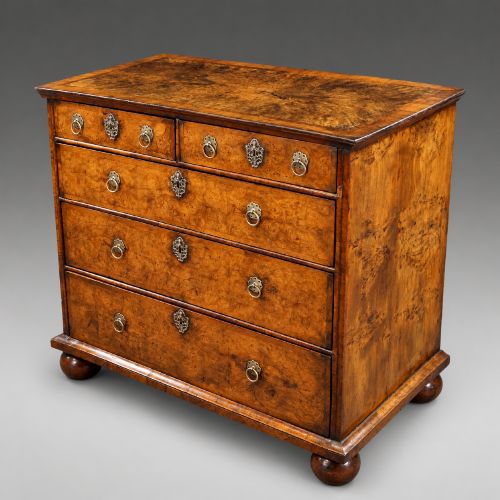
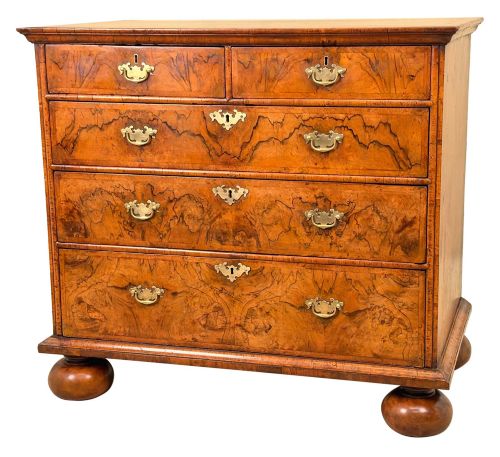
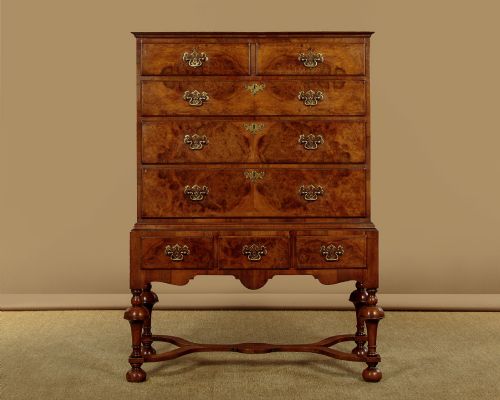
A queen anne walnut tallboy is a stately two-section storage piece combining a chest on chest or chest on stand configuration. These tall forms maximise storage capacity while maintaining a compact footprint in a room.
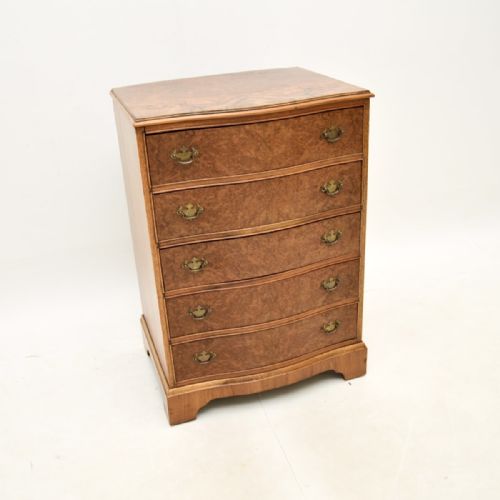
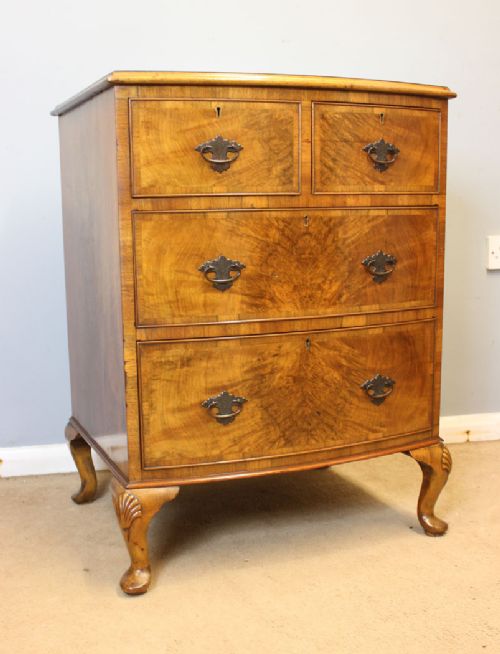
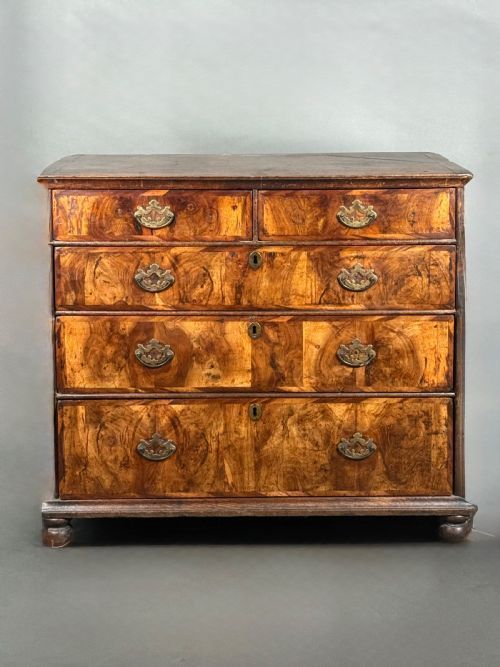
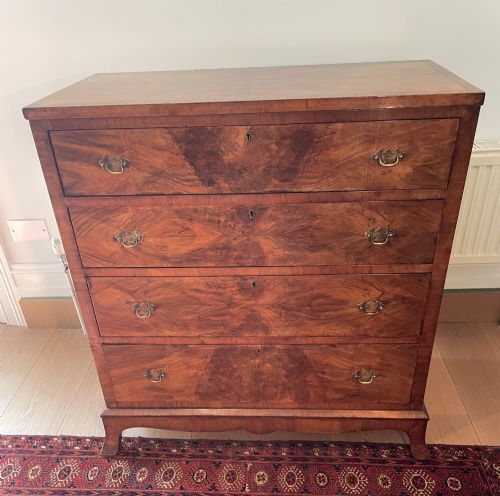
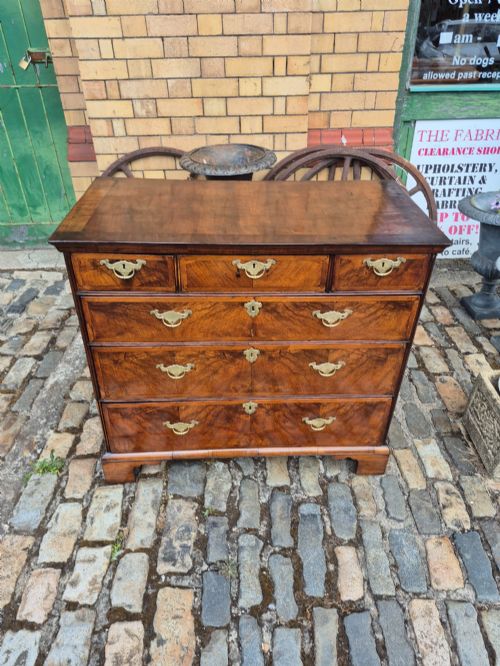
The pieces listed span both authentic 18th century examples from the Queen Anne and George I eras and later 20th century revivals from the 1910s, 1920s and 1930s. Buyers will encounter original period pieces alongside Edwardian and later interpretations sharing the same classic proportions.
Designs range from standard drawer arrangements to linen presses, cupboards, and pieces raised on distinct stands with cabriole legs. Walnut veneer, burr walnut, and figured walnut predominate across both antique and revival pieces.
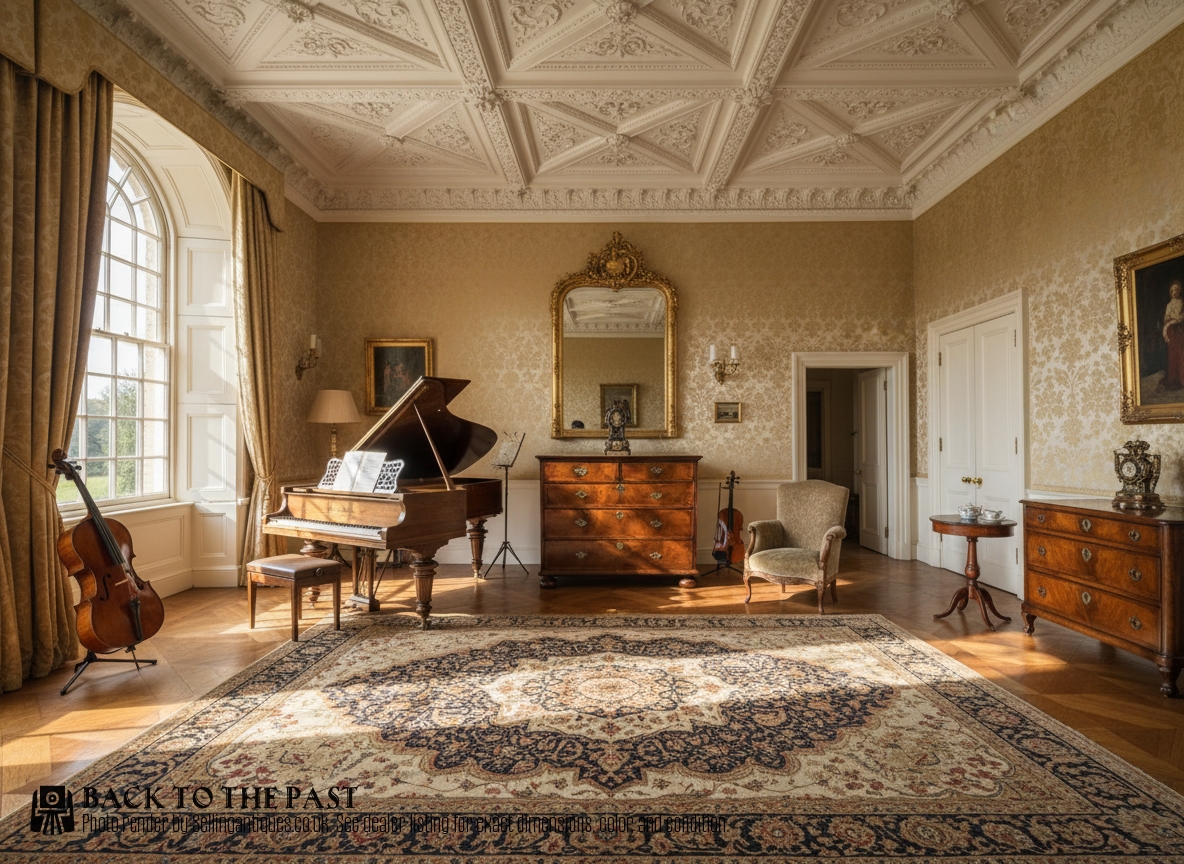
Quality and Craftsmanship
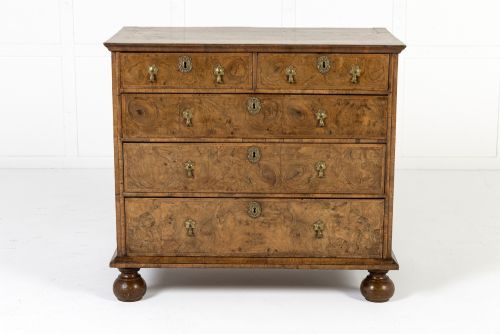
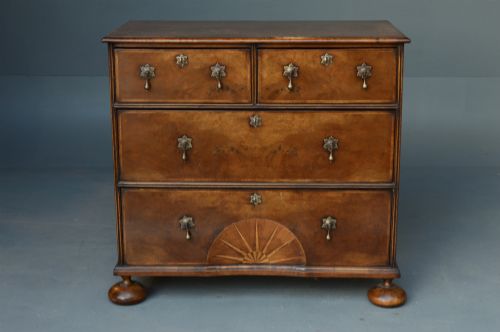
The choice of timber grain sets the visual standard, with richly figured burr walnut commanding attention over plain surfaces. Crispness in the crossbanding and inlay work reveals the hand of a skilled cabinet maker.
Proportions and structural integrity dictate the standing of a piece, particularly where stands or multiple stacked drawer sections are involved. Original brassware and well-matched drawer timbers further distinguish finer examples.
Queen Anne Walnut Tallboy Retail Price Guide 2026
Typical asking prices for queen anne walnut tallboy among the pieces listed under this phrase on Sellingantiques today, from the lower quarter to the upper quarter. They describe what is for sale here now, not the wider market.
Some tallboys hide secret compartments behind upper cornices where owners once concealed their most treasured guineas.
Waring and Gillow
The Queen Anne Walnut Tallboy Glossary
- Tallboy
- A tall chest of drawers, often constructed as one chest stacked upon another or upon a low stand. It provides maximum vertical storage.
- Burr Walnut
- Timber taken from a tree growth or burl, yielding a swirling, highly decorative grain pattern. Cabinet makers prize this wood for principal display surfaces.
- Crossbanding
- A narrow strip of veneer laid perpendicularly to the surrounding grain along the edges of a drawer or top. This technique frames the primary wood.
- Herringbone
- A V-shaped arrangement of contrasting veneers resembling the bones of a fish. It appears as delicate border banding on period furniture.
- Chest on Stand
- A drawer section raised on a separate base or frame, often featuring legs. This form predates the fully stacked tallboy.
Queen Anne Walnut Tallboy: Frequently Asked Questions
What is a tallboy?
A tallboy is a tall storage furniture piece formed by stacking one chest of drawers upon another or mounting it on a stand. This design delivers substantial drawer space within a narrow vertical footprint.
Historically used for linens and clothing, these pieces suit bedrooms and dressing rooms where floor space is at a premium.
How do I date a tallboy?
Dating relies on examining the construction methods, timber types, and hardware styles. Authentic 18th century examples display period dovetails and native oak or pine secondary woods.
Revival pieces from the early 20th century often utilise modern glues and machinery cuts while copying earlier Queen Anne and George I aesthetics.
Where should I place a tallboy?
Because of their height, tallboys anchor well against blank walls in bedrooms, hallways, or living spaces. Ensure the room has adequate vertical clearance before positioning the piece.
Keep walnut furniture away from direct sunlight and heat sources to prevent the delicate veneers from drying out or fading over time.
What is the difference between a tallboy and a chest on chest?
A chest on chest strictly consists of two stacked drawer sections, whereas the term tallboy historically encompasses various tall storage forms including wardrobes and linen presses.
In modern usage, the terms often overlap, though collectors use chest on chest to describe specific multi-drawer stacking configurations.