
Eighteenth Century Furniture
These eighteenth century furniture pieces bring centuries of working timber and regional design into a modern room.

Eighteenth Century Furniture
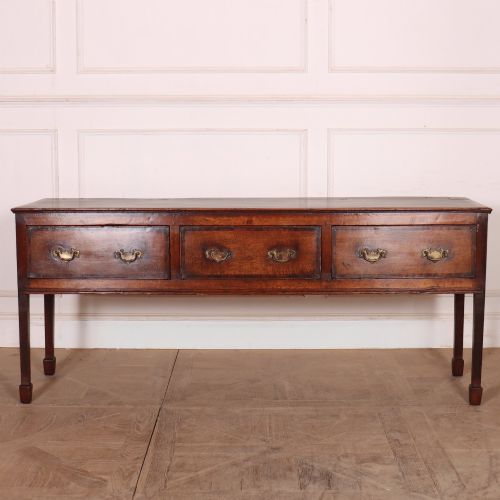
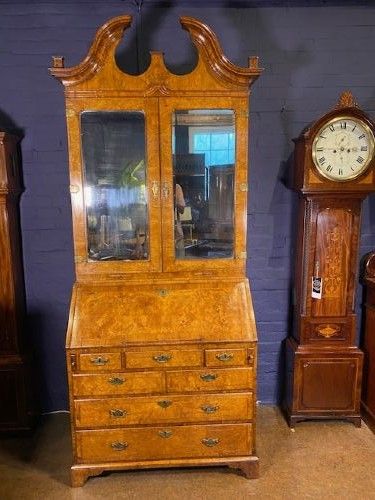
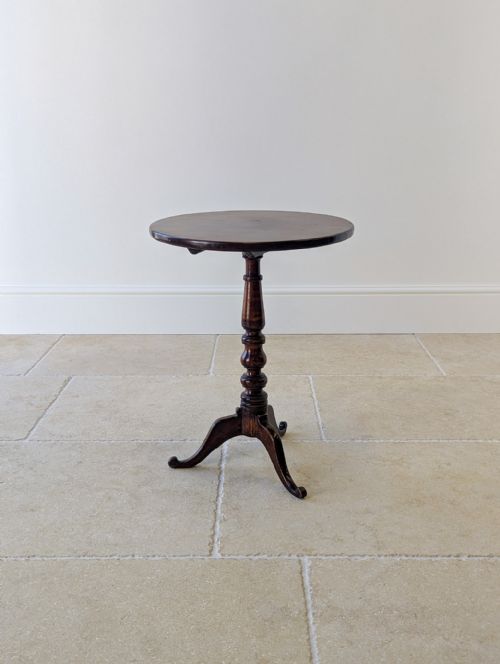
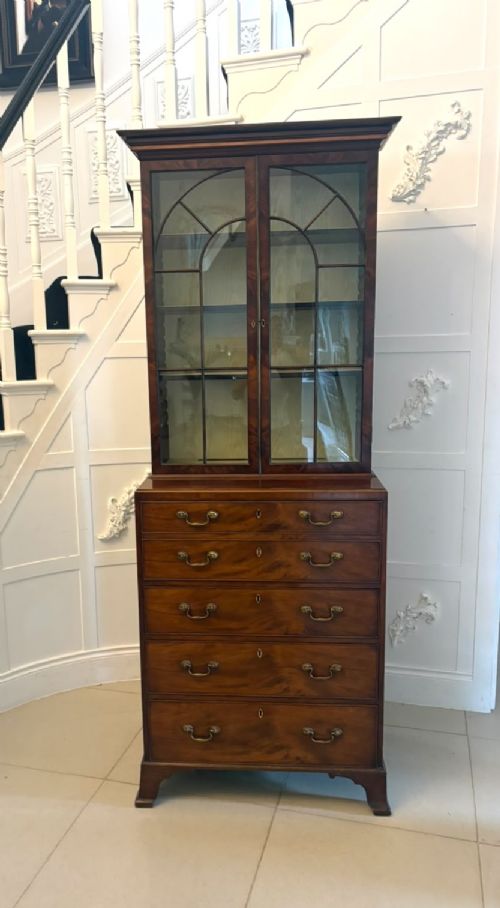
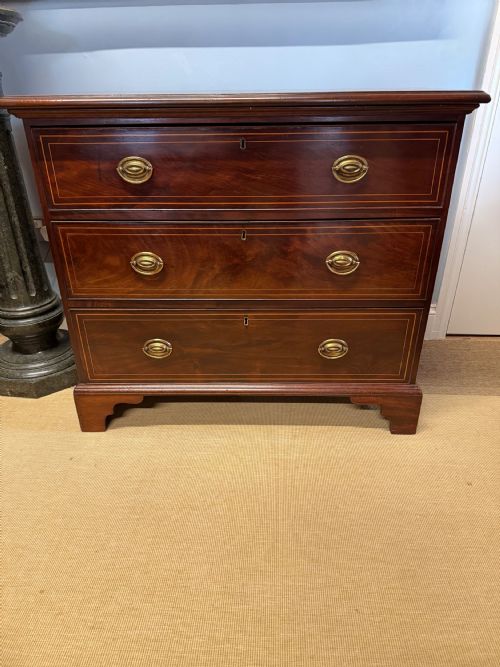
When you search for eighteenth century furniture, you encounter practical domestic items shaped by Georgian and provincial hands. The selection here leans heavily towards chests of drawers, bureau bookcases, and sturdy timber tables made for everyday use.
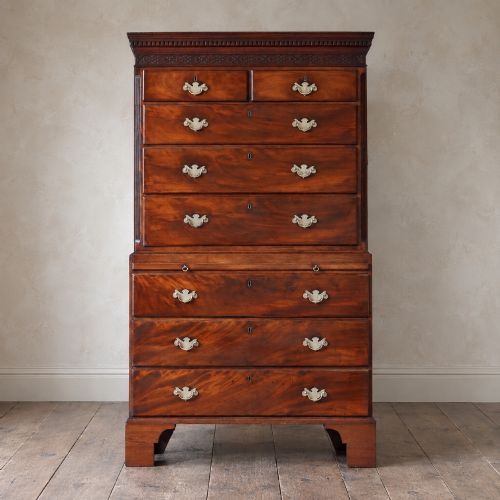
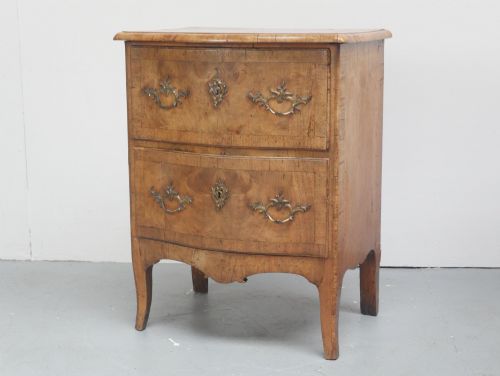
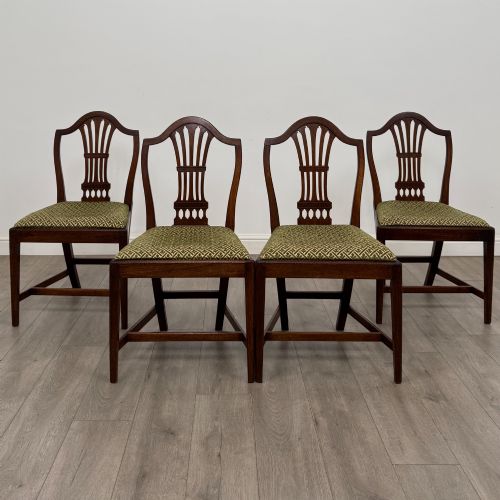
The assortment spans English oak and mahogany alongside continental walnut, cherrywood, and lacquer pieces from French, Dutch, and Italian workshops. You will frequently meet case furniture like chests on chests and cellarets alongside dining chairs and dressers.
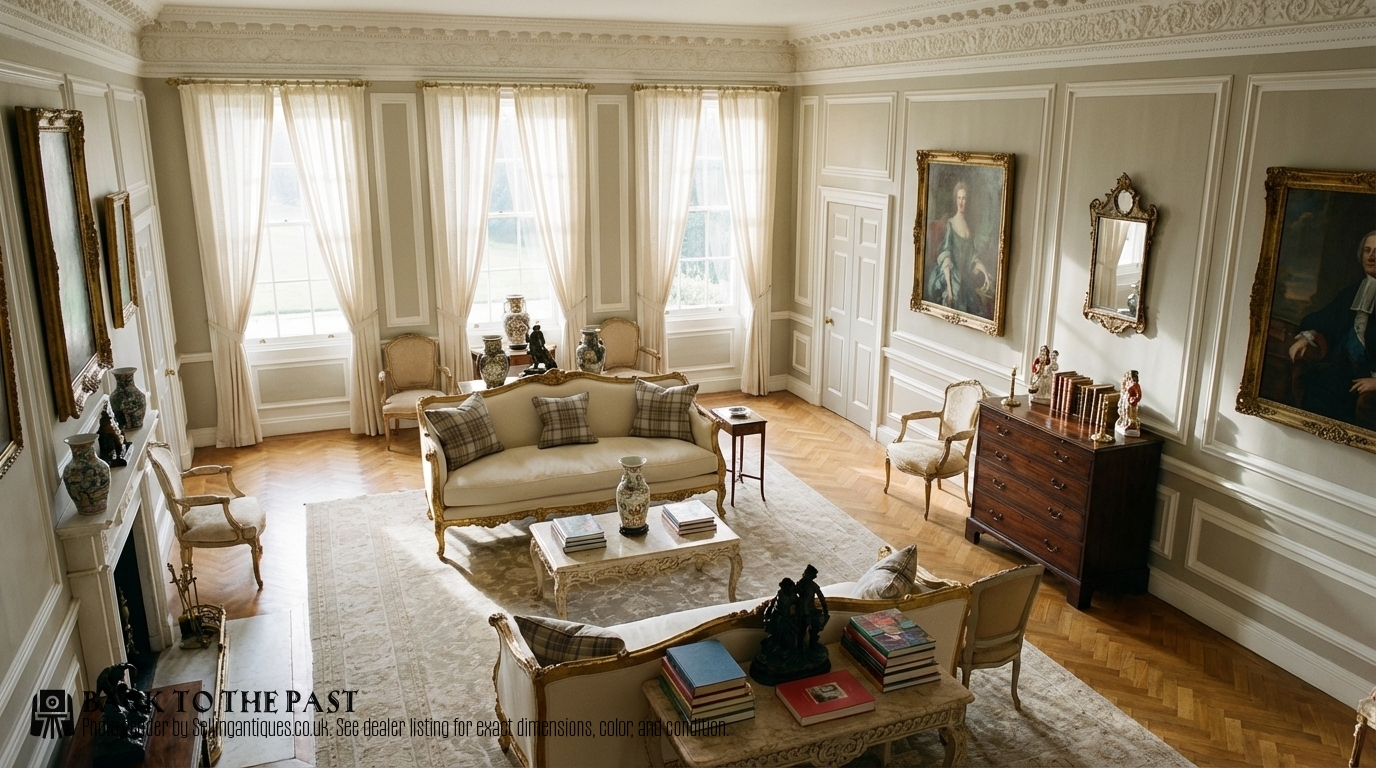
How they were made
Cabinetmakers worked primarily in solid oak, mahogany, and walnut, often applying burr walnut or exotic veneers to primary display surfaces. Secondary timbers like pine appeared in drawer linings and interior framing.
Construction relied on traditional joinery reinforced with brass hardware, while decorative finishes ranged from floral marquetry and Chinese export lacquer to simple wax polishing on native timbers.
The selection includes periods ranging from the seventeenth century through to the Georgian era, alongside later nineteenth-century revival pieces.
What varies in quality
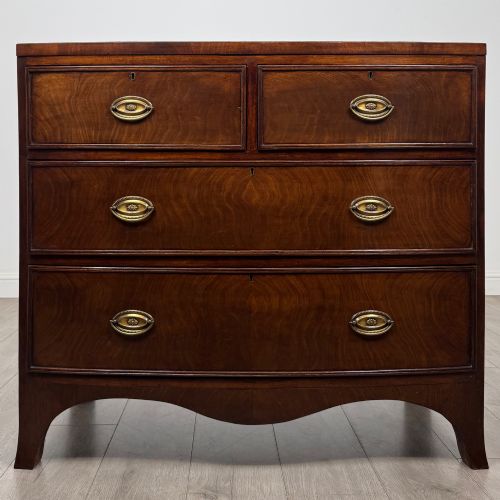
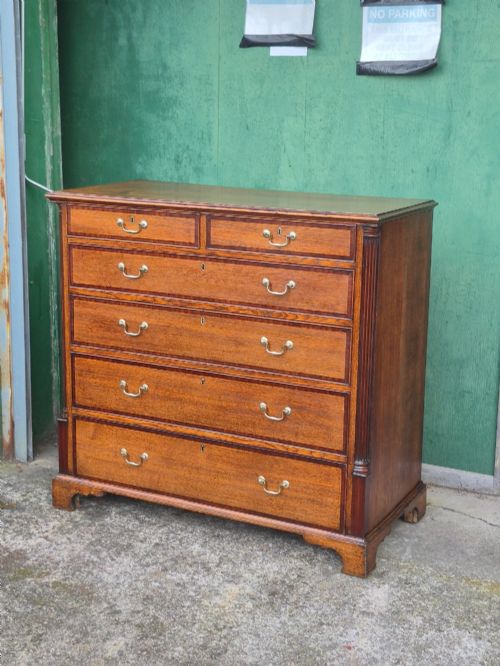
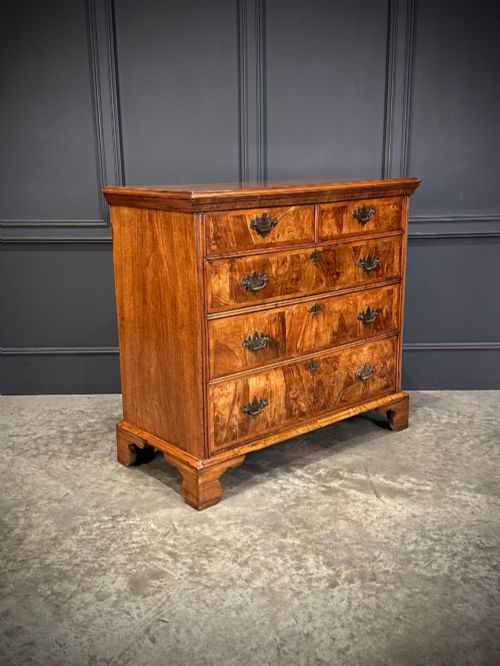
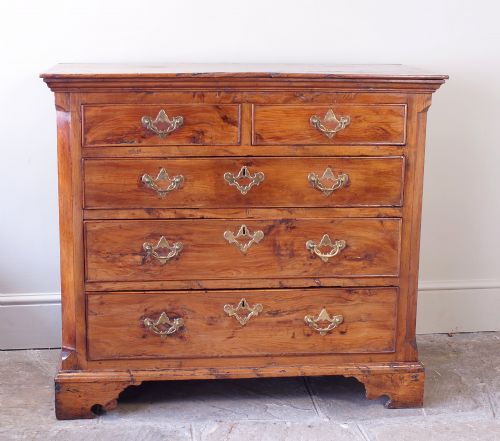
Quality rests in the selection of figured timbers and the crispness of secondary details such as brass-bound mounts, crossbanding, and carved bracket feet. A piece with matching grain patterns and original hardware sits firmly above a later assembly.
Proportion and structural integrity define the upper tier of these domestic forms. Well-balanced drawer proportions and undisturbed timber patination separate workshop masterpieces from utilitarian items altered over subsequent centuries.
Gillows
The Eighteenth Century Furniture Glossary
- Cellaret
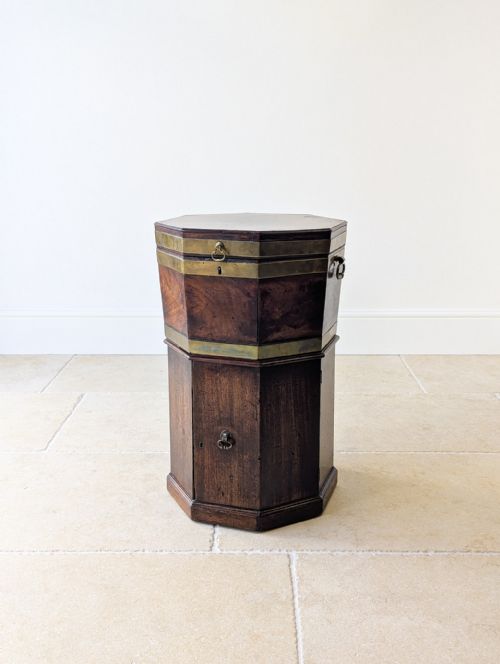
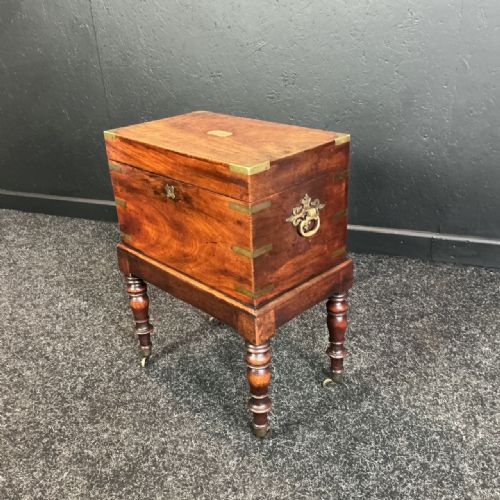
- A lockable container used for holding wine bottles and cooling them with ice near the dining table. They frequently appear in mahogany with brass banding.
- Bureau Bookcase
- A fall-front writing desk combined with a shelved upper cabinet for books. These multi-tiered case pieces often feature glazed doors.
- Crossbanding
- A decorative border of veneer laid around the perimeter of a panel with the grain running perpendicular to the centre. It frames the primary timber.
- Commode
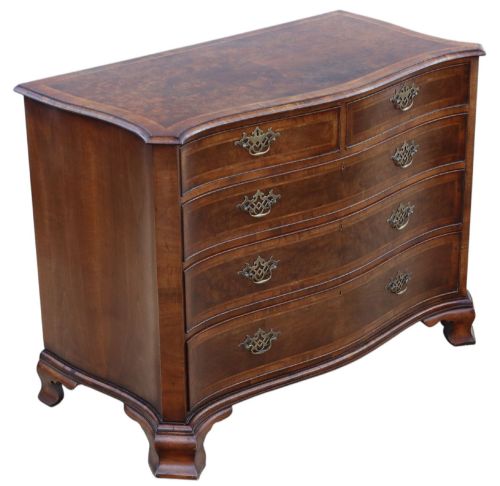
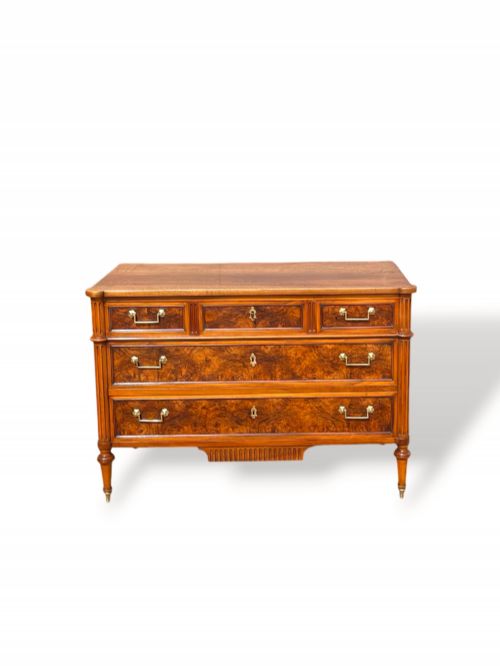
- A low chest of drawers or cabinet developed in France and adopted across Europe. They typically stand on short legs and display prominent serpentine fronts.
Eighteenth Century Furniture: Frequently Asked Questions
How do I spot a marriage piece?
Look closely at the timber colour and grain continuity between the upper and lower sections of case pieces. Differences in ageing suggest components were joined long after initial manufacture.
Examine the internal construction methods and drawer linings for mismatched secondary woods. Original pieces maintain consistent workshop practices throughout.
Where should I place a cellaret?
These octagonal wine holders sit well beside a dining table or function as standalone side tables in a living space. Their brass mounts and rich timber tones complement seating areas.
Keep them away from direct heat sources to protect the polished mahogany surfaces and internal linings from drying out.
Can I use an antique bureau daily?
The fall-front writing surfaces provide a stable desk area for contemporary paperwork and laptop use. Solid oak and mahogany carcases easily withstand routine everyday opening.
Ensure the interior pigeonholes and small drawers remain clear of heavy items to protect the original support hinges and writing leather.
How do regional styles differ?
English workshops focused on architectural mahogany proportions and understated brass hardware, whereas continental makers embraced curved serpentine fronts and marquetry.
Provincial French and Welsh pieces utilised local fruitwoods and oak with simpler turned feet, reflecting the materials available to rural carpenters.