
Traditional Walnut Furniture
Traditional walnut furniture brings warm grain and historic presence into a room, offering practical storage through timeless forms.
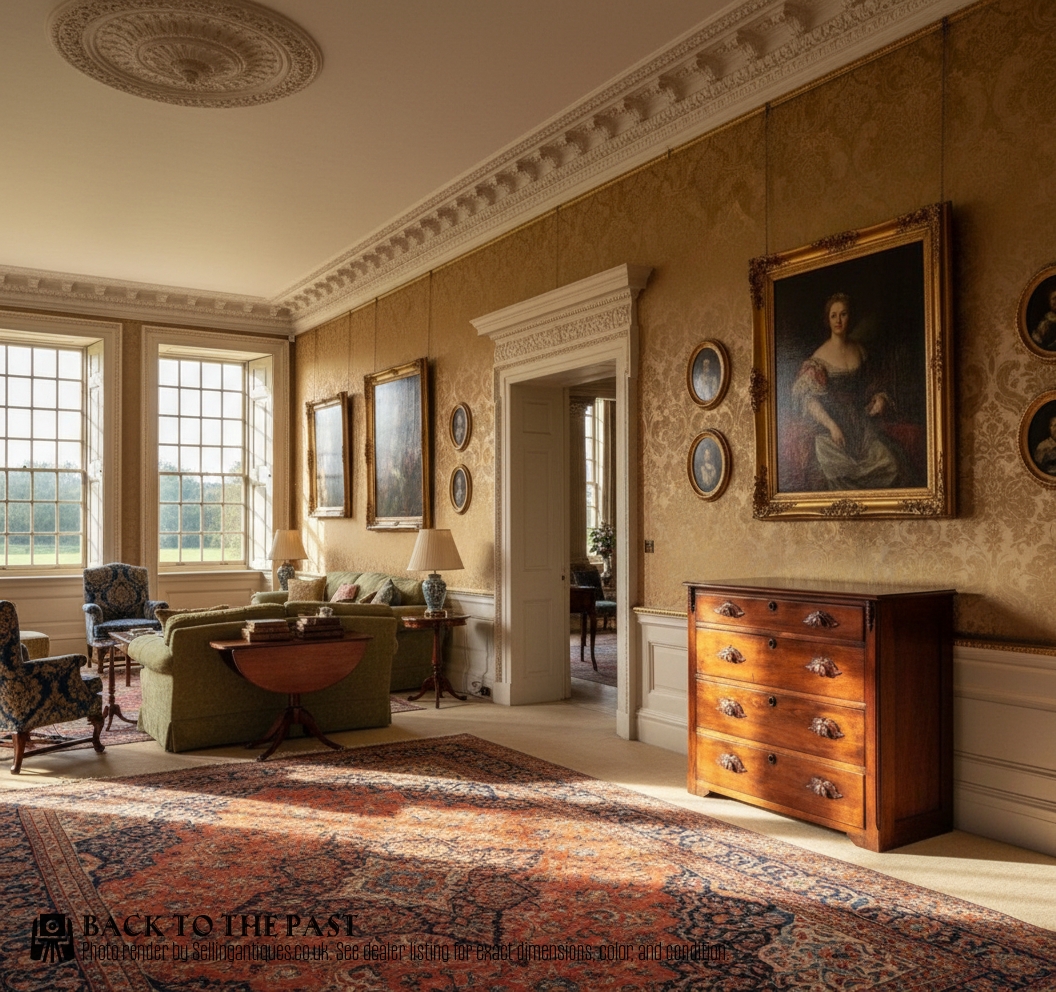
What traditional walnut furniture is
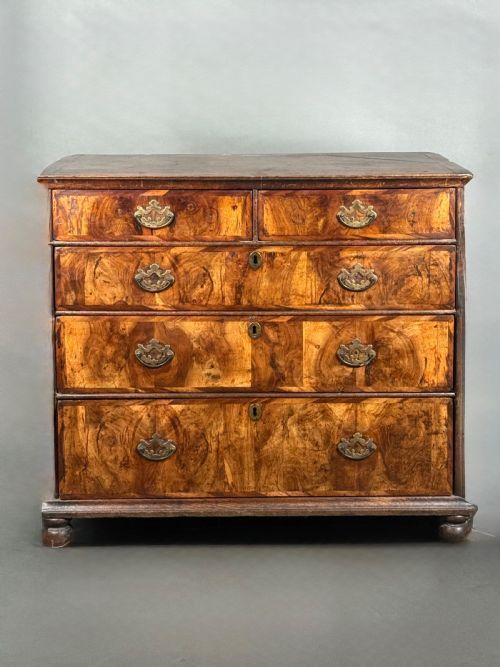
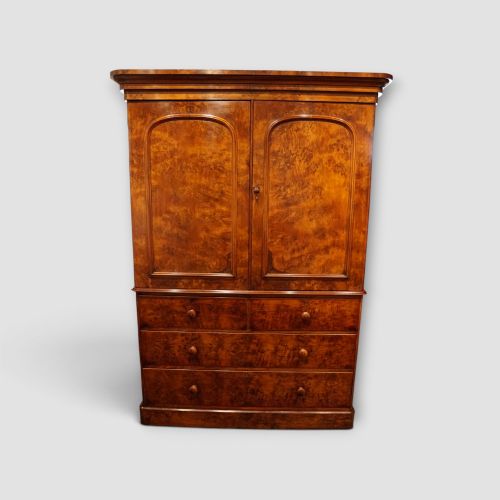
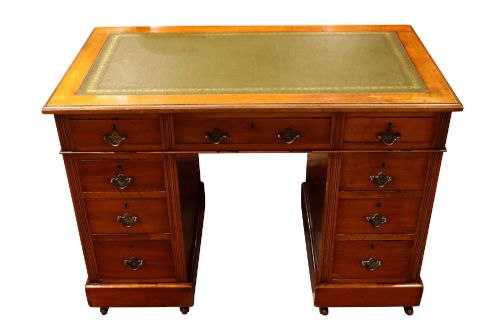
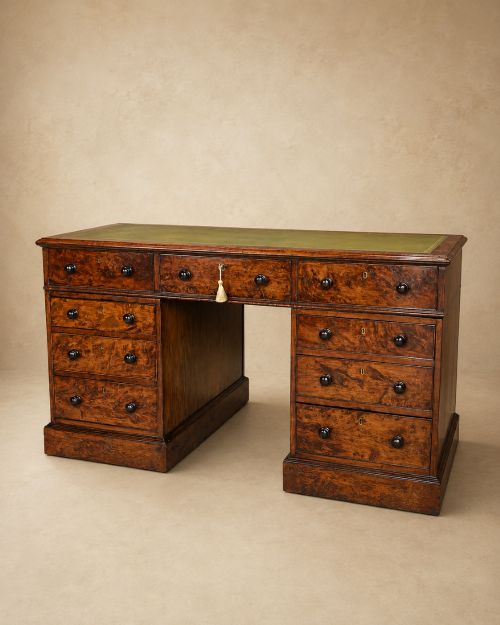
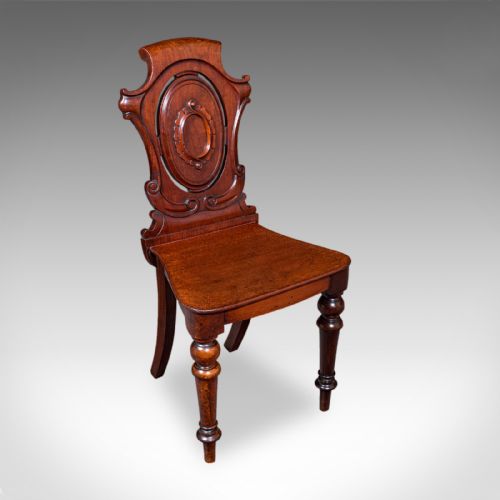
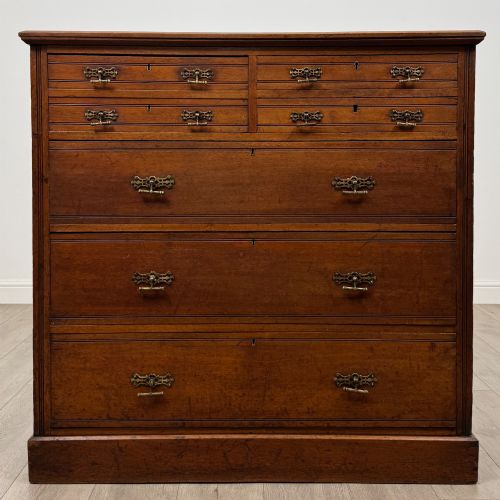
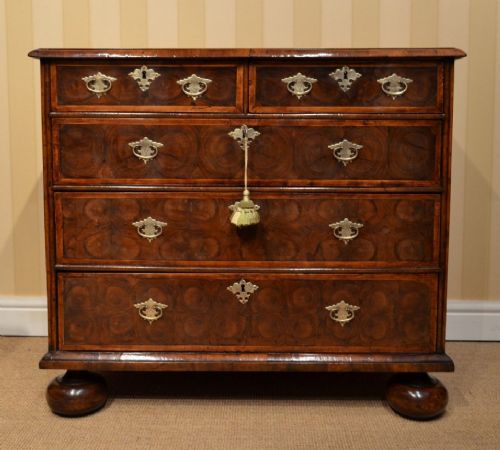
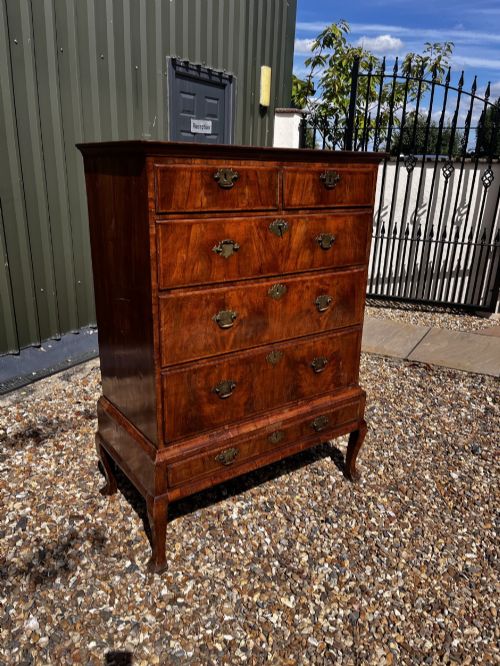
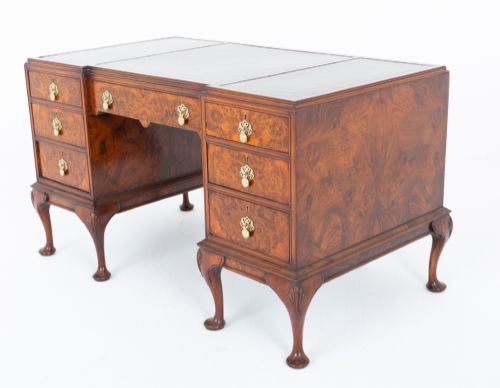
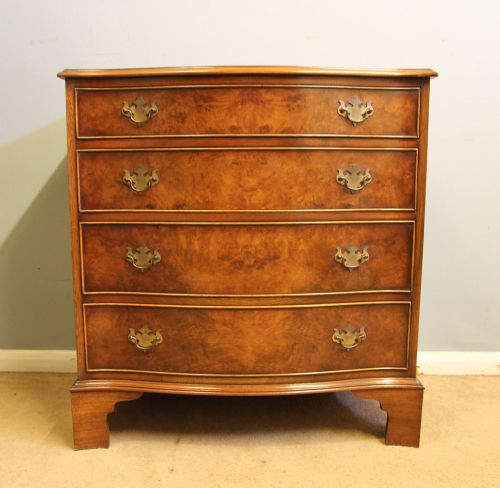
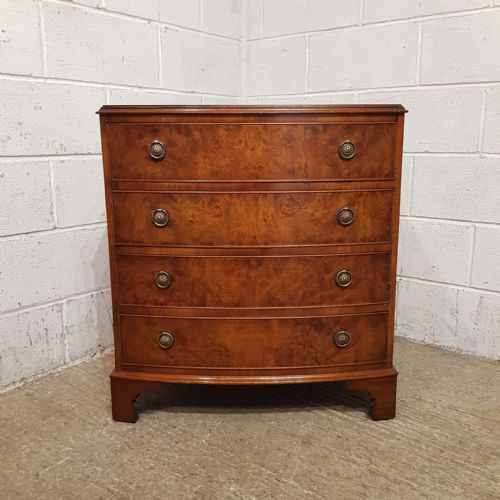
Traditional walnut furniture comprises historic pieces designed for storage, primarily taking the form of chests of drawers and cabinets. When searching for traditional walnut furniture, buyers encounter items ranging from mid-eighteenth-century examples to twentieth-century revivals.
Stylistic influences span Georgian, Queen Anne, and Late Victorian designs, alongside Georgian Revival and Queen Anne Revival movements. Buyers frequently meet revival pieces from the early twentieth century alongside genuine eighteenth-century items.
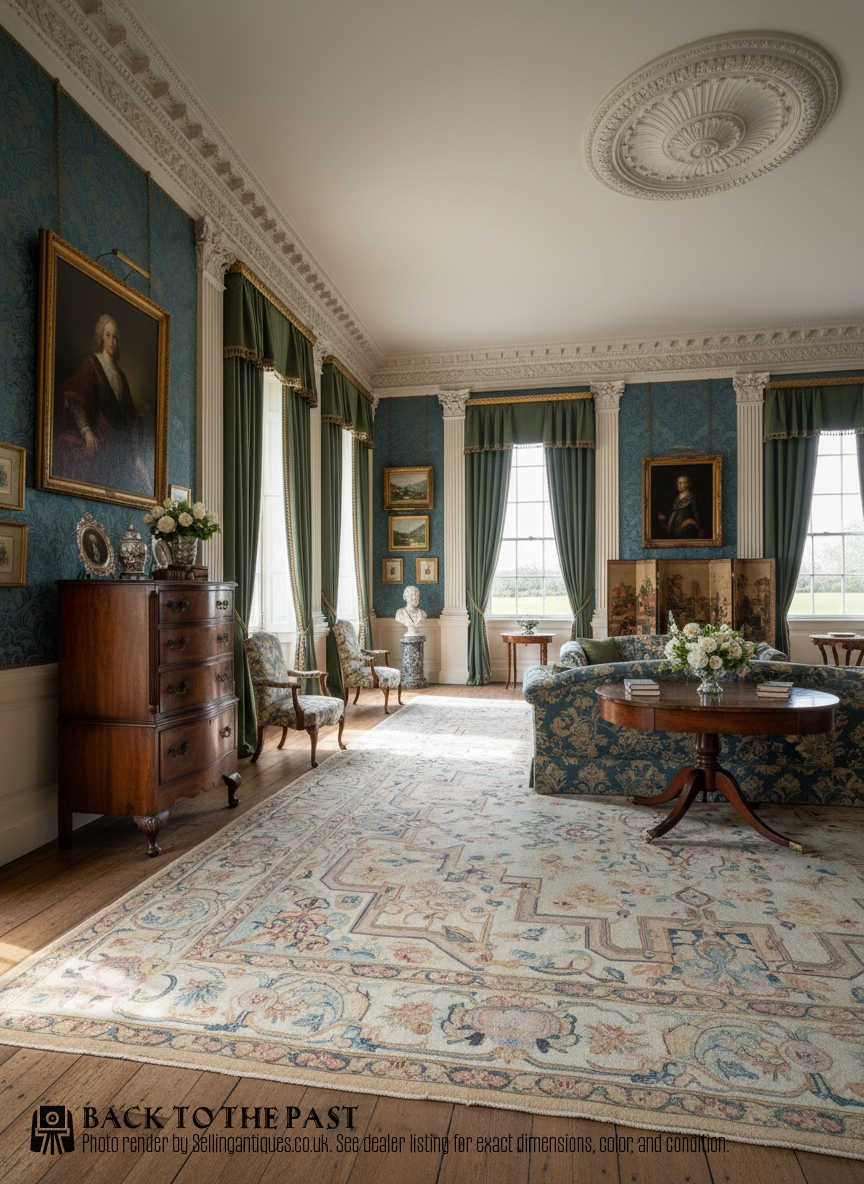
How traditional walnut furniture was made
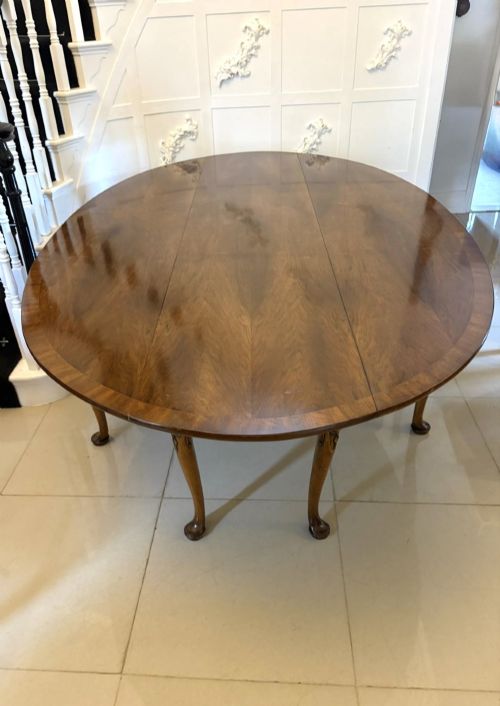
Construction relies upon walnut, figured walnut, and walnut veneer applied over secondary timbers such as oak. Cabinetmakers selected these woods for their rich figuring and deep natural colour.
Metal components, specifically brass handles and key escutcheons, complete the construction of drawers and doors. These hardware elements provide functional operation while accentuating the dark timber.
Retail Price Guide 2026
Typical UK retail prices for traditional walnut furniture, calculated from the Sellingantiques database of over a million retail prices indexed since 2003. This retail price guide relies exclusively on Sellingantiques data; no external sources or auction records are used, so the figures do not describe the wider market.
The listings span the eighteenth century, the nineteenth century, nineteen-twenty, and nineteen-thirty, using walnut, figured walnut, veneer, oak, and brass.
What varies in quality
Quality differences emerge in the selection and matching of walnut veneers across large surfaces. Superior examples display symmetrical grain patterns that flow evenly across drawer fronts and cabinet doors.
The refinement of the timber finishing and the crispness of proportion distinguish finer pieces from simpler utilitarian items. The integration of secondary woods like oak within the carcass construction also reflects the standards of the original workshop.
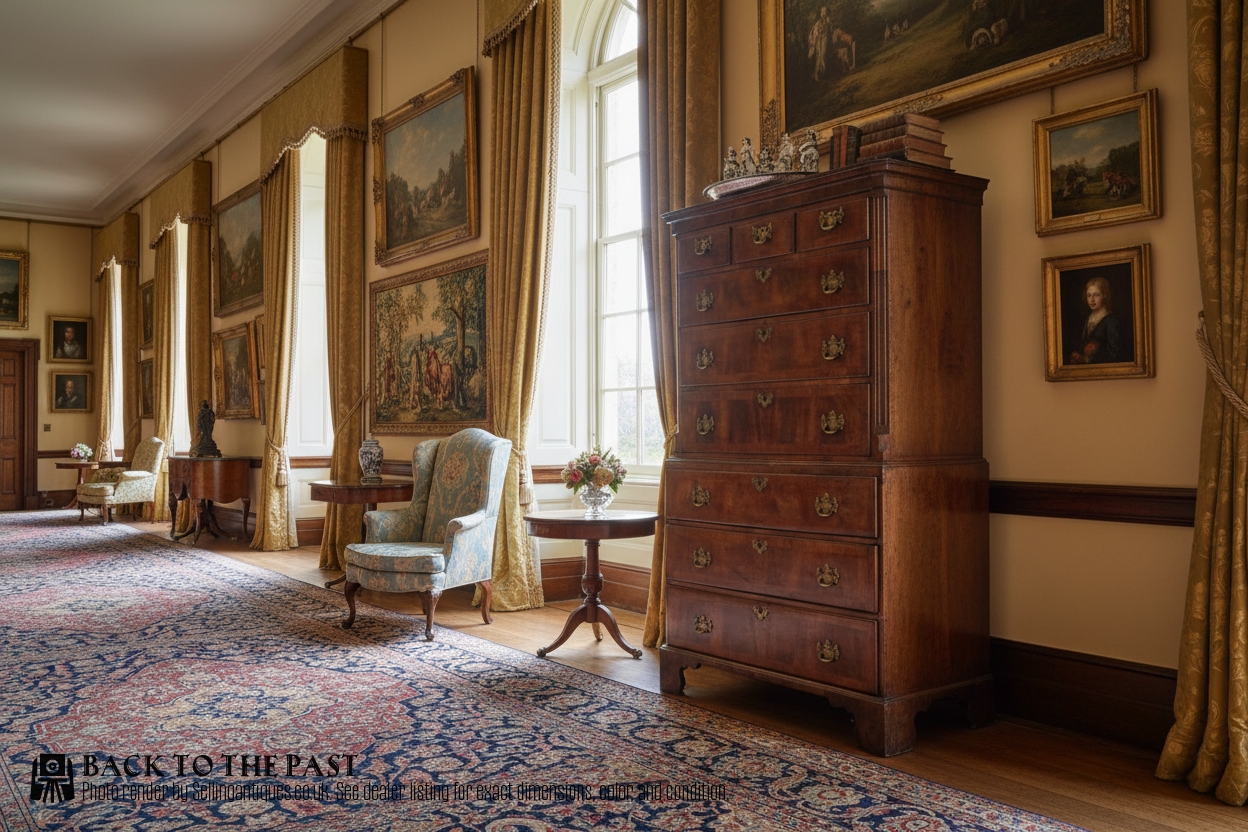
The Traditional Walnut Furniture Glossary
- Walnut veneer
- A thin layer of decorative walnut timber applied to a stable secondary wood like oak. This technique allows cabinetmakers to utilise striking grain patterns while preventing warping on large surfaces.
- Figured walnut
- Timber harvested from sections of the tree featuring twisted or highly decorative growth patterns. It creates a rippled, highly visual surface texture prized by cabinetmakers.
- Chest on chest
- A tall storage unit comprising a smaller chest of drawers stacked directly on top of a wider base chest. This form maximises vertical storage capacity.
- Queen Anne revival
- A late nineteenth or early twentieth-century design movement recreating the curved lines and characteristic proportions of the early eighteenth century. It employs period construction methods alongside revival aesthetics.
Frequently Asked Questions
How do I date a walnut chest of drawers?
Dating relies upon examining the construction methods, timber selection, and hardware styles used in the piece. Eighteenth-century examples display different carcass assembly techniques compared to nineteen-twenties revivals.
Hardware placement and the presence of walnut veneer versus solid timber further clarify the period of manufacture.
How should I care for walnut furniture?
Walnut surfaces benefit from consistent indoor humidity and protection from direct sunlight to prevent timber drying. Regular dusting with a soft cloth maintains the natural finish.
Applying traditional wax occasionally nourishes the timber and preserves the depth of the grain.
What is the difference between Georgian and revival pieces?
Georgian pieces were built during the eighteenth century for contemporary domestic use. They reflect the authentic proportions and structural techniques of that era.
Revival pieces date from later periods, such as the early twentieth century, and imitate those earlier eighteenth-century aesthetic styles.