

Antique Tall Chest
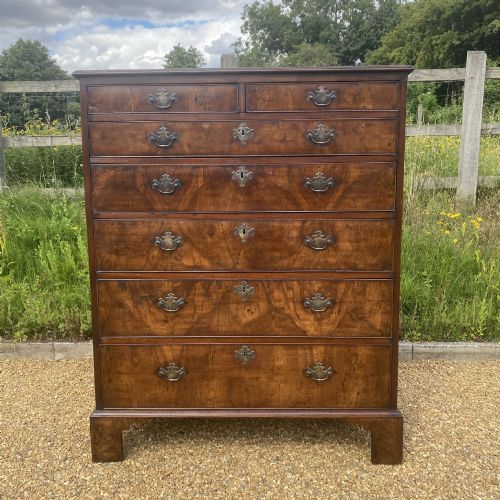
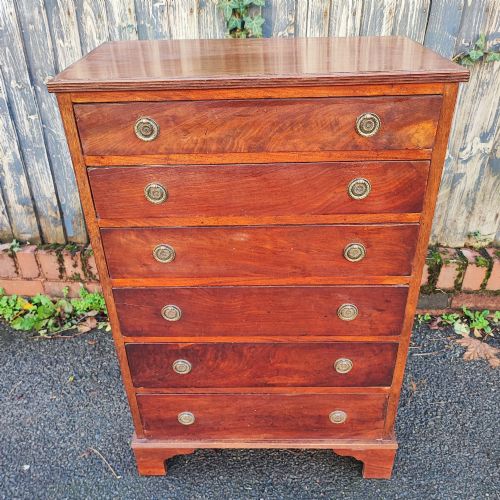
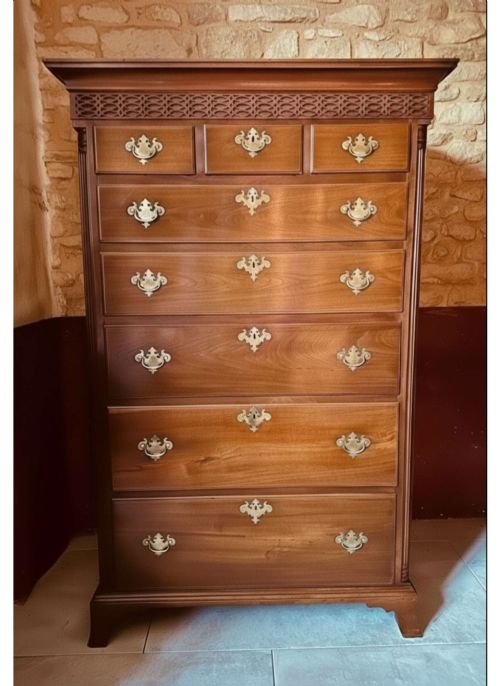
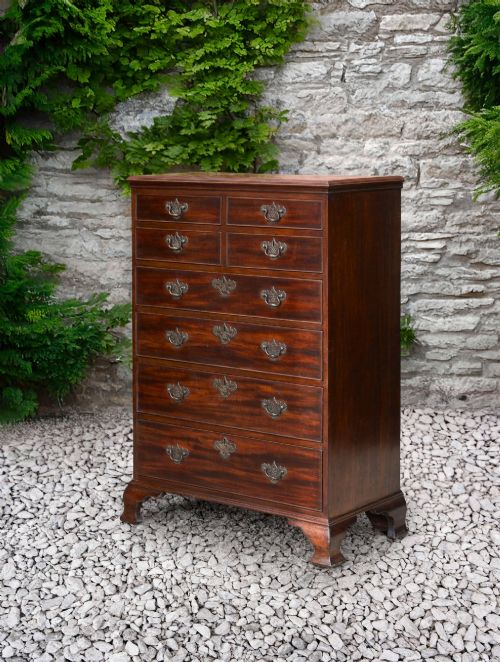
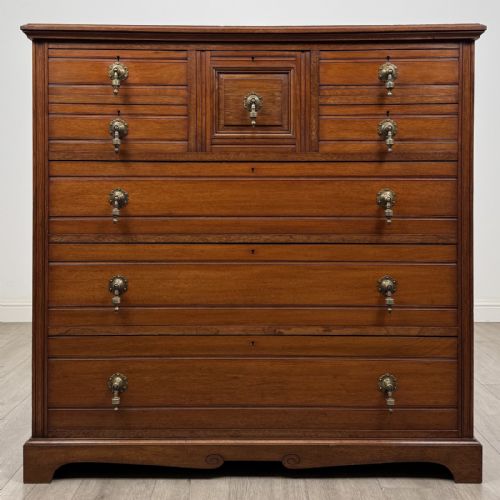
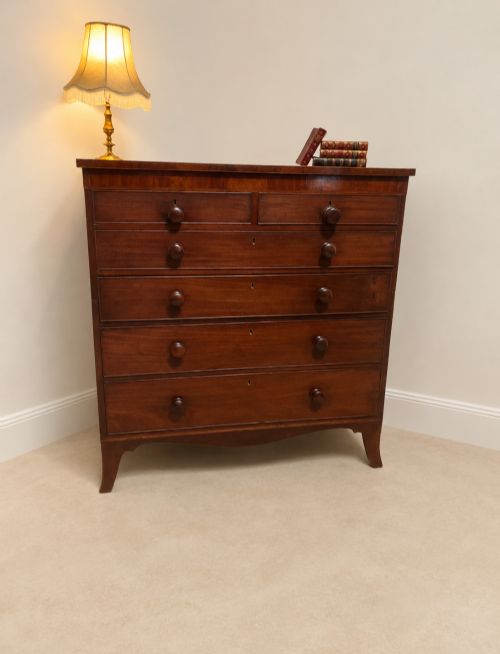
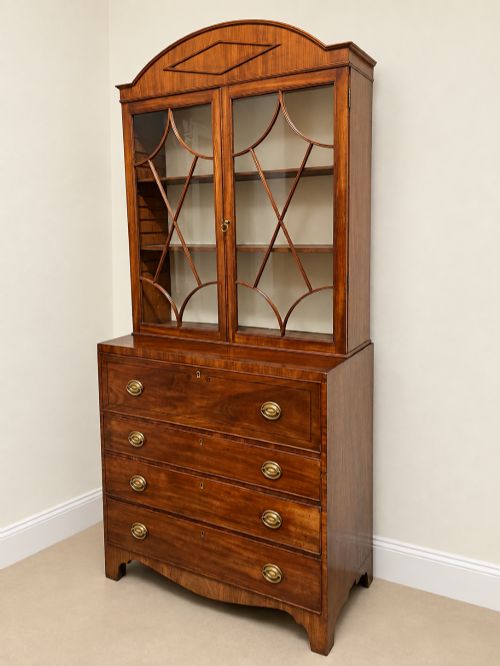
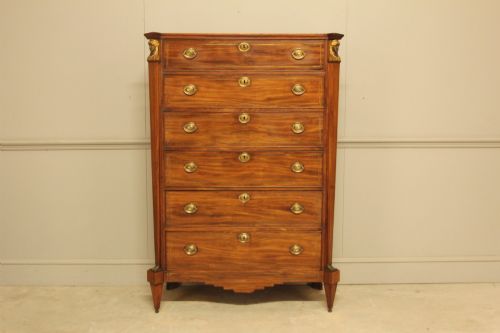
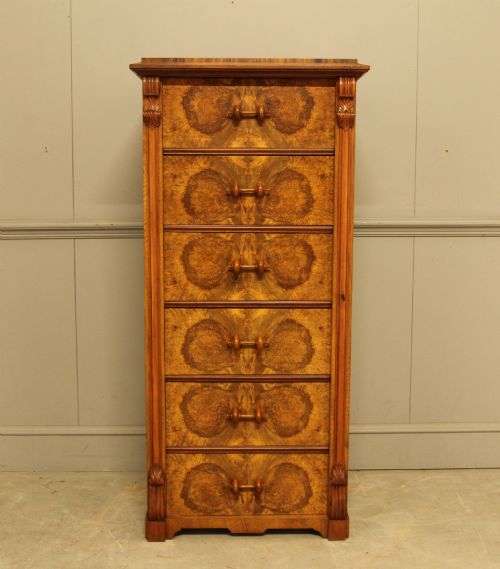
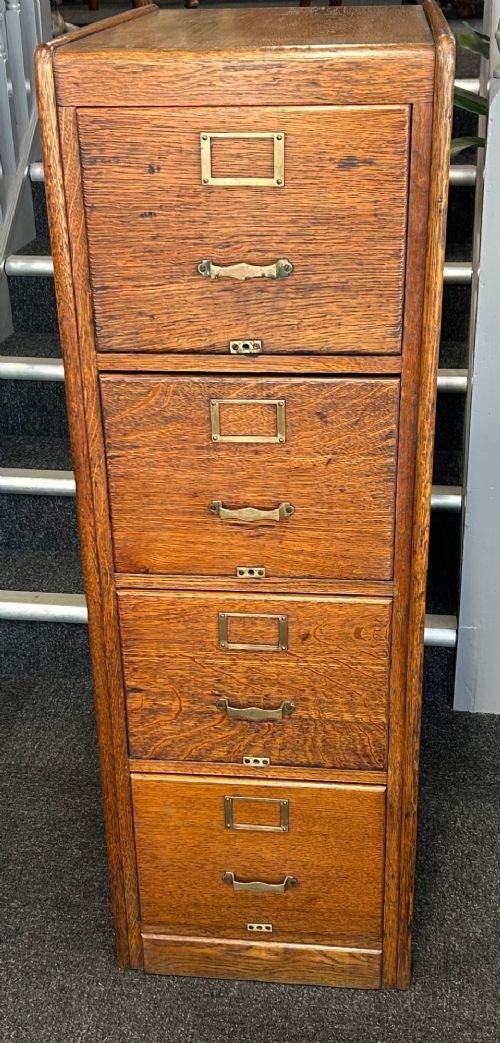
When you search for an antique tall chest, you uncover vertical storage spanning Georgian tallboys and Victorian Wellington chests built to maximise bedroom capacity.

Antique Tall Chest
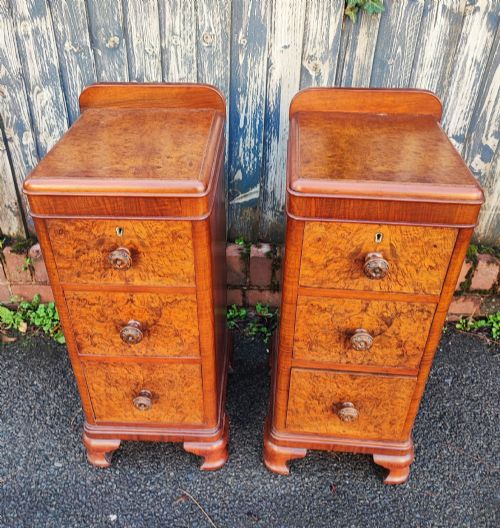
The antique tall chest category encompasses towering furniture forms designed to provide substantial drawer storage within a modest floor footprint. Buyers investigating this selection encounter pieces stretching from eighteenth-century walnut and mahogany chest-on-chest designs to Edwardian and Victorian narrow upright drawers.
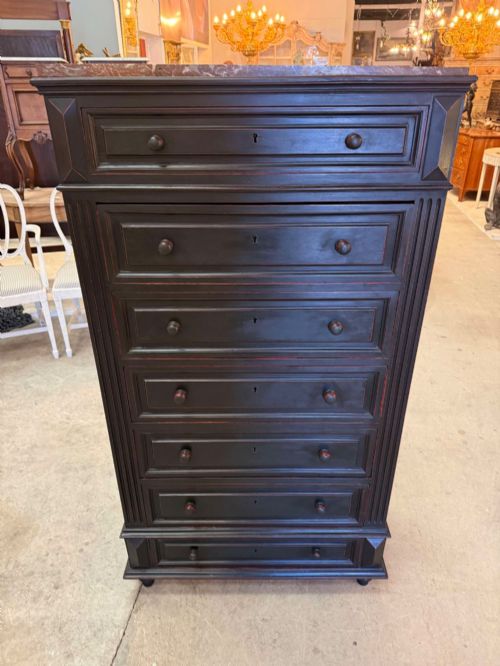
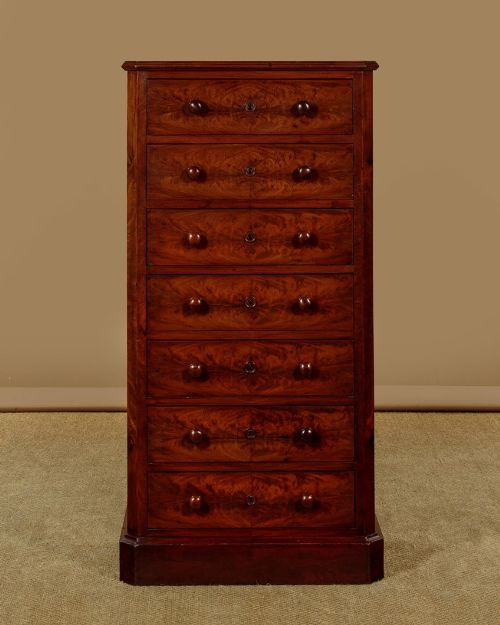
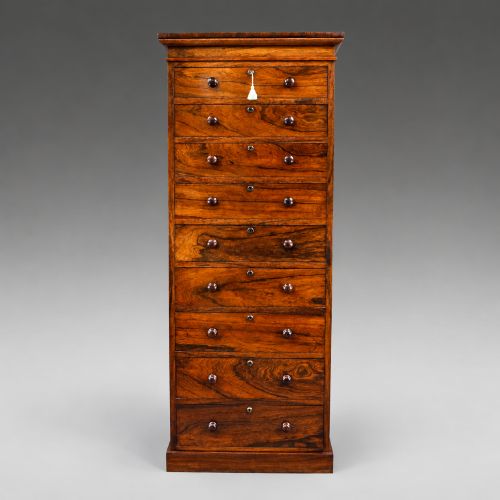
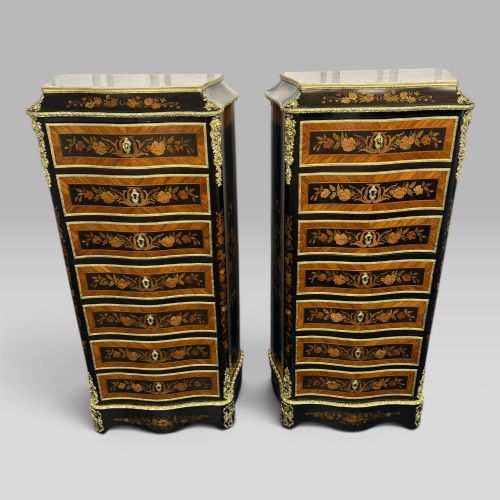
The most common versions met on this page are nineteenth-century mahogany tallboys and Victorian Wellington chests featuring stacked banks of drawers. Formats also extend to French semainiers, oak linen presses, and Georgian bow-front examples originating across British, French, and Dutch workshops.
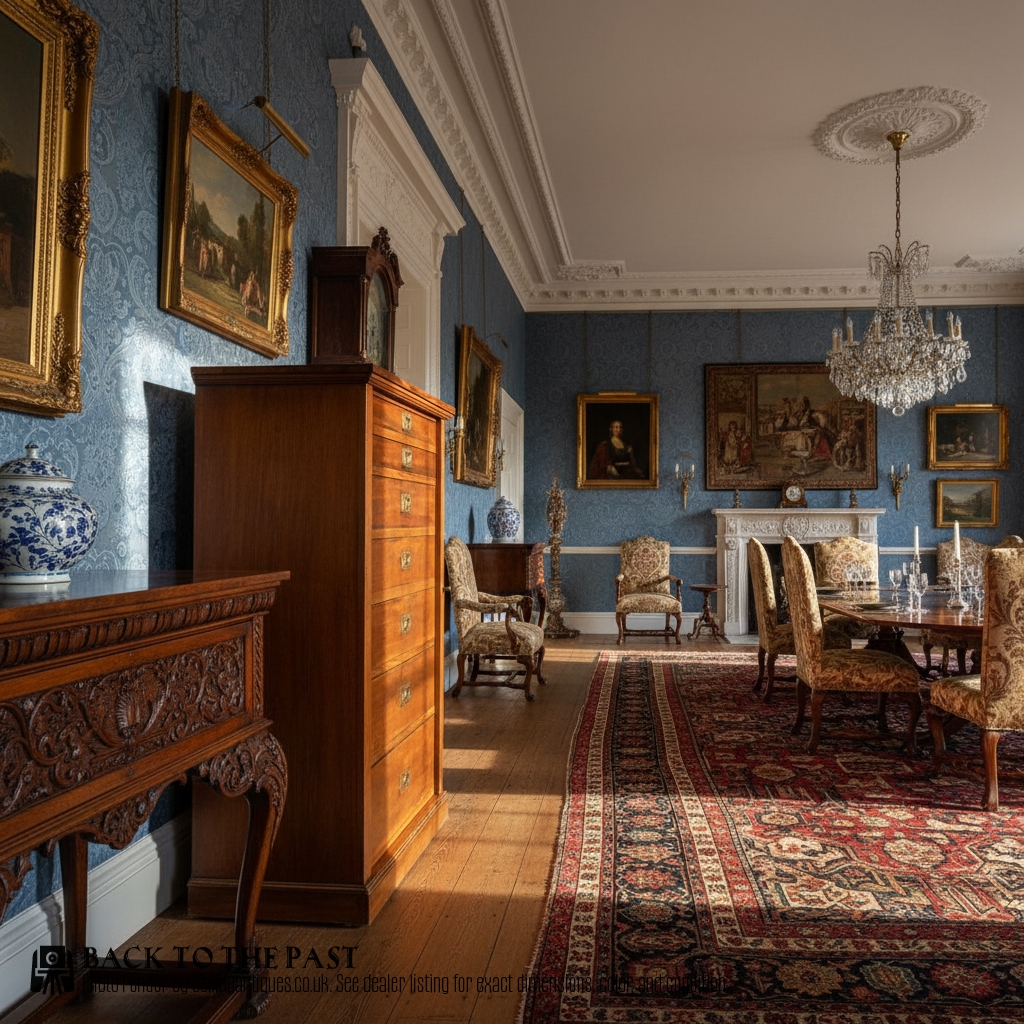
Materials and Construction
Cabinet makers utilised dense hardwoods including mahogany, walnut, and oak as the structural foundation for these tall vertical carcases. Burr walnut, satinwood, kingwood, and rosewood veneers frequently decorated drawer fronts and upper surfaces, complemented by marquetry or contrasting stringing.
Traditional joinery secured heavy multi-drawer frames, often incorporating dust boards between tiers to maintain structural integrity. Brass drop handles, escutcheons, and locking side bars - characteristic of the locking mechanism on Wellington chests - secured the contents of each drawer.
Antique Tall Chest Retail Price Guide 2026
Typical asking prices for tall chest among the pieces listed under this phrase on Sellingantiques today, from the lower quarter to the upper quarter. They describe what is for sale here now, not the wider market.
Listings feature woods spanning mahogany, oak, walnut, burr walnut, rosewood, satinwood, kingwood, and brass hardware.
Distinctions in Standard
Quality separates through the selection of timber veneers and the precision of the cabinet work visible in the drawer linings and carcase backboards. Figured mahogany or matched burr walnut displays an even grain pattern and careful book-matching across the elevation.
Original hardware, working locks with matching keys, and intact feet or bases elevate the standing of a piece. Finer examples retain crisp mouldings, tight joints, and original polished surfaces without extensive timber replacement.
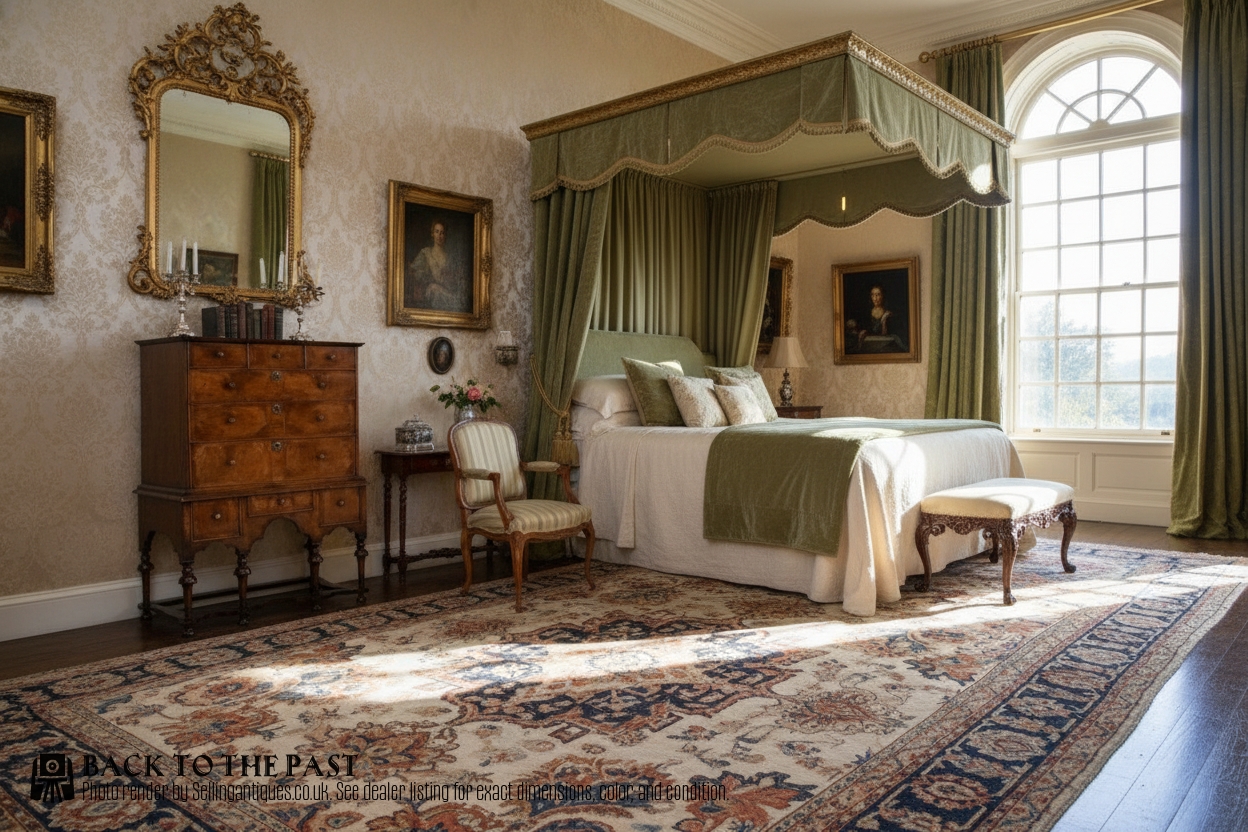
Gillows·J.Maple·Heals·Maison Krieger
The Antique Tall Chest Glossary
- Tallboy
- A tall chest of drawers, typically constructed as a chest-on-chest where a narrower upper section sits upon a wider base. This form became popular during the eighteenth century.
- Wellington Chest
- A tall, narrow chest featuring a hinged locking stile on one side that secures all the drawers simultaneously. It originates from the nineteenth century.
- Chest on Chest
- A two-part storage piece where a smaller upper chest stacks directly onto a larger lower chest. This design increased vertical capacity while remaining transportable.
- Semainier
- A tall French chest traditionally containing seven drawers, one for each day of the week. These are frequently veneered in exotic woods.
- Escritoire
- A tall cabinet incorporating a fitted writing desk compartment behind a fall-front or drawer. These combine vertical drawer storage with a dedicated writing surface.
Antique Tall Chest: Frequently Asked Questions
What is a tallboy chest?
A tallboy is a multi-drawer storage unit that builds upward rather than outward to save floor space.
These pieces typically combine two distinct carcases, such as a chest-on-chest arrangement, or present a single tall narrow tower of drawers.
How do I spot a Wellington chest?
A Wellington chest is identified by its narrow proportions and a vertical locking bar on the right side.
Swinging this bar away allows the multiple shallow drawers to open freely, a design originally intended to secure valuables.
Where were tall chests used?
These pieces were placed primarily in bedrooms and dressing rooms to hold linens, garments, and accessories.
Their vertical design allowed households to store extensive wardrobes without occupying excessive floor area in smaller rooms.
How are periods told apart?
Periods are distinguished through wood choice, handle styles, bracket feet, and overall architectural proportions.
Georgian pieces favour solid mahogany with brass batwing handles, while Edwardian versions often feature lighter satinwood inlay and pine carcases.