




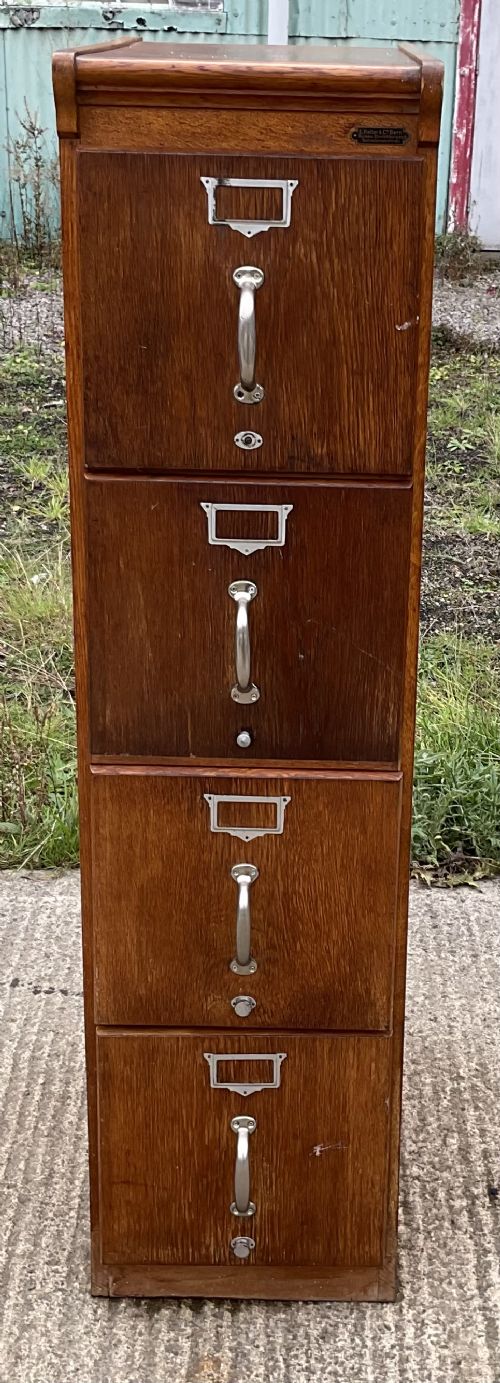
Antique Wooden Cabinet
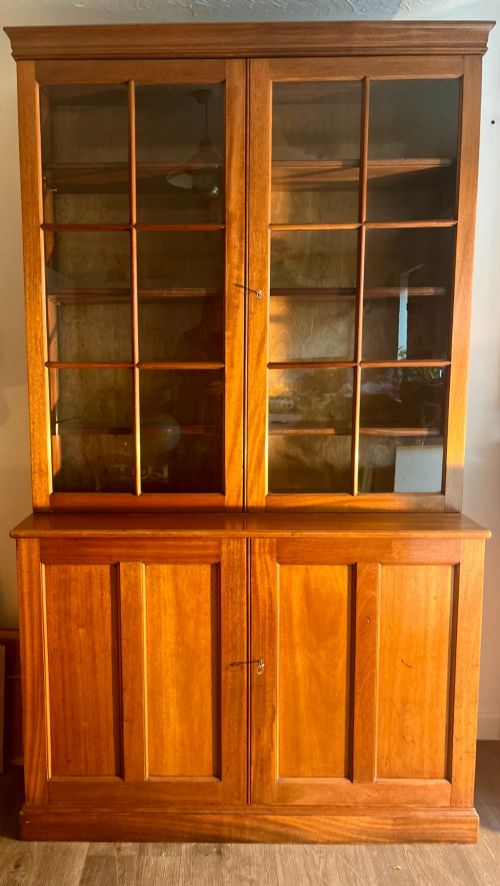
An antique wooden cabinet is a functional storage piece in mahogany, oak or walnut that brings period character to a room.
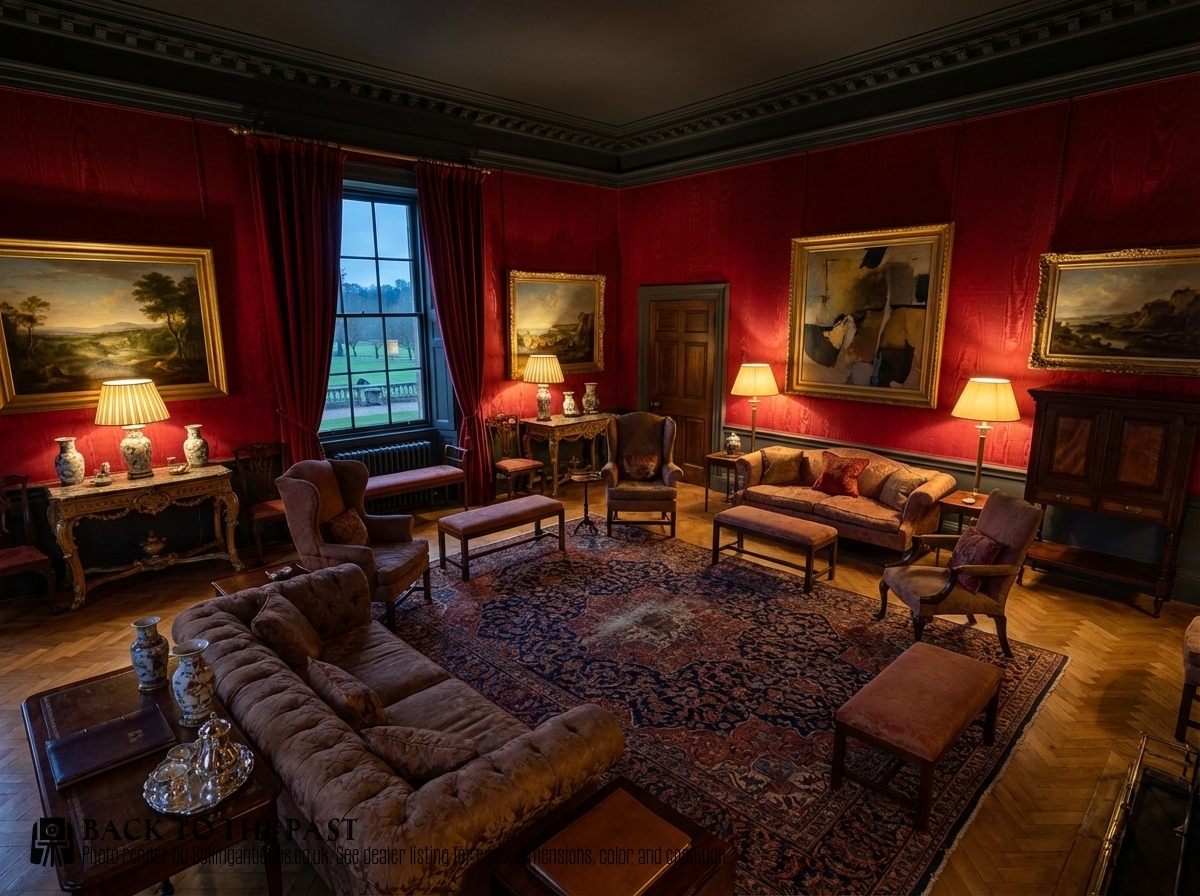
Antique Wooden Cabinet
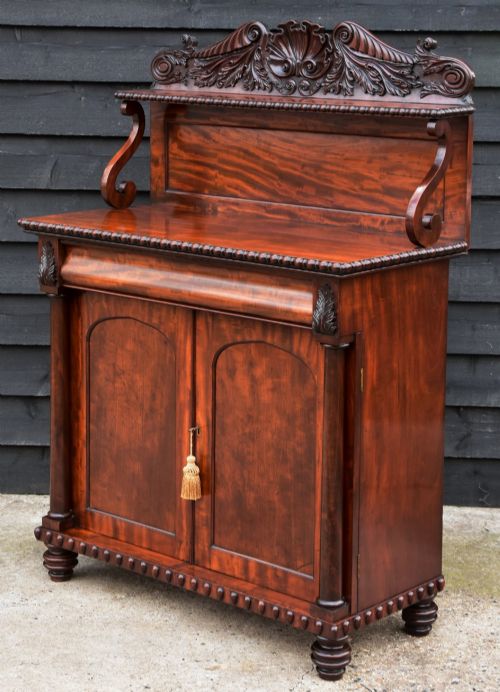
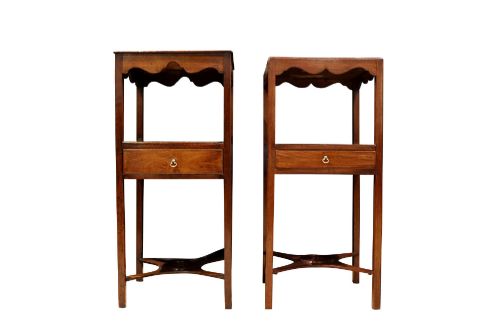
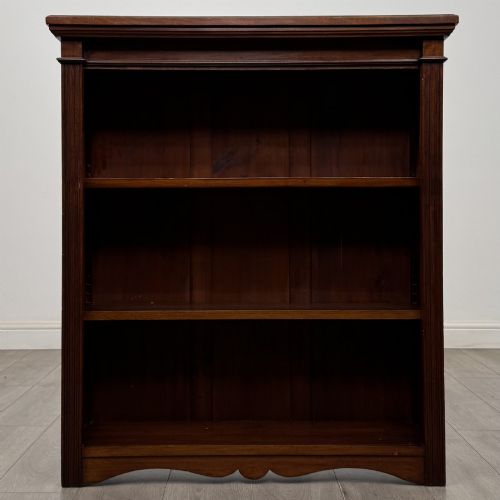
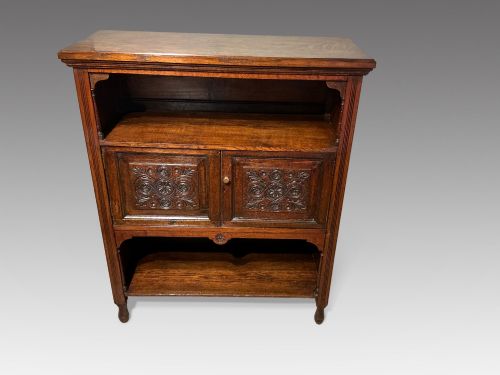
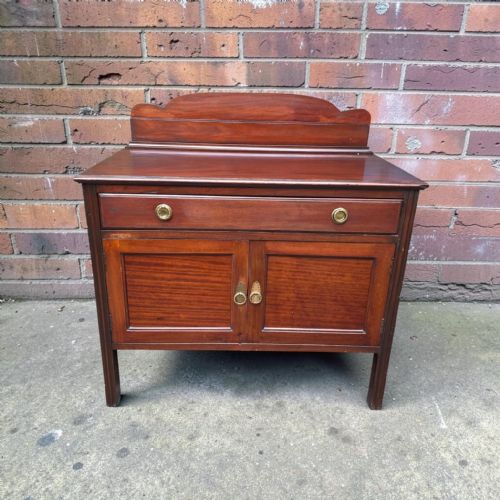
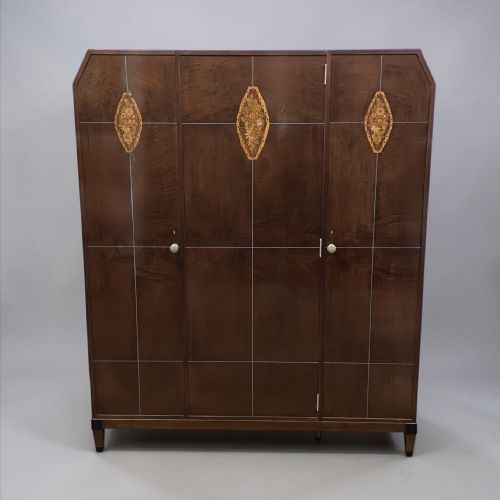
An antique wooden cabinet spans numerous forms designed for storage and display across several centuries, including sideboards, bookcases, wardrobes, and filing cabinets. When searching for an antique wooden cabinet, buyers encounter diverse domestic furniture ranging from large Georgian breakfront dressers to compact Edwardian bedside cupboards.
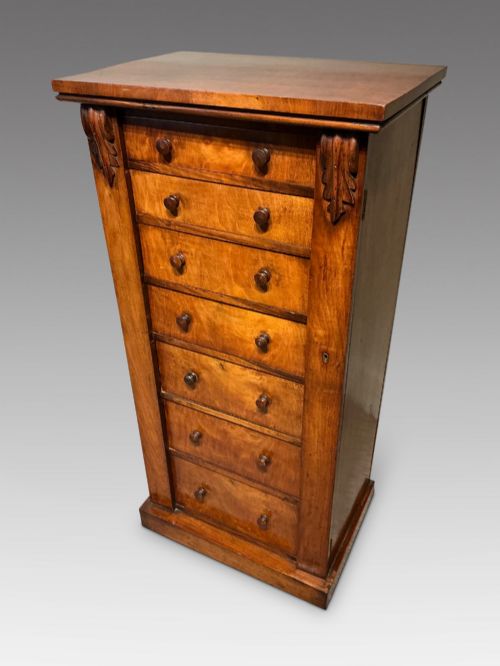
The selection includes specialised pieces such as Wellington chests, cellarettes, dry bars, and Chinoiserie decorated storage units. Victorian and Edwardian examples in oak and mahogany appear frequently alongside earlier 18th-century pieces and later Art Deco designs.
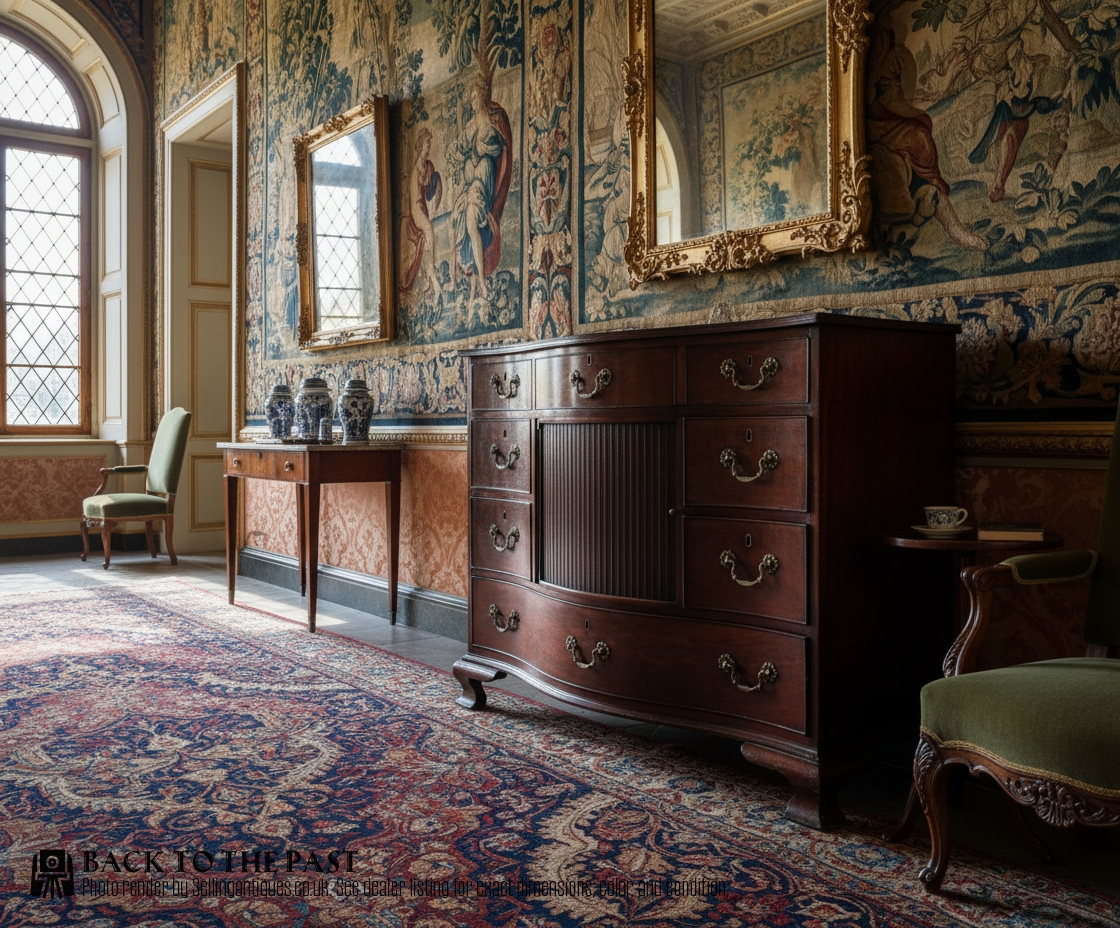
How they were made
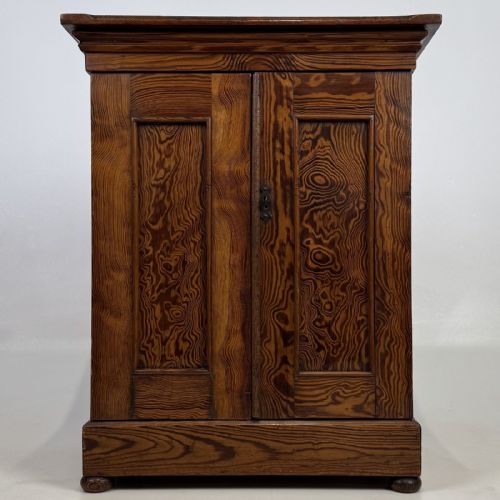
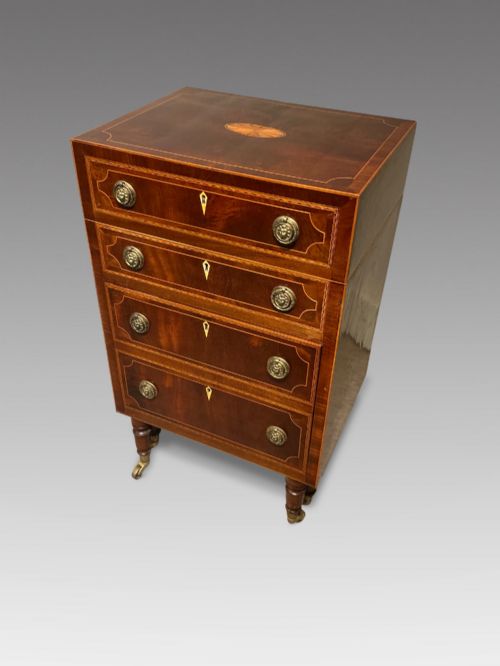
Cabinet makers utilised solid timbers and veneers of mahogany, oak, walnut, satinwood, and pine, frequently enhanced with brass hardware, glass panels, and ormolu mounts. Surfaces display specific treatments including staining, cream painting, ebonising, and intricate inlay work.
Construction techniques involve traditional joinery suited to the form, from the tambour fronts of filing cabinets to the carved mirror backs of Victorian credenzas and the serpentine shaping of sideboards.
Antique Wooden Cabinet Retail Price Guide 2026
Typical asking prices for wooden cabinet among the pieces listed under this phrase on Sellingantiques today, from the lower quarter to the upper quarter. They describe what is for sale here now, not the wider market.
Listings feature woods spanning mahogany, oak, burr walnut, satinwood, padouk, and pine, alongside decorative painted and Chinoiserie finishes.
What varies in quality
Quality rests in the selection of figured timber, such as flame mahogany or burr walnut, and the precision of the cabinet maker's joinery. Superior examples show careful attention to internal fittings, such as fitted cutlery sets or multi-drawer arrangements.
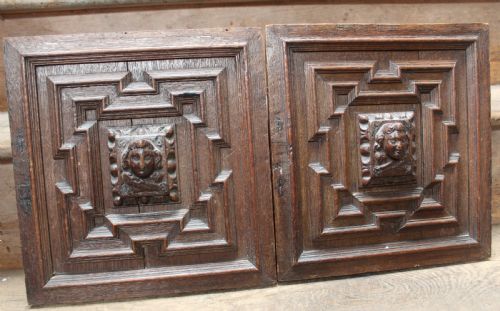
The sophistication of decorative elements, including hand carving, brass mounts, and inlaid borders, distinguishes standard domestic storage from exceptional pieces designed for formal reception rooms.
The Antique Wooden Cabinet Glossary
- Serpentine
- A curved shape curving outward at the ends and inward in the middle, frequently seen on the fronts of higher quality sideboards and cupboards.
- Chinoiserie
- European decorative art emulating Chinese styles, typically involving raised motifs and painted lacquer decoration on furniture surfaces.
- Wellington chest
- A tall, narrow chest of drawers secured by a locking hinged side flap that fastens over the drawer edges.
- Compactum
- A large fitted wardrobe combining hanging space with internal drawers, shelves, and sliding trays.
- Tambour
- A flexible shutter formed of narrow strips of wood glued to canvas, allowing doors to slide smoothly around curved cabinet corners.
Antique Wooden Cabinet: Frequently Asked Questions
Where should I place an antique wooden cabinet?
These cabinets suit dining rooms, living areas, and studies depending on their original function as sideboards, bookcases, or filing units.
Keep them away from direct heat sources and strong sunlight to protect the polished wood surfaces and veneers.
How do I identify the period of a wooden cabinet?
Periods are identified through a combination of timber choice, construction methods, and decorative styles characteristic of eras like Georgian, Victorian, or Edwardian.
Secondary woods, drawer linings, and hardware styles also offer reliable clues to the decade of manufacture.
Can I use an antique filing cabinet in a modern office?
Many Edwardian and early twentieth-century oak and tambour front filing cabinets function well for organising paperwork in contemporary workspaces.
Their robust timber construction ensures they handle daily use while adding warmth to a room.
How do I care for mahogany and walnut cabinets?
Maintain the timber by dusting regularly with a soft, dry cloth and applying appropriate beeswax periodically to nourish the polished surface.
Avoid liquid cleaners and silicone polishes that can damage antique finishes over time.