

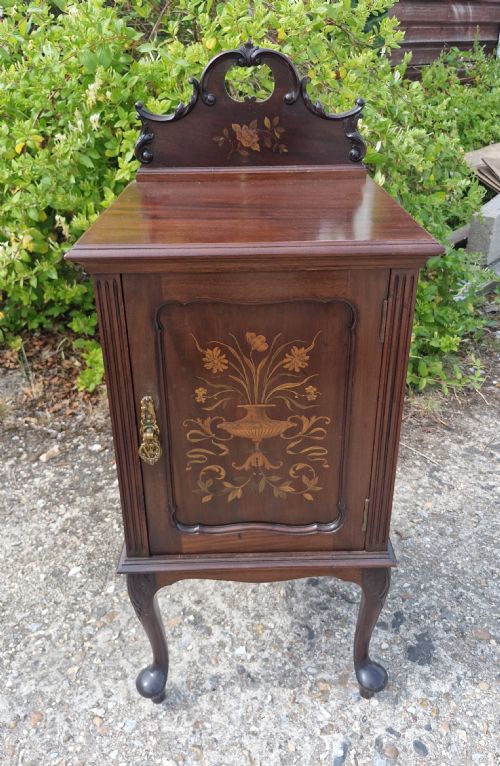


Antique Night Stand
When choosing an antique night stand, buyers discover small-scale bedside cabinets and lamp tables designed to hold nighttime essentials.
Antique Night Stand
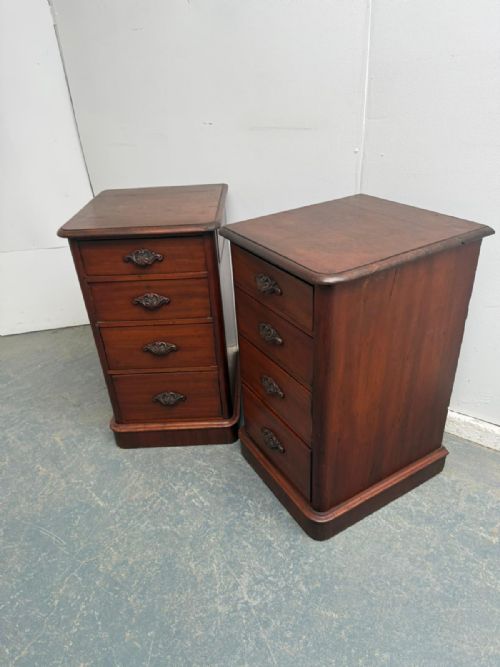
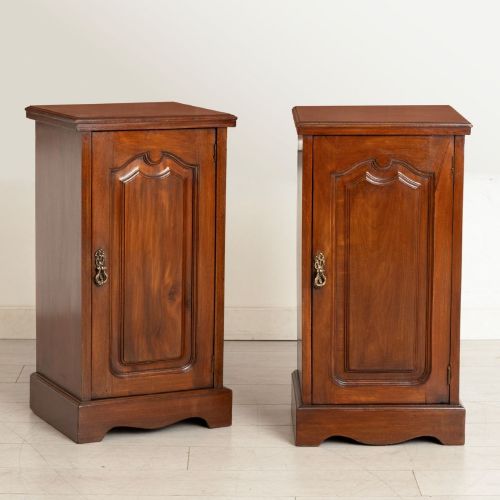
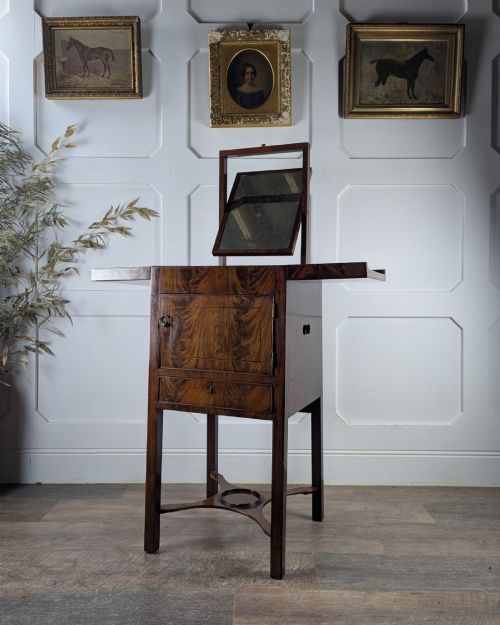
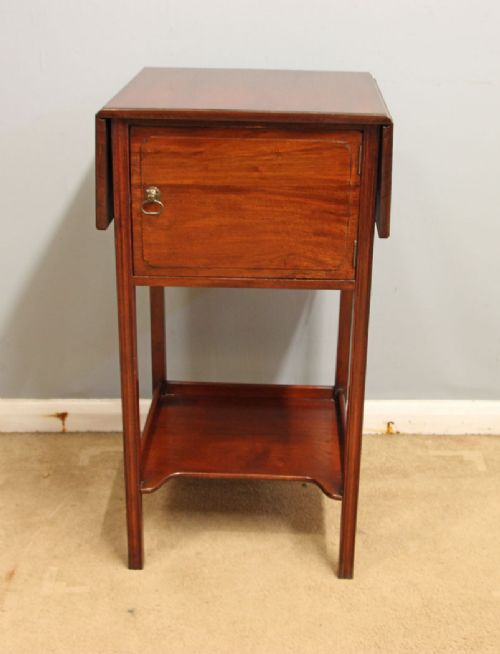
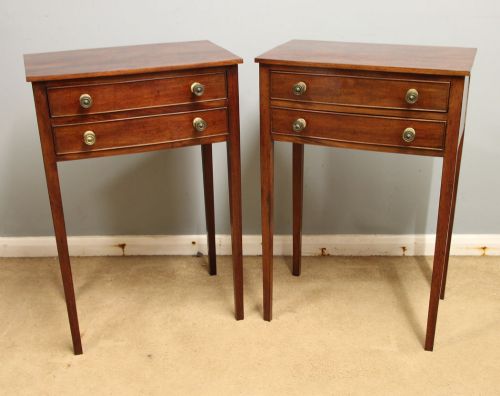
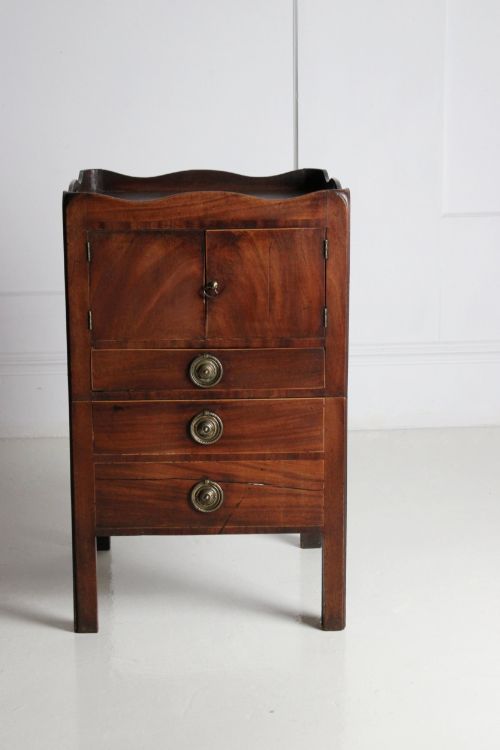
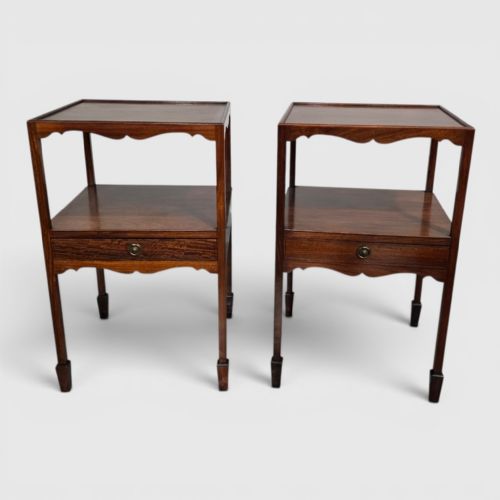
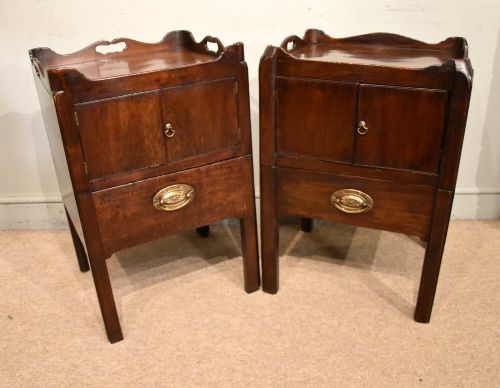
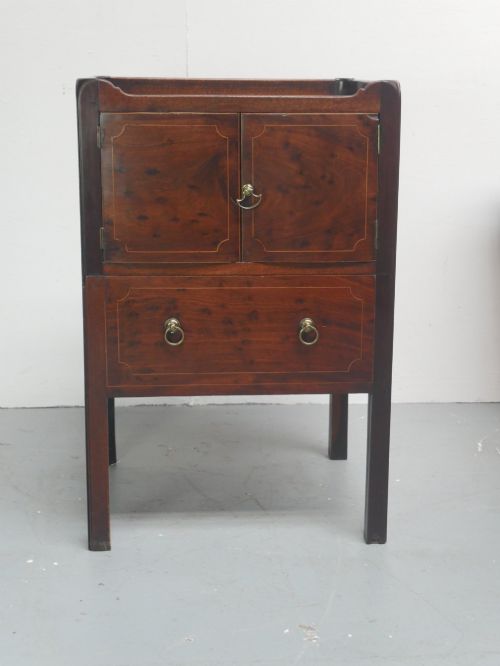
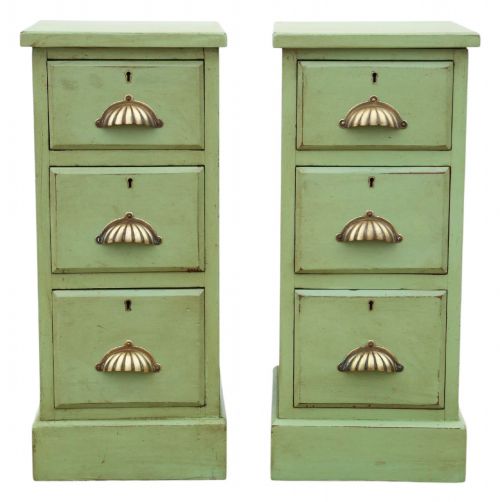
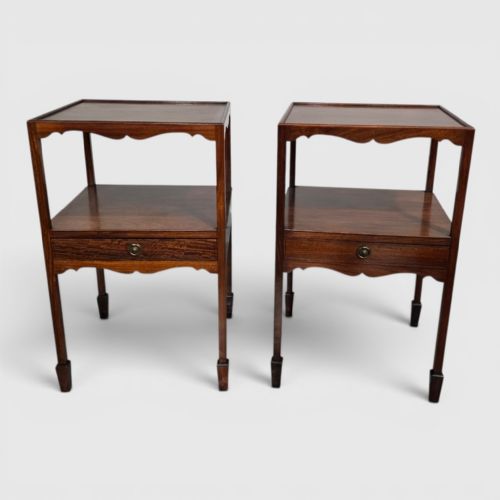
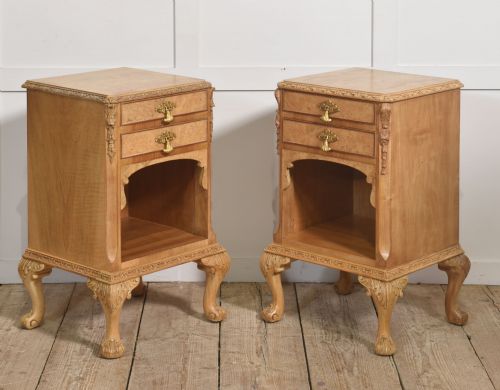
An antique night stand encompasses various bedside forms, including pot cupboards, washstands, small chests, and open lamp tables. The selection ranges from Georgian mahogany designs to later Victorian, Edwardian, and Art Deco walnut pieces.
Buyers frequently encounter pairs or single cabinets originating from English, French, and Italian workshops. These utilitarian pieces served specific bedroom functions before evolving into decorative bedside furniture.
The material palette is dominated by timbers such as mahogany, walnut, and oak, occasionally complemented by marble tops or painted finishes.
How they were made
Cabinetmakers utilised dense hardwoods like mahogany and walnut, frequently selecting figured veneers and burr grains for visible surfaces. Joinery relied on traditional dovetailed drawer construction and framed panels to ensure stability.
Marble inserts appeared on French and continental pieces to provide durable, water-resistant surfaces for washing utensils or lamps. Brass hardware, tambour doors, and inlaid stringing added functional detail to cabinet façades.
Antique Night Stand Retail Price Guide 2026
Typical asking prices for night stand among the pieces listed under this phrase on Sellingantiques today, from the lower quarter to the upper quarter. They describe what is for sale here now, not the wider market.
Listings feature mahogany, walnut, and oak across periods ranging from the Georgian era through Art Deco.
What varies in quality
Quality rests upon timber selection and structural integrity, separating standard utilitarian examples from finer cabinetmaker pieces. Superior items display well-matched grain patterns, crisp carved mouldings, and intact original hardware.
Interior execution distinguishes the tier of manufacture, visible in secondary woods used for drawer linings and the precision of dovetail joints. Surface finish and the preservation of original patination also indicate how carefully a piece was maintained.
Howard And Sons·Gill And Reigate·Gillow And Co
The Antique Night Stand Glossary
- Pot cupboard
- A small enclosed bedside cabinet historically designed to house a chamber pot. These practical units typically feature a single door above or beside a small drawer.
- Tambour
- A flexible sliding shutter formed from narrow vertical strips of wood glued to a canvas backing. This mechanism allowed smooth access to enclosed cabinet compartments.
- Tray top
- A raised rim surrounding the upper surface of a table or stand designed to prevent items from rolling off. This feature appears frequently on Georgian and Regency examples.
- Marquetry
- Decorative veneer work created by fitting together small pieces of tinted wood, shell, or ivory to form pictorial or geometric patterns. It adorns finer French and English cabinets.
- Washstand
- A functional piece featuring a hard surface, sometimes fitted with marble or cutouts for basins, used for morning ablutions before plumbing moved indoors.
Antique Night Stand: Frequently Asked Questions
How were antique night stands originally used?
These pieces served practical bedside functions, holding chamber pots, washbasins, candles, or pocket watches before modern electrification.
Cabinet interiors and enclosed cupboards kept personal belongings concealed and organised within reach of the bed.
Are antique bedside tables usually found in pairs?
Many examples survive as matching pairs, though single cabinets appear frequently due to the layout of older bedrooms.
Pairs often command greater interest from buyers seeking symmetrical arrangements on either side of a bed.
How do I identify a Georgian night stand?
Georgian pieces typically feature solid mahogany construction, restrained proportions, and details such as tray tops or tambour doors.
They rely on clean architectural lines rather than heavy carving or applied decorative veneers.
How should I care for a marble top?
Marble surfaces benefit from regular wiping with a damp cloth and mild soap to remove dust and prevent staining.
Avoiding acidic liquids protects the polished stone from etching over time.