


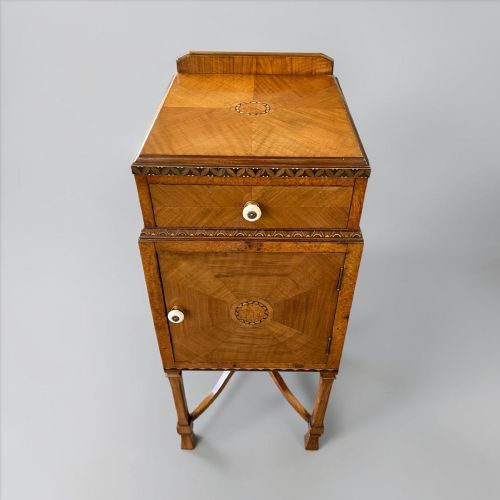
Vintage Nightstands
These vintage nightstands span decades from Victorian to Art Deco, offering practical bedside storage crafted in mahogany, walnut, and satinwood.
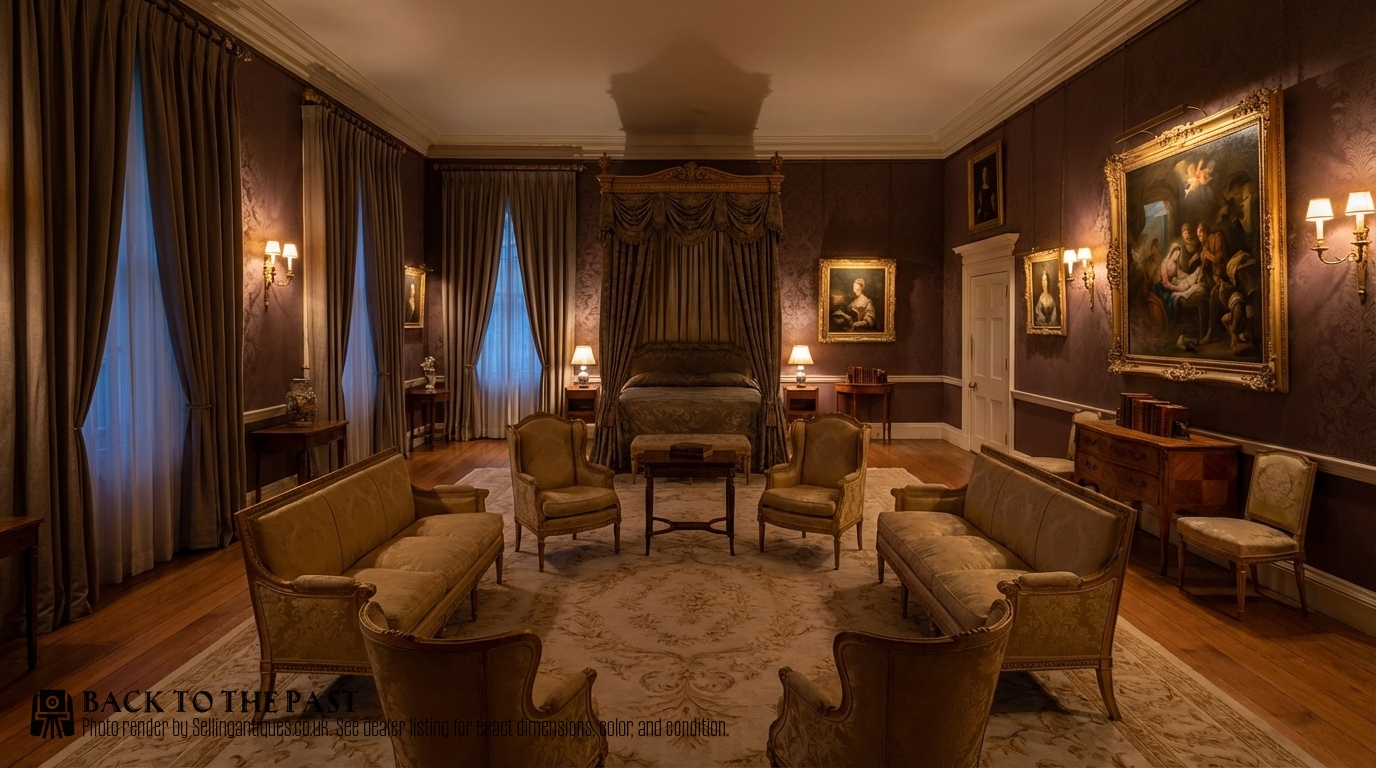
Vintage Nightstands
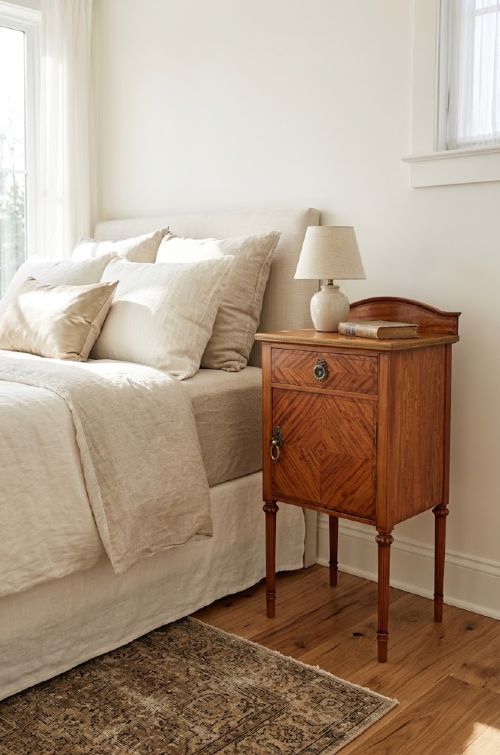
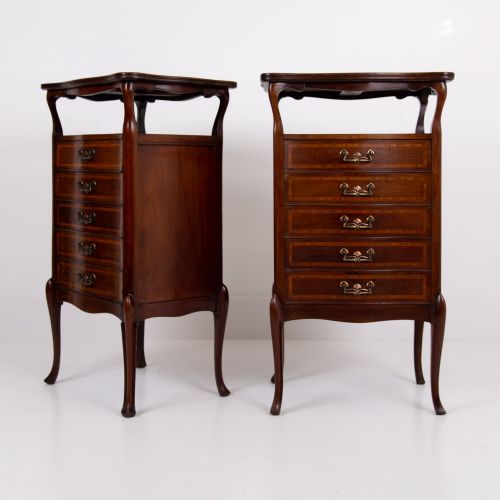
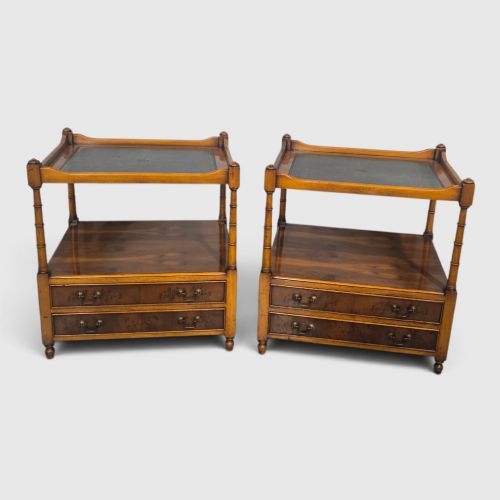
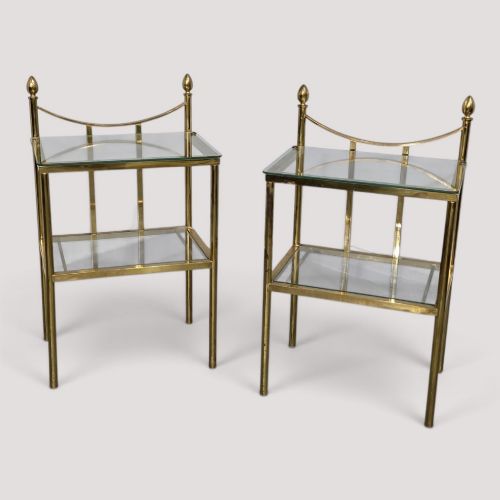
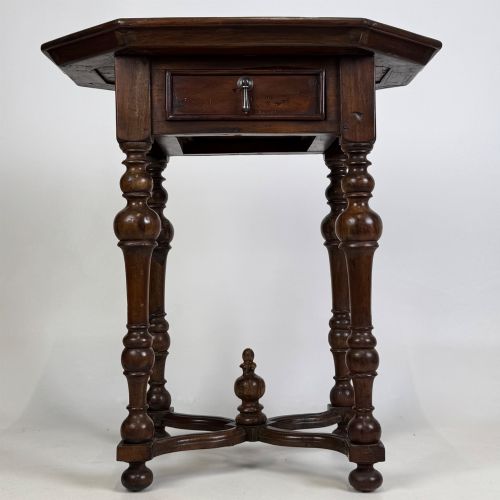
When you search for vintage nightstands, you encounter bedside cabinets, tables, chests, and small side cupboards spanning the nineteenth and twentieth centuries. These pieces serve beside a bed to hold lamps and books while bringing period character to a bedroom.
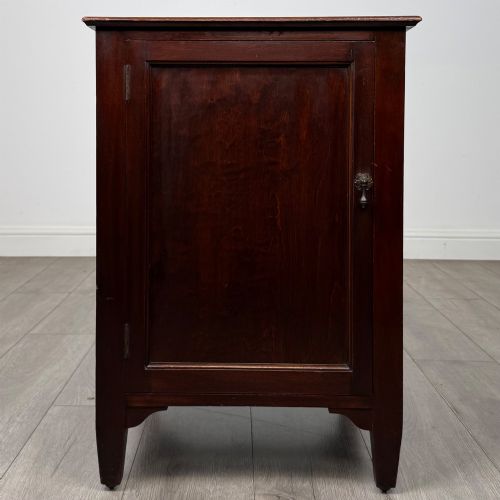
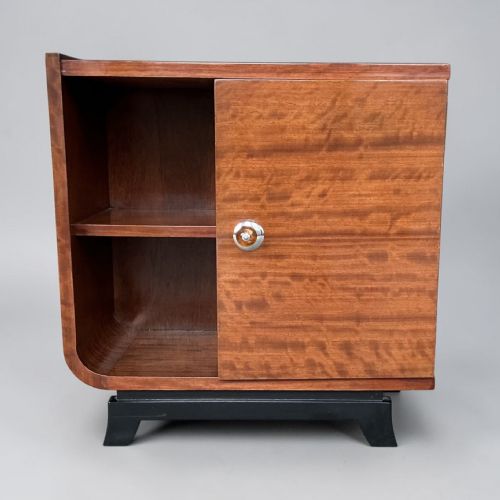
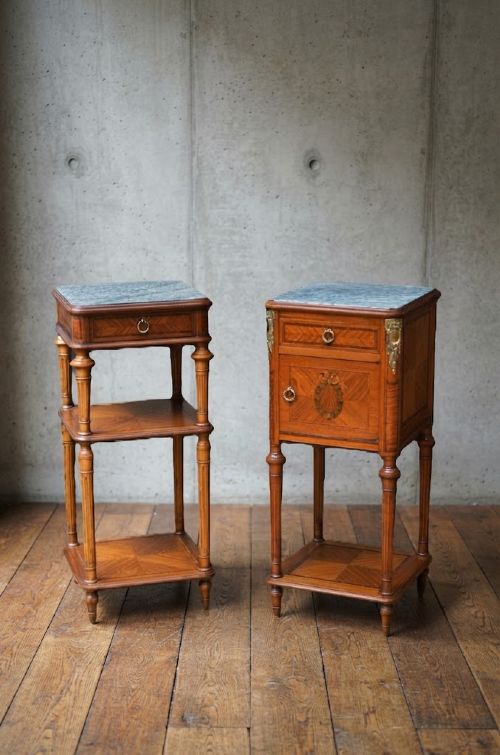
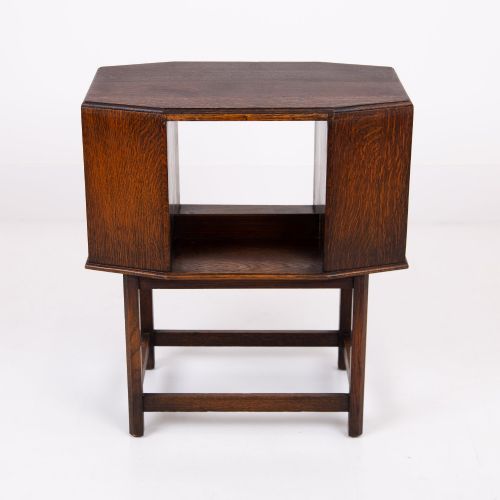
The selection ranges from simple Edwardian oak cupboards to polished Art Deco walnut and mahogany tables from the nineteen-thirties. You also find French marquetry pieces and marble-topped cabinets designed for similar bedside use.
How they were made
Cabinetmakers constructed these pieces using solid timbers like mahogany, oak, walnut, and satinwood, frequently applying decorative veneers or marquetry details. Brass handles, ormolu mounts, and inset marble tops appear across various styles from Victorian to Art Deco.
Joinery techniques involve dovetailed drawers and panelled doors built to withstand daily use. Waxed finishes protect the wood while highlighting natural grain patterns.
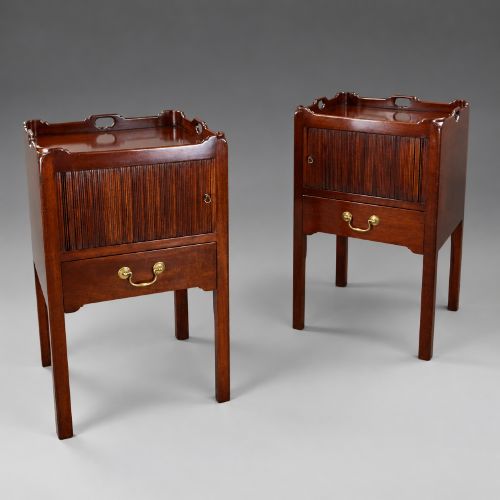
Some nineteenth-century bedside cabinets included clever compartments specifically designed to house chamber pots out of sight.
What varies in quality
The standard of craftsmanship shows in the selection of timber figures, such as book-matched walnut or fine satinwood veneer. Superior examples display precise marquetry, tight joinery, and original brass or ormolu hardware.
Proportion and utility also separate pieces, with well-balanced dimensions and smooth-running drawers marking out finer examples from simpler utilitarian cupboards.
François Linke
The Vintage Nightstands Glossary
- Marquetry
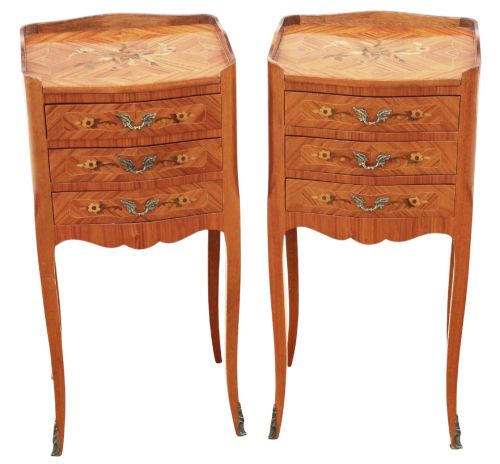
- Decorative patterns formed by fitting together small pieces of wood veneer. This technique appears frequently on French bedside tables.
- Ormolu
- Gilded bronze mounts applied to furniture. It is often found on nineteenth-century French cabinets.
- Satinwood
- A durable timber with a golden sheen used for fine Edwardian bedside cabinets. It provides a bright surface for inlay.
- Bedside cupboard
- A small cabinet with a door enclosing shelf space next to a bed. These keep nighttime items enclosed.
Vintage Nightstands: Frequently Asked Questions
How do I choose a vintage nightstand?
Consider the height of your bed and the space available beside it. Match the period style, such as Art Deco walnut or Victorian mahogany, with your existing bedroom furniture.
Think about whether you prefer an open bedside table for lamps or a cabinet with drawers to keep items hidden away.
Are these nightstands practical for daily use?
Most of these pieces were built for everyday storage in bedrooms. Cupboards and drawers provide functional space for books, glasses, and personal items.
Marble-topped versions offer durable surfaces that resist moisture from water glasses and lamps.
How do I tell Edwardian pieces apart from Victorian ones?
Victorian nightstands tend to use darker solid woods like heavy mahogany and often feature robust, carved details. Edwardian pieces frequently employ lighter timbers such as satinwood and feature inlaid decoration.
Proportions also shift, with Edwardian items often appearing more slender and refined than earlier Victorian counterparts.
What is the difference between a bedside table and a cabinet?
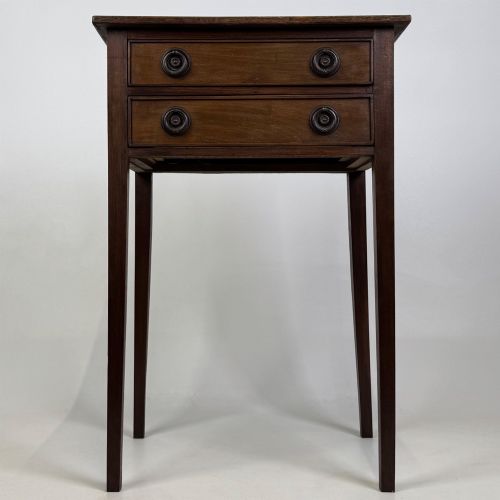
A bedside table is typically an open frame with legs, sometimes featuring a lower shelf for books. They create an airy feel in smaller bedrooms.
A bedside cabinet or cupboard encloses storage behind a door or within drawers, keeping the bedside surface tidy and clutter-free.