
Vintage Side Tables
These vintage side tables offer practical surfaces paired with enduring timber craftsmanship, spanning styles from Victorian to Art Deco.
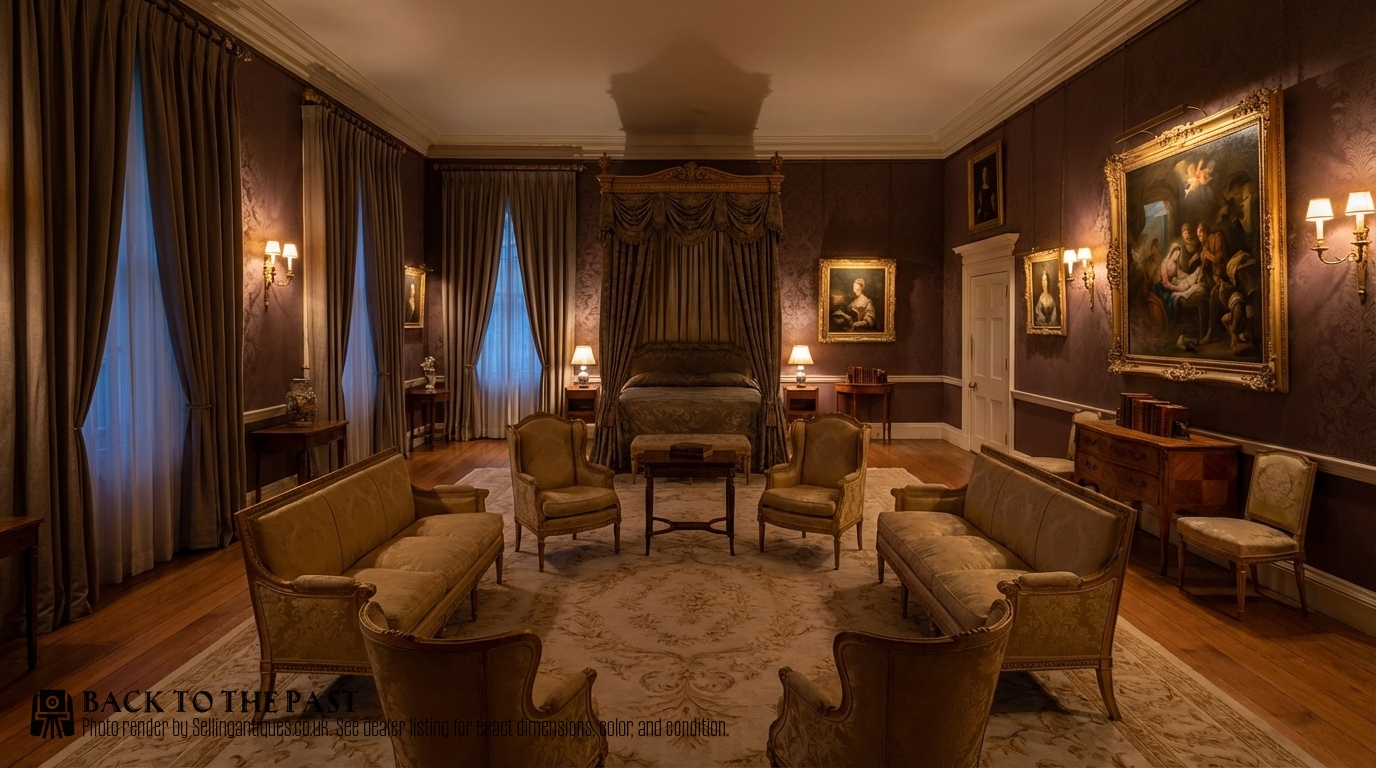
Vintage Side Tables
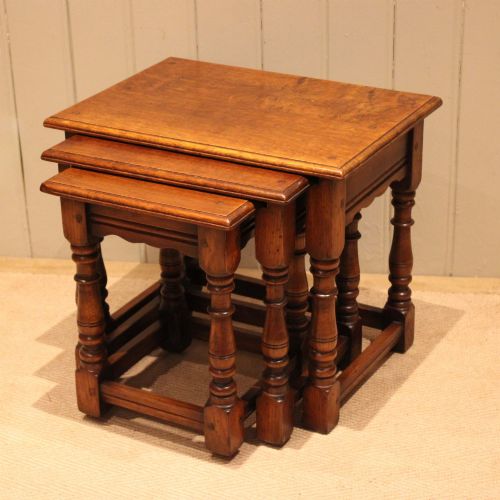
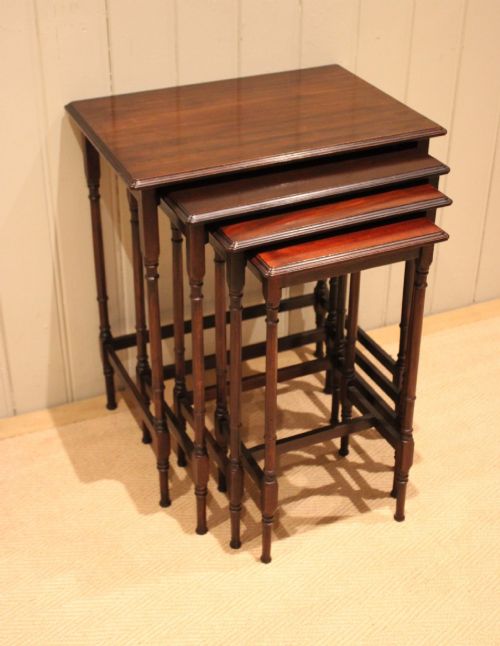
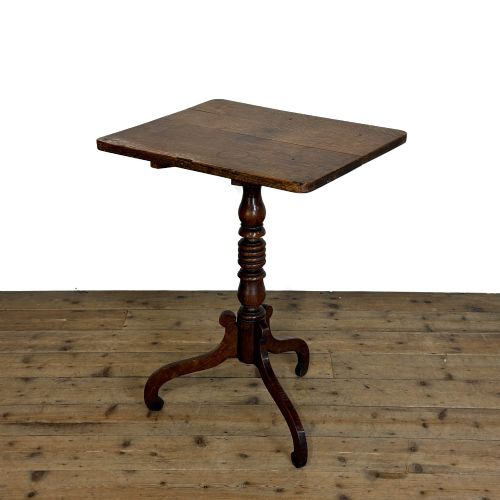
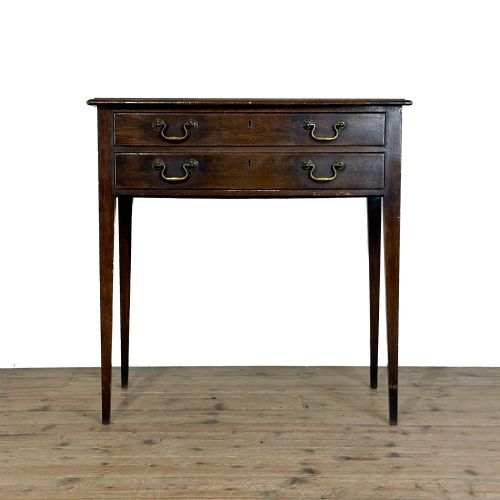
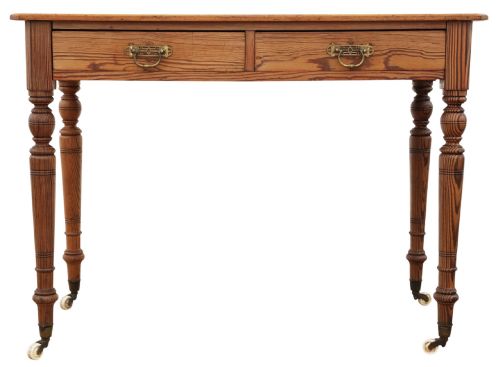
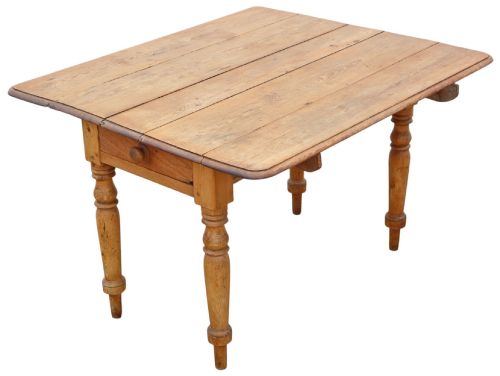
Vintage side tables encompass a broad spectrum of occasional furniture designed to sit quietly beside seating or within alcoves. When searching for vintage side tables, buyers encounter forms ranging from compact wine tables and nests of three to robust lowboys and oak occasional pieces.
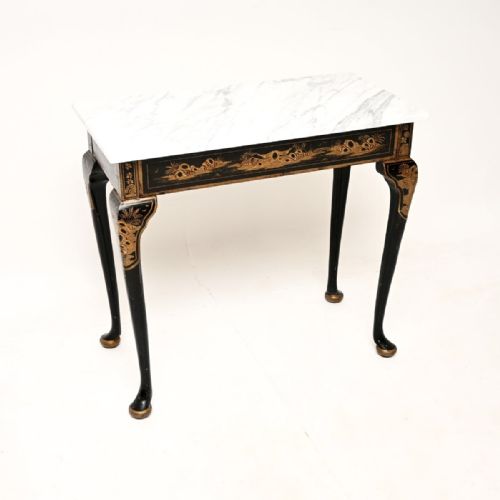
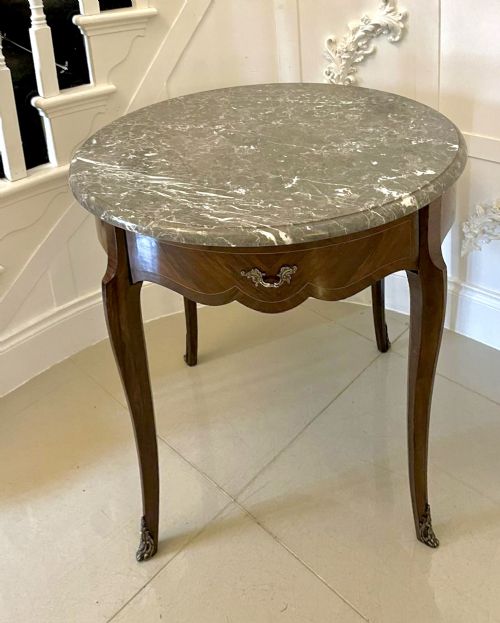
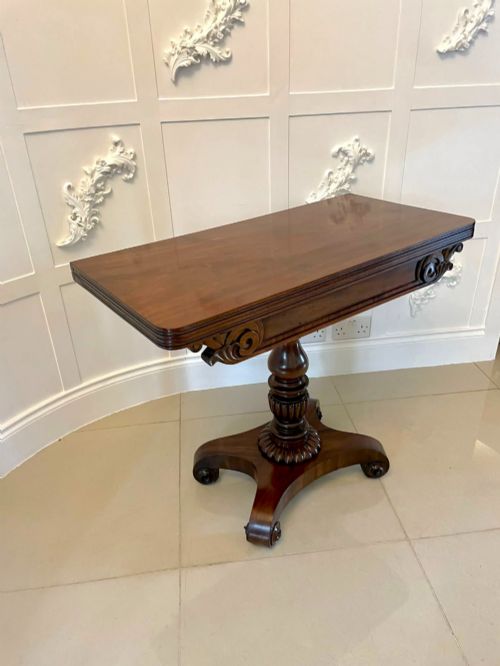
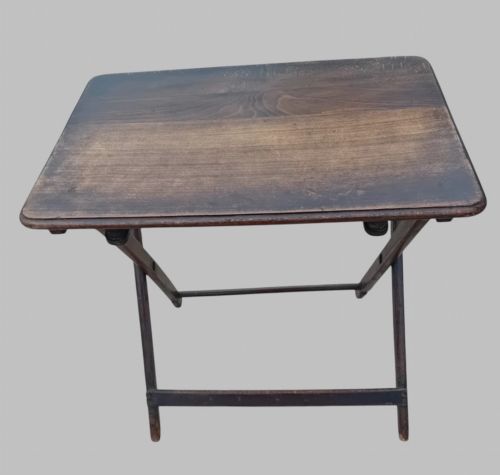
The selection draws heavily upon nineteenth-century and early twentieth-century traditions, featuring Edwardian mahogany, Victorian rosewood, and solid oak constructions. Examples stretch from simple folding campaign pieces to ornate French marquetry cabinets and marble-topped centre tables.
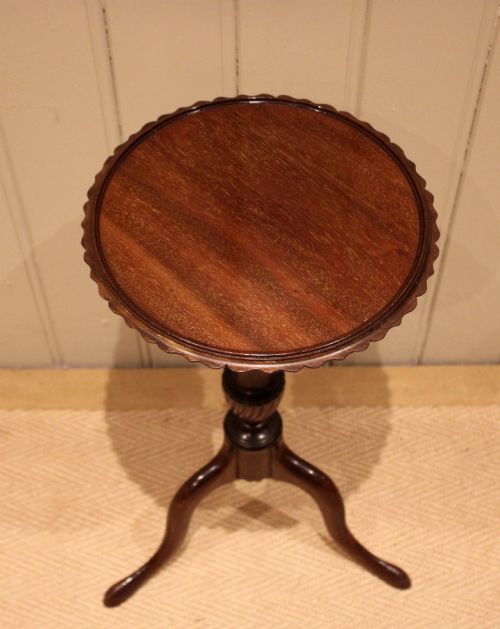
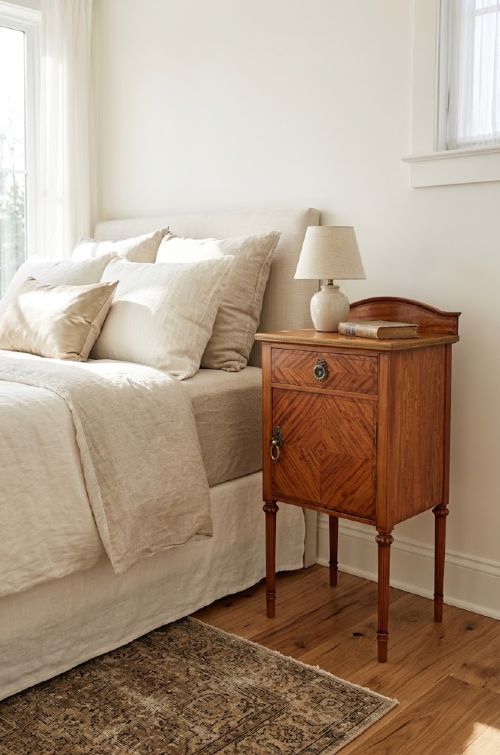
Domestic utility dictates the physical scale of these items, with many pieces serving historically as nightstands, dumbwaiters, or plant stands. The current offerings maintain this functional variety, providing adaptable surfaces suited to contemporary rooms.
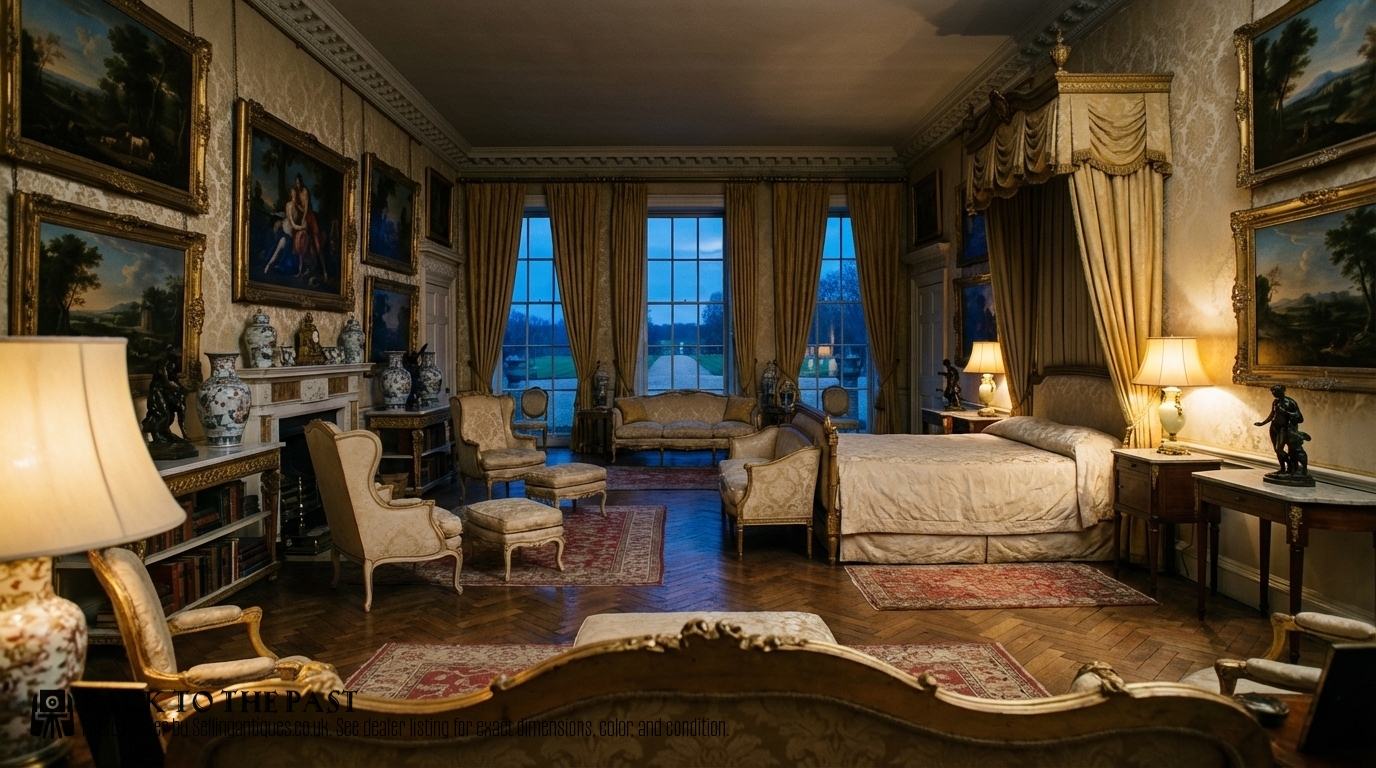
Materials and construction methods
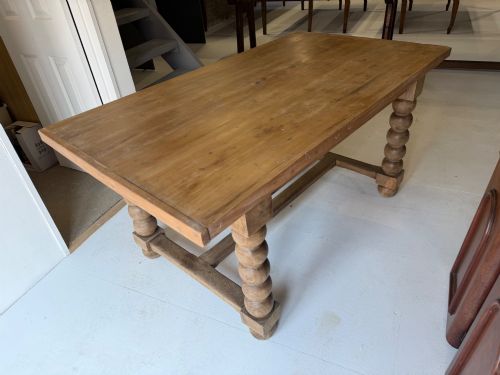
Cabinet makers relied primarily on dense hardwoods such as mahogany, oak, and walnut, often applying figured veneers or marquetry inlay to enhance visual depth. Beech frequently served for structural elements or turned supports like bobbin legs and barley twists.
Surface treatments included French polishing, lacquering, and painted scumble finishes, complemented by brass mounts, glass inserts, and inset marble slabs. Joinery techniques prioritized stable framing, visible in dovetail drawers and robust pedestal mountings.
Vintage Side Tables Retail Price Guide 2026
Typical asking prices for vintage side tables among the pieces listed under this phrase on Sellingantiques today, from the lower quarter to the upper quarter. They describe what is for sale here now, not the wider market.
Pub tables made of cast iron rub shoulders with refined French marquetry, proving that Victorians enjoyed a pint just as much as a parlour game.
Assessing craftsmanship and finish
Quality rests upon the selection of timber and the precision of the underlying joinery, where finely figured mahogany or matched walnut veneers distinguish finer workshop output from utilitarian items. The crispness of carved details, such as turned barley twists or applied brass mounts, reveals the maker's hand.
Originality of surface finish remains paramount, with undisturbed patina and patinated French polish elevating a piece above later refinishing efforts. Structural integrity in weight-bearing elements, such as pedestal tilt-tops and drop-leaf hinges, governs daily utility.
The Vintage Side Tables Glossary
- Marquetry
- Decorative veneer work arranged in pictorial patterns using various coloured woods. This technique adorns many French tables.
- Lowboy
- A small occasional table with drawers, typically raised on four legs. These date predominantly from the eighteenth and nineteenth centuries.
- Dumbwaiter
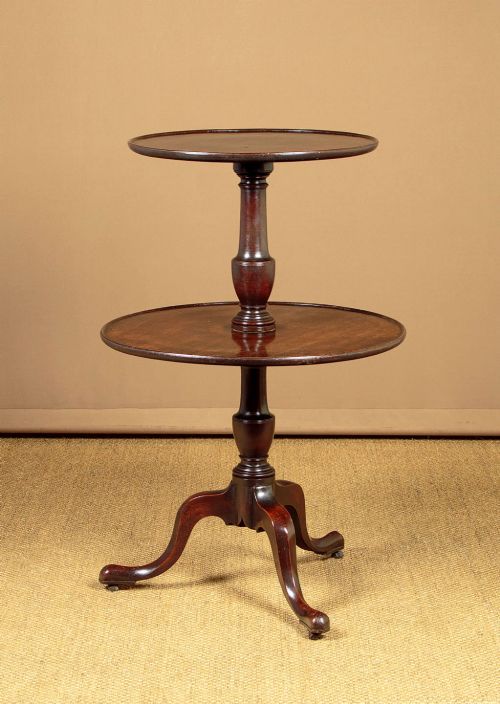
- A tiered freestanding stand used historically for serving food or holding objects. Examples often feature revolving circular shelves.
- Bobbin leg
- A turned furniture leg shaped to resemble a string of bobbins or spools. This style appears frequently on nineteenth-century oak and beech pieces.
- Pembroke table
- A drop-leaf table with hinged flaps on either side. It generally includes a single drawer and slender legs.
Vintage Side Tables: Frequently Asked Questions
How do I use a side table in a modern room?
These tables provide convenient surfaces next to armchairs or sofas for lamps, books, and daily items. Their compact footprints allow them to fit easily into smaller spaces or hallways.
Nests of tables offer flexible staging that can be expanded when entertaining and stacked away afterward. Placing a marble-topped piece in a hallway creates an immediate focal point.
What is the difference between an occasional table and a side table?
Occasional tables generally describe movable pieces intended for specific, intermittent tasks rather than permanent placement. Side tables often remain stationary beside seating furniture or against walls.
In practice, historical makers used these terms interchangeably depending on the domestic role assigned to the item.
How do I identify an Edwardian table?
Edwardian pieces often display lighter proportions, drawing inspiration from Sheraton and Georgian revivals. Satinwood inlay, lighter oak finishes, and simplified neoclassical lines frequently characterise the period.
Makers of this era favoured practicality alongside refined decorative detailing, resulting in accessible and elegant occasional furniture.
Were nests of tables popular in the nineteenth century?
Nests of tables gained widespread production during the late nineteenth and early twentieth centuries as homes required flexible furniture. Oak and mahogany sets from the nineteen-twenties are particularly prevalent.
They allowed multiple surfaces to occupy the floor space of a single small table until needed.