

Period Bedroom Furniture
Period bedroom furniture brings centuries of solid timber and honest storage to a room, led by mahogany and oak chests.
Period Bedroom Furniture
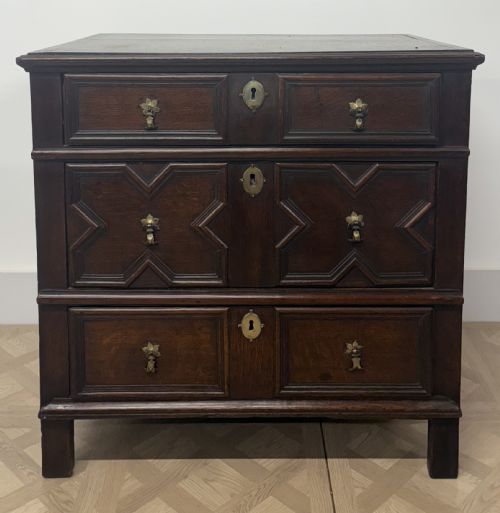
When you search for period bedroom furniture, you encounter substantial wooden pieces intended for personal chambers across several centuries. The selection spans robust seventeenth-century oak chests through to refined eighteenth-century mahogany designs and nineteenth-century wardrobes.
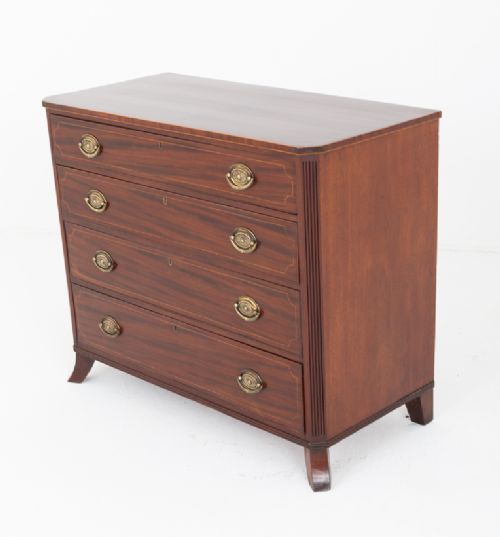
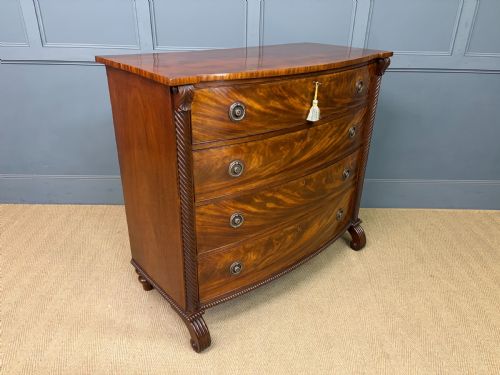
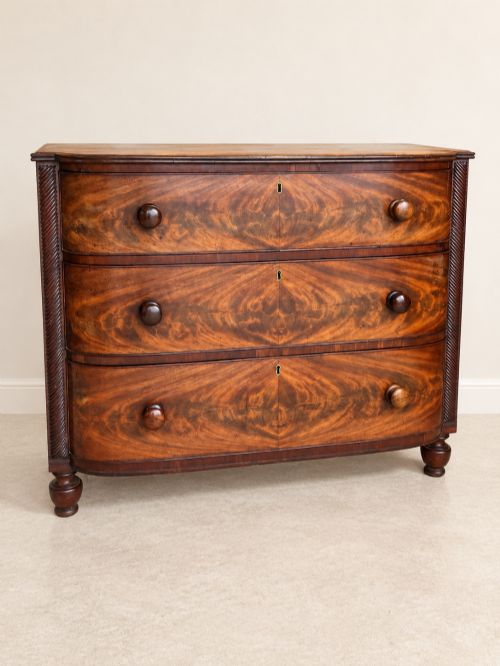
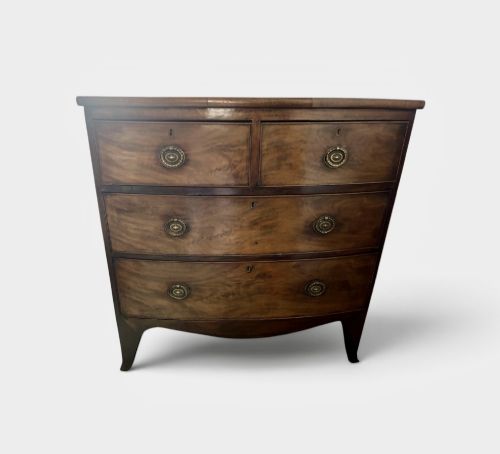
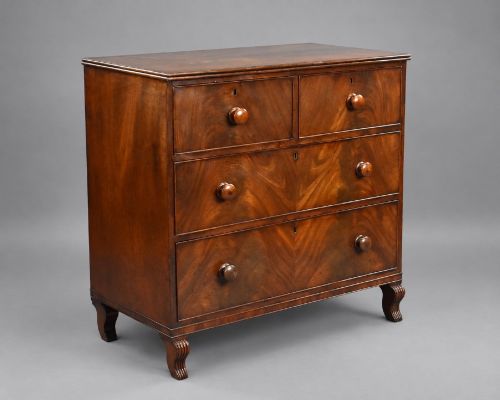
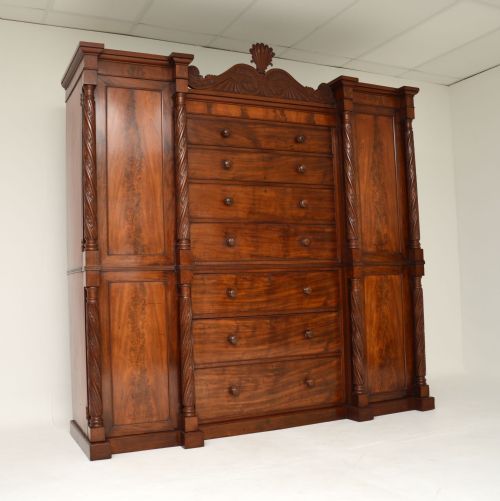
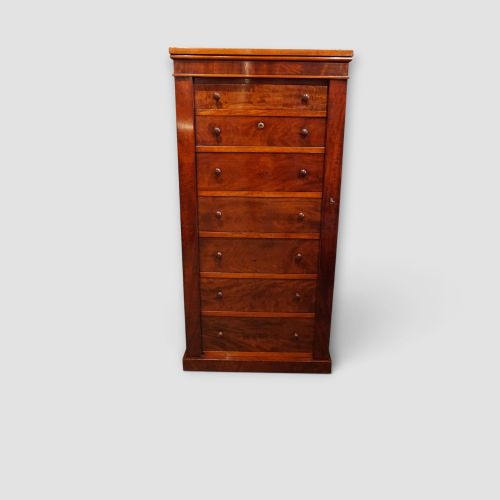
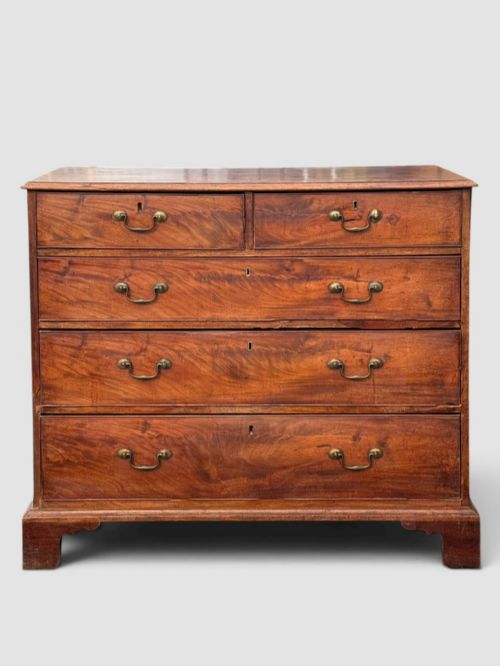
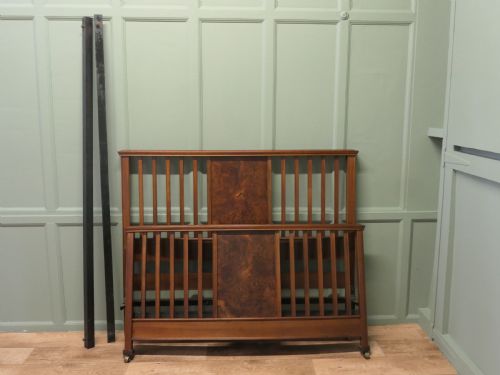
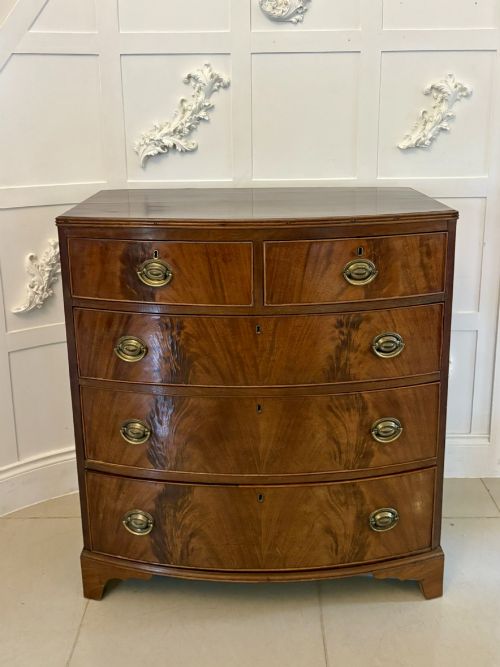
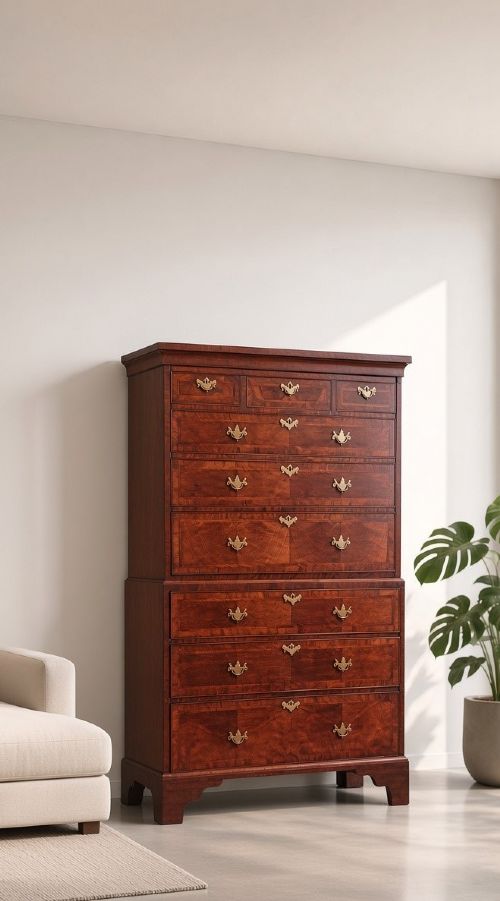
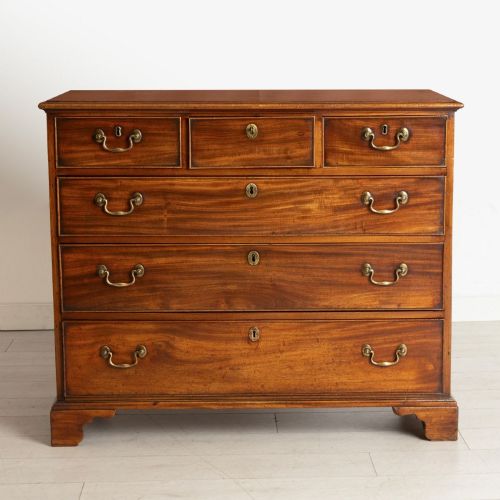
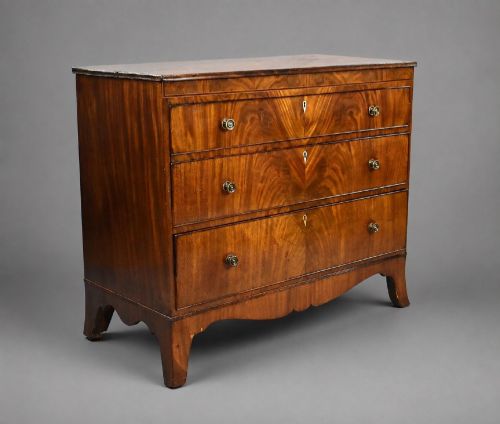
Chest of drawers forms dominate the offerings, appearing in straight-front, bow-front, and tall chest-on-chest configurations. Alongside these storage pieces, you find occasional beds, wardrobes, dressing tables, and compactums spanning the Georgian, Regency, and Victorian eras.
Materials and construction
Cabinet makers relied primarily on native and imported timbers, shaping solid oak in earlier decades before shifting to rich mahogany and walnut veneers. Flame mahogany and burr walnut selections display distinctive grain patterns across drawer fronts, while secondary woods like pine appear in concealed structural areas.
Hardware such as brass handles and working locks provide functional contrast to the timber surfaces. Joinery techniques reflect the period of origin, from seventeenth-century frame and panel construction to precise dovetail joints on Georgian drawers.
Periods represented span from the seventeenth century through the Georgian, Regency, and Victorian eras up to Edwardian times.
Judging quality
Quality rests upon the selection of timber veneers and the crispness of the cabinet work. Superior examples exhibit well-matched grain patterns, original brass hardware, and timber with a deep, undisturbed surface patina.
Proportion and structural integrity distinguish finer pieces from standard utilitarian items. Drawers that run smoothly within their openings and feet that retain their original form indicate superior craftsmanship.
Harris Lebus
The Period Bedroom Furniture Glossary
- Bow front
- A convex curved cabinet front that projects outward at the centre. This curved profile is frequently seen on Regency and Georgian chests of drawers.
- Chest on chest
- A tall storage unit formed by stacking a smaller chest of drawers directly on top of a larger base chest. These pieces maximise vertical storage space.
- Compactum
- A large fitted wardrobe or combination piece containing hanging space, shelves, and internal drawers. They provide comprehensive bedroom storage.
- Patina
- The surface sheen and colour acquired by wood over decades of handling, light exposure, and waxing. It serves as an indicator of age and careful preservation.
- Serpentine
- A shaped furniture front featuring a concave centre flanked by convex outer curves. This flowing outline requires advanced woodworking skill.
Period Bedroom Furniture: Frequently Asked Questions
What periods do these pieces cover?
The selection spans from the seventeenth century through the Georgian and Regency eras into the Victorian and Edwardian periods. Pieces date across these centuries with distinct regional and stylistic changes.
Earlier items utilise solid oak with geometric mouldings, while later pieces favour mahogany, walnut, and satinwood veneers with refined proportions.
How do I identify a chest on chest?
A chest on chest consists of two separate drawer sections stacked vertically, with the upper chest narrower than the lower base. This form creates significant storage capacity without taking up excessive floor space.
They appear frequently in eighteenth-century walnut and mahogany configurations.
Are original handles important?
Original brass handles and backplates contribute to the integrity and character of a piece. Their presence indicates that the furniture retains its initial hardware configuration.
Replacements do occur across centuries of use, though period-appropriate brassware remains acceptable to many collectors.
What is a compactum wardrobe?
A compactum is a combined wardrobe and storage unit designed to hold various garments in one footprint. They integrate hanging space alongside internal drawers and shelving.
These versatile pieces emerge more frequently in later nineteenth and early twentieth-century listings.
How should I care for antique wood?
Antique timber benefits from stable room environments away from direct heat sources and strong sunlight. Regular dusting with a soft cloth preserves the surface finish.
Applying occasional appropriate wax feeds the grain and maintains the natural patina.