


Locking Flap Chest Drawers
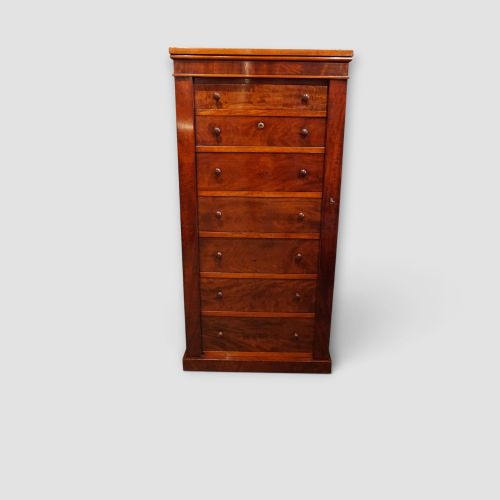
Locking flap chest drawers are tall, narrow cabinets designed for security, and collectors prize them for clever concealed mechanisms.
Locking Flap Chest Drawers
When you search for locking flap chest drawers, you are looking at tall, narrow storage pieces where a vertical locking side flap secures every drawer at once. The evidence on this page shows these pieces appearing most frequently from the Victorian period, alongside Regency examples and later pieces from nineteen twenty.
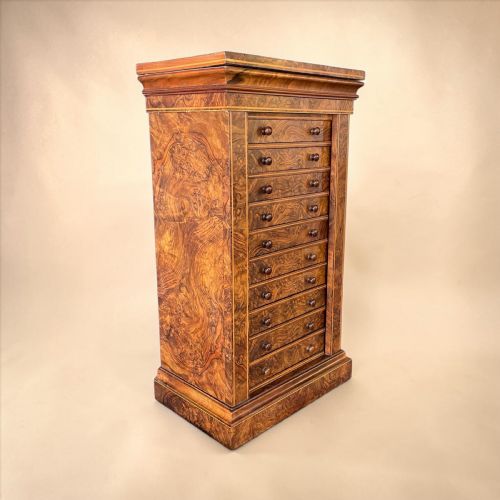
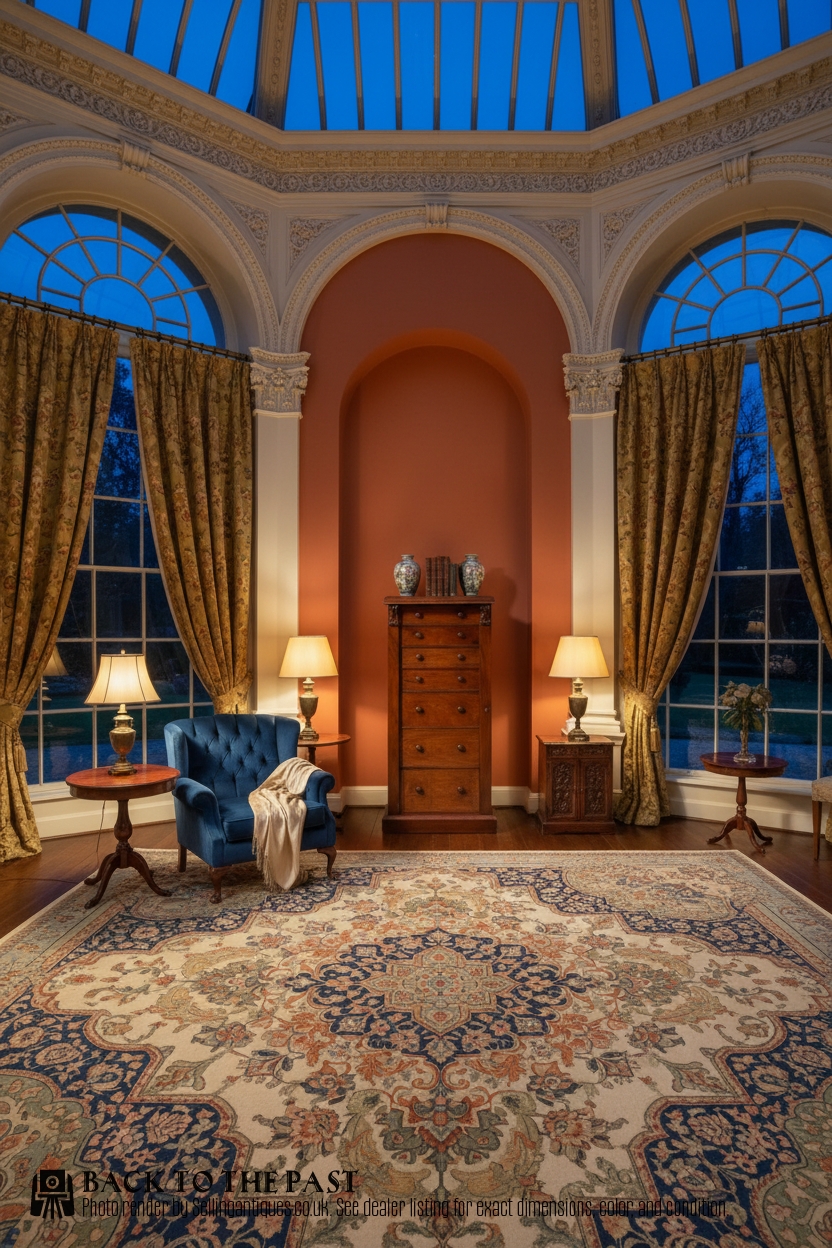
The primary form seen here is the Wellington chest, built specifically with this side-locking stile mechanism. These cabinets typically stand high and slim, offering multiple internal drawers beneath a top surface, often paired with a secretaire drawer that includes a hinged fall front.
How they were made
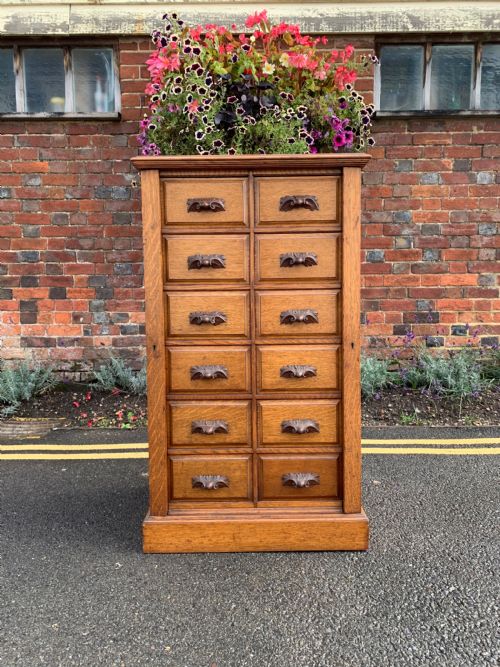
Cabinet makers constructed these chests using solid timber frames faced with decorative veneers. The evidence records primary construction in mahogany, rosewood, oak, and walnut.
Surfaces frequently display figured grain patterns, utilising flame mahogany veneer, walnut veneer, and burr walnut. Metal components such as brass provide structural locking hardware and drawer handles.
A secret lock hidden behind the swinging flap ensures nobody borrows your stationery without permission.
What varies in quality
Quality in these pieces rests upon the selection of timber and the precision of the locking mechanism. Finer examples display carefully matched veneer grains across the drawer fronts and side flaps, whilst simpler builds rely on plain timber.
The execution of the secondary writing surface also determines distinction. Pieces incorporating a smoothly functioning hinged fall secretaire alongside the primary drawer stack demonstrate higher cabinet-making ambition.
Druce & Co.
The Locking Flap Chest Drawers Glossary
- Wellington chest
- A tall, narrow chest of drawers secured by a hinged vertical locking flap on one side. This flap engages with the drawer edges to prevent opening when locked.
- Secretaire
- A desk drawer featuring a drop-down or hinged fall front that reveals writing surfaces and small internal compartments. It combines chest storage with a compact writing desk.
- Veneer
- A thin layer of figured wood applied over a secondary timber base to create decorative exterior surfaces. Flame mahogany and burr walnut are common examples.
- Stile
- The vertical outer member of a frame, which in these chests serves as the hinged locking flap securing the drawers when shut.
Locking Flap Chest Drawers: Frequently Asked Questions
What is a locking flap chest?
A locking flap chest is a tall, narrow cabinet where a vertical side stile swings across the drawer edges. Engaging a key locks this flap in place, securing every drawer simultaneously.
This clever design originated to keep private papers and valuables safe without needing individual locks on every single drawer.
How do these chests work?
The mechanism relies on a hinged side flap that overlaps the drawer margins when closed. Turning the key engages a bolt that holds this flap firmly against the drawer stack.
Opening the flap requires unlocking the side stile first, which then swings clear to allow any individual drawer to pull open.
Are these pieces Victorian?
The majority of examples seen here date from the Victorian era, spanning the nineteenth century. Cabinet makers produced these tall storage units extensively during this period in various timbers.
Some examples also reflect Regency design influences or later early twentieth century production dates.
What is a secretaire drawer?
A secretaire drawer is an upper drawer fitted with a hinged fall front that drops down to form a writing ledge. Inside, you typically find small pigeonholes and tiny drawers for stationery.
This feature turns a standard tall chest into a compact bureau while maintaining the exterior appearance of a regular drawer.