
Victorian Furniture
Victorian furniture brings enduring craftsmanship and diverse regional styles into a room, offering practical utility alongside distinct nineteenth-century character.
Victorian Furniture
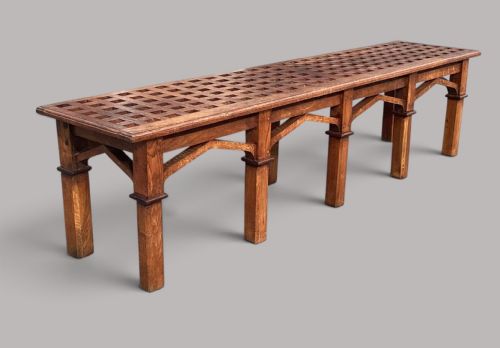
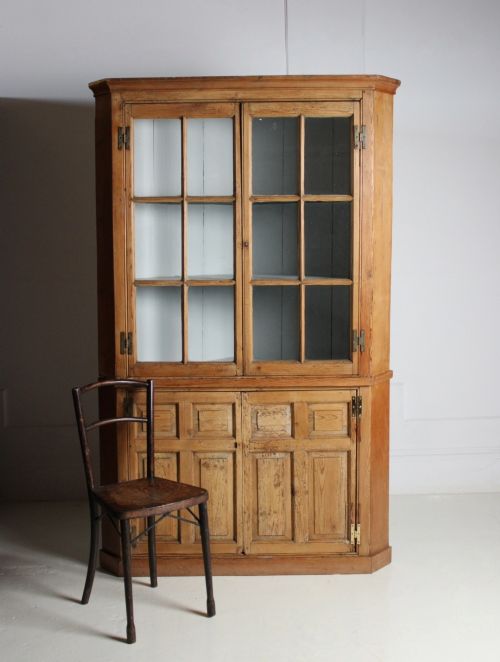
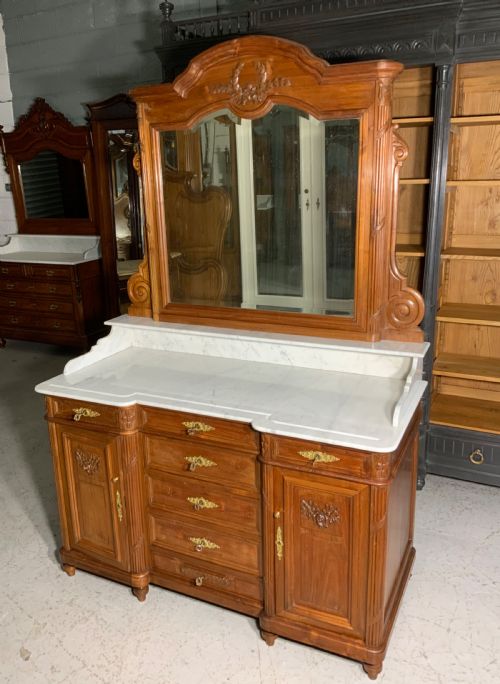
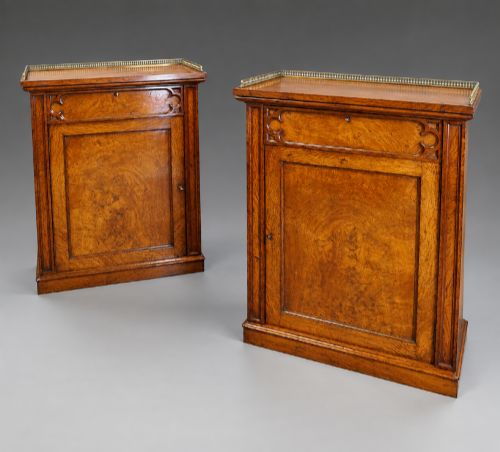
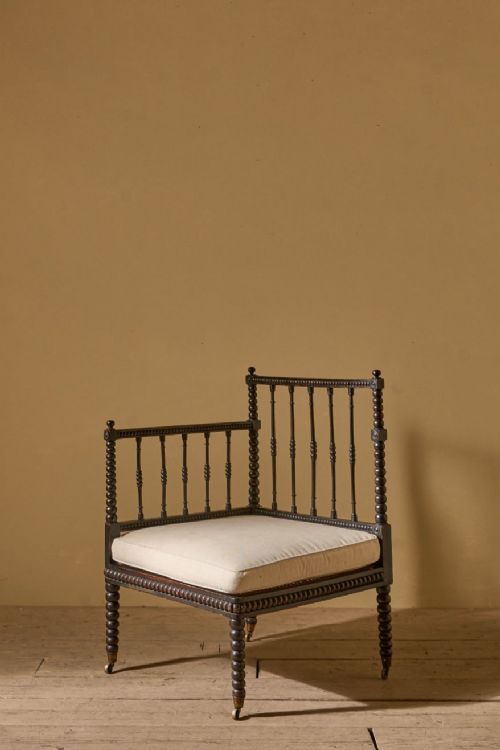
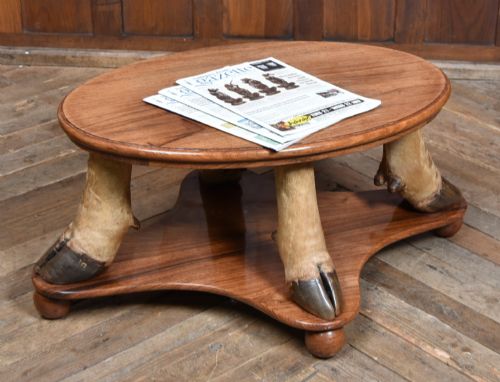
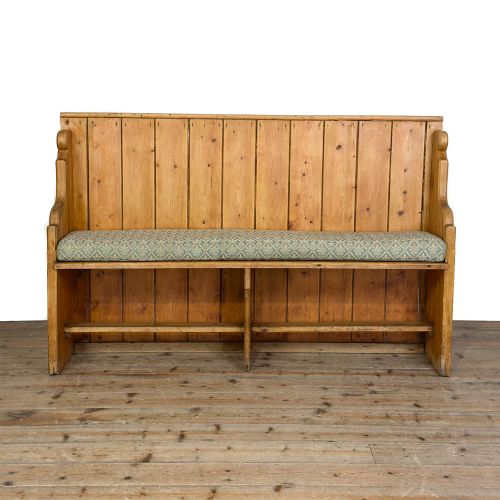
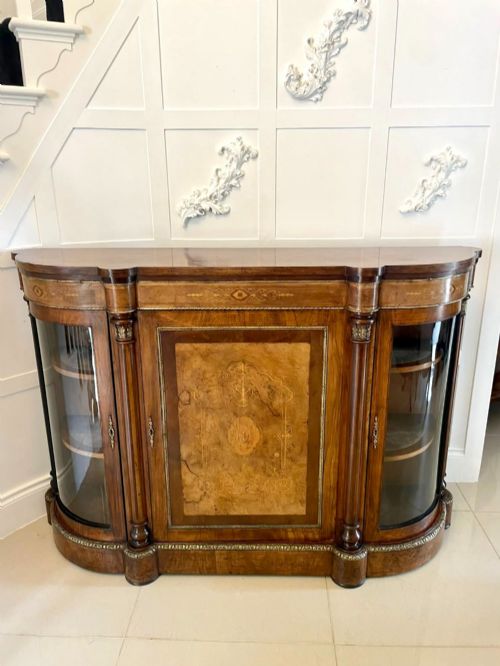
When you search for Victorian furniture, you encounter a broad array of domestic items ranging from robust mahogany chests of drawers and burr walnut sideboards to occasional tables, bookcases, and seating. These pieces originate primarily from the nineteenth century and encompass various regional forms, including English country pieces, campaign items, and Anglo-Indian colonial works.
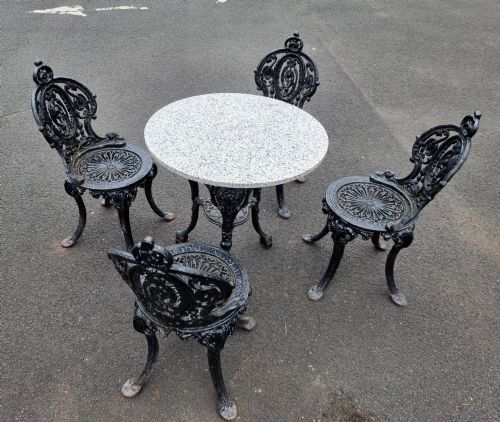
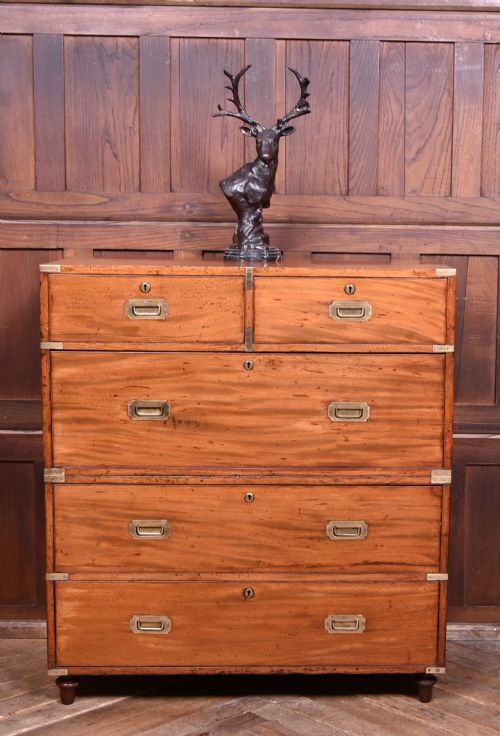
Alongside standard domestic items, the inventory includes specialised forms like campaign chests, day beds, and towel rails alongside cast-iron garden seating. Each piece reflects the material priorities and spatial demands of nineteenth-century households.
How they were made
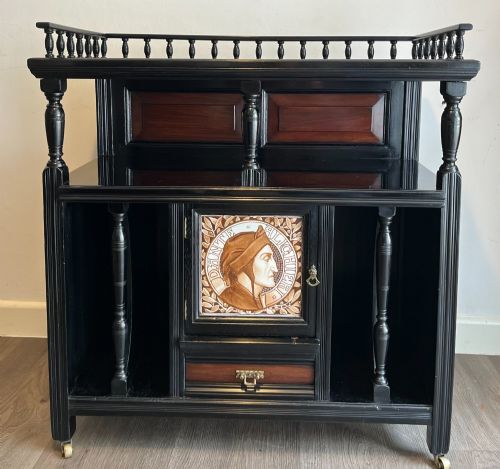
Cabinetmakers utilised dense hardwoods such as mahogany, walnut, and oak for structural integrity and refined surface finishes, often applying burr walnut veneers or ebonised treatments for visual depth. Brass handles, corner brackets, and ormolu mounts provided both structural reinforcement and decorative contrast, particularly on campaign pieces and freestanding centre tables.
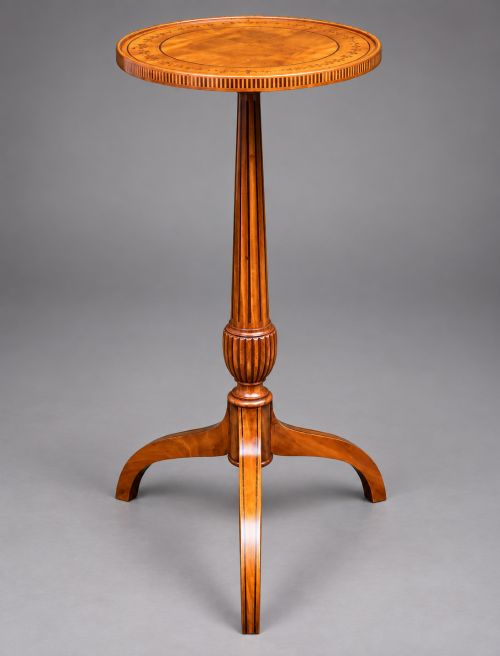
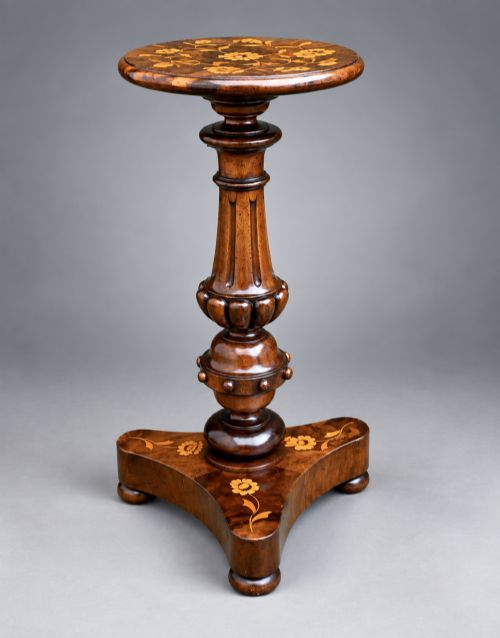
Surface decoration involved meticulous inlay work, hand carving, and specialised finishes like lacquered chinoiserie or Vernis Martin. Cast iron and wrought iron emerged in garden furniture, utilising foundry techniques to cast intricate botanical motifs such as blackberry and leaf patterns.
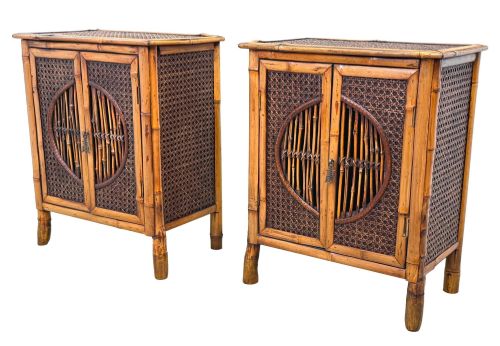
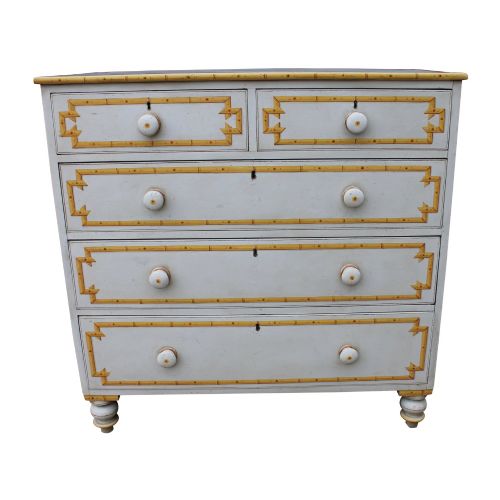
Construction methods relied on traditional joinery tailored to the specific form, whether housing adjustable shelving in bookcases or utilising bamboo elements for miniature cupboards and faux bamboo chests.
Listings feature mahogany, oak, walnut, brass, glass, fabric, pine, and cast iron across various nineteenth-century periods.
What varies in quality
The degree of refinement in timber selection and veneer matching defines the upper tier of pieces, where burr walnut or figured mahogany exhibits strong, deliberate grain patterns. Superior examples display crisp, hand-carved details and precise inlay work rather than mechanical shortcuts.
Hardware integrity and metalwork quality separate utilitarian items from exhibition pieces, with cast ormolu mounts, heavy brass campaign fittings, and robust cast-iron frames indicating higher workshop standards. Original surfaces and well-preserved decorative treatments, such as lacquer or ebonising, maintain the visual coherence intended by the maker.
Holland and Sons·Falkirk Carron Foundry
The Victorian Furniture Glossary
- Campaign chest
- A portable set of drawers made in two or more sections with recessed brass handles and corner brackets for military transport. These items allowed officers to pack their belongings efficiently during postings abroad.
- Canterbury
- A low multi-tiered stand designed for holding sheet music, books, or periodicals, often featuring slatted partitions. They typically rest on castors for easy movement around a drawing room.
- Credenza
- A sideboard or display cabinet originating from Italy, popular in nineteenth-century formal dining rooms for serving and storage. They often incorporate marquetry inlay and glass-fronted compartments.
- Whatnot
- An open set of freestanding shelves supported by slender pillars, used for displaying decorative objects and books. The tier arrangement offers accessible display space across several vertical levels.
- Pembroke table
- A small occasional table featuring hinged drop leaves on two opposing sides, allowing the surface area to expand. They often incorporate a single drawer and straight or tapered legs.
Victorian Furniture: Frequently Asked Questions
What woods are common in Victorian furniture?
Mahogany, walnut, and oak form the structural core of many nineteenth-century pieces, appearing alongside pine in utilitarian contexts and padouk in colonial works.
Craftsmen frequently utilised burr walnut for decorative veneering on high-status items like credenzas and lamp tables.
What is a Canterbury used for?
A Canterbury serves as a specialised stand for organising sheet music, periodicals, or books within a reception room.
Divided vertical compartments keep items upright and accessible.
How do I care for polished wood surfaces?
Maintain polished wood by avoiding direct sunlight and excessive moisture, which can degrade nineteenth-century finishes and veneers.
Regular dusting with a soft cloth preserves the natural lustre of mahogany, walnut, and ebonised surfaces.