


Mahogany Secretaire Drawer
When you search for mahogany secretaire drawer, you are looking at dual-purpose furniture designed for writing and storage.
Mahogany Secretaire Drawer
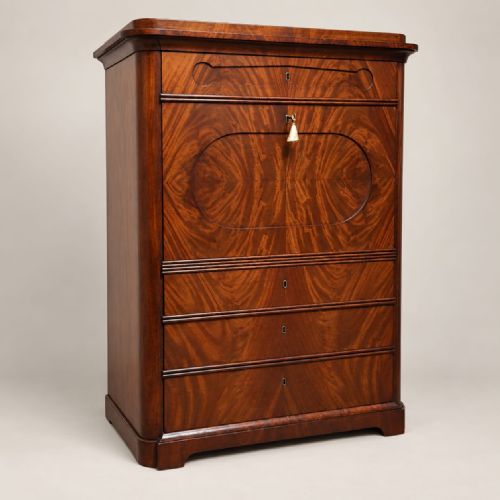
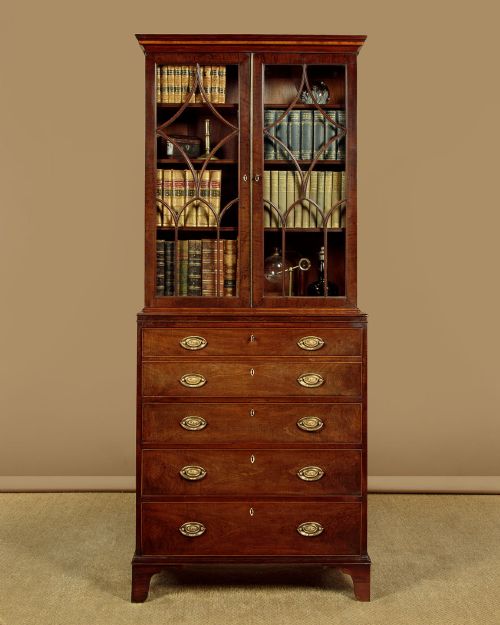
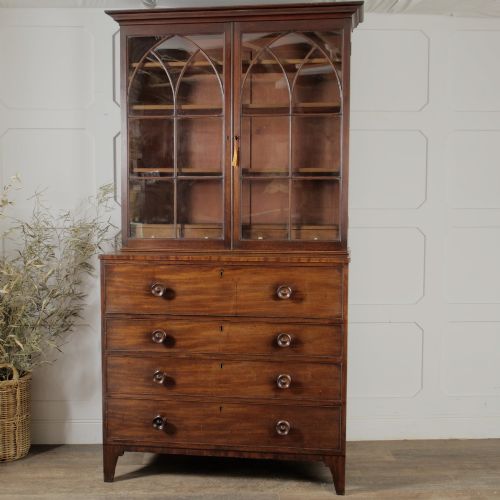
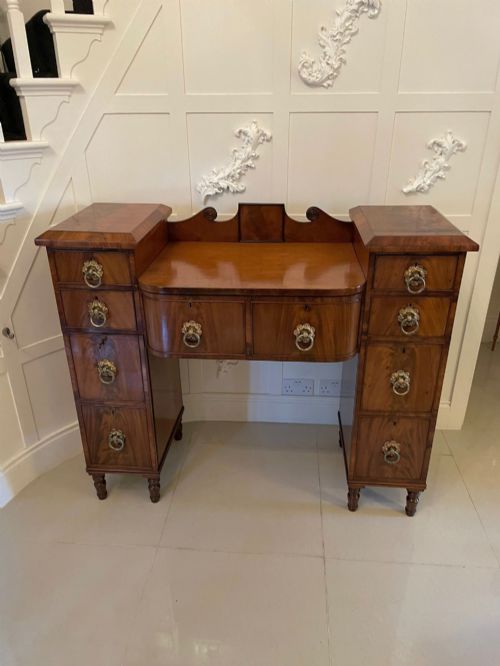
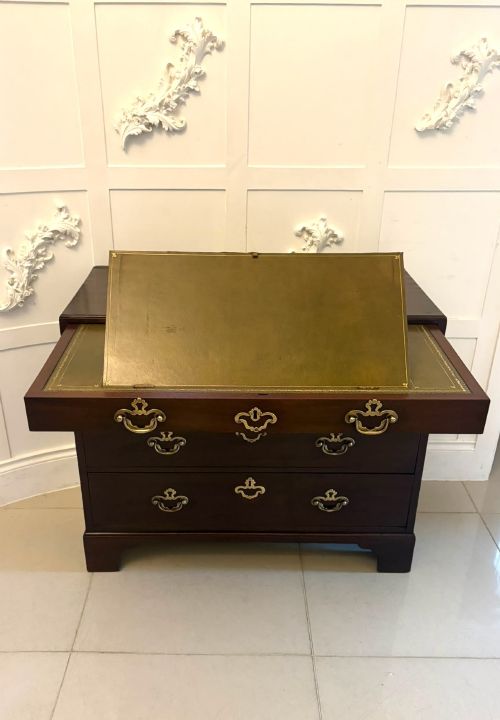
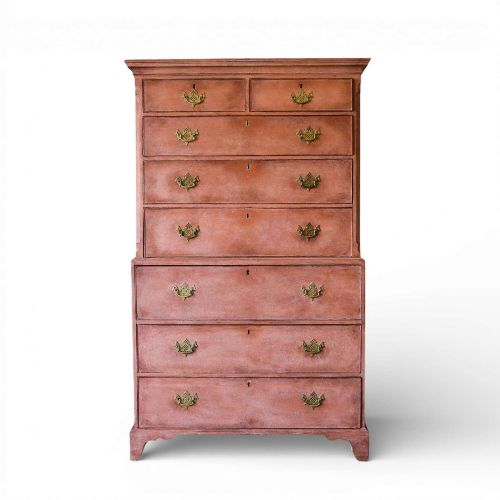
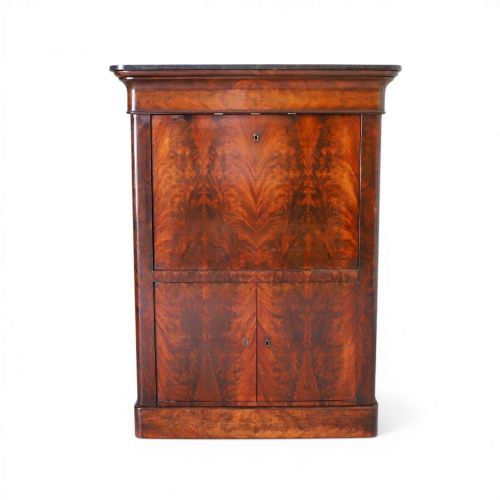
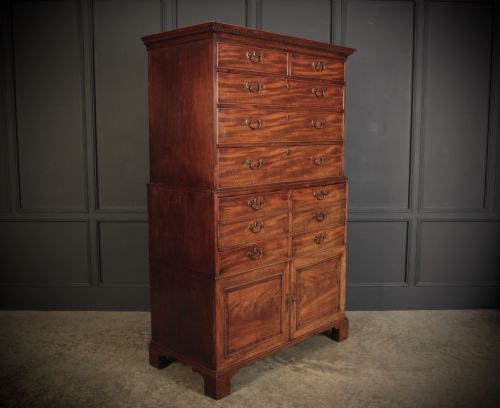
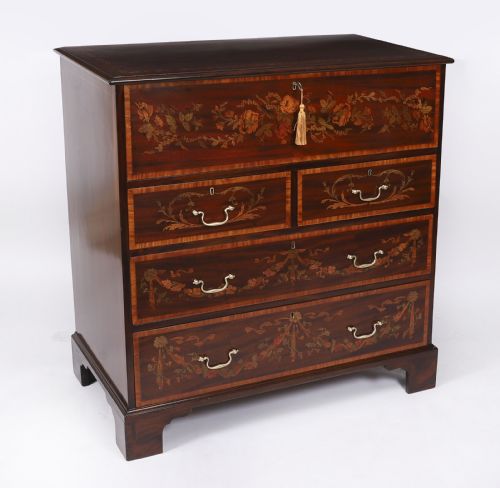
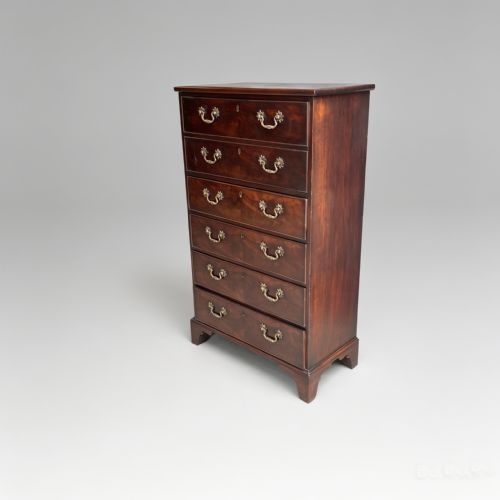
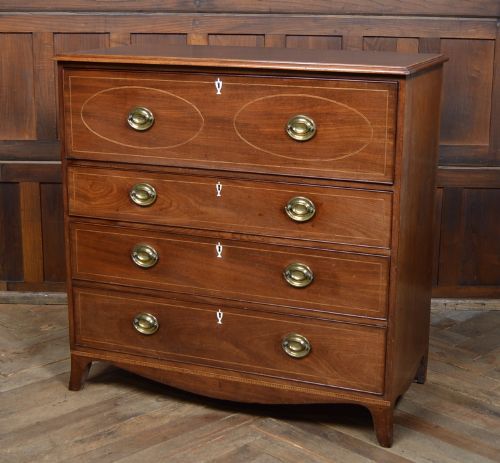
A mahogany secretaire drawer combines the exterior appearance of a standard chest of drawers or bookcase with a hinged writing desk hidden inside the top drawer. The primary form met on this page is the chest of drawers, alongside tallboys, secretaire bookcases, and military campaign pieces from the Georgian, Regency, and Victorian periods.
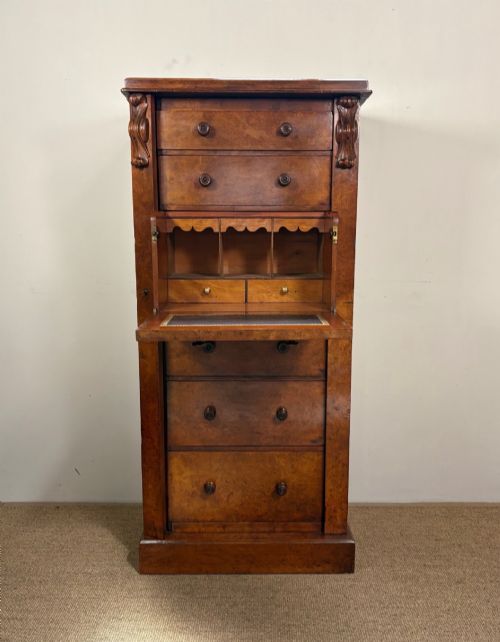
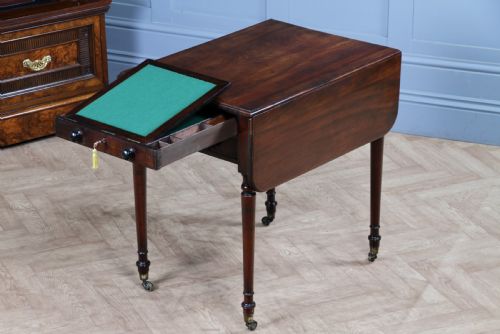
The clever arrangement conceals small pigeonholes, tiny drawers, and a baize or leather writing surface behind a drop-front panel disguised as a single deep drawer fascia. These items served domestic and travel needs, allowing owners to correspond and store papers securely without occupying space with a dedicated desk.
Materials and construction
Cabinet makers utilised solid mahogany and flame mahogany veneers over secondary timbers such as oak, applying brass handles, locks, and hinges to secure the drop-fronts and exterior drawers. Interiors often incorporate secondary woods and fitted compartments, sometimes accented with satinwood inlay or ebony stringing.
Campaign versions feature flush brass drop handles and reinforced brass corners built for transport by officers on the move, while taller pieces like tallboys and bookcases divide into sections for easier relocation.
Cabinet makers built hidden secret drawers behind the pigeonholes to guard private correspondence from curious household staff.
Evaluating craftsmanship
The tier of a piece depends heavily on the choice of timber figure, such as highly prized flame mahogany veneer, and the intricacy of the internal fittings like hidden secret drawers and pigeonhole arches. Uniformity in the dovetailing of internal small drawers and the neatness of cross-banding indicate superior cabinet work.
Originality of handles, locks, and leather or baize writing surfaces separates untouched examples from those with replaced components, influencing how cleanly the drop-front mechanism operates and holds its horizontal weight.
The Mahogany Secretaire Drawer Glossary
- Secretaire
- A piece of furniture containing a writing drawer or pull-down desk compartment. This mechanism transforms a standard chest into a compact bureau.
- Tallboy
- A tall chest of drawers standing upon another chest, often termed a chest on chest. These provide substantial vertical storage whilst retaining a modest footprint.
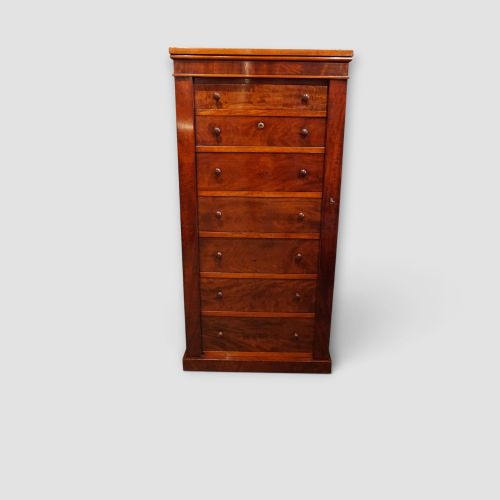
- Wellington chest
- A tall, narrow chest of drawers secured by a hinged vertical locking flap on one side. This design locks all drawers simultaneously with a single key.
- Flame mahogany
- A veneer cut from the fork of a mahogany tree where the grain pattern creates a flamed or fire-like visual effect. Makers selected these sheets for primary display surfaces.
- Campaign chest
- Portable furniture built in sections with flush brass fittings for military officers on active service. The robust construction allows pieces to stack securely during transit.
Mahogany Secretaire Drawer: Frequently Asked Questions
How do you open the secretaire drawer?
Unlocking the top deep drawer allows the front to drop forward on brass hinges, revealing the internal writing desk and small compartments.
Support arms or runners pull out from the frame automatically to hold the flap level while you write.
Were campaign secretaire chests used in the army?
Officers commissioned these sturdy chests for military campaigns because they dismantled into separate sections for packing into canvas transit covers.
Recessed brass handles and corner brackets protected the mahogany surfaces from knocks during rough travel.
How can I tell a Georgian secretaire from a Victorian one?
Georgian pieces from the eighteenth century tend to display restrained bracket feet, cockbeading around drawers, and subtle mahogany grain figure.
Victorian examples often employ heavier proportions, plinth bases, and striking flame mahogany veneers with locking mechanisms like those on Wellington chests.