

Victorian Military Furniture
Victorian military furniture brings clever, collapsible engineering into the home, designed for officers on the move.
Victorian Military Furniture
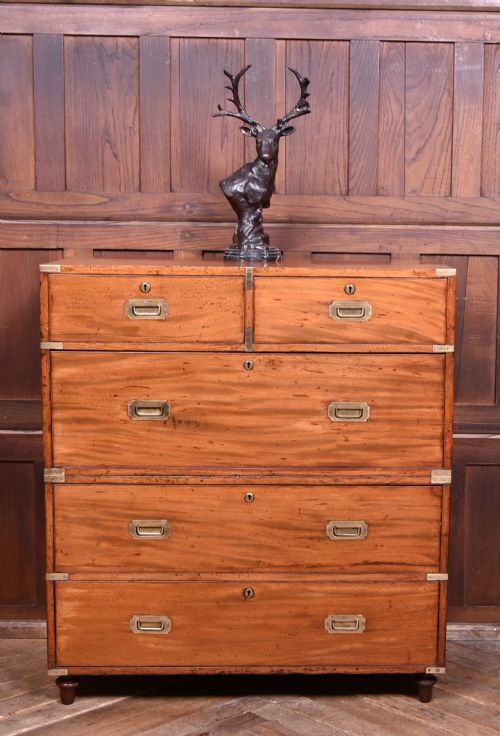
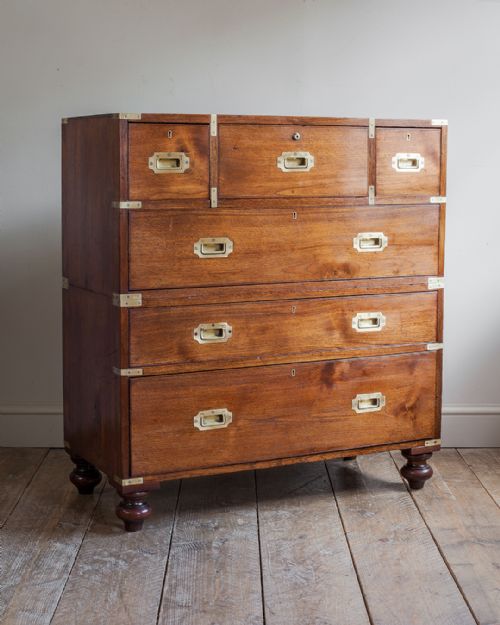
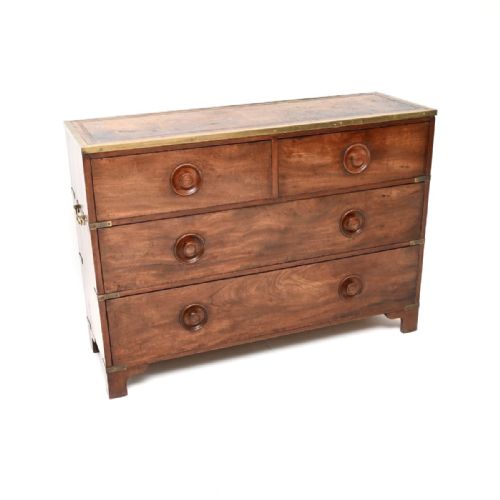
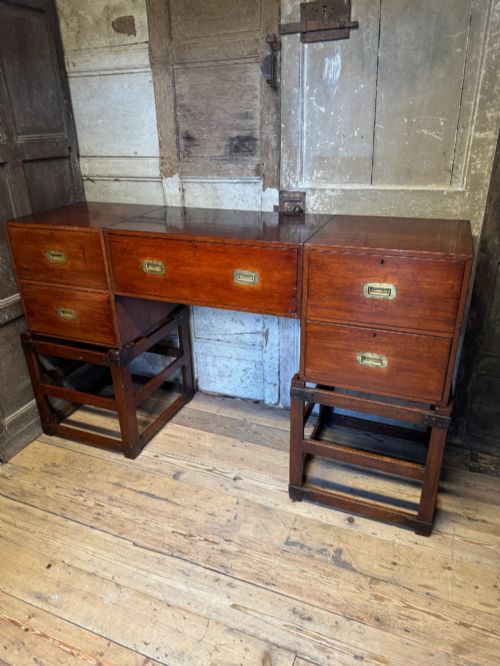
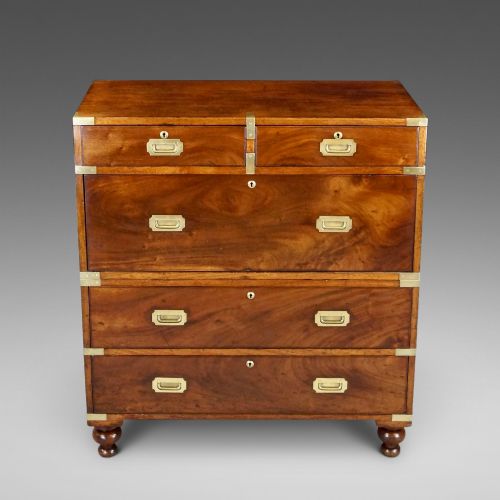
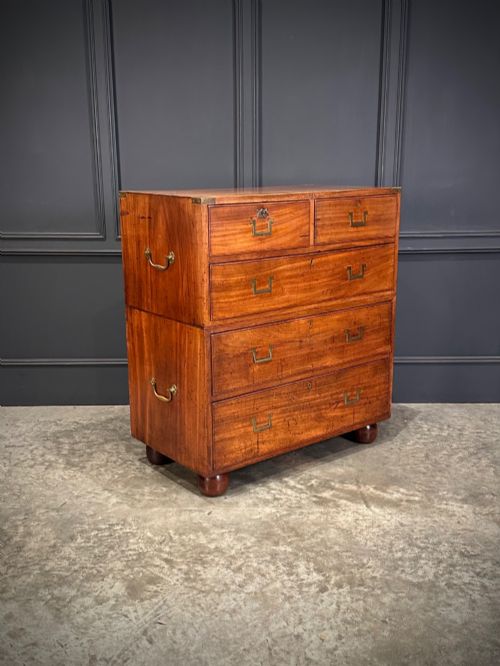
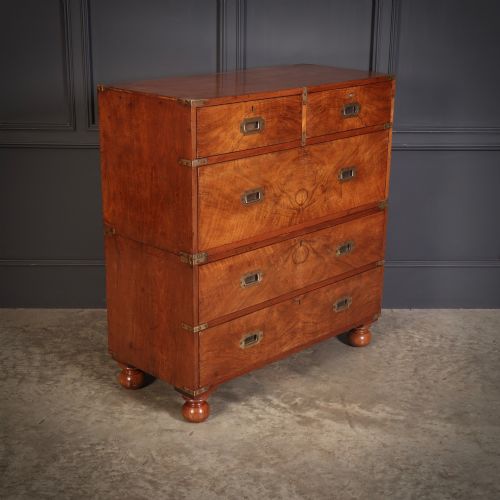
When you search for Victorian military furniture, you encounter ingenious pieces built for transport by sea and land during the nineteenth century. The most common form on this page is the chest of drawers, typically constructed in two separate stacking sections for ease of carriage.
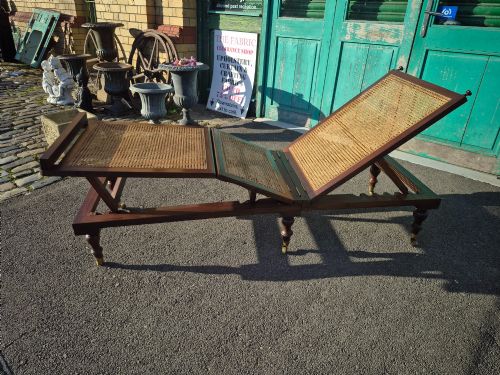
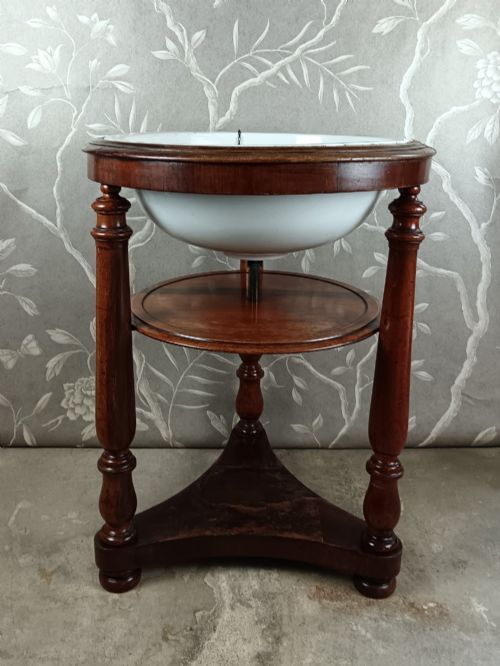
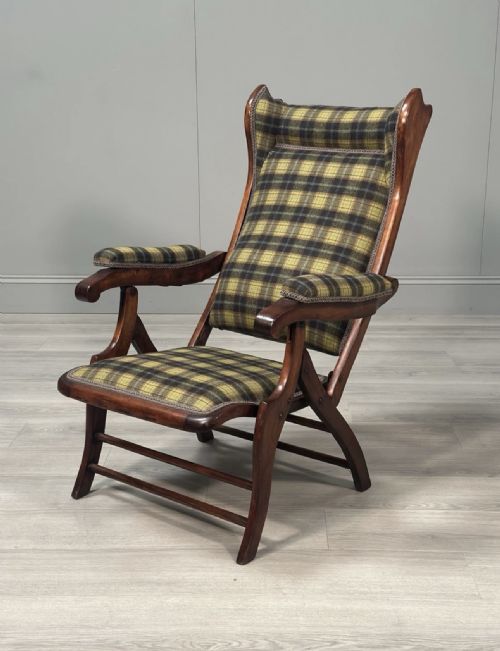
Beyond chests, the selection spans desks, console tables, armchairs, washstands, and daybeds intended for colonial service. These objects combine domestic comfort with robust utility, using specialised fittings that allow rapid dismantling.
The aesthetic is defined by straight lines, recessed brass handles, and protective corner brackets. Pieces originate from periods spanning the nineteenth century into the early twentieth, reflecting the prolonged demand for portable campaign equipment.
Materials and construction methods
Cabinetmakers utilised dense, resilient timbers capable of withstanding tropical climates and rough handling. Mahogany, teak, and camphor wood predominate, occasionally complemented by rosewood, walnut, or birds-eye maple.
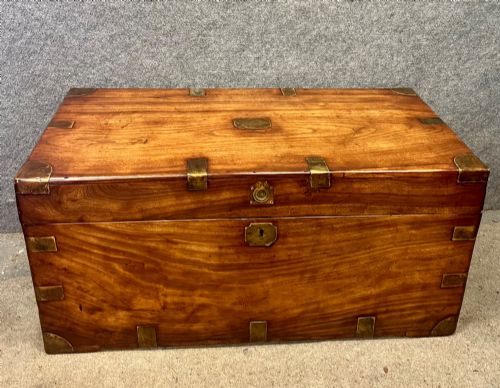
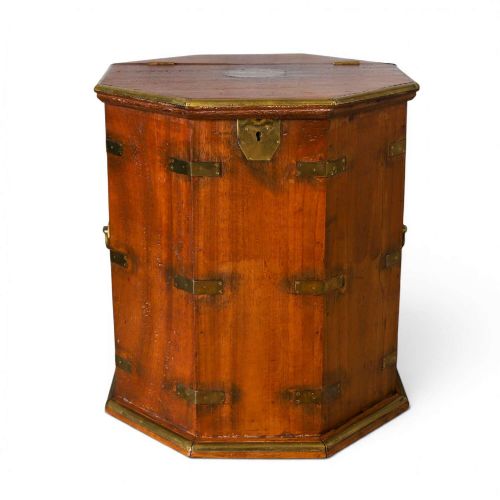
Structural integrity relies on flush-mounted brass hardware, including corner plates and strapwork, which protect edges from impact during transit. Drawers and writing compartments often feature secret mechanisms, folding supports, and leather inserts.
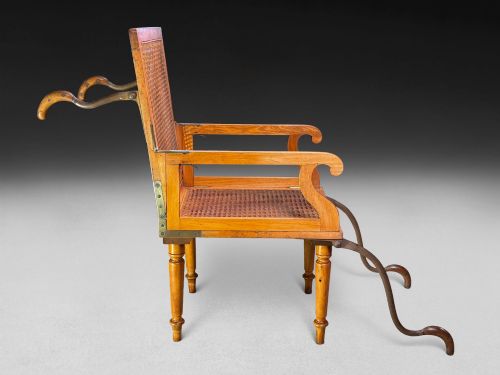
Portable seating and daybeds incorporate folding wooden frames combined with cane, leather, or textile upholstery. Dismantling mechanisms utilise threaded bolts and drop-in joints rather than permanent glue.
Victorian Military Furniture Retail Price Guide 2026
Typical asking prices for victorian military furniture among the pieces listed under this phrase on Sellingantiques today, from the lower quarter to the upper quarter. They describe what is for sale here now, not the wider market.
Portable shaving mirrors with folding stands ensured that officers maintained a clean shave even in the middle of a desert.
Distinctions in craftsmanship
The hierarchy of quality rests on the precision of the dismantling mechanism and the integration of hardware. Superior examples feature flush brass fittings perfectly sunk into the timber and drawers that slide smoothly regardless of humidity.
Timber selection and preparation dictate the upper tier of the range, with figured veneers or solid, thick-cut planks showing careful grain matching. Secondary woods used in drawer linings and carcases remain uniform and well-finished.
Maker attribution elevates certain pieces, particularly those bearing stamps from known outfitters who supplied officers. The complexity of the interior fitments, such as secretaire drawers with multiple pigeonholes, further separates standard chests from exceptional works.
S. W. Silver & Co. London & Liverpool·Ross & Co.·Army & Navy·J. Herbert McNair
The Victorian Military Furniture Glossary
- Campaign chest
- A modular chest of drawers built in two or more stacking sections with recessed handles for transport. The design protects the edges and corners during military deployments.
- Secretaire chest
- A cabinet containing a drop-front drawer fitted with small drawers and pigeonholes for writing. This combines desk functionality with standard drawer storage.
- Recessed brass
- Hardware let directly into the wood surface so nothing protrudes. This prevents snags and damage when pieces are packed tightly together.
- Camphor wood
- A strongly aromatic timber valued for campaign trunks and chests. Its natural oils repel insects and resist moisture in tropical environments.
- Transporting packing case
- An outer wooden shell designed to house campaign furniture during shipping. These crates often retain original transit markings.
Victorian Military Furniture: Frequently Asked Questions
How do I identify a genuine military piece?
Look for recessed brass corners, flush drawer pulls, and removable feet or screw-in bolts designed for quick disassembly. The timbers used are typically heavy hardwoods like teak or mahogany.
Maker stamps on drawer edges or brass plates from military outfitters provide further verification of origin.
Were these items used in actual battles?
These furnishings accompanied officers, diplomats, and colonial administrators on long postings rather than active frontline combat. They furnished tents, station bungalows, and cabins aboard troopships.
The durability ensured they survived repeated relocations across the British Empire.
How should I care for teak and mahogany furniture?
Keep these wooden pieces away from direct heat sources and sudden temperature shifts to prevent timber splitting. Regular dusting with a soft cloth maintains the finish without needing heavy polishes.
Leather writing surfaces benefit from occasional neutral wax conditioning to keep the hide supple.