

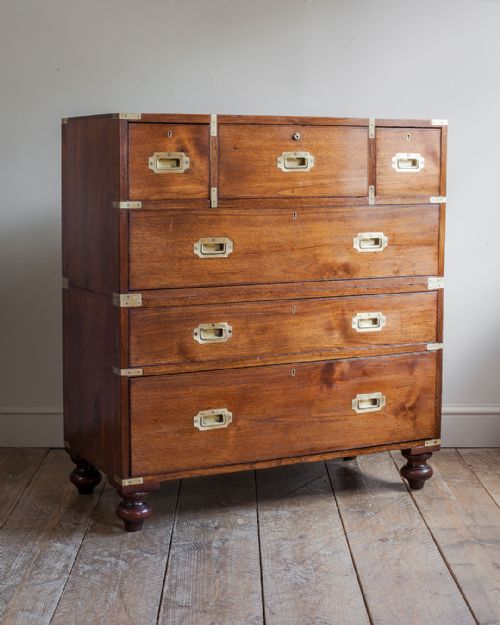
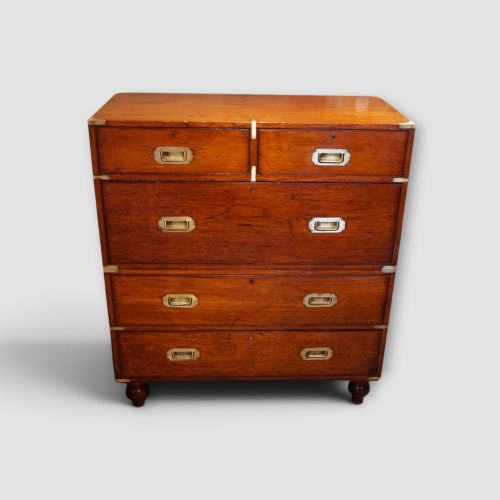
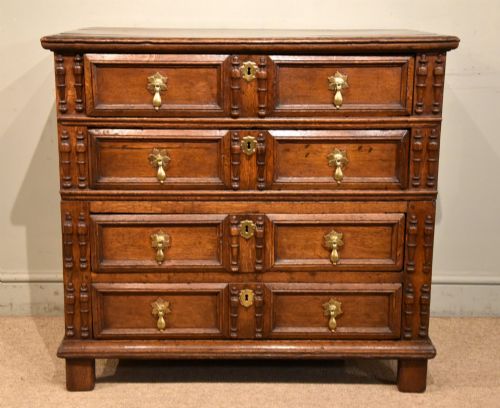
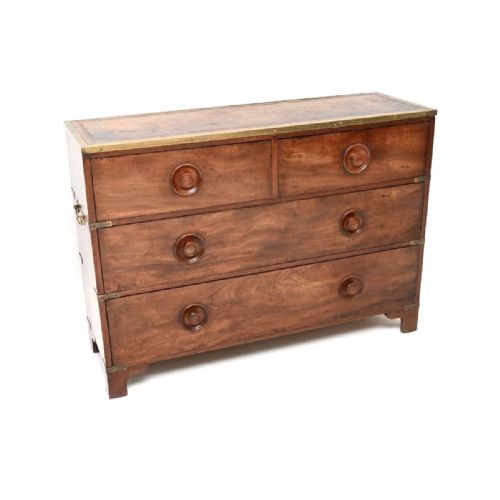

Split Chest of Drawers
A split chest of drawers splits apart into distinct sections for transport or placement, offering practical utility and enduring craftsmanship.
Split Chest of Drawers
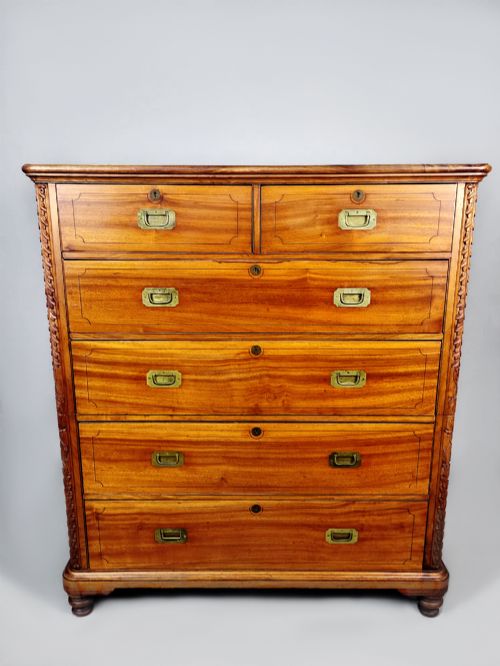
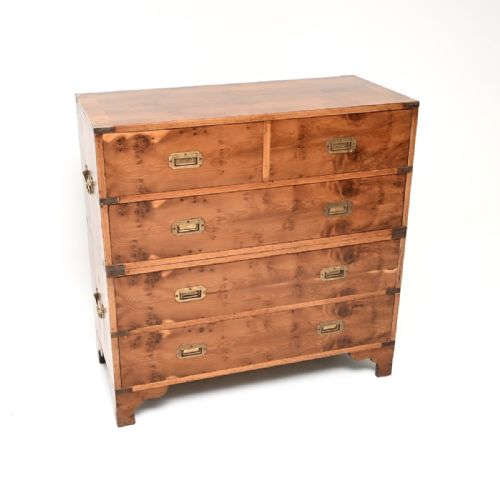
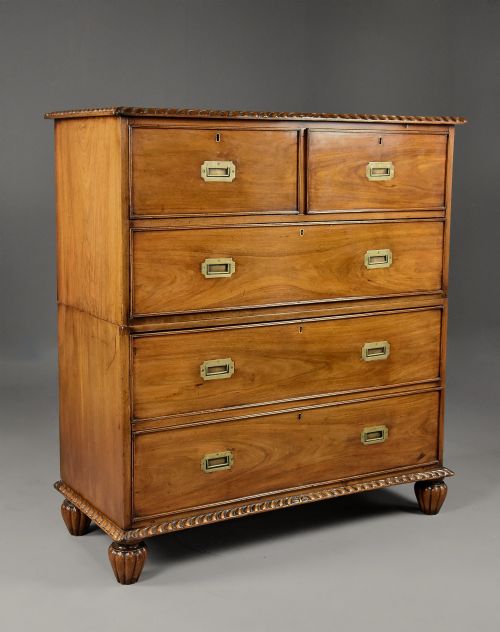
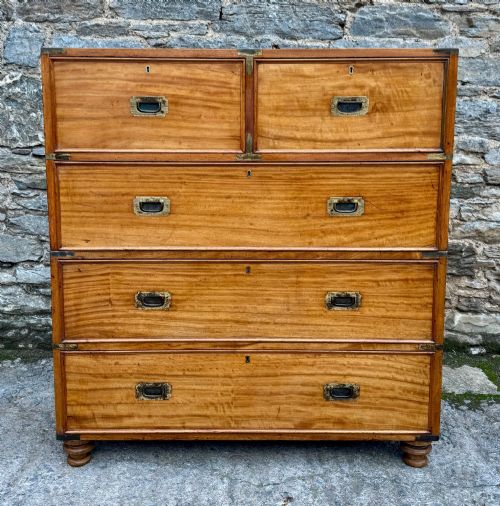
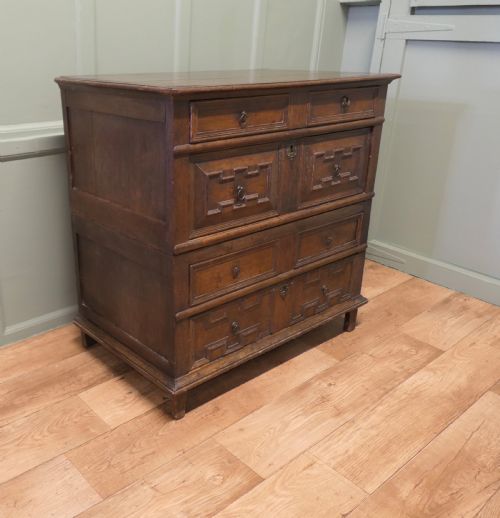
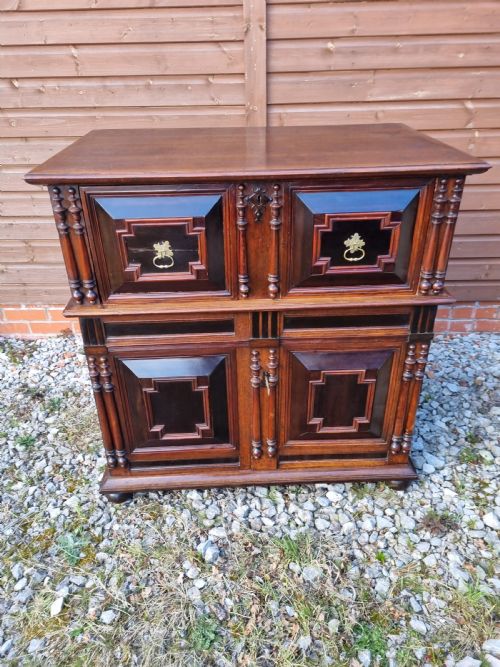
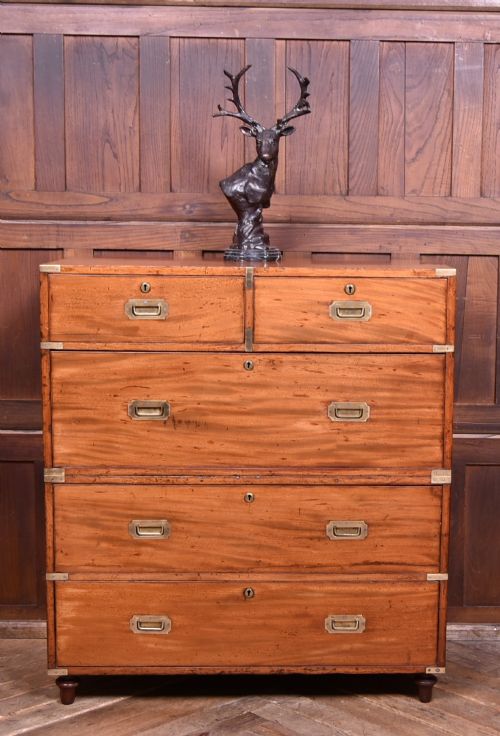
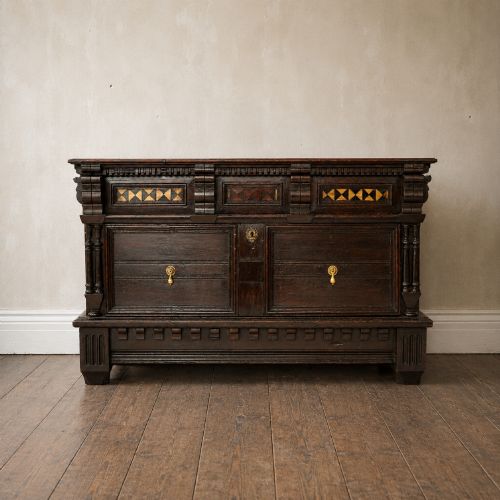
A split chest of drawers is built in two or more stackable sections, allowing the piece to divide easily for movement by travellers, officers, and households. The selection includes sturdy campaign chests made for travel as well as earlier oak designs divided for stacking.
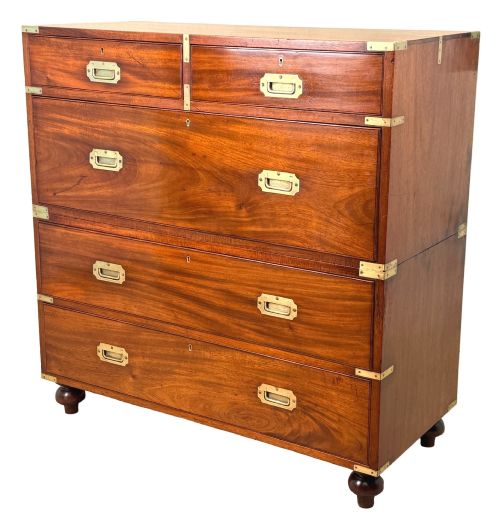
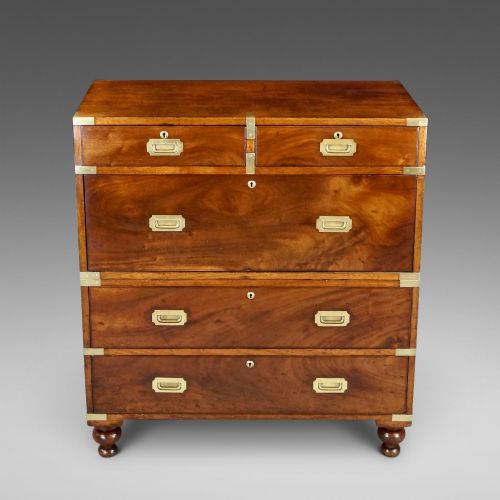
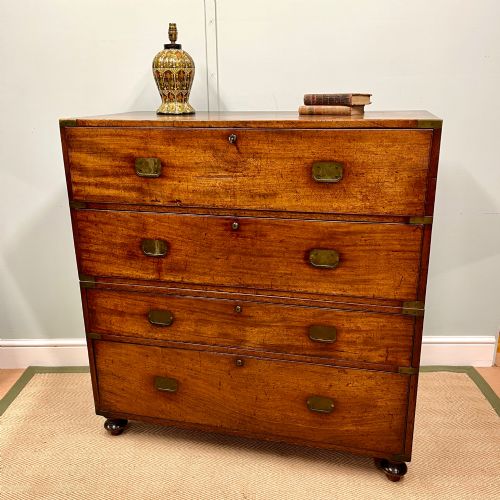
You are most likely to encounter Victorian and 19th-century campaign forms constructed in two halves, often fitted with brass corners and recessed carrying handles. These pieces reflect a history of mobility, designed to withstand long journeys across land and sea.
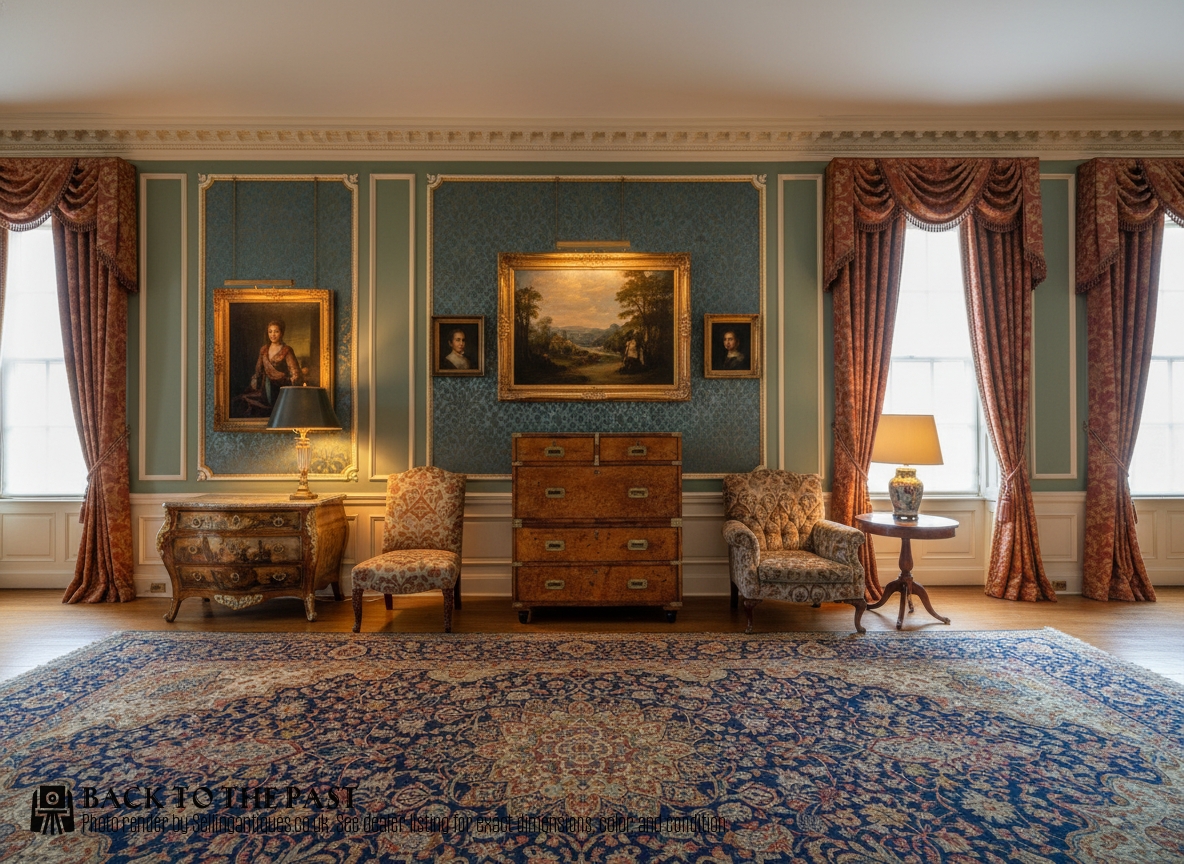
How they were made
Carpenters utilised dense hardwoods such as mahogany, teak, camphor wood, padouk, and oak, selecting them for stability and resilience in changing climates. These timbers were paired with brass bound edges, flush handles, and corner brackets to reinforce the joints and protect the sections during transit.
The carcass is typically split horizontally into a top and bottom section, secured by metal side brackets or internal pins that hold the two halves firmly together. Drawers often incorporate secretarial fitted compartments, writing surfaces, and robust dovetail joints.
Split Chest of Drawers Retail Price Guide 2026
Typical asking prices for split chest of drawers among the pieces listed under this phrase on Sellingantiques today, from the lower quarter to the upper quarter. They describe what is for sale here now, not the wider market.
The site listings feature campaign chests and oak examples spanning the 17th century through the Victorian era, utilising mahogany, teak, camphor wood, and padouk.
What varies in quality
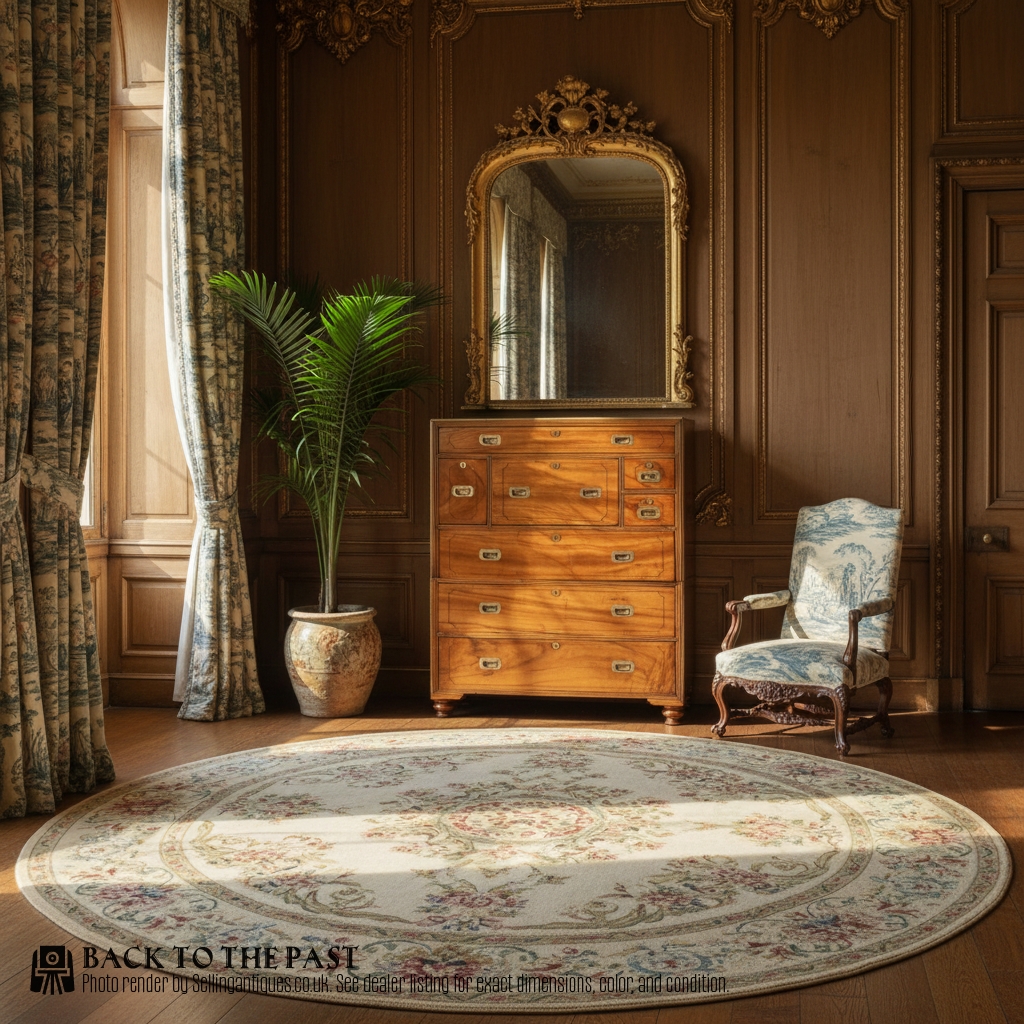
Simpler or later utility pieces show heavier construction with fewer refined details, while finer items exhibit precise flush-fitting mounts and uncompromised structural integrity across both split halves.
S. W. Silver & Co. London & Liverpool·Army & Navy
The Split Chest of Drawers Glossary
- Campaign chest
- A portable set of drawers made in two or more sections for military officers or travellers, typically reinforced with brass corners and carrying handles.
- Secretaire chest
- A chest of drawers featuring a pull-out middle drawer with a fitted writing surface and small pigeonholes inside.
- Two-part design
- A cabinet construction divided horizontally into separate stackable modules to ease transport and placement.
- Camphor wood
- A fragrant timber native to Asia, utilised for campaign furniture because its natural oils repel insects during tropical travel.
- Dovetail joint
- A traditional interlocking woodworking joint used to construct strong drawer corners that resist pulling apart.
Split Chest of Drawers: Frequently Asked Questions
Why do these chests separate into two parts?
The split construction was originally engineered for military officers and travellers, allowing heavy storage furniture to be divided into manageable sections for transport on ships, trains, and pack animals.
This modular design also made it considerably easier to move large wardrobes and chests through narrow hallways and up staircases in traditional homes.
What is a secretaire drawer?
A secretaire drawer is a multifunctional top or middle drawer that drops down on hinges to reveal a writing desk surface, small drawers, and pigeonholes.
This clever feature allowed officers and travellers to write letters and manage documents without needing a separate desk.
Where were these pieces used?
These pieces were built for military officers, colonial administrators, and diplomats stationed abroad who needed portable yet refined furniture during postings in distant territories.
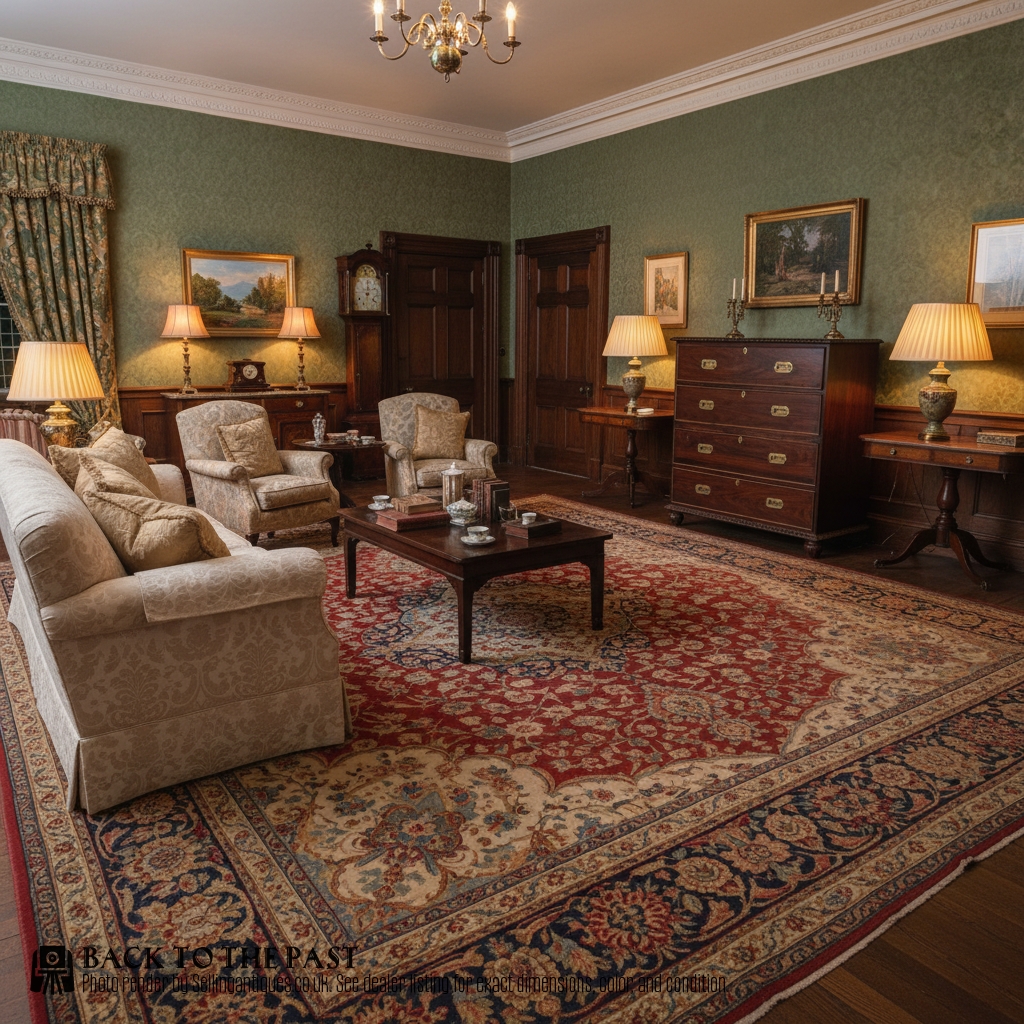
In modern interiors, their compact modular proportions make them exceptionally practical for bedrooms, studies, and hallways.