




Victorian Secretaire Chest
A Victorian secretaire chest combines the everyday utility of a chest of drawers with a fitted writing desk.
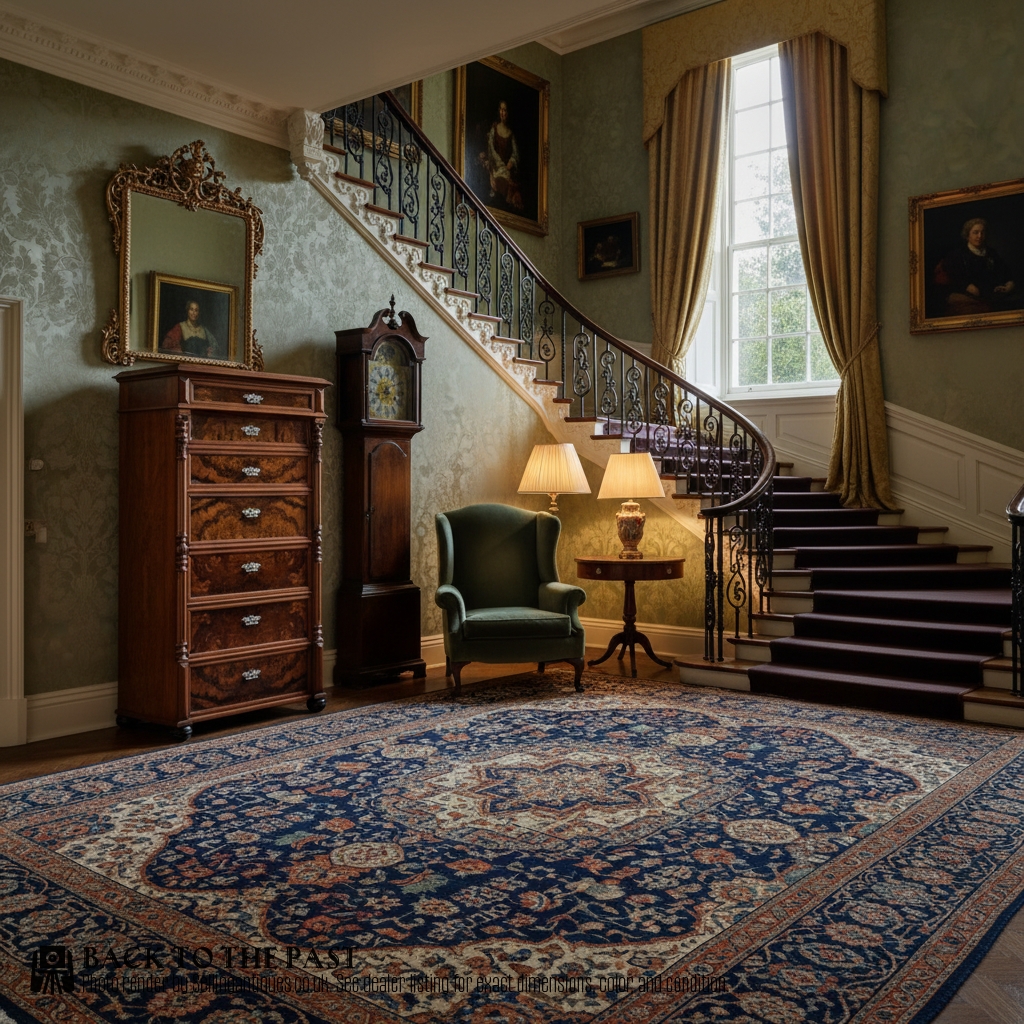
Victorian Secretaire Chest
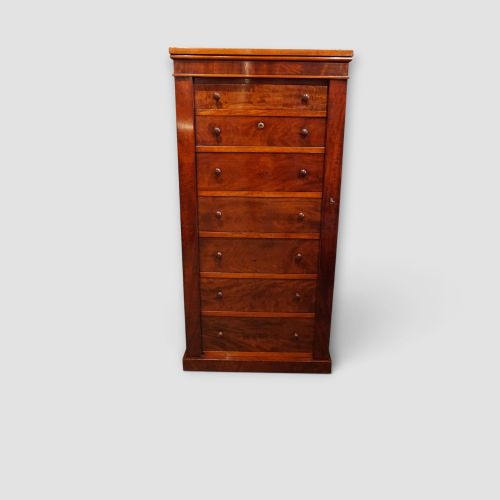
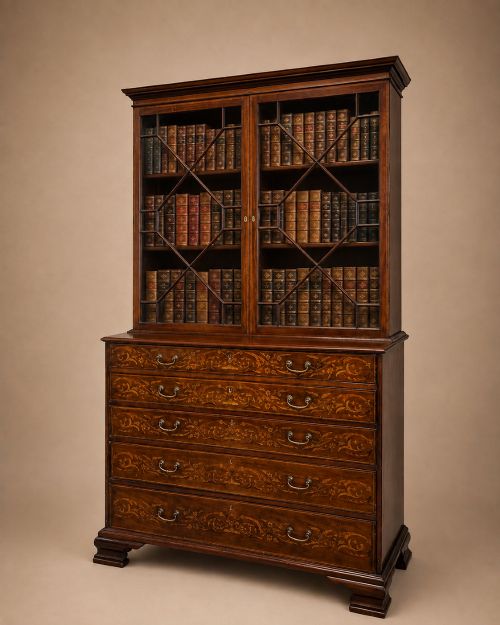
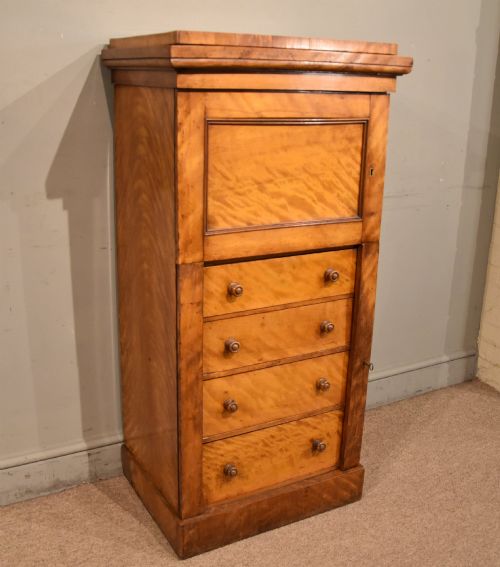
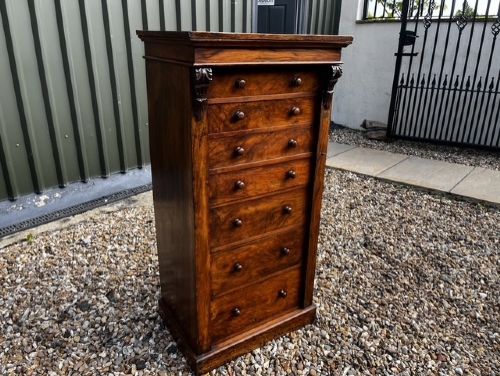
A Victorian secretaire chest is a dual-purpose piece designed for storage and correspondence. When you inspect this search phrase, you encounter tall Wellington chests, two-part campaign forms, and bow-fronted designs.
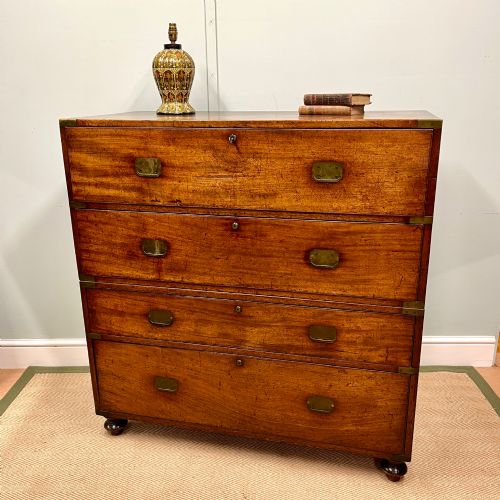
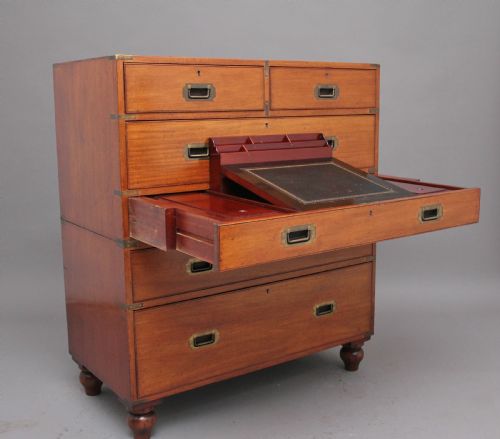
The primary forms on this page include mahogany, walnut, and camphorwood chests built during the nineteenth century. These items offer standard drawer configurations alongside a drop-front writing drawer containing internal compartments.
Originating from 19th Century production, these pieces reflect both domestic and military uses. The most common version met here is the mahogany or walnut Wellington chest, alongside camphorwood and teak campaign models.
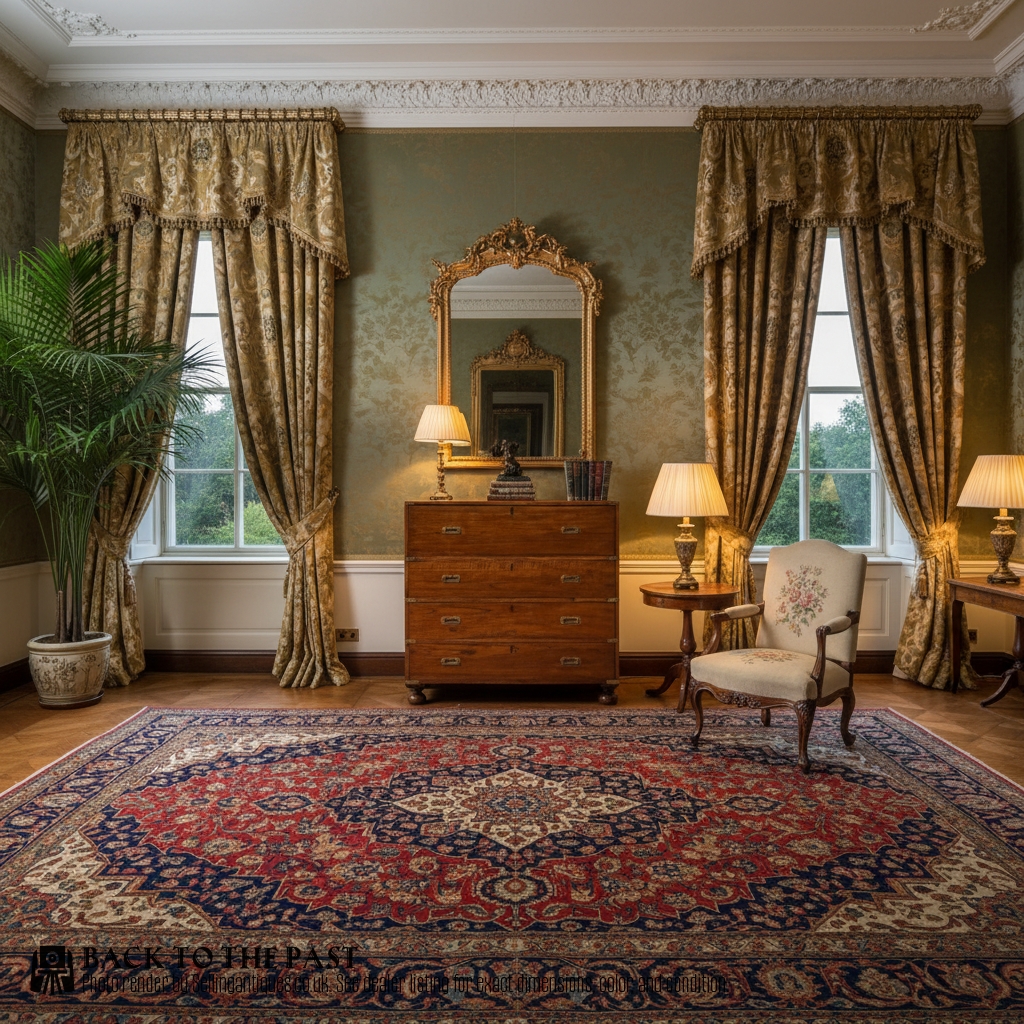
Materials and Construction
Cabinet makers utilised dense hardwoods such as mahogany, walnut, rosewood, camphorwood, teak, and elm. Marquetry inlay, satinwood, and ebony stringing often accent the primary timber surfaces.
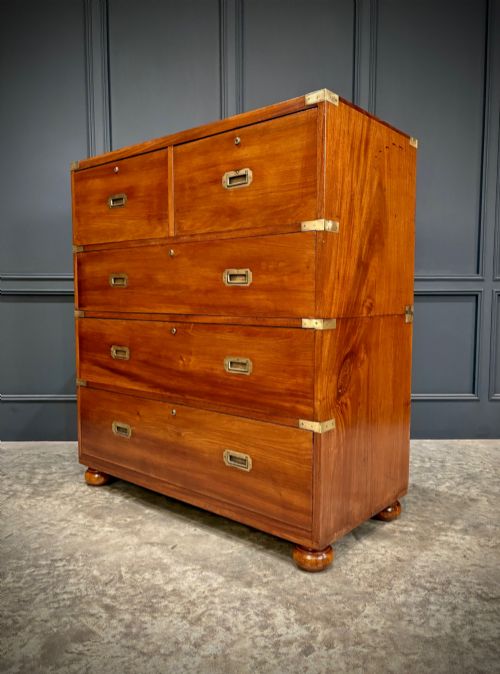
Campaign variations feature brass bound corners, flush handles, and split carcases for ease of transport. Wellington chests employ a locking side bar to secure the graduated drawers stacked vertically.
Retail Price Guide 2026
Typical UK retail prices for victorian secretaire chest, calculated from the Sellingantiques database of over a million retail prices indexed since 2003. This retail price guide relies exclusively on Sellingantiques data; no external sources or auction records are used, so the figures do not describe the wider market.
Camphorwood chests bring a distinct, enduring aromatic scent straight from nineteenth-century campaigns.
Gradations in Quality
The upper tier of pieces displays highly figured burr veneers and meticulously fitted interior stationery drawers with pigeonholes. Lesser examples rely on plain timber grains and simpler secondary woods for internal dividers.
Hardware integration distinguishes the standard domestic models from military campaign pieces, where rebated brass corners and inset flush pulls require precise metalworking. The fluidity of the drop-front writing surface mechanism also marks the grade of the cabinet making.
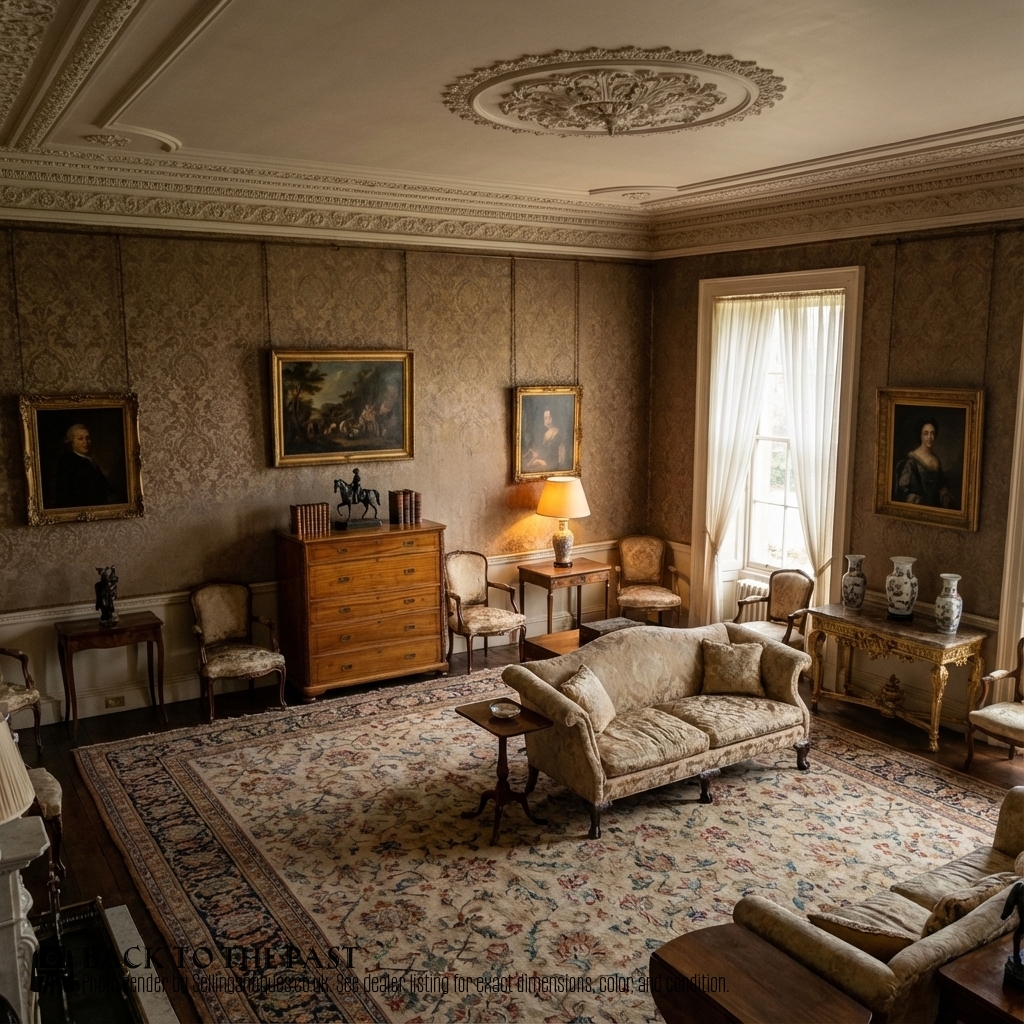
H Pratt of New Bond Street
The Victorian Secretaire Chest Glossary
- Secretaire
- A desk drawer featuring a drop-front panel that conceals small drawers and pigeonholes for writing.
- Wellington Chest
- A tall, narrow chest of drawers secured by a hinged vertical locking bar on one side.
- Campaign Chest
- A modular chest built in two sections with brass corners and recessed handles for military transport.
- Escritoire
- A tall writing cabinet or desk used for correspondence and document storage.
- Stringing
- Thin inlaid lines of contrasting timber used to decorate drawer fronts and cabinet tops.
Frequently Asked Questions
How does a secretaire drawer open?
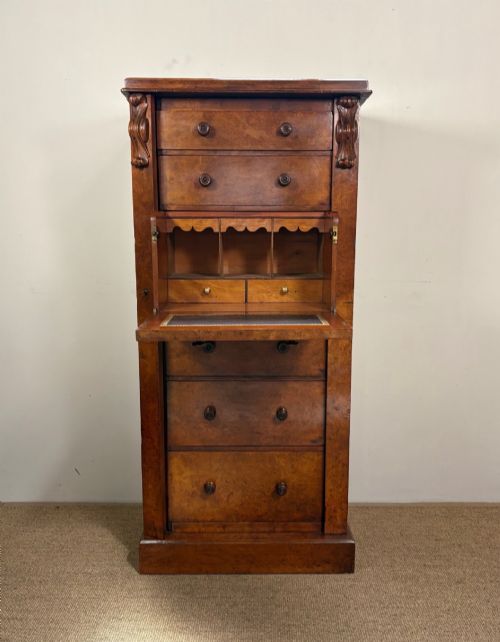
The false drawer front drops down on hinges to form a writing surface, supported by internal brass arms or sliding brackets.
This mechanism conceals a series of small pigeonholes and stationery drawers behind it.
What is a Wellington chest?
A Wellington chest is a tall, narrow set of drawers characterised by a locking side flap that fastens the entire stack.
These pieces typically include a secretaire drawer within the vertical arrangement.
Were campaign chests made for travel?
Yes, campaign chests are built in two separate modular sections fitted with brass corners and flush recessed handles.
This construction allowed officers to pack and transport their belongings during military deployments.
What timbers were used?
Cabinet makers built these pieces using dense hardwoods including mahogany, walnut, rosewood, camphorwood, teak, and elm.
Finer examples frequently feature decorative veneers such as burr walnut or satinwood.