
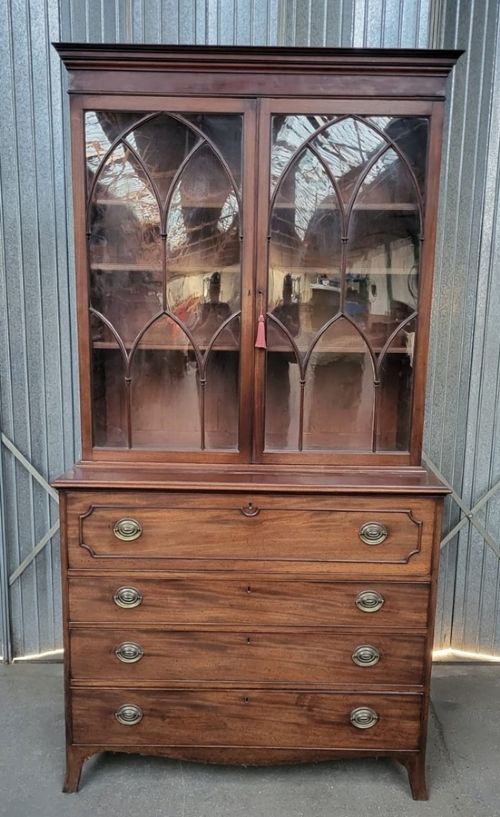

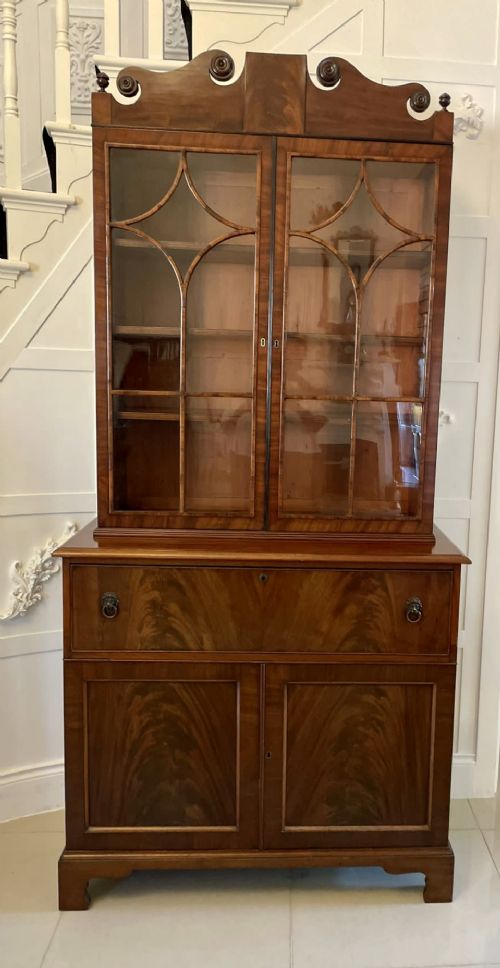
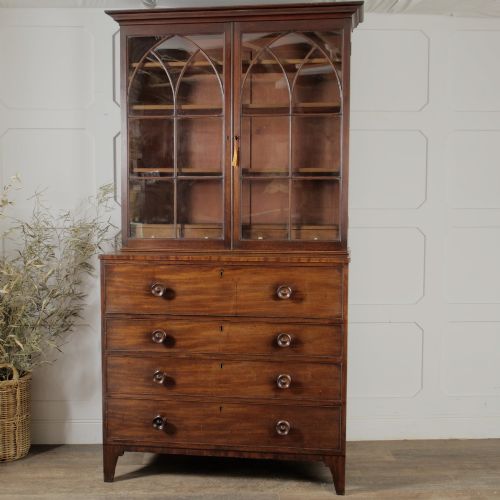
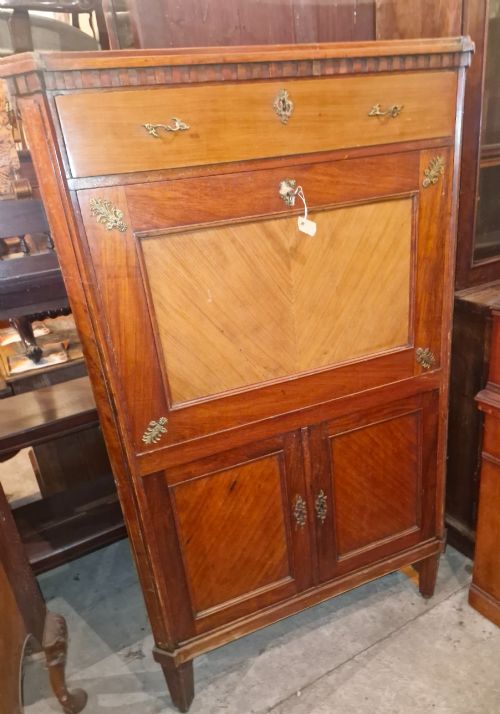




Brown Wood Secretaire
These brown wood secretaire pieces combine practical writing surfaces with secure storage, offering a traditional workspace built from rich timber.
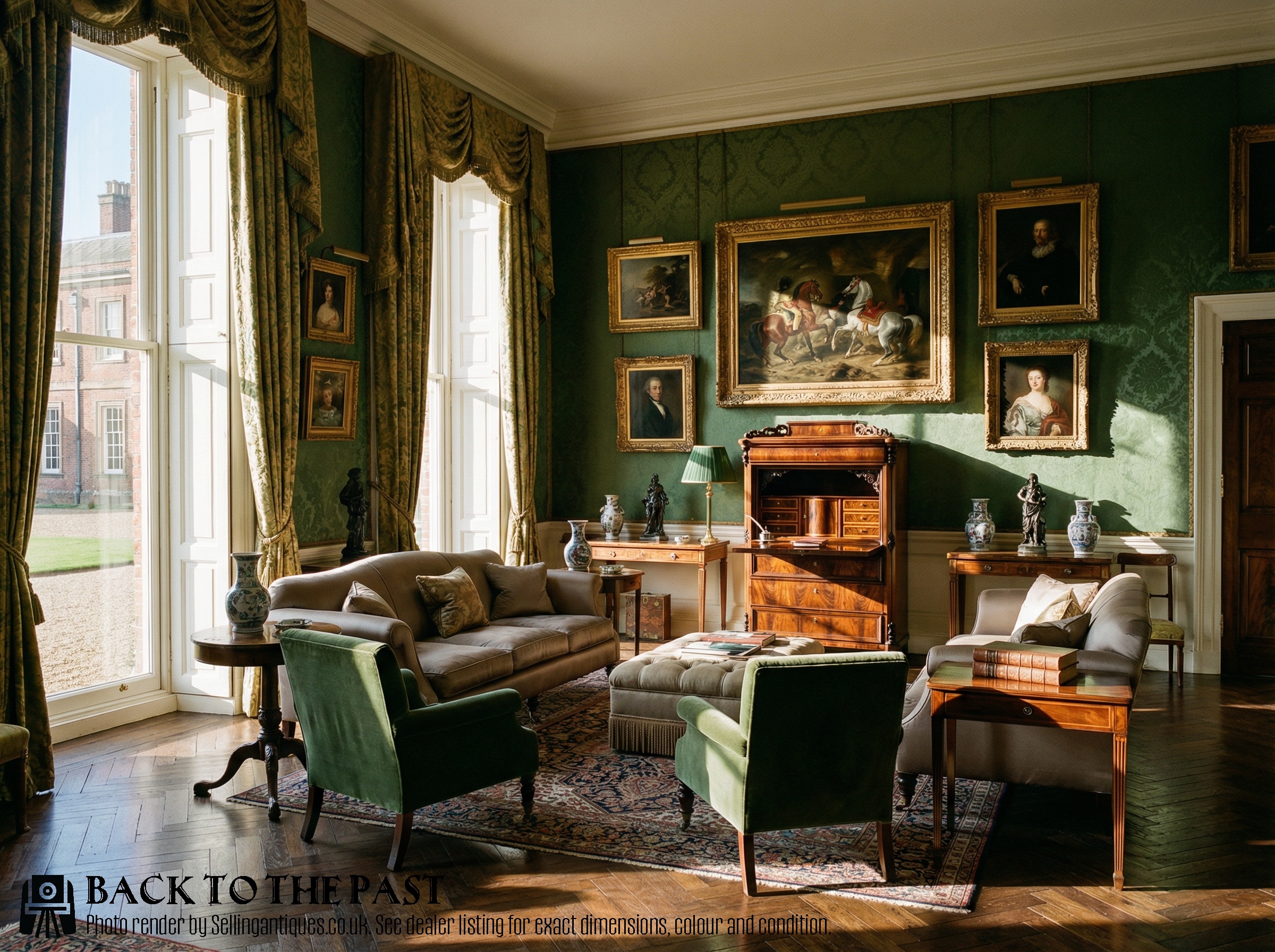
What a brown wood secretaire is
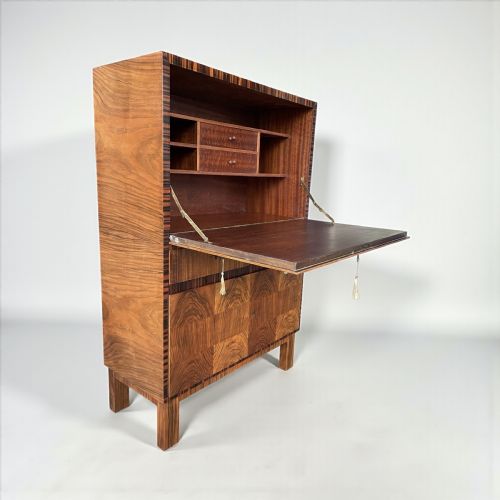
A brown wood secretaire functions as both a writing desk and a storage cabinet, featuring a drop-down flap or drawer front that conceals a fitted interior of small drawers and pigeonholes. Buyers search for these items to gain a dedicated writing space that conceals its working parts when closed.
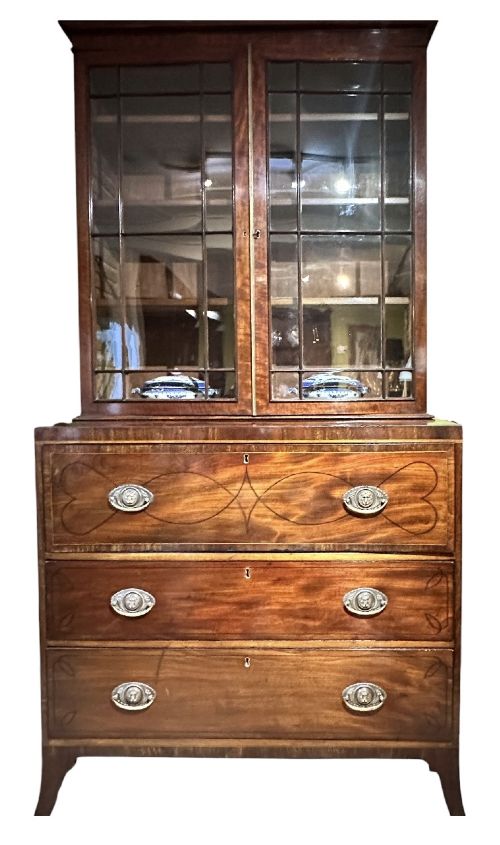
The selections available range from early eighteenth-century Georgian chests on chests to nineteenth-century continental escritoires and Art Deco bureaux. Most examples date from the Georgian period through to the late nineteenth century, spanning styles such as Biedermeier, Sheraton, and Victorian.
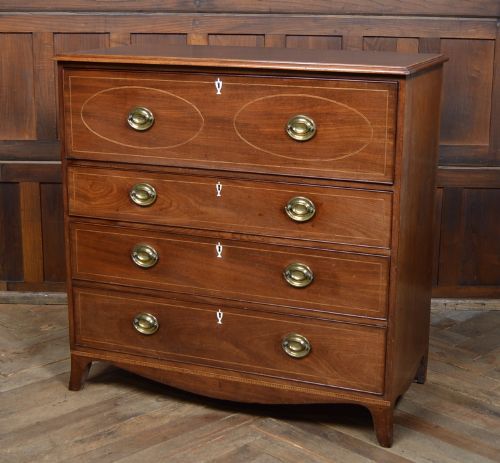
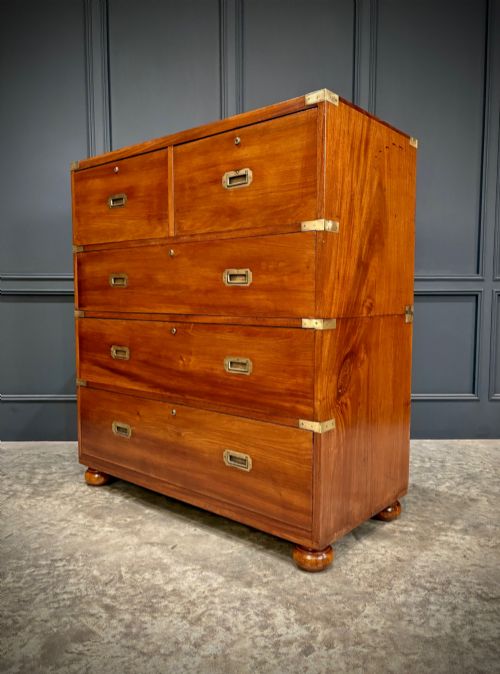
Object forms include tall secretaire bookcases, narrow escritoires, campaign desks, and traditional chests of drawers fitted with writing compartments. Buyers will frequently encounter mahogany and walnut constructions, often enhanced by veneer work and brass hardware.
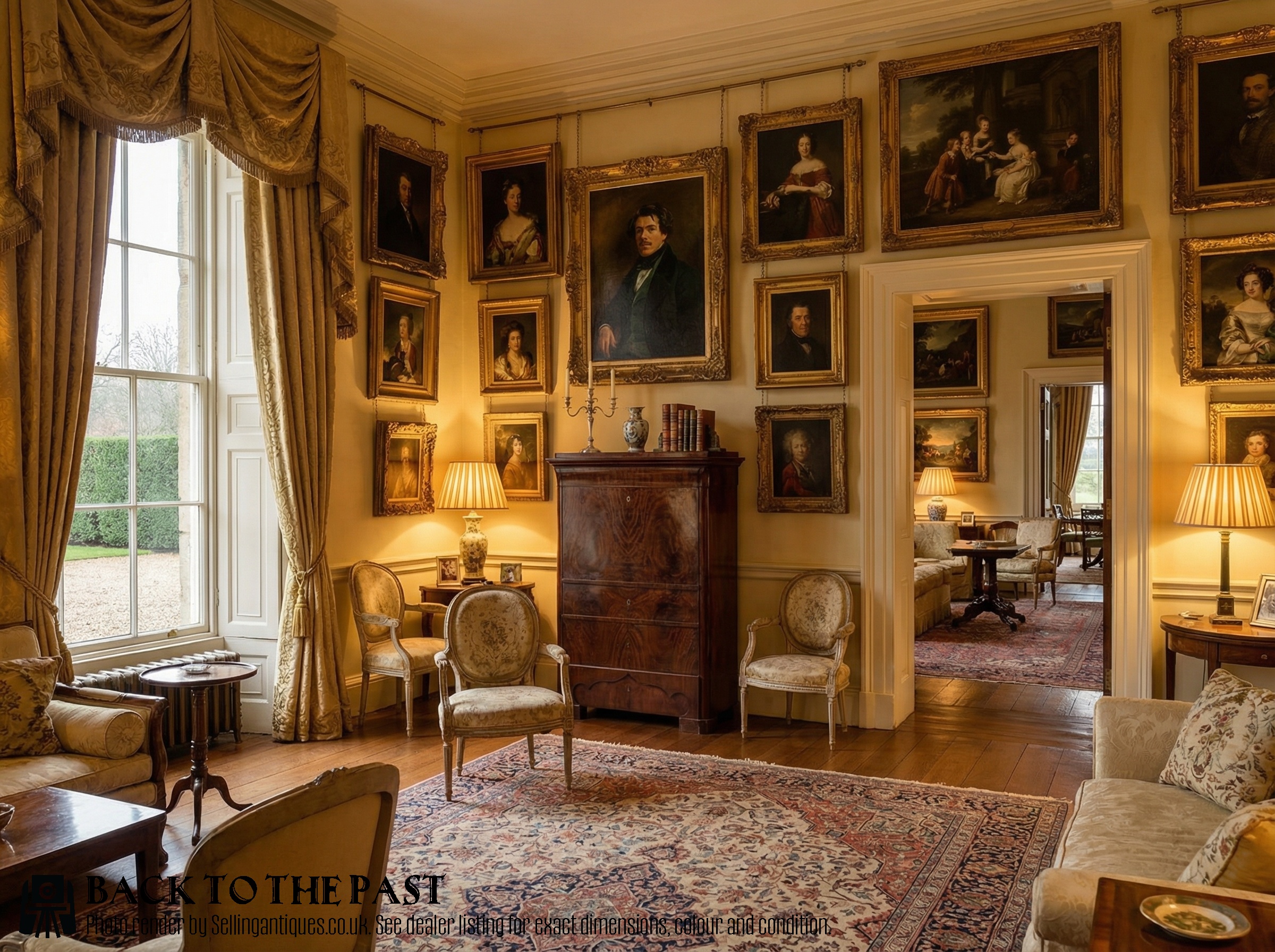
How they were made
Cabinet makers utilised dense hardwoods such as mahogany, walnut, and teak, frequently applying finer veneers over secondary timbers to create patterned surfaces on drawer fronts and fall-front desks. Satinwood often appears inside the fitted compartments to provide a contrasting interior colour.
Construction techniques include precision dovetailing on drawer boxes and the integration of internal hinges and supports designed to bear weight when the writing flap is open. Hardware elements such as brass handles, escutcheons, and cast iron carrying handles are fitted directly into the timber frame.
Retail Price Guide 2026
Typical UK retail prices for brown wood secretaire, calculated from the Sellingantiques database of over a million retail prices indexed since 2003. This retail price guide relies exclusively on Sellingantiques data; no external sources or auction records are used, so the figures do not describe the wider market.
Some pharmacy furniture managed to double as a secretaire, proving that medicine and correspondence once went hand in hand.
What varies in quality
Quality rests in the selection of the timber grain and the precision of the veneer matching across the facade, where superior pieces exhibit continuous figure patterns across multiple drawers. The complexity and condition of the internal pigeonholes and small drawers also dictate the standing of an individual piece.
The integration of secondary materials, such as baize writing surfaces and original brass or cast iron mounts, influences the integrity of the desk. Construction depth, particularly the robustness of the fall-front mechanism and the alignment of the internal writing compartment, separates standard workshop output from finer cabinet work.
The Brown Wood Secretaire Glossary
- Secretaire
- A piece of furniture containing a drawer or flap that drops down to form a writing desk. It conceals internal compartments for paper and ink.
- Escritoire
- A writing cabinet or desk, usually featuring a fall-front writing surface. This term frequently applies to continental European forms.
- Baize
- A coarse woolen material resembling felt. It lines the pull-down writing flaps of many desks.
- Campaign
- Portable furniture designed for military officers on the move. These pieces often feature brass mounts and recessed carrying handles.
Frequently Asked Questions
What is a secretaire?
A secretaire is a cabinet or chest that incorporates a writing desk, typically behind a drop-down panel.
When closed, the piece resembles a standard set of drawers or a bookcase, concealing the writing surface and pigeonholes within.
How do I use a secretaire desk?
The drop-down flap opens to create a flat writing surface supported by brackets or side arms.
Inside, small drawers and compartments provide storage for stationery, letters, and writing implements.
What woods were used for these desks?
Cabinet makers primarily used mahogany and walnut, frequently applying decorative veneers to the exterior surfaces.
Secondary woods such as satinwood appear in the internal fittings to brighten the concealed compartments.