


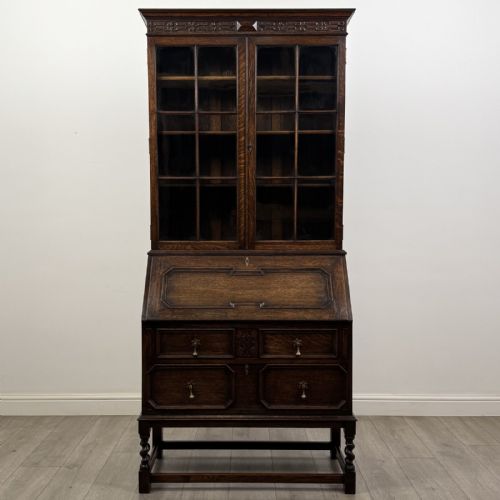
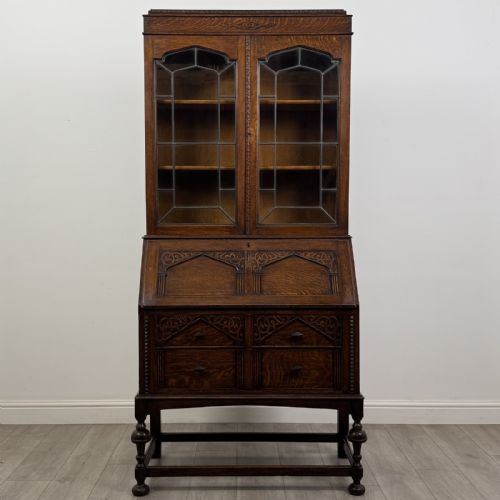
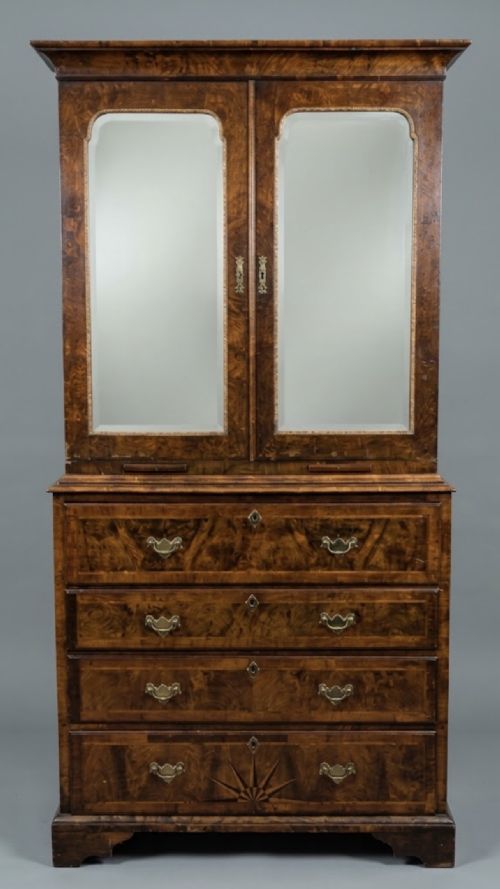
Antique Writing Desk Cabinet
When you search for an antique writing desk cabinet, you encounter fitted storage combined with a practical writing surface for correspondence and accounts.
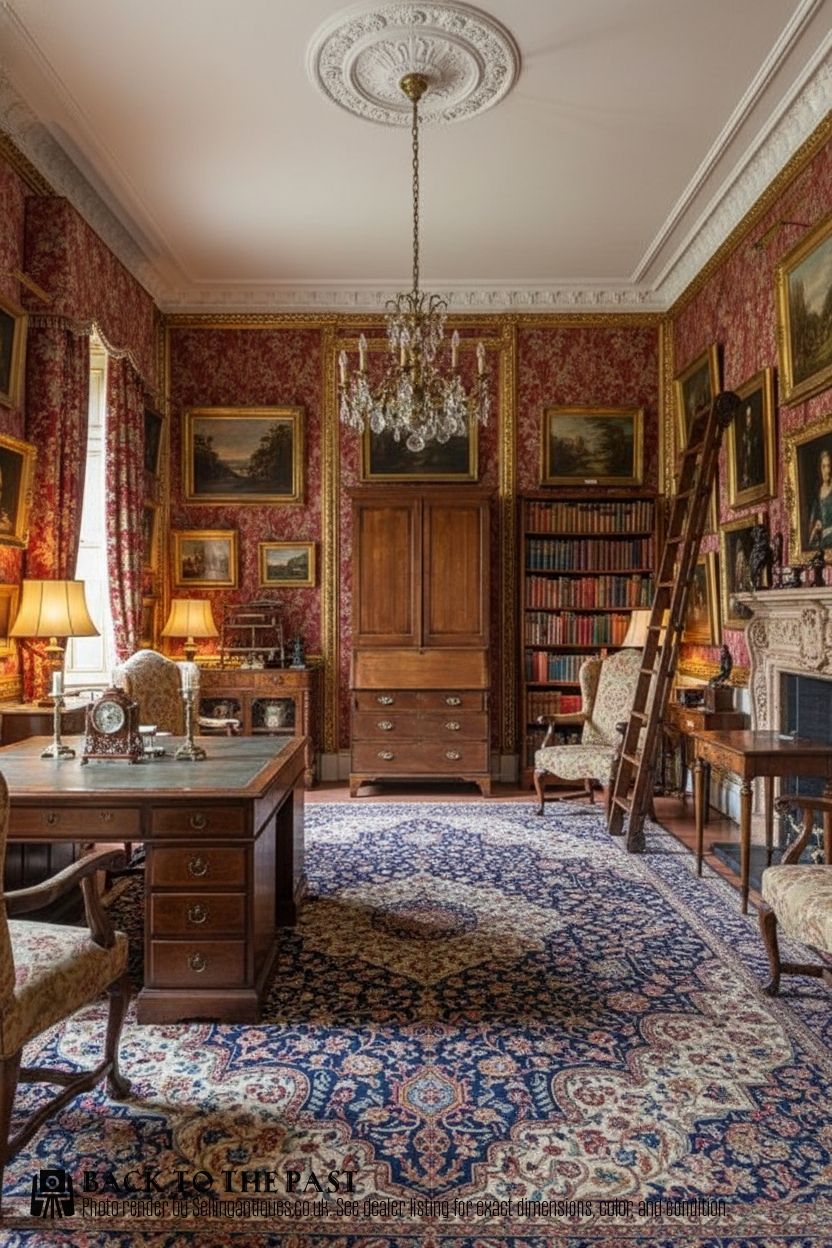
Antique Writing Desk Cabinet
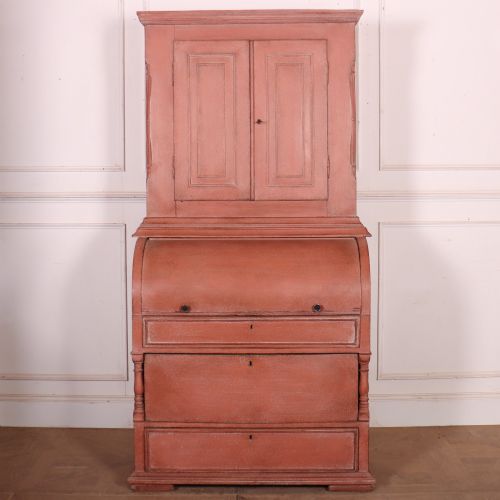
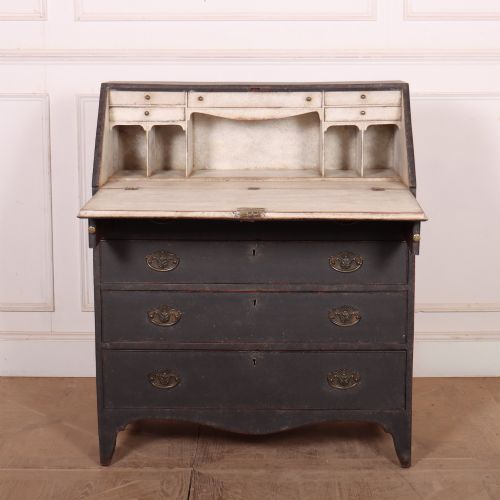
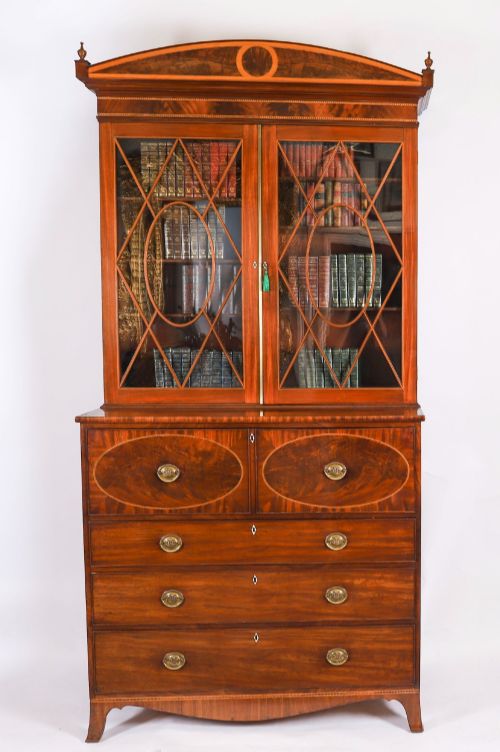
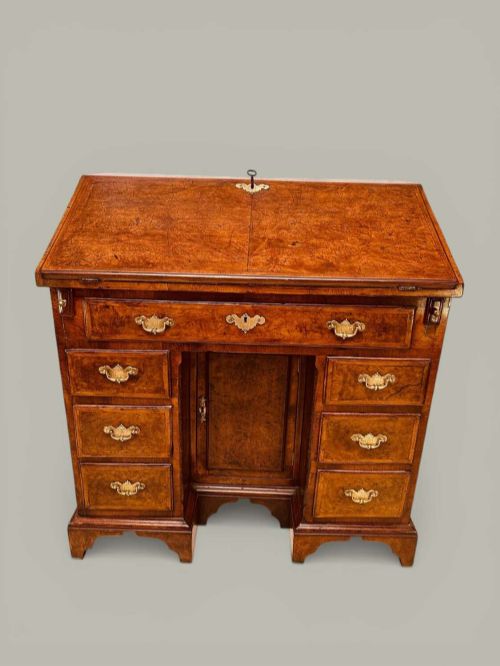
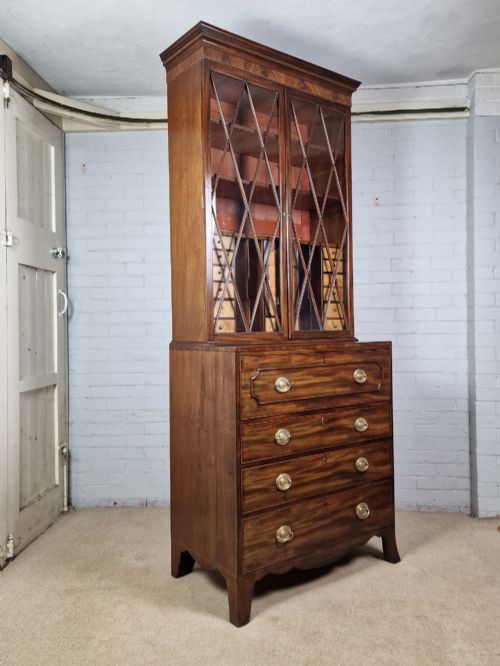
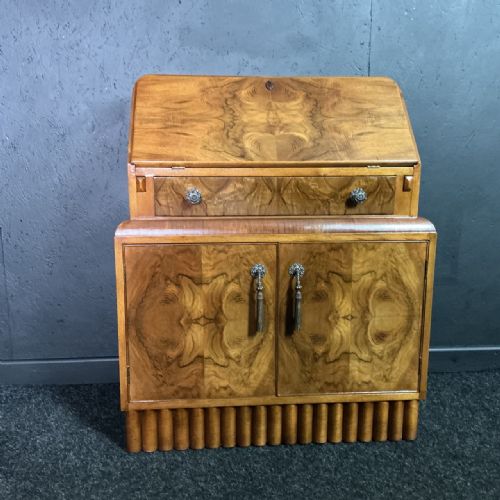
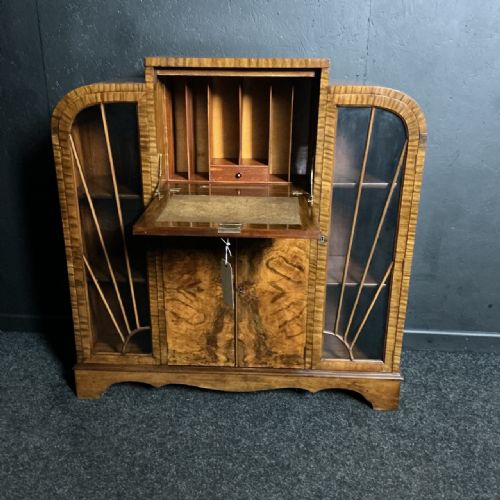
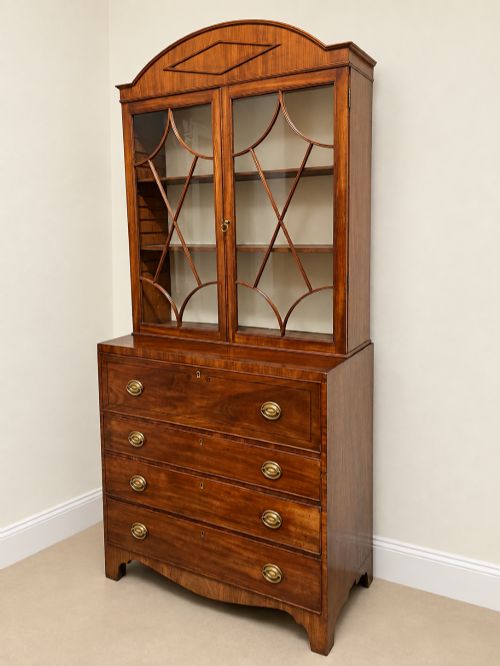
An antique writing desk cabinet brings together a sloping fall-front or pull-out writing slide with built-in shelving, drawers, and pigeonholes for stationery and ledgers. You will frequently find bureau bookcases and secretaire variants dominating the selection, uniting upper display storage behind glass doors with a lower writing compartment.
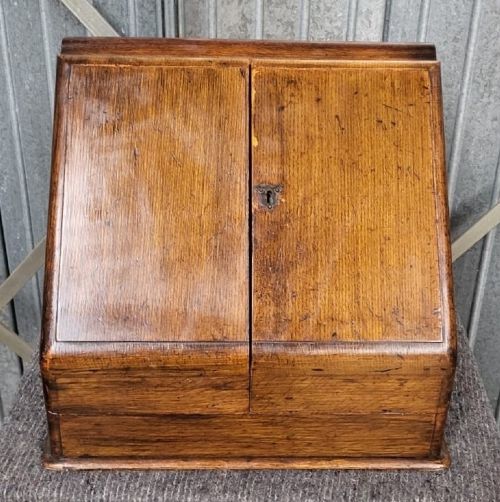
The form spans centuries of domestic architecture, originating from simpler oak and walnut frames and evolving through the Georgian and Regency periods into finely figured mahogany and burr walnut. Edwardian iterations introduce lighter timbers like yew and simpler oak construction, often incorporating linenfold panels or ebonised details.
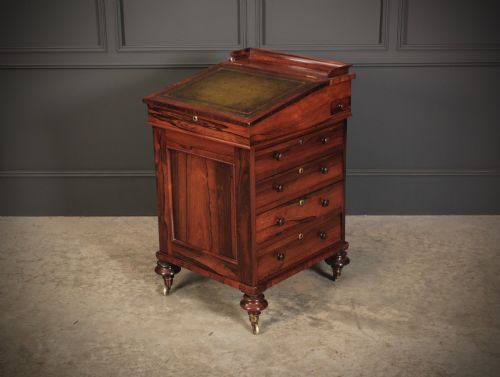
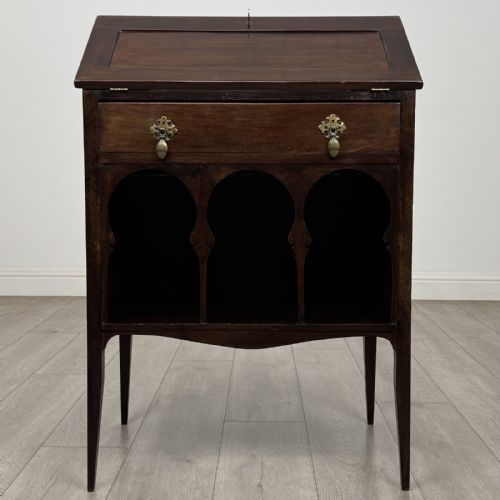
Compact forms such as the Davenport and the secretaire abattant offer writing space and internal compartments within a smaller footprint, suited to nineteenth-century drawing rooms and boudoirs. Larger bureau bookcases combine architectural presence with extensive shelving and enclosed desk spaces.
How They Were Made
Cabinet makers utilised dense hardwoods including mahogany, oak, and walnut, frequently applying decorative veneers such as flame mahogany or burr walnut to the primary surfaces. Crossbanding, featherbanding, and floral marquetry in contrasting timbers were employed to frame drawer fronts and fall-front panels.
Internal components relied on solid secondary woods for drawer linings and pigeonhole dividers, constructed with hand-cut dovetails for durability. Brass hardware, including drop handles, escutcheons, and hinges, secured the doors and drawers while adding structural contrast to the timber.
Antique Writing Desk Cabinet Retail Price Guide 2026
Typical asking prices for writing desk cabinet among the pieces listed under this phrase on Sellingantiques today, from the lower quarter to the upper quarter. They describe what is for sale here now, not the wider market.
Listings span seventeenth-century walnut pieces to Edwardian oak variants, incorporating brass fittings and glass-fronted bookcases.
What Varies in Quality
The degree of figuring in the veneer and the precision of the matching across large surfaces define the visual standard of a piece. Fine examples display continuous grain patterns across drawer fronts and harmonious inlay work without visible disruption.
Interior organisation reveals the maker's attention to detail, separating standard utility pieces from exceptional ones through secret compartments, shaped pigeonholes, and finely turned small drawers. The integration of glazed upper doors with hand-pulled glass and slender timber glazing bars also indicates higher production standards.
Gillows
The Antique Writing Desk Cabinet Glossary
- Bureau
- A desk featuring a sloping hinged lid that drops down to reveal a fitted interior of small drawers and pigeonholes. It usually sits atop a chest of drawers.
- Secretaire
- A piece of furniture containing a concealed writing drawer or drop-front desk compartment disguised as a standard drawer or cabinet door. This form allows a larger chest or bookcase to function as a writing desk.
- Bureau Bookcase
- A combined form featuring a lower writing bureau surmounted by an upper shelving cabinet, frequently enclosed by glazed doors. These pieces served as combined libraries and administrative desks.
- Marquetry
- Decorative veneer work created by fitting together small pieces of different coloured woods, ivories, or shells to form pictorial or floral designs. It was widely applied to eighteenth-century cabinet fronts.
- Davenport
- A compact writing desk featuring a sloped, hinged writing surface above a pedestal of side drawers. Developed in the nineteenth century, it often includes a stationery box on top.
Antique Writing Desk Cabinet: Frequently Asked Questions
What is a secretaire bookcase?
A secretaire bookcase combines a shelved upper cabinet with a lower section containing a pull-out or drop-front desk drawer.
The fitted interior conceals small drawers and pigeonholes behind a writing surface while keeping books stored visibly above.
How do I use a bureau desk?
You release the brass catches to lower the sloping front panel, which rests flat to create a writing surface.
Inside, the built-in compartments hold stationery, letters, and small implements while concealing your ongoing correspondence when closed.
What woods were used in Georgian desks?
Georgian cabinet makers primarily worked with solid and veneered mahogany, alongside oak and walnut for internal framing.
Finer examples featured flame mahogany or marquetry inlay to accentuate the primary surfaces of the fall front.
Where were Davenports placed?
Davenport desks were designed as compact writing units for nineteenth-century drawing rooms and parlours.
Their small footprint and side drawers allowed them to sit freestanding in rooms where space was limited.