

Oak Writing Cabinet
An oak writing cabinet brings solid timber and compact practicality to a room, offering a dedicated surface for correspondence.
What these pieces are
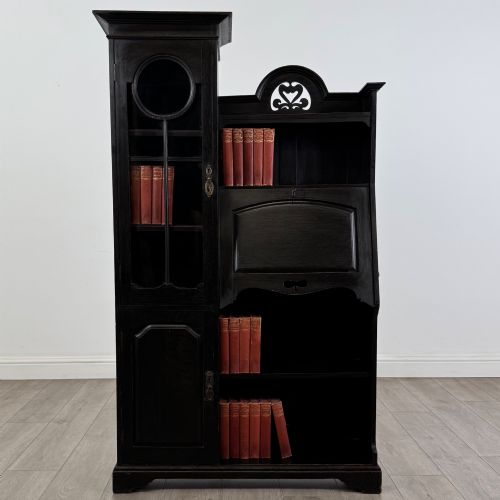
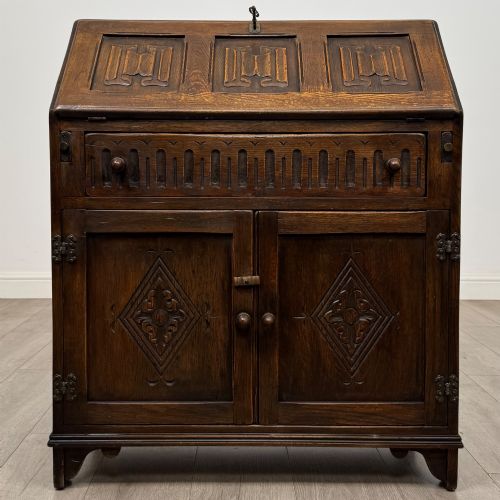
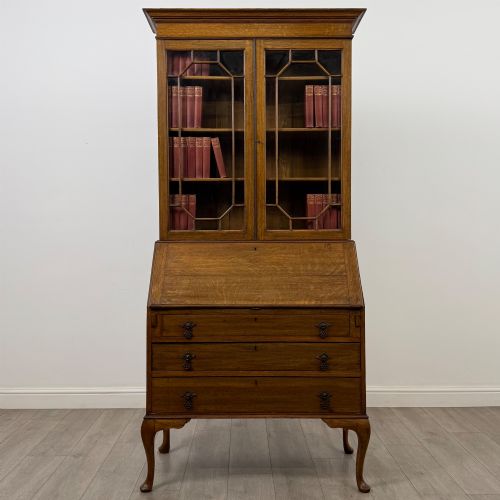
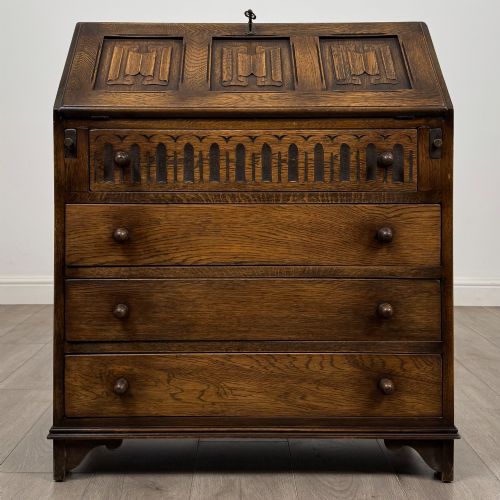
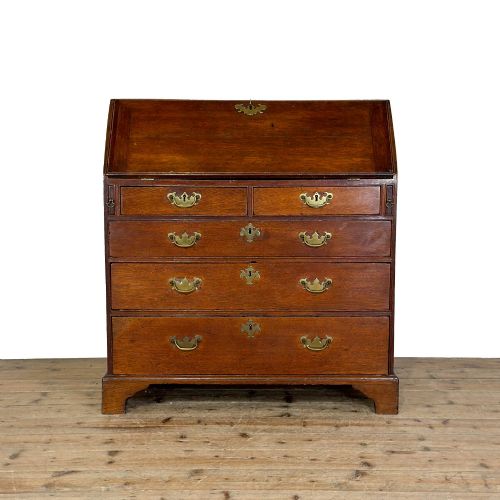
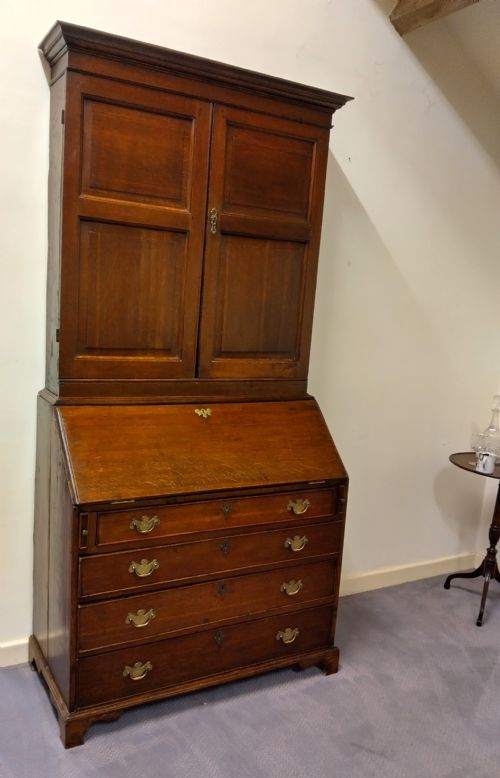
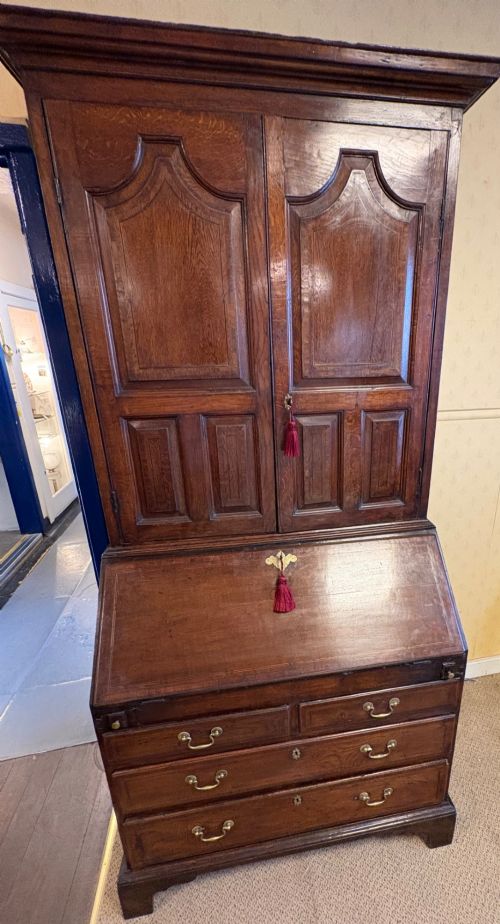
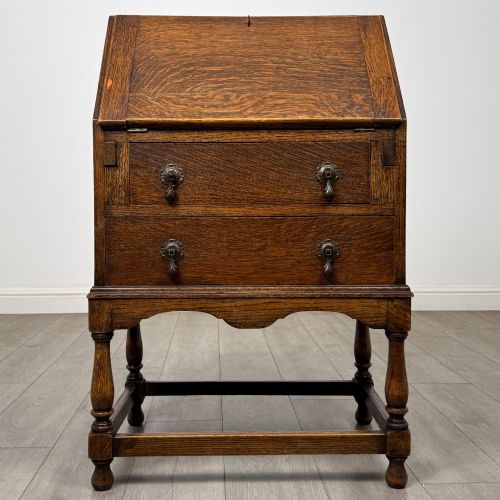
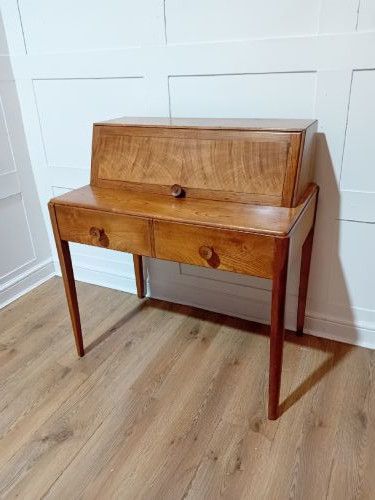
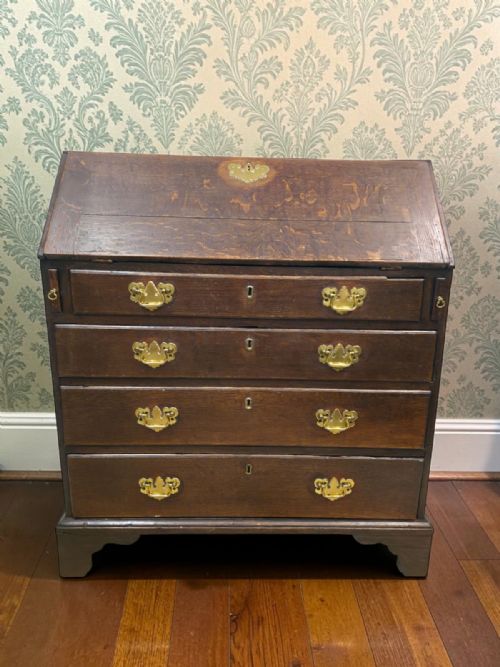
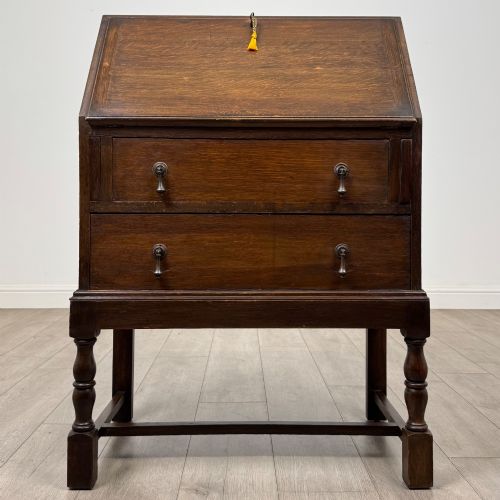
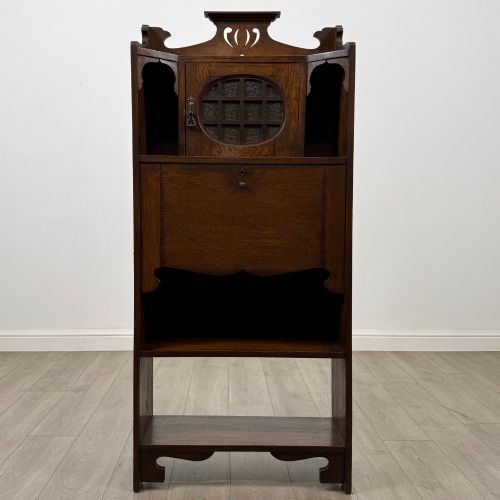
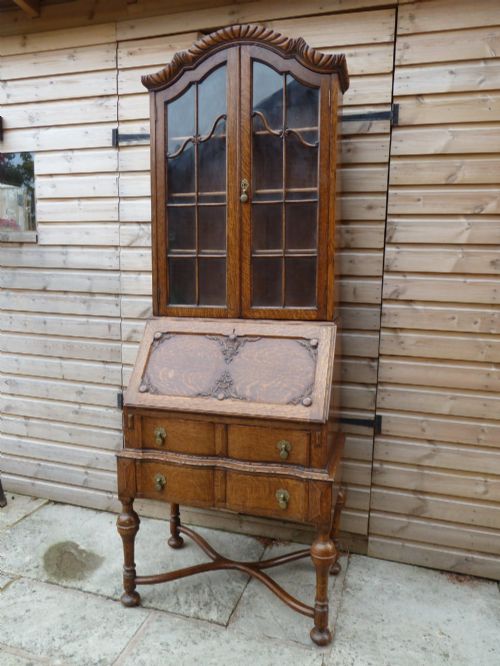
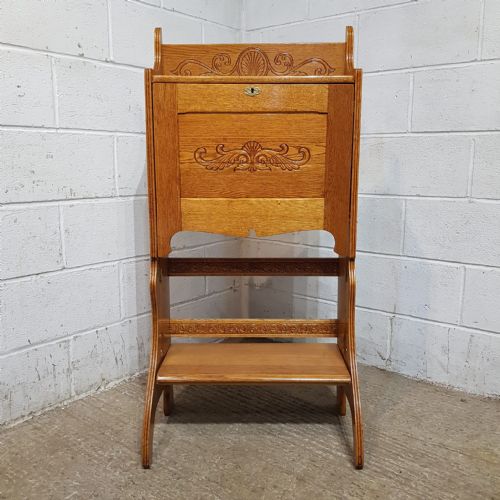
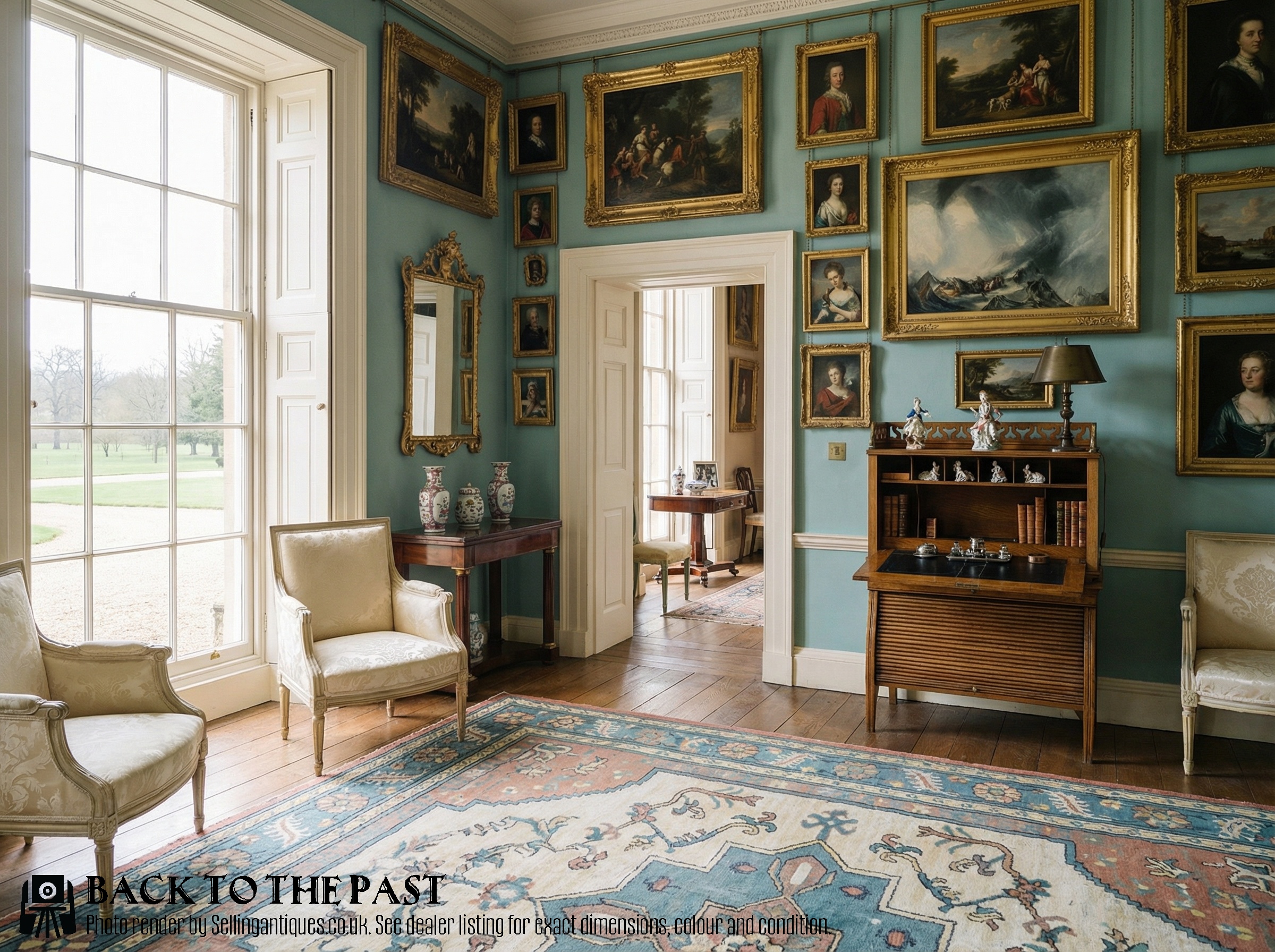
An oak writing cabinet combines storage for stationery with a surface for writing, appearing across Georgian, Victorian, and Edwardian periods. These pieces range from fall-front bureaux and bureau bookcases to tabletop writing boxes and cabinets on stands.
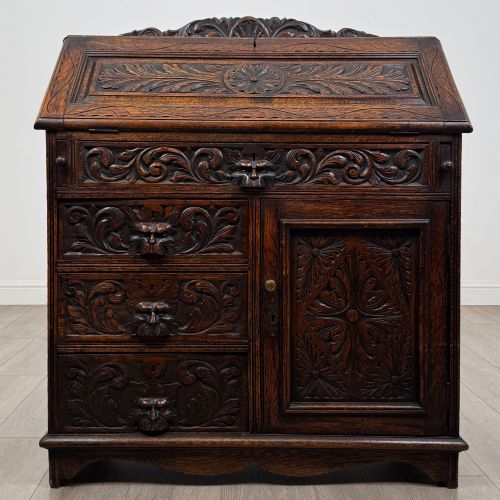
The materials and styles span simple vernacular desks to elaborate revival pieces, incorporating Tudor Revival, Jacobean Revival, and Arts and Crafts designs. Small sizes and fitted interiors with pigeonholes and small drawers appear frequently across the selection.
Buyers encounter everything from late eighteenth-century folding desks to early twentieth-century bureau bookcases in solid oak. Many examples integrate glazed upper bookcases or carved linenfold decoration into their structural design.
How they were made
Cabinet makers utilised solid oak timbers, frequently complemented by brass hardware such as drop handles, escutcheons, and hinges. Glass panels feature in the upper doors of bookcase variants to display books and papers.
Construction techniques include hand-carved panels, pigeonhole joinery, and fold-out writing slopes supported by internal lopers. Surface treatments rely on traditional polishing to reveal the natural grain and figure of the oak.
Retail Price Guide 2026
Typical UK retail prices for oak writing cabinet, calculated from the Sellingantiques database of over a million retail prices indexed since 2003. This retail price guide relies exclusively on Sellingantiques data; no external sources or auction records are used, so the figures do not describe the wider market.
Many small stationery boxes hide secret compartments beneath their writing slopes for confidential letters.
What varies in quality
The distinction between standard utility items and finer examples lies in the selection of timber and the precision of internal cabinetry. Superior pieces feature well-figured oak boards, finely dovetailed small drawers, and crisp, hand-executed carving.
Hardware selection and structural integrity separate workshop output from mass production, particularly in the fit of fall-front writing slopes and the operation of internal mechanism compartments.
James Shoolbred & Co·The Bath Cabinet Makers·Gillows
The Oak Writing Cabinet Glossary
- Bureau
- A desk featuring a sloping hinged lid that opens to form a writing surface above a series of drawers. This form provides both writing space and concealed compartment storage.
- Secretaire
- A piece of furniture incorporating a pull-down or drop-front writing drawer that conceals a fitted interior of pigeonholes and small drawers. It often sits within the upper section of a bookcase or cabinet.
- Linenfold
- A style of wood carving that imitates folded parchment or linen, commonly found on panels of Edwardian and revival furniture. It adds vertical texture to cabinet doors and fall-fronts.
- Loper
- A pull-out wooden arm or bracket that extends from the cabinet frame to support an open writing flap. These slide smoothly beneath the writing surface when closed.
- Escutcheon
- A flat plate of brass surrounding a keyhole to protect the surrounding wood from wear. They are functional details that often reflect the period style of the mountings.
Frequently Asked Questions
What is an oak writing cabinet?
An oak writing cabinet is a piece of furniture designed for correspondence and storage, combining a writing surface with compartments for paper and pens.
These pieces range from small tabletop stationery boxes to large bureau bookcases incorporating shelving and cupboards.
How do you use a bureau bookcase?
The fall-front flap folds down to create a horizontal desk surface, revealing internal pigeonholes and small drawers for organising letters.
The upper bookcase section provides glazed or solid door storage for books and documents, keeping them visible or protected.
How do you date an oak writing cabinet?
Dating relies on stylistic clues, construction methods, and hardware types, moving from plain eighteenth-century Georgian forms to heavily carved Victorian revival styles.
Edwardian and Arts and Crafts examples often feature cleaner lines or specific maker signatures that anchor them to the late nineteenth or early twentieth century.
Where should I place a writing cabinet?
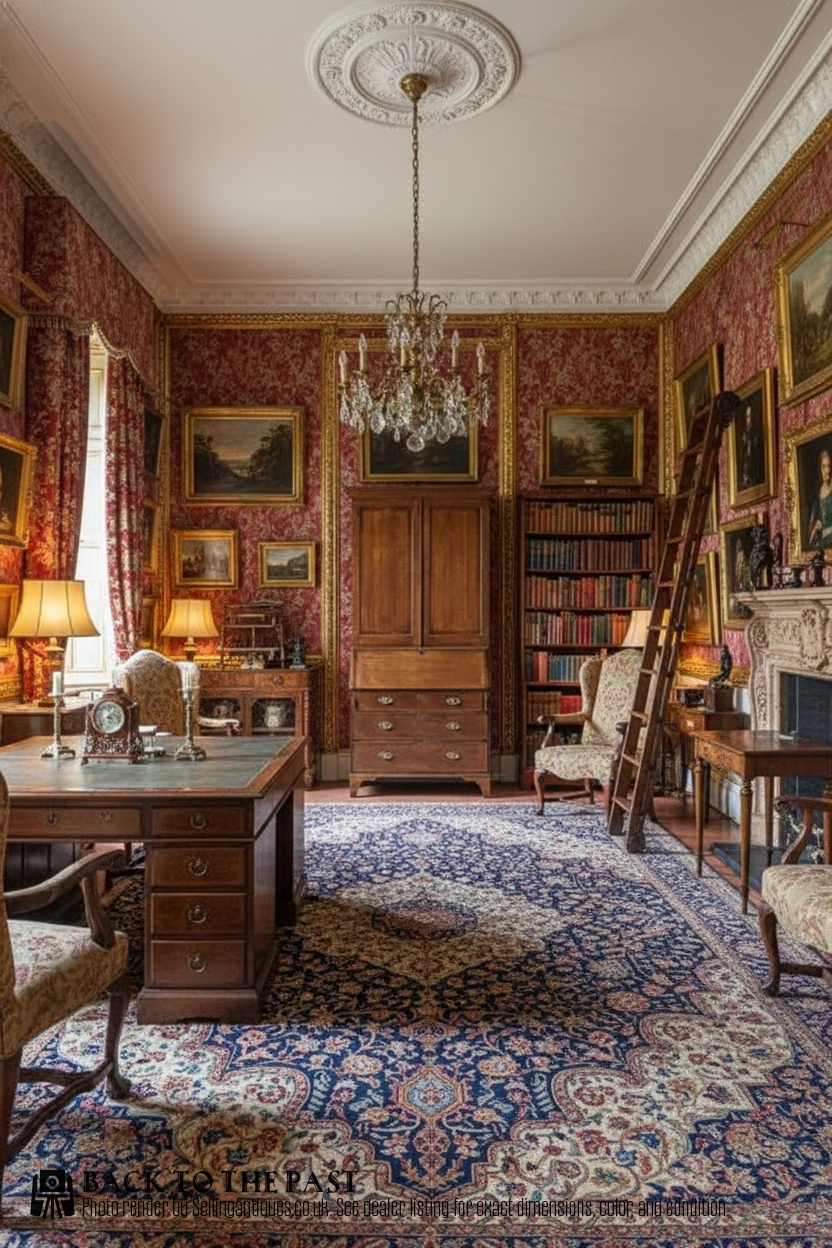
These cabinets suit studies, living rooms, or hallways where their compact footprint provides both surface area and discreet storage.
Positioning them away from direct heat sources helps protect the oak timber and prevents the wood from drying out.