

Dark Wood Secretary Desk
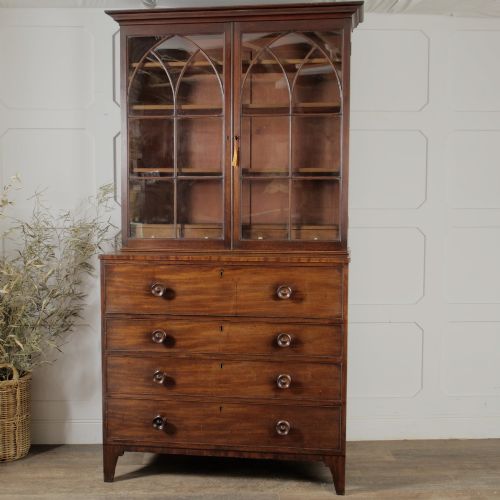
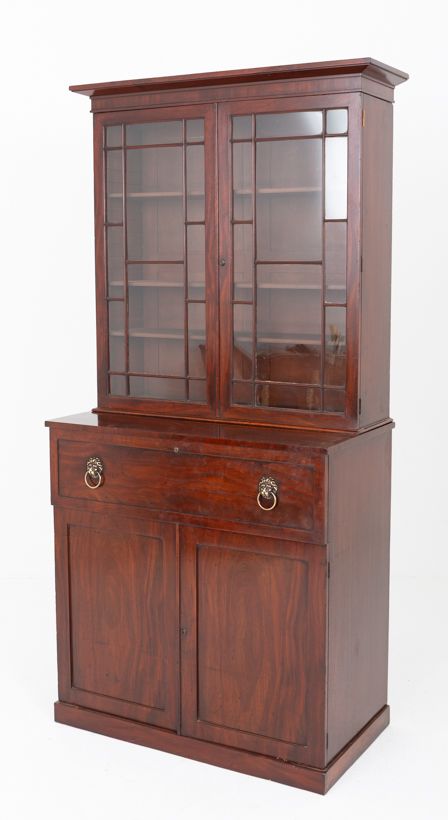
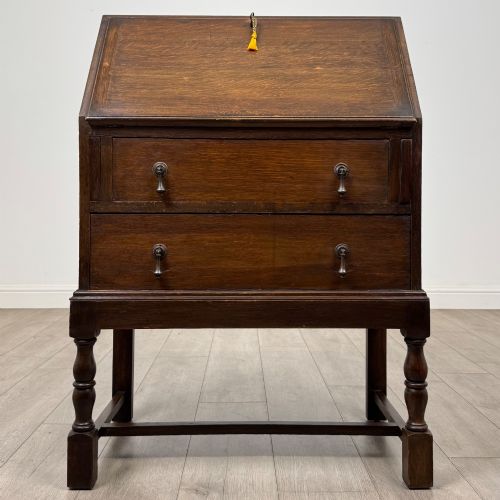
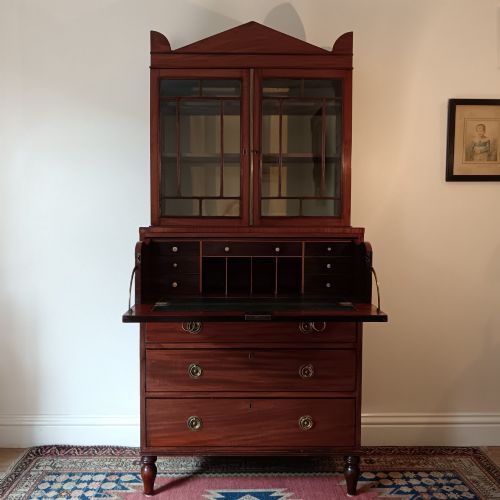
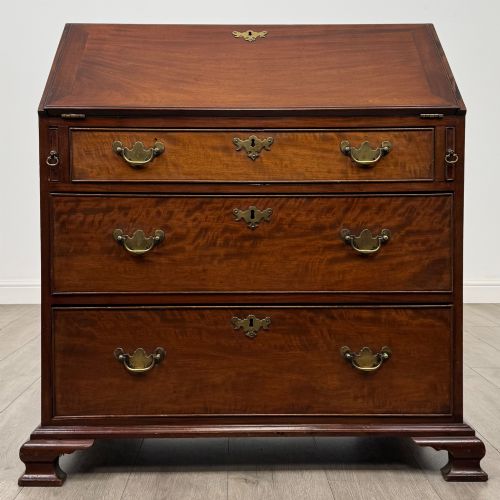
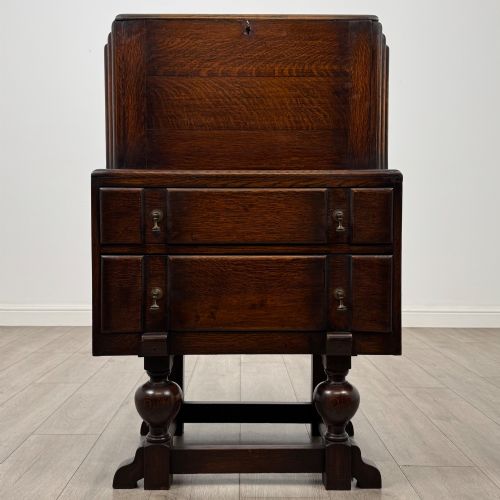
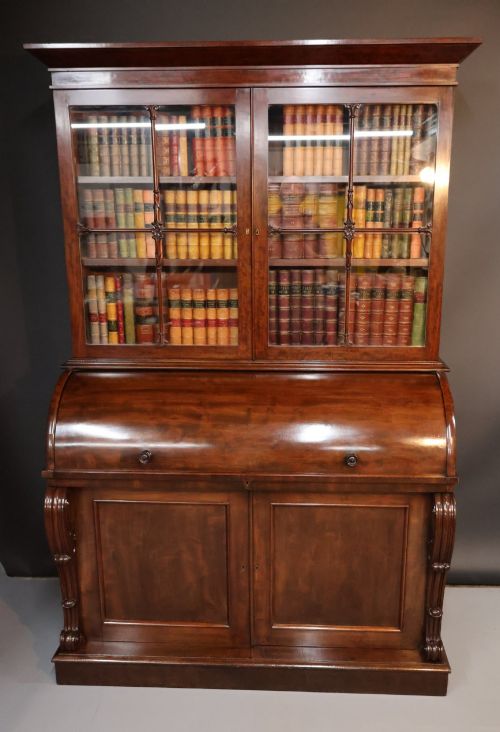
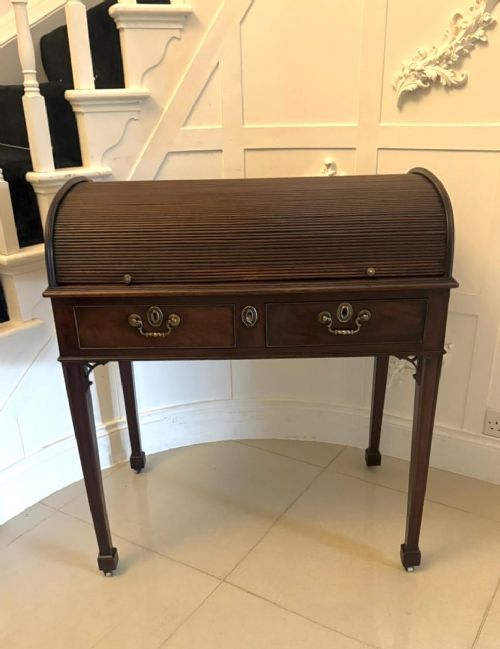
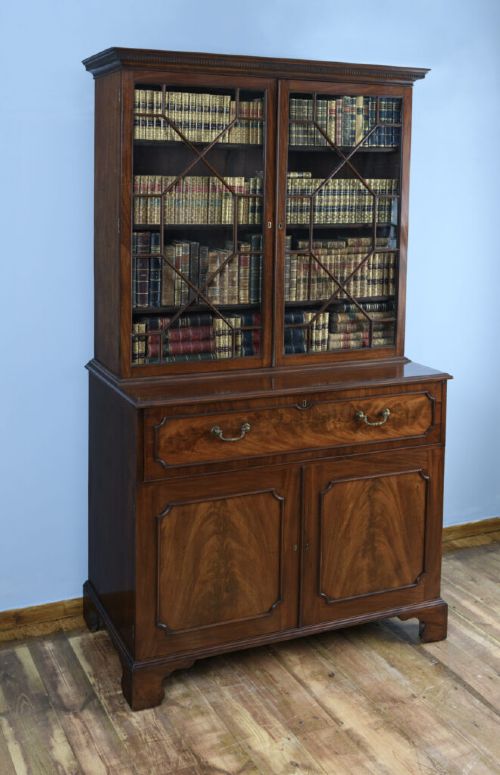
These dark wood secretary desk pieces are handsome writing cabinets built for serious correspondence, combining a concealed fall-front writing surface with ample upper shelving.
What these pieces are
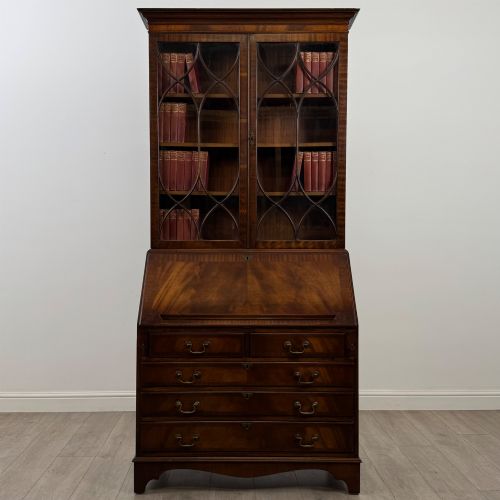
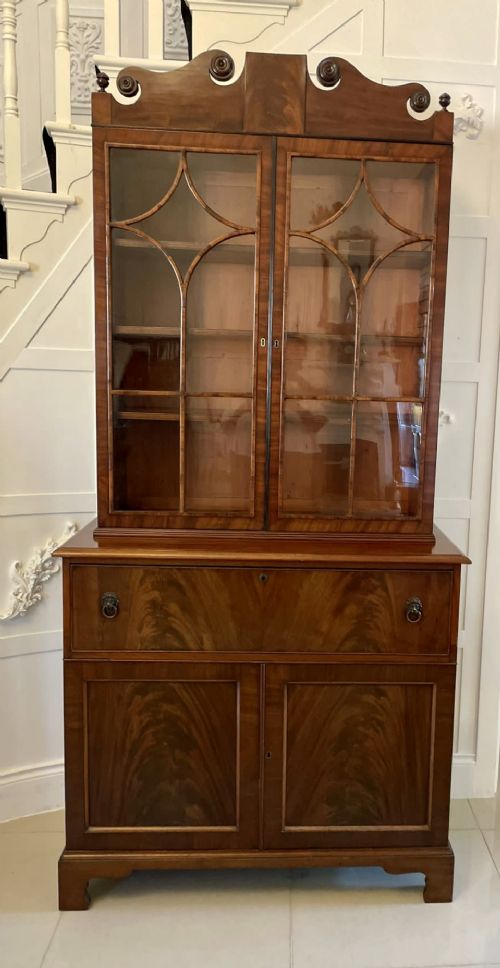
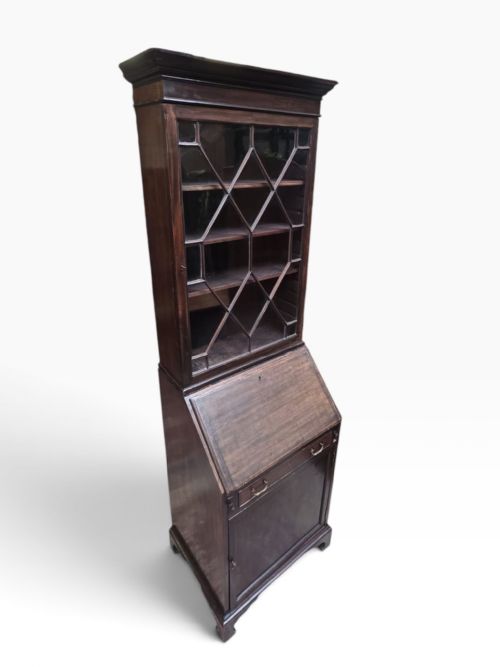
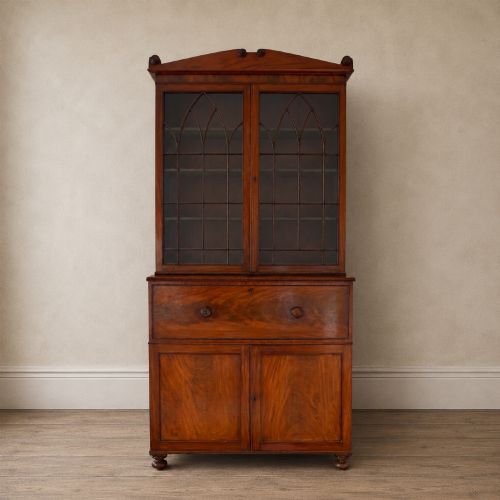
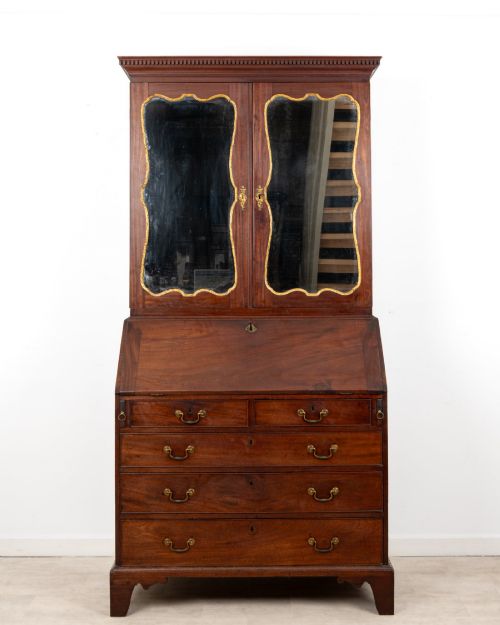
A dark wood secretary desk combines a fitted writing compartment with an enclosed bookcase, creating a substantial piece of furniture designed for study and storage. When exploring these listings, buyers encounter grand bureau bookcases and bureau cabinets spanning the eighteenth and nineteenth centuries.
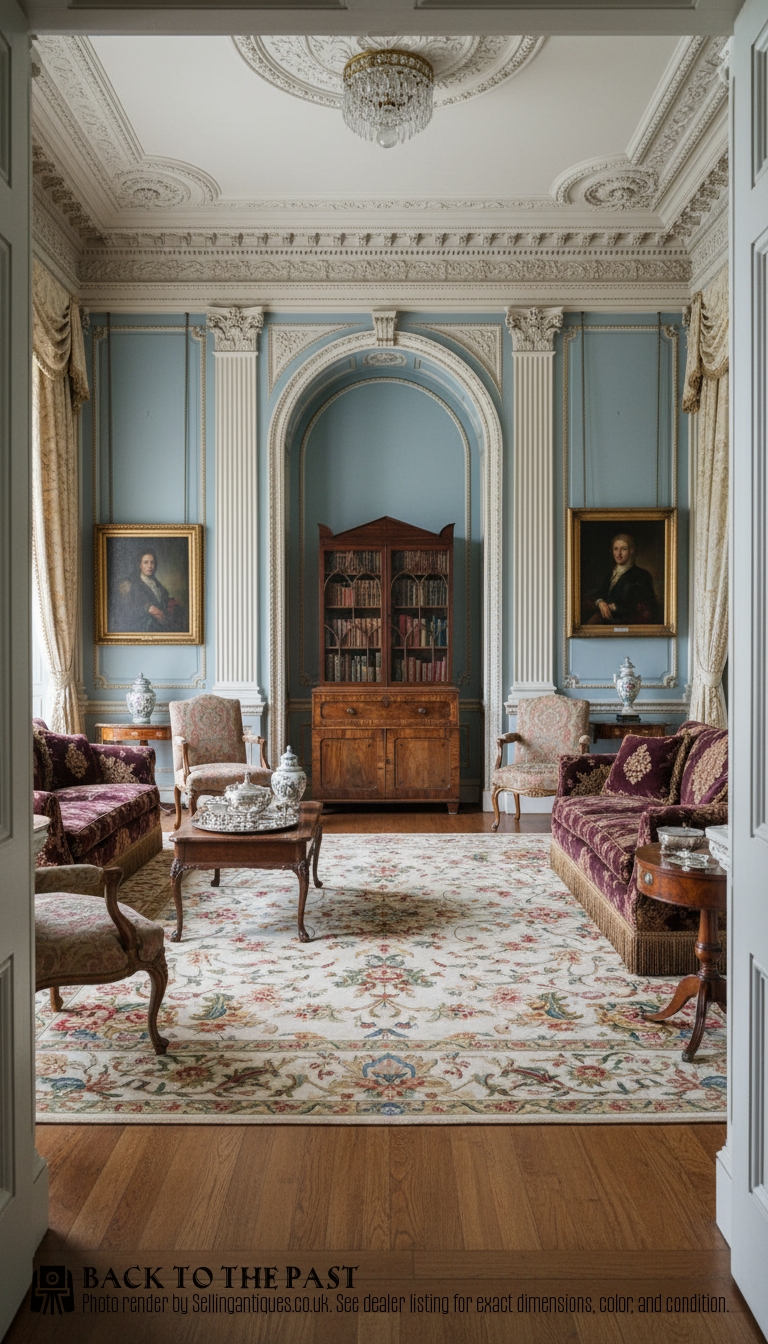
How they were made
Cabinetmakers constructed these pieces primarily from solid and veneered mahogany, frequently incorporating secondary timbers like oak. Finer examples display delicate satinwood inlay work that contrasts sharply against the dark primary wood.
Functional metal hardware such as brass handles and escutcheons secure the doors and drawers. Glass panels enclose the upper bookcase sections to protect books and papers from dust.
Retail Price Guide 2026
Typical UK retail prices for dark wood secretary desk, calculated from the Sellingantiques database of over a million retail prices indexed since 2003. This retail price guide relies exclusively on Sellingantiques data; no external sources or auction records are used, so the figures do not describe the wider market.
Giles Grendy left behind cabinet work sturdy enough to outlive several generations of correspondence.
What varies in quality
Superior examples distinguish themselves through the choice of timber and the precision of decorative inlay work, such as contrasting satinwood details. The architecture of the interior pigeonholes and small drawers reveals the maker's dedication to hidden craftsmanship.
Proportion and structural integrity define the upper tier of these pieces, where balanced door framing and smooth fall-front action separate exceptional cabinet work from standard production.
GILES GRENDY
The Dark Wood Secretary Desk Glossary
- Bureau bookcase
- A tall combination piece featuring a sloping writing flap above drawers, topped by an enclosed set of shelves. This dual-purpose form dominated gentleman's studies.
- Fall-front
- A hinged writing surface that drops down to a horizontal position for working. It conceals a fitted interior of small drawers and pigeonholes when closed.
- Satinwood inlay
- A decorative technique inserting lighter contrasting wood into the primary timber surface. Cabinetmakers used this method to create fine geometric borders.
- Biedermeier
- A Central European style from the nineteenth century prioritising clean lines and domestic utility over ornate carving. It showcases the natural grain of the wood.
Frequently Asked Questions
How do I date these desks?
Dating relies on identifying the prevailing stylistic markers, such as the architectural cornices of the Georgian period or the cleaner lines of Edwardian examples. Materials also offer clues, as satinwood inlay and specific brass hardware designs shifted across decades.
Construction methods inside the drawer boxes further help distinguish eighteenth-century pieces from later nineteenth-century interpretations.
Where were these pieces used?
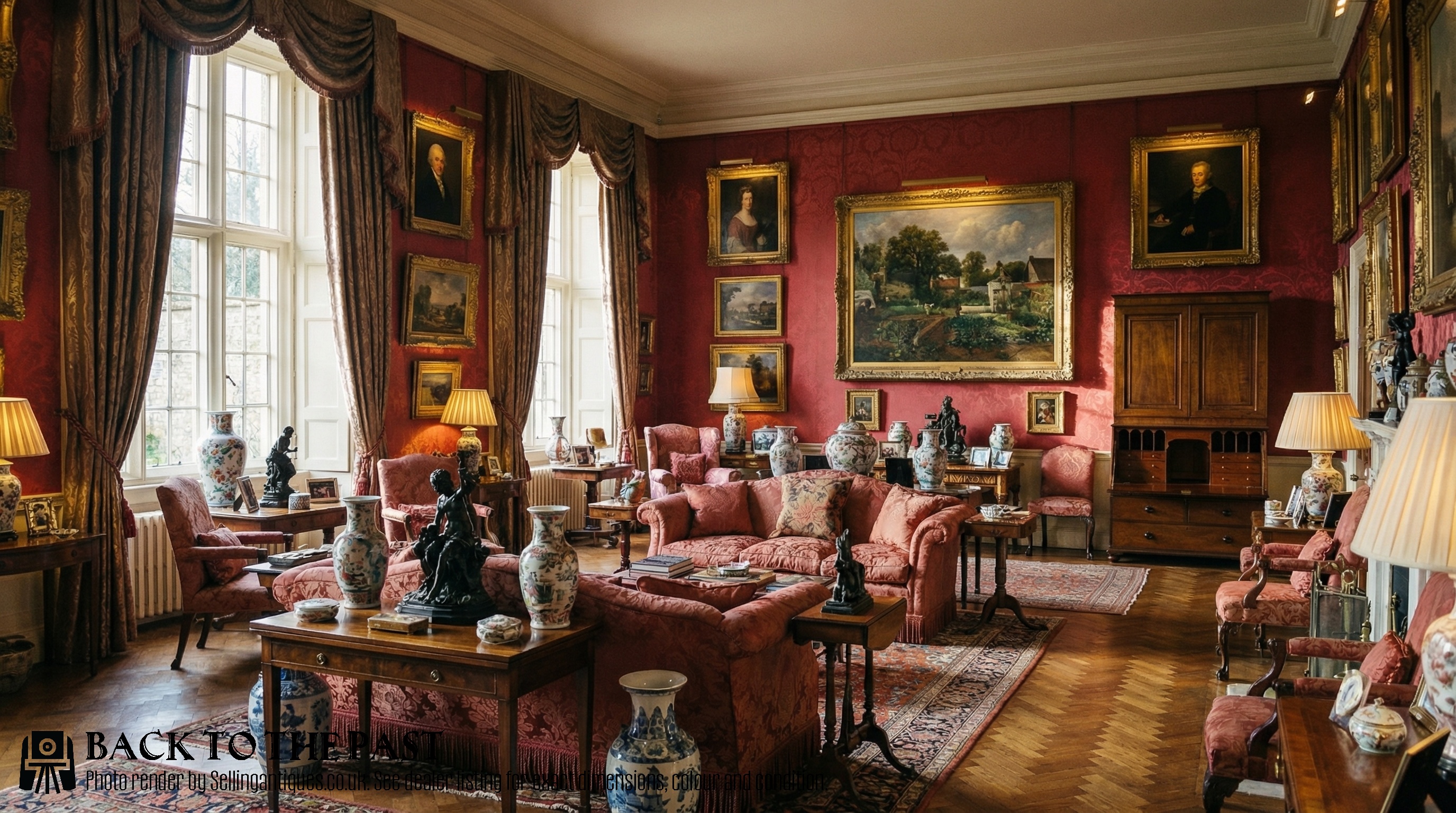
They originated as private workspace furniture for wealthy households, placed in studies, libraries, or private drawing rooms. Their lockable compartments kept confidential correspondence and valuable ledgers secure.
Today, they function equally well in contemporary homes as practical workstations with generous vertical storage capacity.
What styles are available?
The inventory spans several distinct aesthetic movements, ranging from formal Georgian and George III designs to the lighter Edwardian interpretation. Regency and Biedermeier examples introduce alternative continental and neoclassical influences.
Each style brings specific proportions and decorative treatments to the foundational bureau bookcase form.