
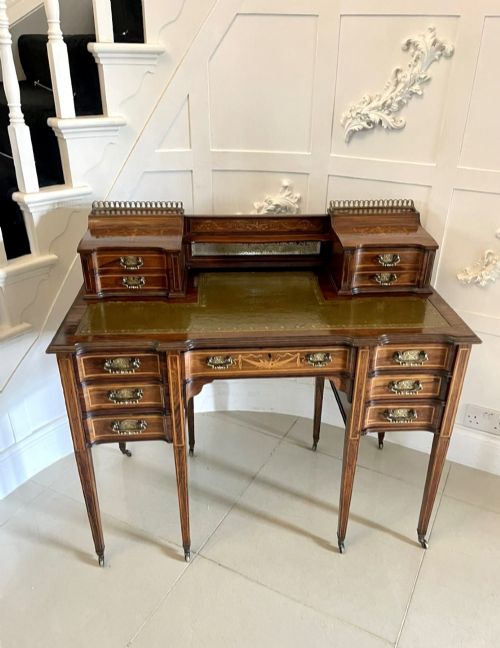
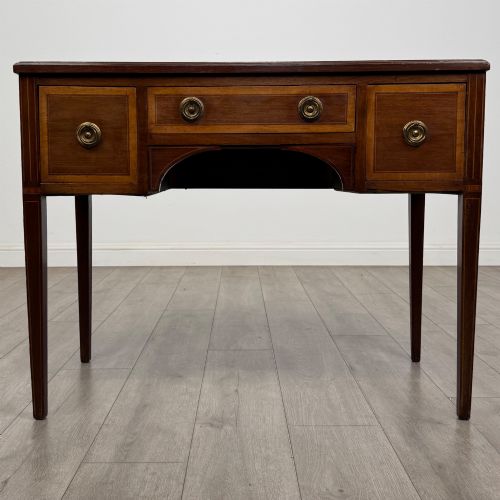
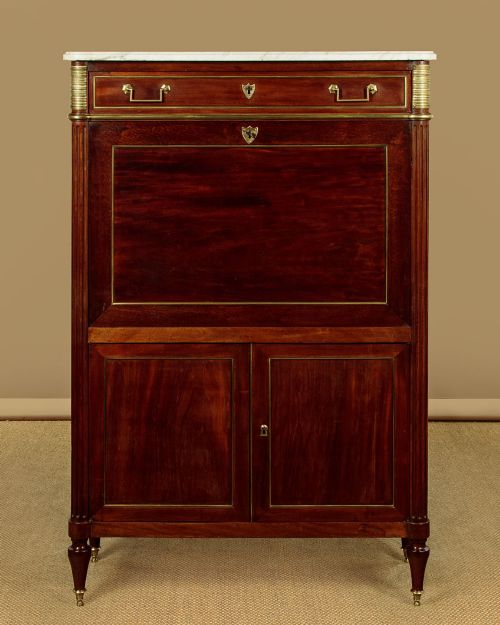
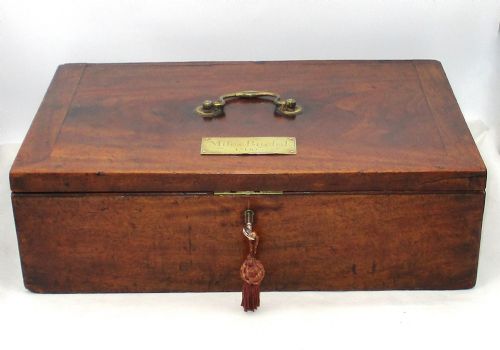
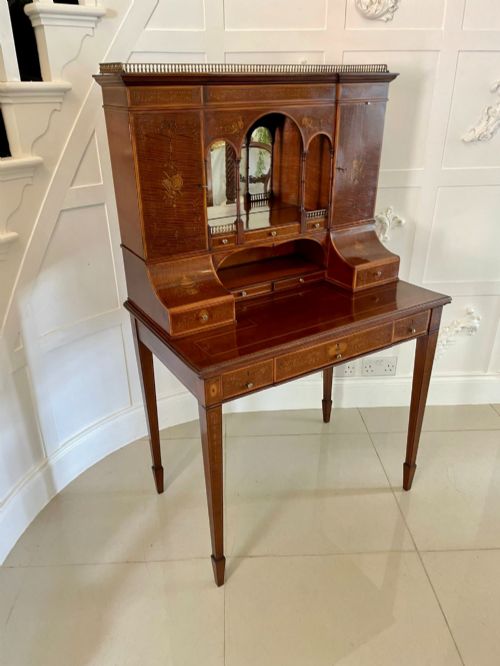
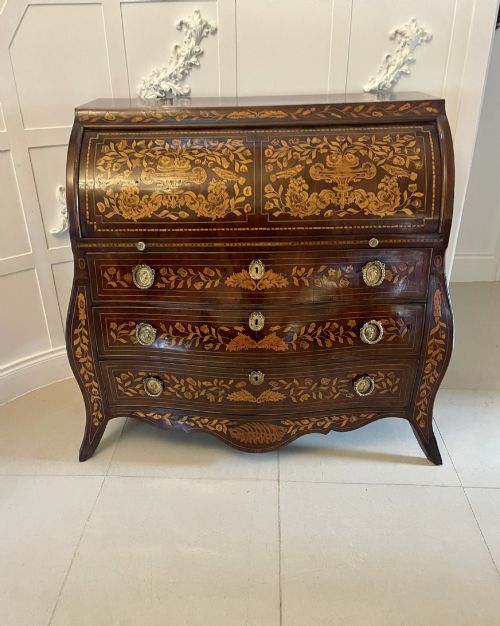
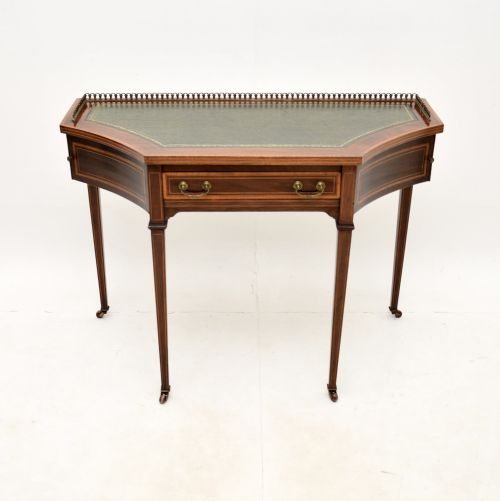
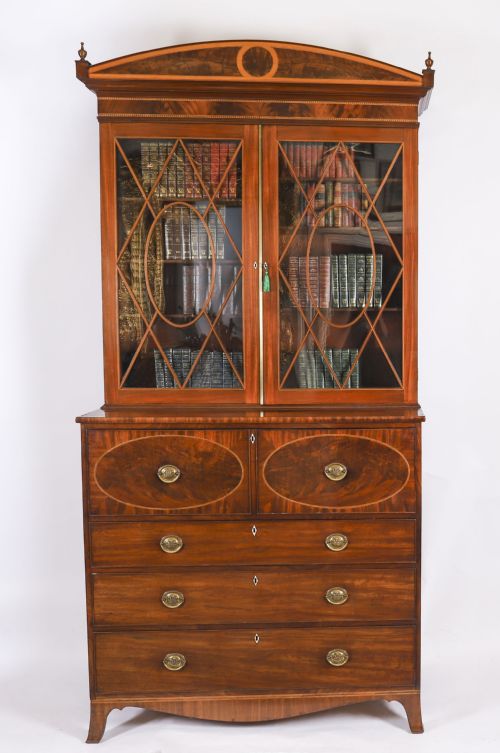
Inlaid Mahogany Writing Desk
An inlaid mahogany writing desk brings together refined cabinetmaking and practical stationery storage from the Georgian, Regency and Edwardian eras.
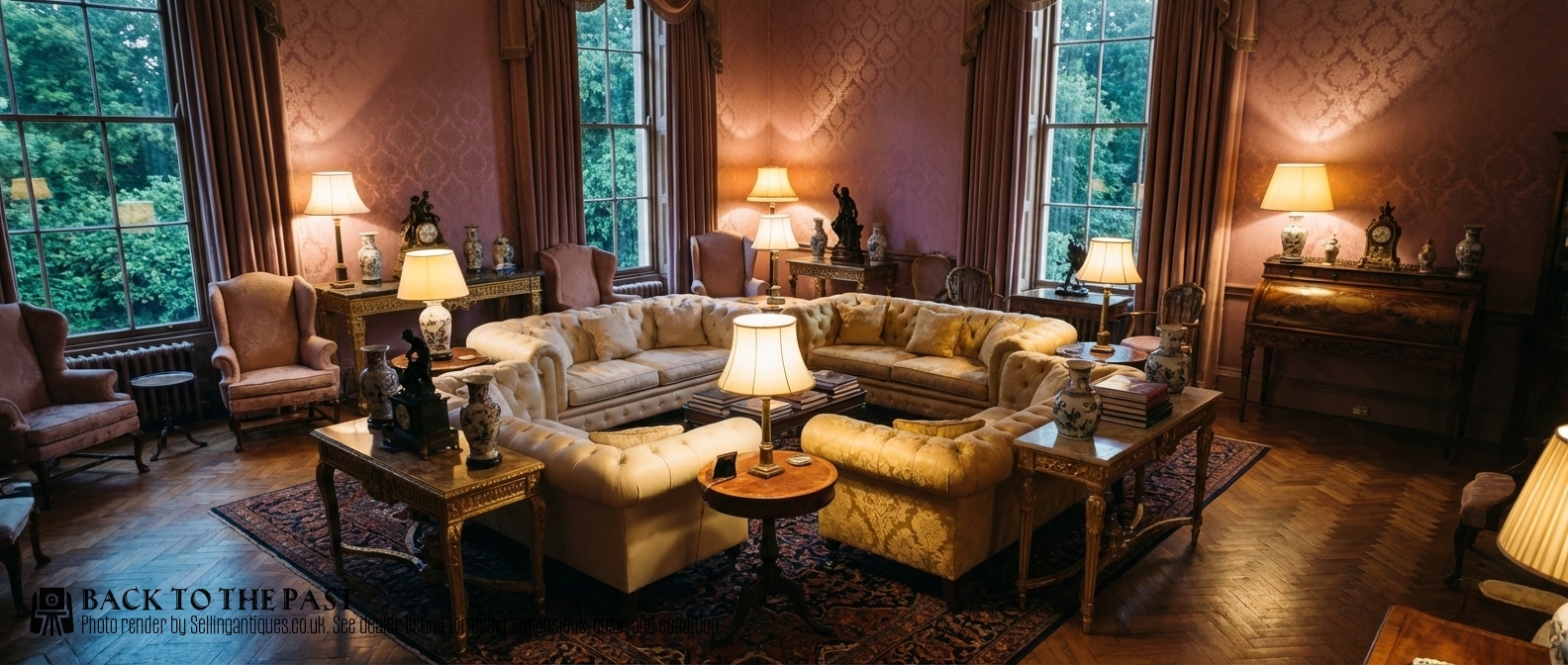
Inlaid Mahogany Writing Desk
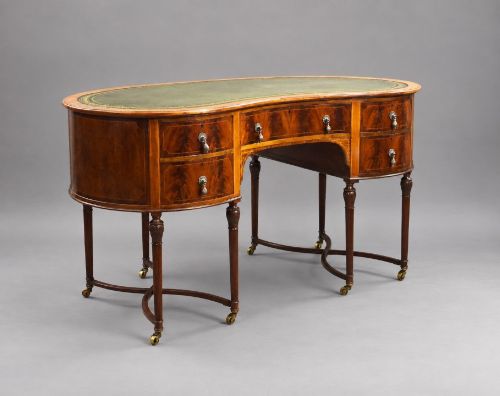
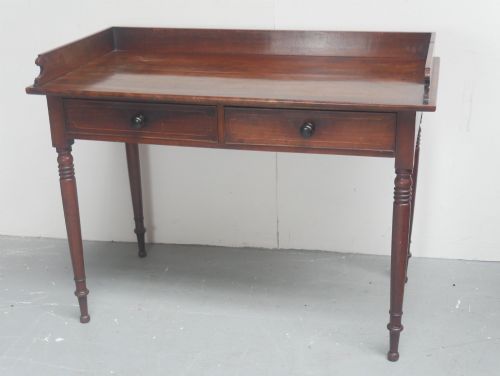
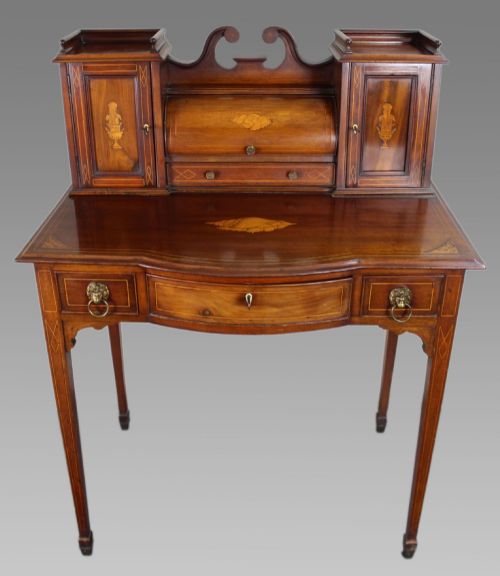
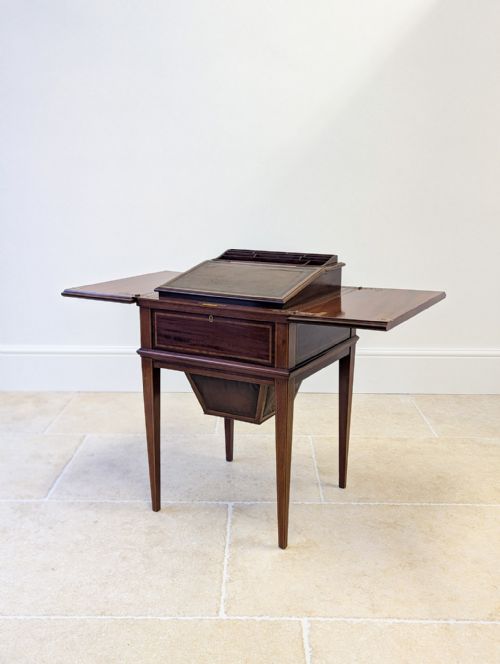
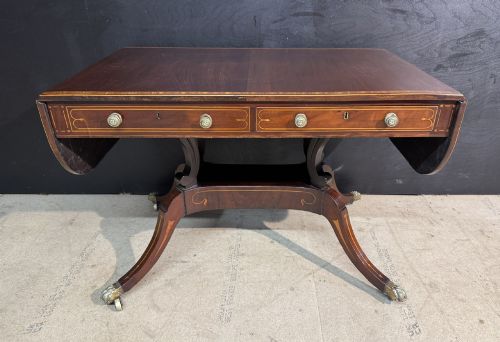
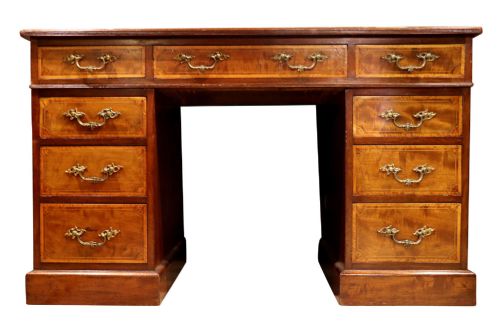
An inlaid mahogany writing desk encompasses a diverse group of writing furniture, from compact ladies writing tables and kidney-shaped forms to grand twin pedestal desks and tall bureau bookcases. The selection spans the eighteenth, nineteenth and twentieth centuries, with Edwardian interpretations and Georgian examples appearing frequently across the inventory.
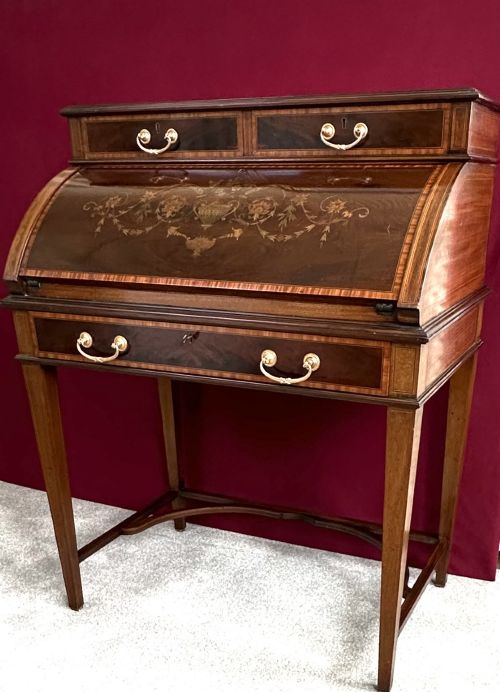
Makers and workshops utilised various formats to suit domestic spaces, including cylinder desks, tambour desks, Carlton House desks and fall-frontbureaus. Many incorporate leather writing surfaces, brass mounts and fitted interior compartments for correspondence.
The style draws heavily on classical proportions and Sheraton Revival influences, uniting utility with decorative cabinetwork designed to sit centre stage in a room.
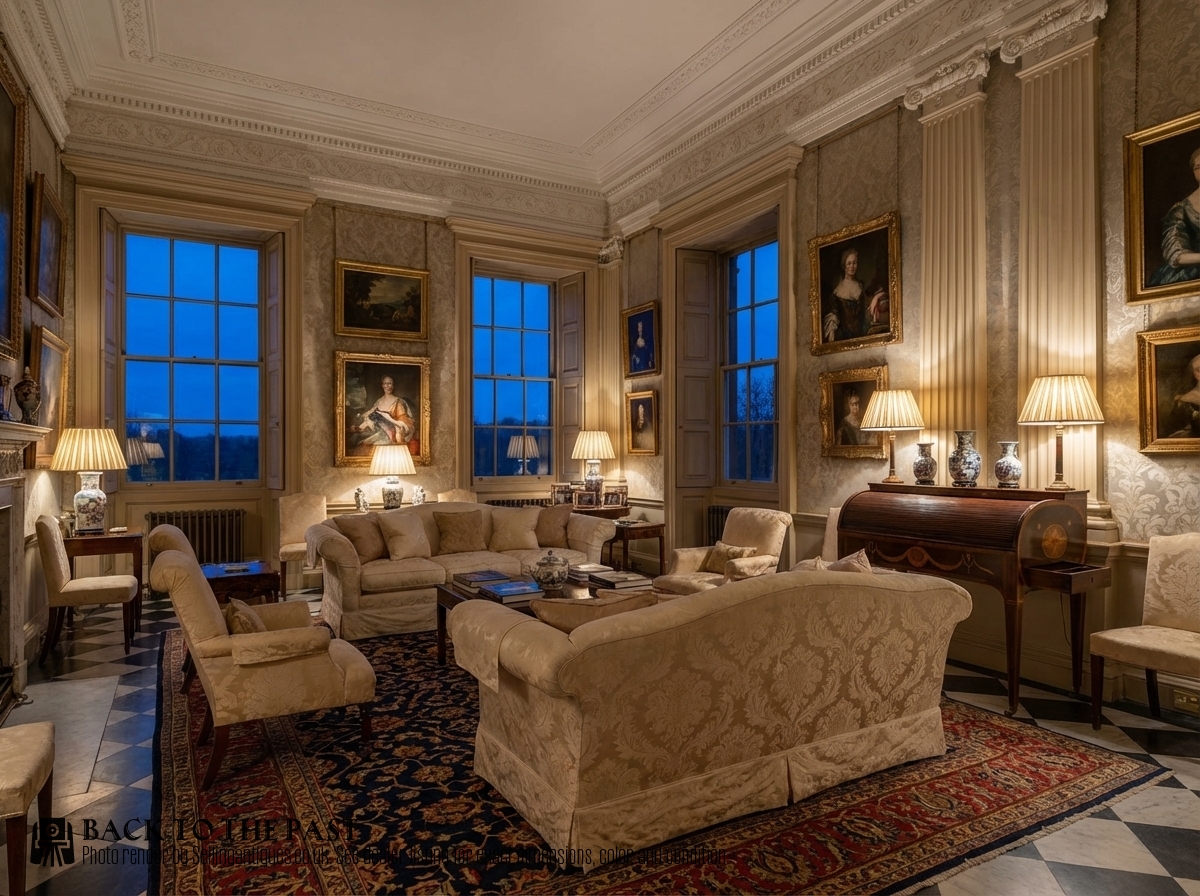
How they were made
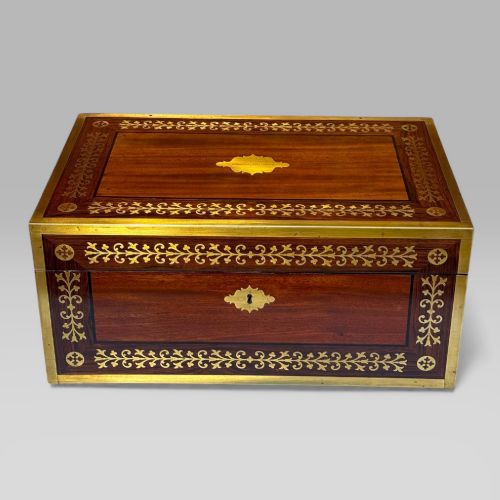
Makers constructed these pieces primarily using solid mahogany and flame mahogany veneers over secondary timbers, enriched with contrasting stringing and banding in satinwood and boxwood. Floral marquetry panels frequently adorn the fall fronts and cylinder tops of Georgian and Edwardian models.
Fine brass hardware, including original handles and escutcheons, complements inlaid details, while writing surfaces are traditionally lined with tooled leather. Structural elements incorporate dovetail joinery in the drawer construction and precise framing for tambour shutters and sliding cylinders.
Inlaid Mahogany Writing Desk Retail Price Guide 2026
Typical asking prices for inlaid mahogany writing desk among the pieces listed under this phrase on Sellingantiques today, from the lower quarter to the upper quarter. They describe what is for sale here now, not the wider market.
Some cylinder desks hide secret compartments behind miniature false drawers that only spring open when you press a hidden wooden peg.
What varies in quality
The standard of an inlaid mahogany writing desk rests upon the choice of timber figure, the crispness of the boxwood and satinwood inlay, and the retention of original fittings such as locks and handles. Pieces bearing signatures or stamps from recognised makers command particular regard.
Proportion and execution distinguish finer examples from standard production, seen in the seamless operation of tambour mechanisms, cylinder actions and fitted interior drawers.
Maple & Co.·Edwards & Roberts·JAS Shoolbred·S & H Jewell
The Inlaid Mahogany Writing Desk Glossary
- Flame mahogany
- A veneer cut from the fork of the mahogany tree where the grain pattern produces a distinctive flamelike figure. This timber was favoured for drawer fronts and top panels.
- Satinwood inlay
- Contrasting blonde wood used to create geometric stringing, floral motifs and banded borders on darker mahogany surfaces. It provides sharp visual definition.
- Tambour
- A series of narrow wooden strips glued to a canvas backing, allowing a desktop or shutter to slide smoothly around a curved track. It conceals pigeonholes and small drawers.
- Carlton House desk
- A distinctive horseshoe-shaped writing table featuring an elevated superstructure of small drawers and pigeonholes around the perimeter. It originated in the late eighteenth century.
- Secretaire bookcase
- A tall cabinet combining a shelved upper bookcase enclosed by glazed doors with a lower section housing a fitted pull-out writing drawer.
Inlaid Mahogany Writing Desk: Frequently Asked Questions
How do I date an inlaid mahogany writing desk?
Dating relies on stylistic clues, construction methods and timber characteristics. Georgian pieces often display restrained classical proportions and fine hand-cut dovetails, whereas Edwardian examples frequently show Sheraton Revival influences with lighter satinwood banding.
Secondary woods and hardware also provide chronological markers. Hand-beveled drawer linings point to earlier periods, while machine-cut screws and standardised locks suggest later nineteenth or twentieth-century production.
Were these desks used by women?
Many smaller formats, particularly Edwardian kidney-shaped tables and compact writing desks, were specifically designated as ladies writing desks or dressing tables. These were designed for light correspondence and fit easily into bedrooms or private sitting rooms.
Larger pedestal desks and bureau bookcases served as general household or library furniture for managing estate accounts and business correspondence.
How do I care for the leather top?
The leather writing surface benefits from gentle dusting and occasional treatment with specialist leather balms to prevent drying and cracking. Avoid using harsh household cleaners or excessive moisture near the gold-tooled borders.
Maintaining a stable room temperature away from direct sunlight protects both the leather and the mahogany veneer from fading and shrinkage.