
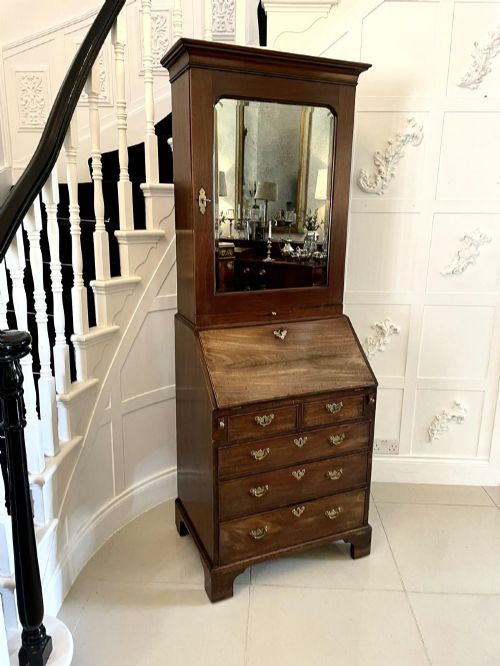


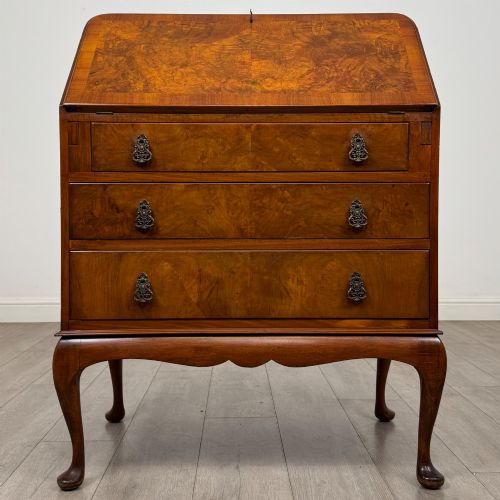
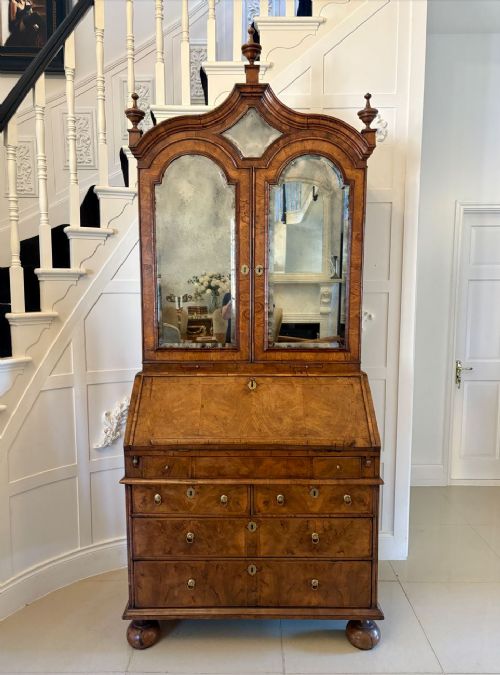
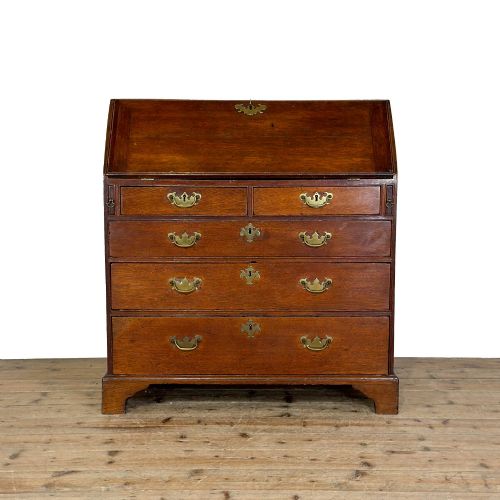
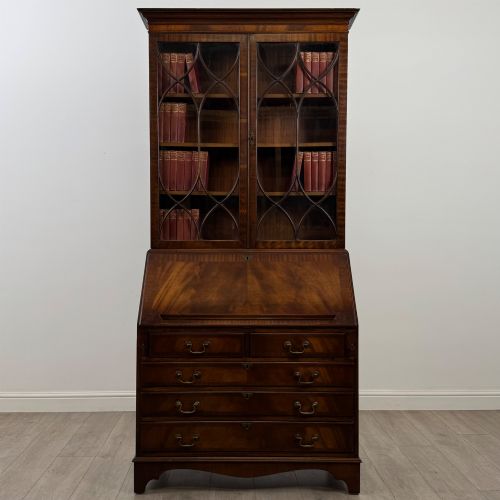
Fall Front Writing Cabinet
Fall front writing cabinet designs span centuries of cabinet-making, offering fitted interiors and concealed writing surfaces behind a hinged panel.
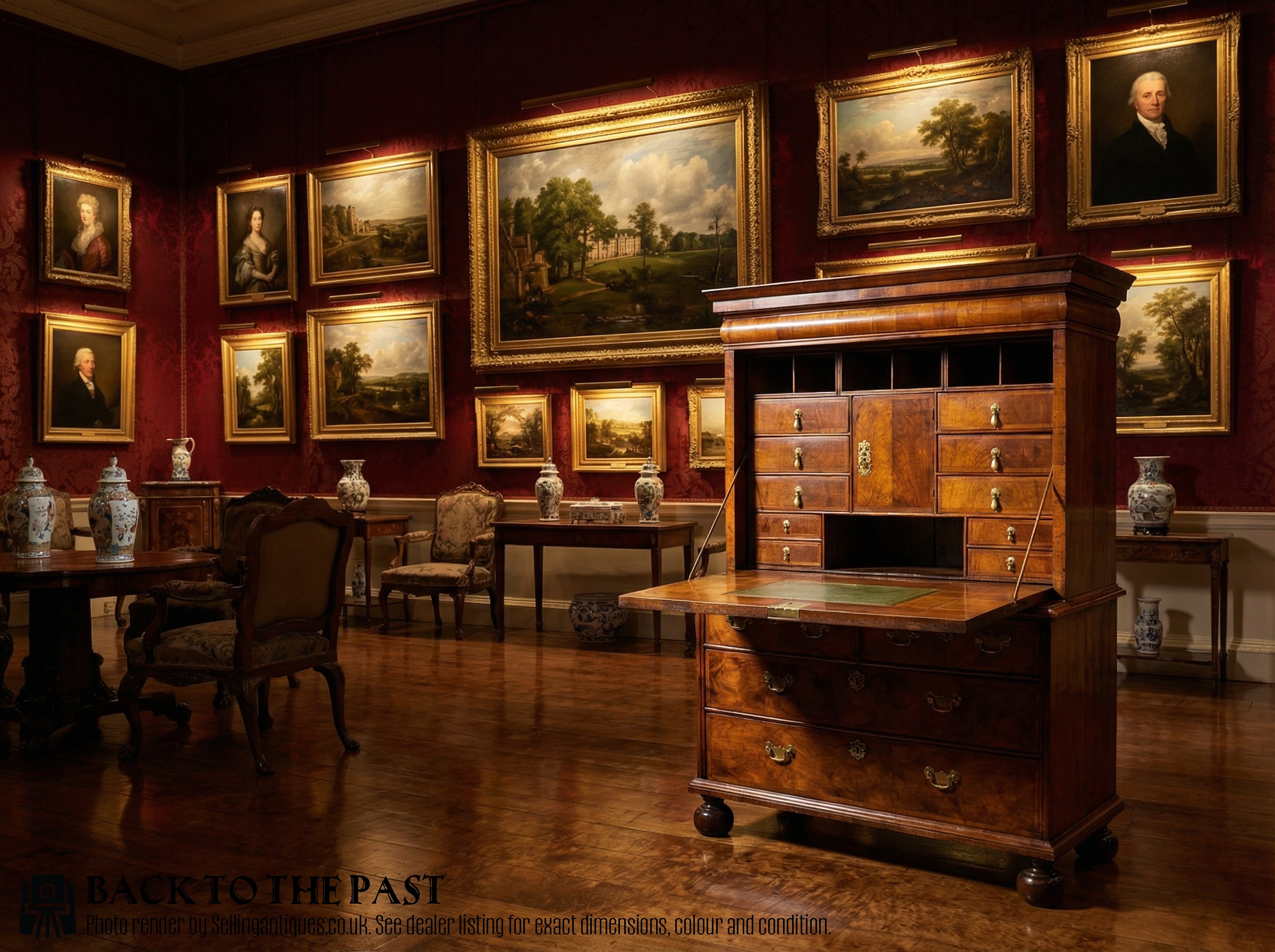
Fall Front Writing Cabinet
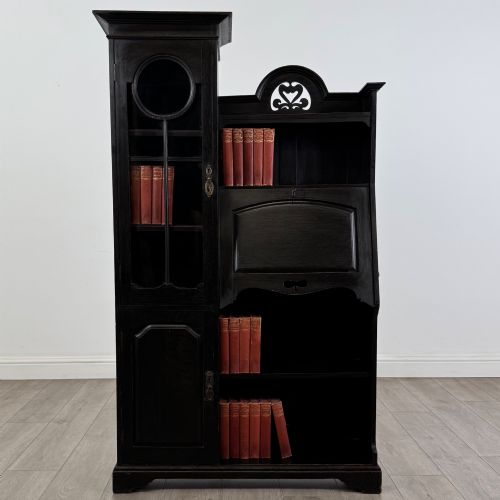
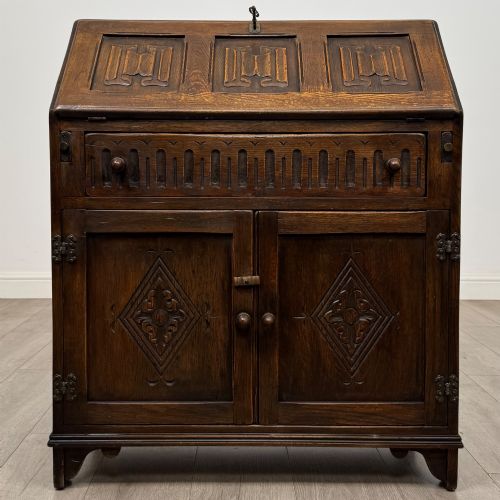
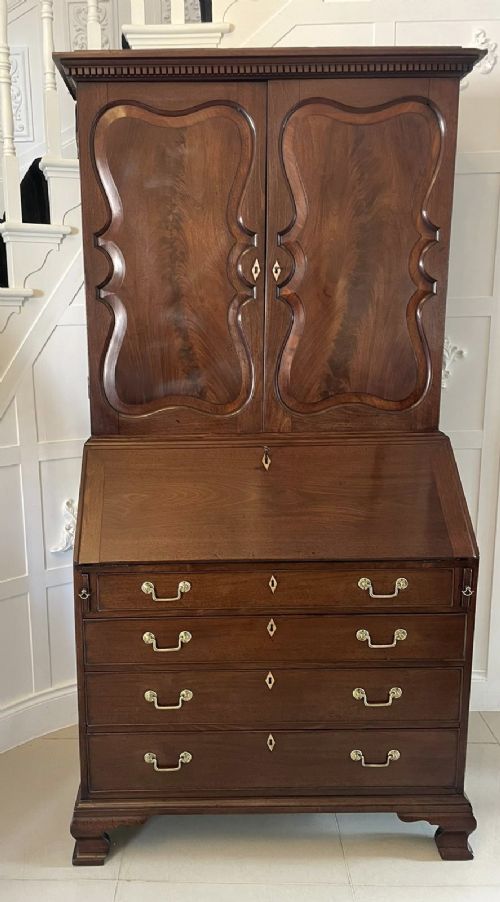
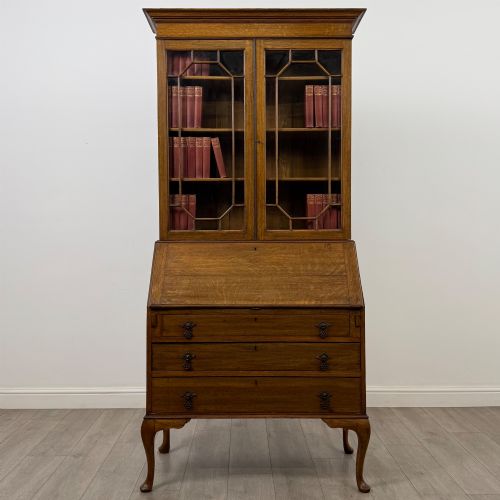
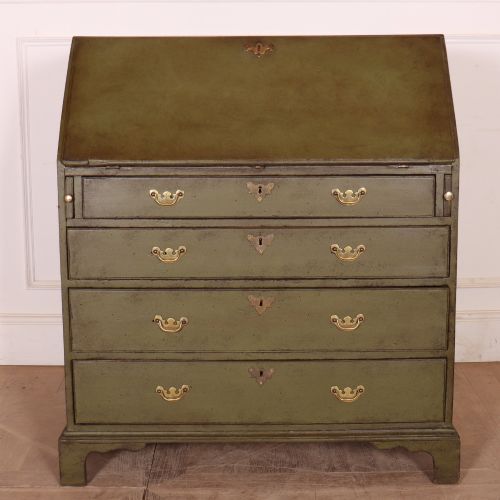
A fall front writing cabinet, often listed as a bureau, secretaire abattant, or escritoire, is a case piece designed for correspondence and storage. When searching this phrase, a buyer encounters forms ranging from compact 17th-century walnut examples to substantial George II and George III mahogany bureau bookcases, alongside Edwardian oak variations.
The defining mechanical feature is the hinged writing flap that drops forward to create a horizontal desk surface. This action reveals an internal arrangement of small drawers, pigeonholes, and sometimes secret compartments designed to hold stationery and documents.
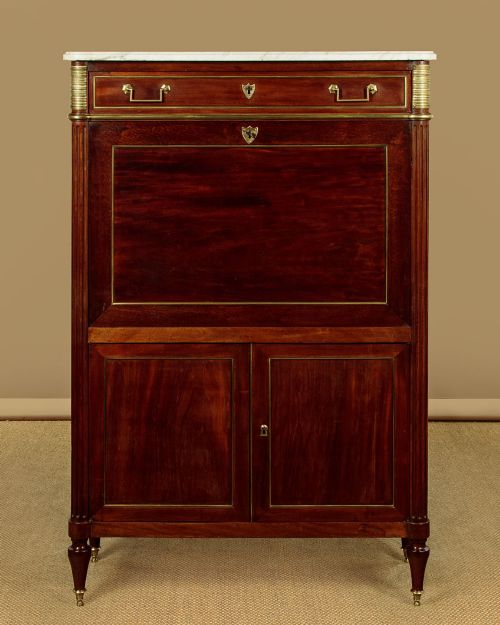
Pieces originating from the 18th century often feature figured veneers and fitted stepped interiors, while 19th-century interpretations frequently adopt French styling with marble tops or take the taller form of secretaire bookcases. Edwardian examples introduce golden oak, ebonised finishes, and Arts and Crafts influences to the traditional form.
How they were made
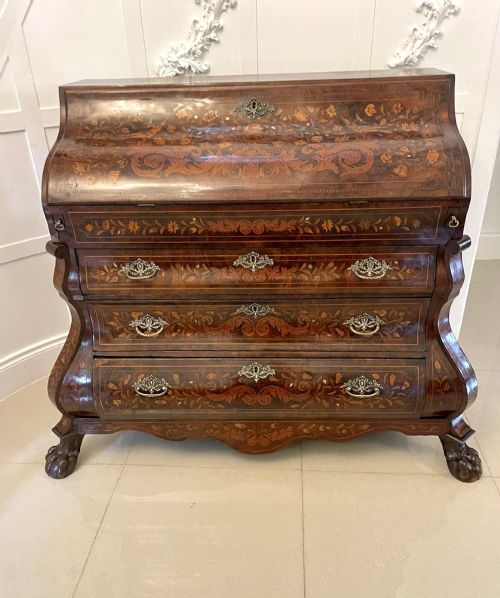
Cabinet-makers constructed the carcases of these pieces using native and imported timbers such as oak, mahogany, and walnut, frequently applying burr walnut or mahogany veneers to the primary visual surfaces. Marquetry inlay, floral banding, and herringbone patterns embellish the exterior panels of finer pieces from the 17th and 18th centuries.
Structural integrity relied on dovetailed drawer construction and framed panels that accommodated seasonal wood movement. Brass hardware, including escutcheons, drop handles, and hinges, secures the operational elements and reinforces corners exposed to daily use.
Fall Front Writing Cabinet Retail Price Guide 2026
Typical asking prices for fall front writing cabinet among the pieces listed under this phrase on Sellingantiques today, from the lower quarter to the upper quarter. They describe what is for sale here now, not the wider market.
One remarkably adaptable early oak bureau bookcase in the records has been thoughtfully converted to house a television.
What varies in quality
The selection of timber grain heavily dictates the visual merit of a fall front writing cabinet, with symmetrical burr walnut figures or richly flamed mahogany commanding greater visual presence than plain boards. The complexity of the internal arrangement, such as stepped pigeonholes and well-executed prospect doors, separates standard utility pieces from ambitious cabinet work.
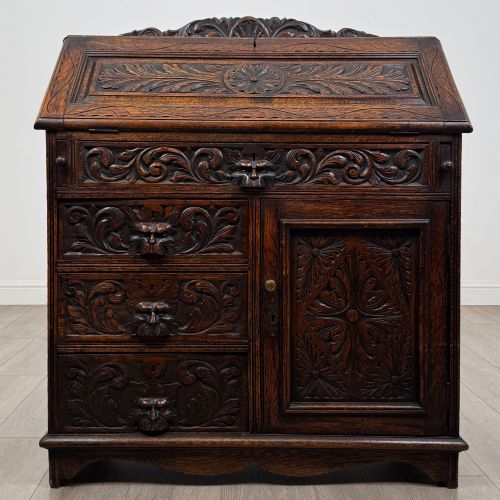
Execution of decorative techniques, including precise floral marquetry, delicate featherbanding, and carved elements like green man motifs or linenfold panels, indicates the skill invested by the original maker. The integration of the fall front mechanism with the surrounding carcase requires precise alignment to ensure the writing surface drops smoothly and rests level.
Arthur Basil Reynolds·Larkin
The Fall Front Writing Cabinet Glossary
- Bureau
- A desk with a sloping or fall-front writing flap enclosing drawers and pigeonholes. It frequently denotes a standalone writing cabinet or the lower section of a bureau bookcase.
- Secretaire abattant
- A tall, upright cabinet featuring a vertical drop-front writing surface that conceals an interior fitted with small compartments. This form is particularly common in continental and 19th-century French pieces.
- Escritoire
- An antique writing cabinet or desk used for correspondence, often fitted with drawers and a fall-front writing flap. The term appears frequently in descriptions of 17th and 18th-century walnut furniture.
- Marquetry
- Decorative veneer work formed by fitted pieces of various woods, metals, or other materials to create pictorial or geometric patterns on the surface. It is seen on floral and Dutch-influenced cabinet doors and writing flaps.
- Featherbanding
- A type of inlay consisting of small diagonal strips of veneer arranged in a herringbone pattern within banding lines. It outlines the drawer fronts and primary panels of walnut furniture from the Queen Anne and Georgian periods.
Fall Front Writing Cabinet: Frequently Asked Questions
What is a fall front writing cabinet?
A fall front writing cabinet is a piece of case furniture featuring a hinged front flap that opens downward to serve as a writing desk. Inside, the user finds an arrangement of small drawers, pigeonholes, and compartments designed for storing paper and writing instruments.
These cabinets range from compact walnut examples to tall bureau bookcases and French secretaire abattants. The design keeps writing materials concealed and dust-free when the flap is closed.
How do I tell an 18th-century piece from a later copy?
Eighteenth-century pieces typically exhibit hand-cut dovetails, timber shrinkage appropriate to age, and construction methods utilising native woods for secondary framing. The patination on the wood develops a deep, soft lustre through generations of handling and wax polishing.
Later reproductions or Edwardian interpretations often display machine-made elements, different interior joinery techniques, and standardised hardware fixings. Examining the timber inside the drawers and behind the backboards reveals the operational methods of the period.
Where were these cabinets placed in a historic home?
These cabinets served primarily in private studies, libraries, drawing rooms, or bedrooms where correspondence and household accounts were managed. Their dual function as storage and writing desk made them practical for domestic administration before the widespread use of dedicated rooms for paperwork.
The tall bureau bookcase variation combined a library function with a writing desk, storing books in the upper glazed or panelled section while letters were written at the fall-front desk below.
How do I care for antique walnut and mahogany surfaces?
Maintenance requires keeping the timber away from direct sunlight, heat sources, and rapid humidity changes that cause wood to dry or split. Regular dusting with a soft, dry cloth prevents particulate build-up on the polished finish.
Periodic application of traditional beeswax feeds the timber and maintains the soft sheen characteristic of antique furniture. Modern silicone-based polishes should be avoided as they penetrate the grain and alter the historic surface.