
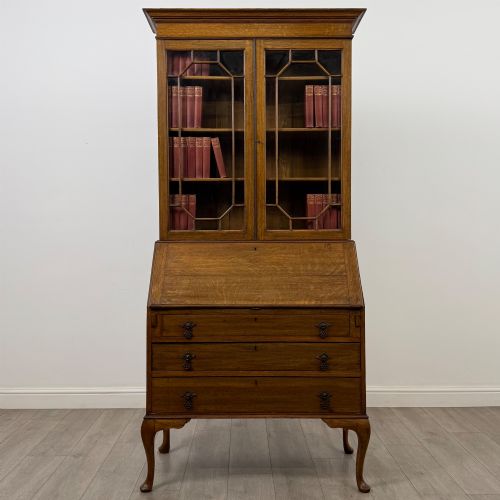
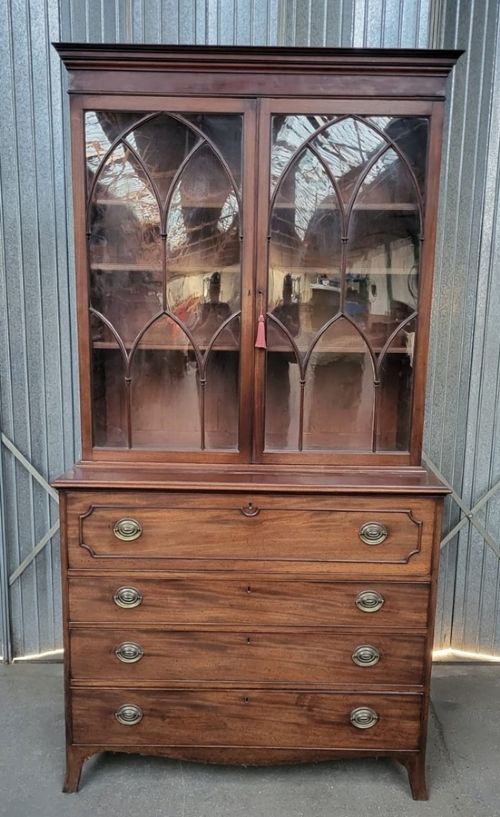
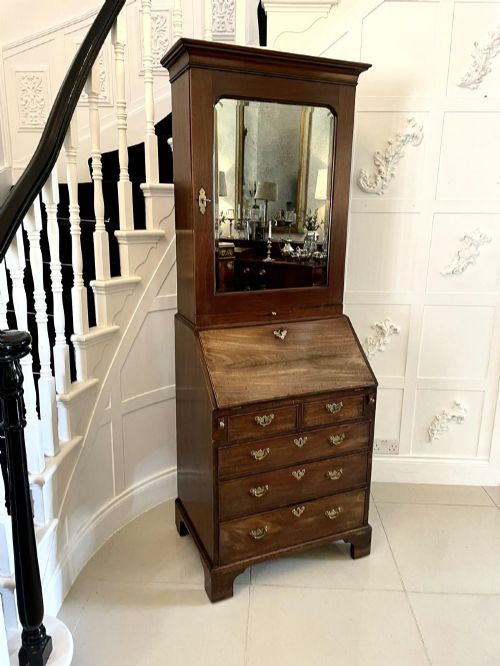
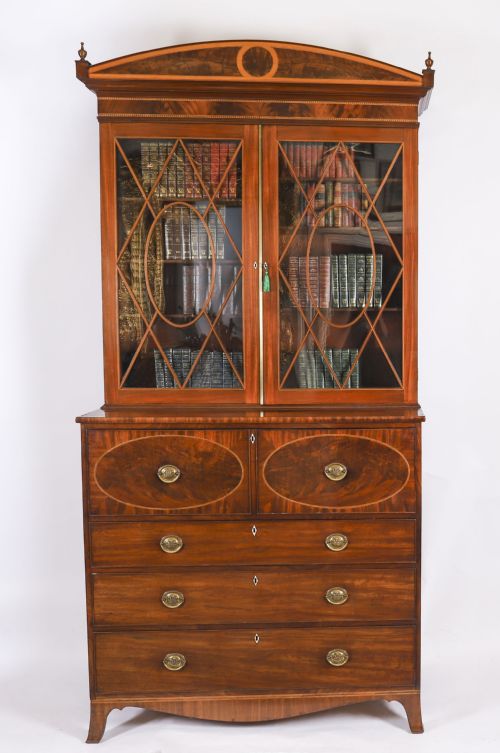


Secretary Desk Cabinet
A secretary desk cabinet combines a writing surface with enclosed storage, giving a room both a workspace and a bookcase.
Secretary Desk Cabinet
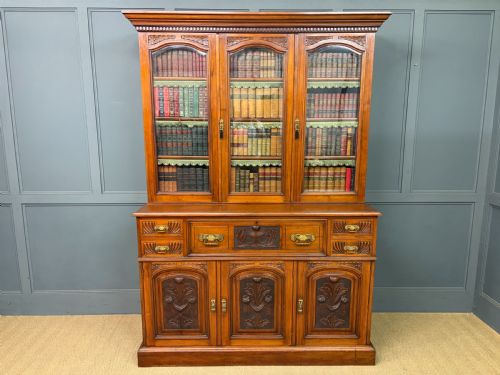
When you search for a secretary desk cabinet, you encounter versatile hybrid pieces that pair a fall-front or drawer-front writing compartment with upper shelving. The selections span compact writing desks up to towering bureau bookcases that reach the ceiling.
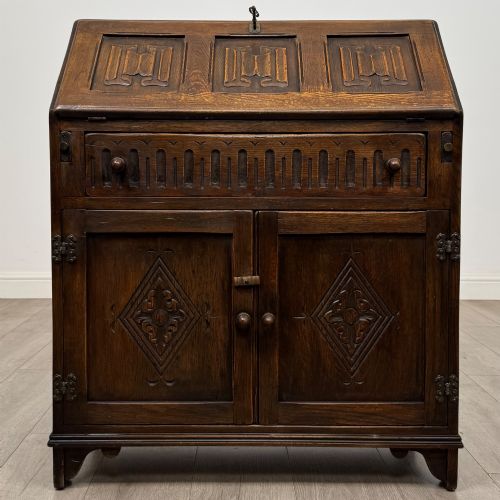
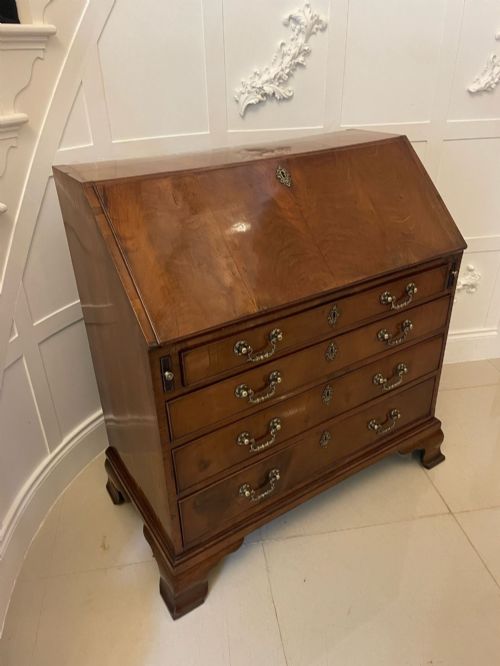
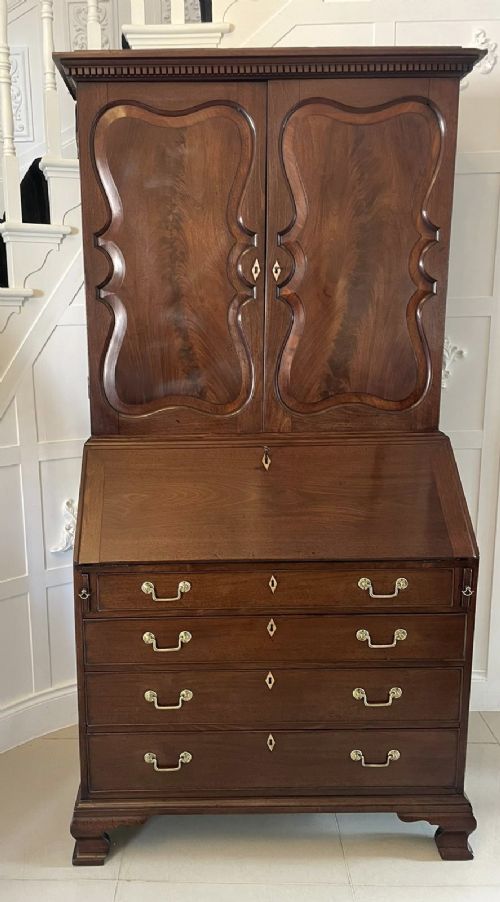
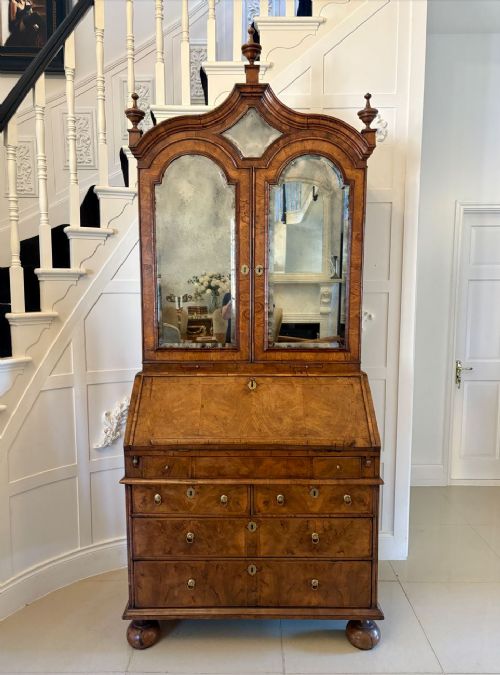
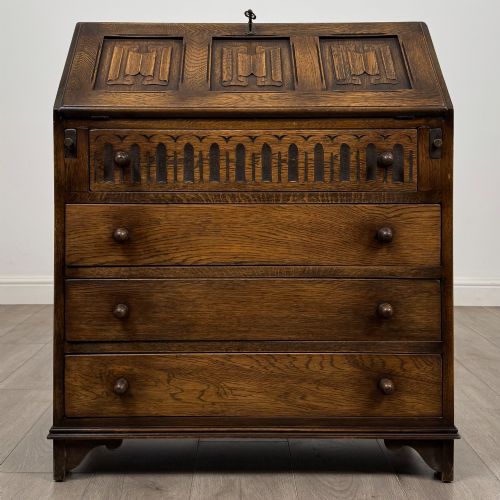
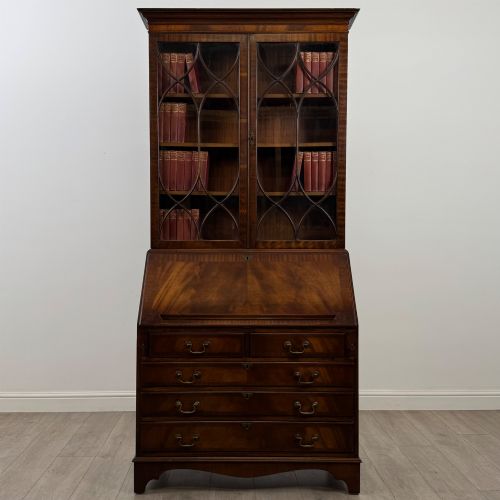
The versions most common on this page are Georgian and 18th-century mahogany or walnut bureau bookcases alongside Edwardian oak writing desks. These dual-purpose items served domestic and professional needs in period homes.
Makers utilised timber varieties such as mahogany, oak, walnut, and yew wood to construct these dual-purpose items. The resulting forms range from simple drop-front desks to architectural glazed bookcases with fitted internal drawers.
Assessing Quality
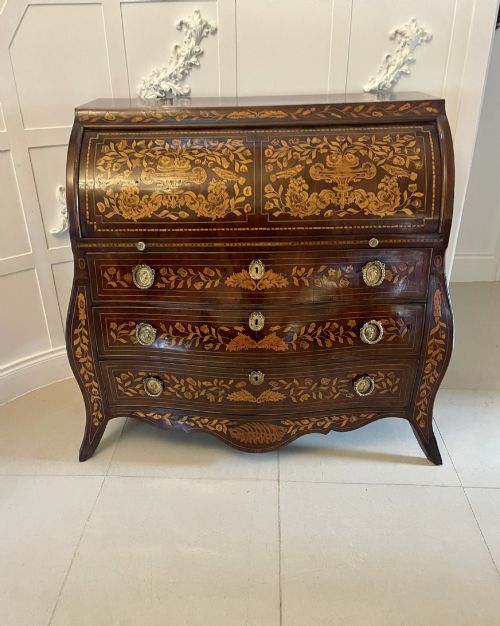
The distinction between tiers rests on the choice of timber and the precision of the cabinetwork. Finer examples display matched veneers, intricate floral marquetry, featherbanding, and tightly fitted internal pigeonholes.
Secondary woods and structural joinery indicate the origin and era of the piece. Superior construction employs dovetailed drawer boxes and solid timber backs rather than modern fasteners or replacement panels.
Secretary Desk Cabinet Retail Price Guide 2026
Typical asking prices for secretary desk cabinet among the pieces listed under this phrase on Sellingantiques today, from the lower quarter to the upper quarter. They describe what is for sale here now, not the wider market.
One early oak bureau bookcase has adapted its interior cavity for television viewing.
Arthur Basil Reynolds·George Oakley
The Secretary Desk Cabinet Glossary
- Bureau bookcase
- A writing bureau combined with an upper section enclosed by doors, typically glazed for displaying books.
- Secretaire
- A desk or section of a piece of furniture equipped with a pull-out drawer or drop-front panel for writing.
- Fall front
- A hinged writing flap that drops down to provide a horizontal surface for correspondence and paperwork.
- Marquetry
- Decorative veneer patterns formed by fitted pieces of coloured wood, ivory, or metal inlaid into the primary surface.
- Featherbanding
- A type of inlay using thin strips of veneer laid diagonally to create a herringbone pattern around panel edges.
Secretary Desk Cabinet: Frequently Asked Questions
What is a secretary desk cabinet?
A secretary desk cabinet is a dual-function furniture piece that pairs a concealed writing desk with storage drawers and an upper bookcase. The design allows users to close away paperwork and writing materials when not in use.
These pieces appeared in various forms from the seventeenth century onward, adapting to changing domestic interior styles in Britain and Europe.
How do I use one today?
These cabinets function effectively in home offices or living rooms as writing desks and display shelving. The upper glazed doors protect books or collections while the drop-front surface provides a compact workspace.
Interior pigeonholes and small drawers help organise modern stationery, correspondence, and small electronic items.
How can I tell the period?
Dating relies on observing timber choices, construction techniques, and stylistic ornamentations like marquetry or bracket feet. For example, Queen Anne and George II pieces often feature burr walnut and featherbanding, while Edwardian examples frequently utilise golden oak with linenfold carving.
Secondary woods inside drawers and the style of brass hardware also offer clues to the decade of manufacture.
What is the difference between a bureau and a secretaire?
A bureau traditionally describes a desk with a sloping drop-front writing flap that covers internal compartments. A secretaire usually refers to a drawer that pulls out and folds down to reveal a fitted writing surface, often disguised as a standard chest of drawers.
Both forms frequently sit beneath glazed bookcase cabinets in larger antique examples.