


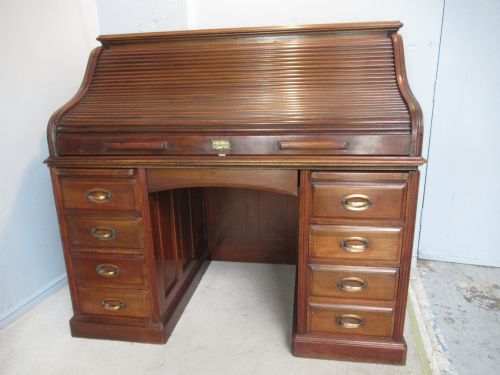
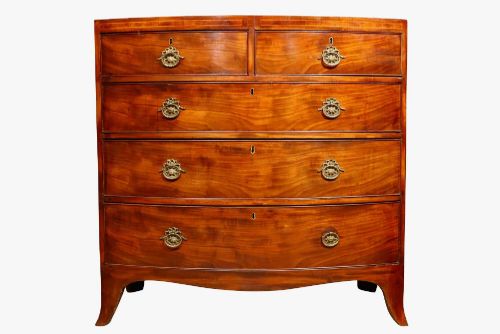
Brown Wooden Bureau
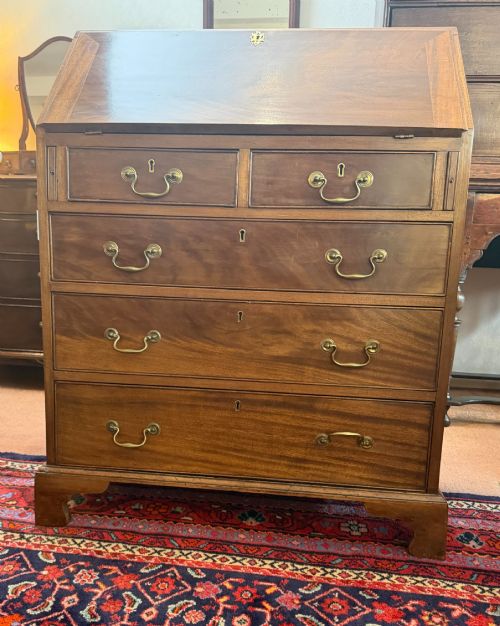
A brown wooden bureau is a working desk with a fall front or writing flap, spanning centuries of cabinet-making from walnut to oak.
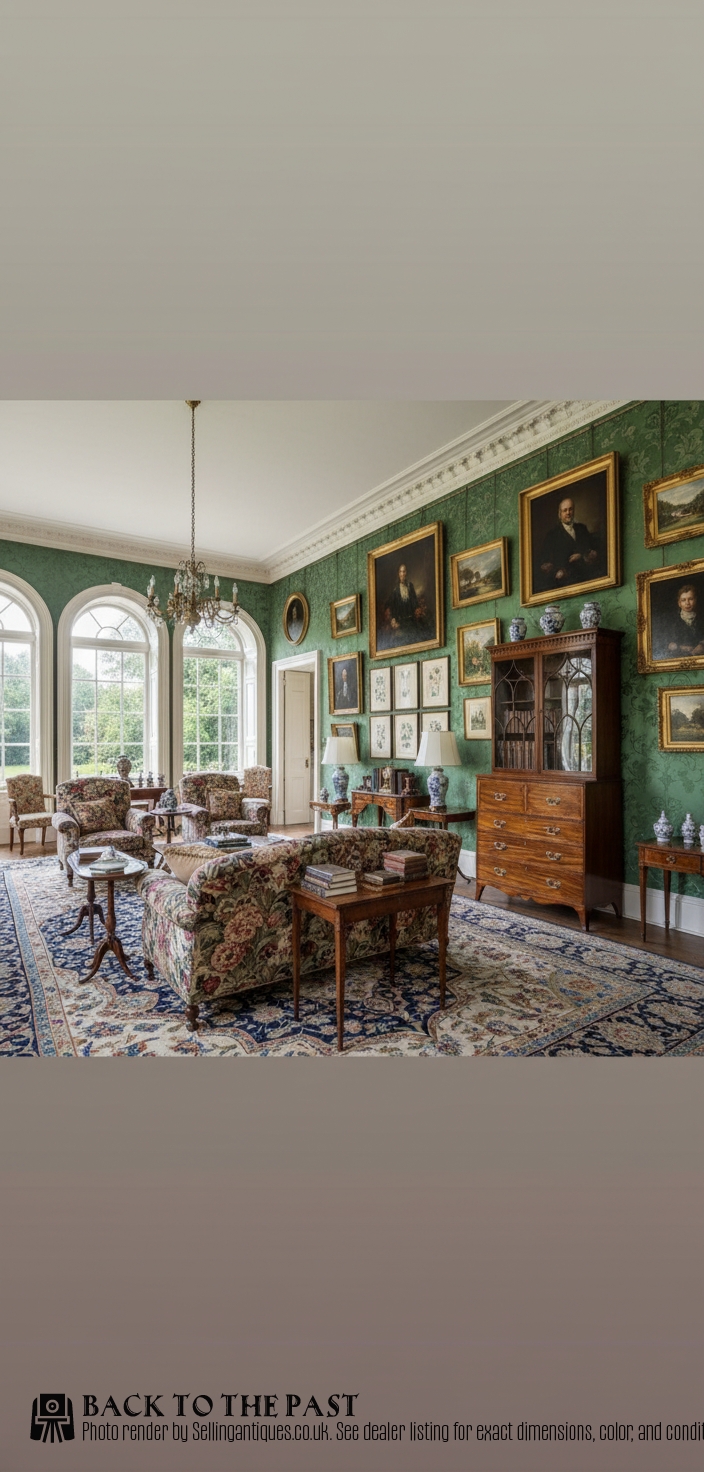
Brown Wooden Bureau
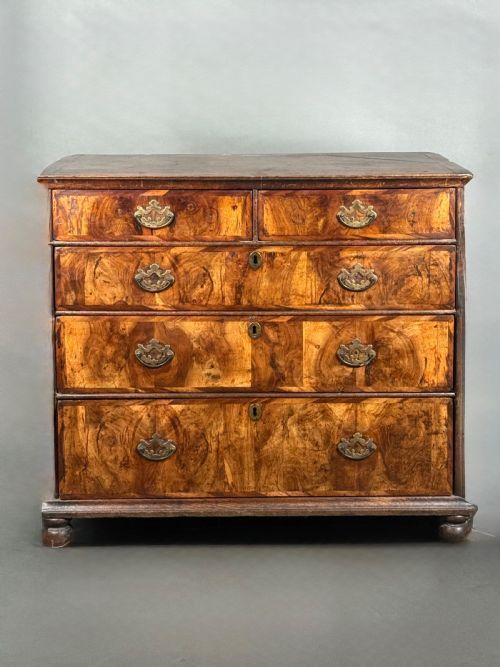
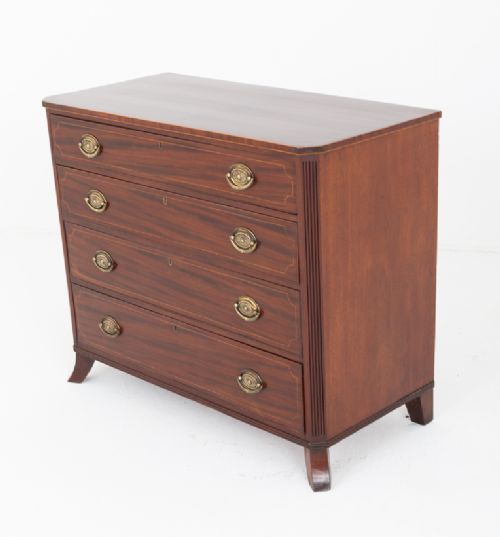
When you search for a brown wooden bureau, you encounter writing desks, fall-front bureaux, and bureau bookcases alongside related storage forms such as chests of drawers and pedestal desks. The pieces span periods from the late seventeenth century through the Georgian, Regency, and Victorian eras into the Edwardian years, Art Deco period, and nineteen-thirty.
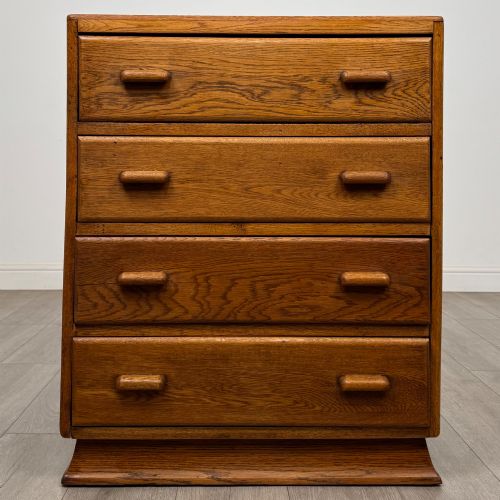
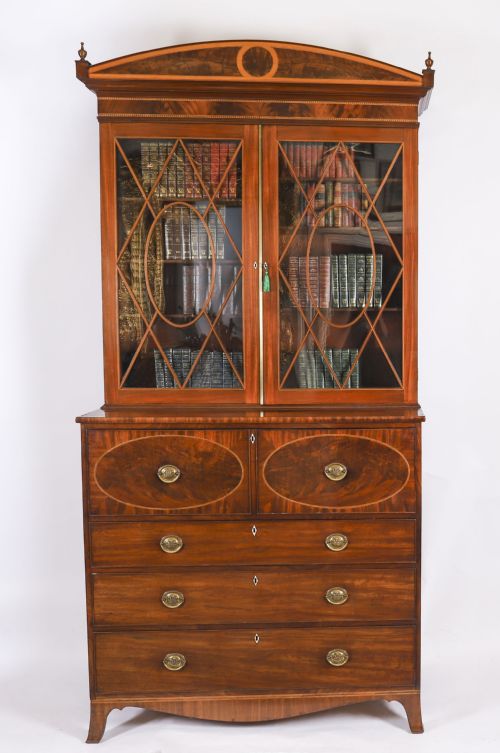
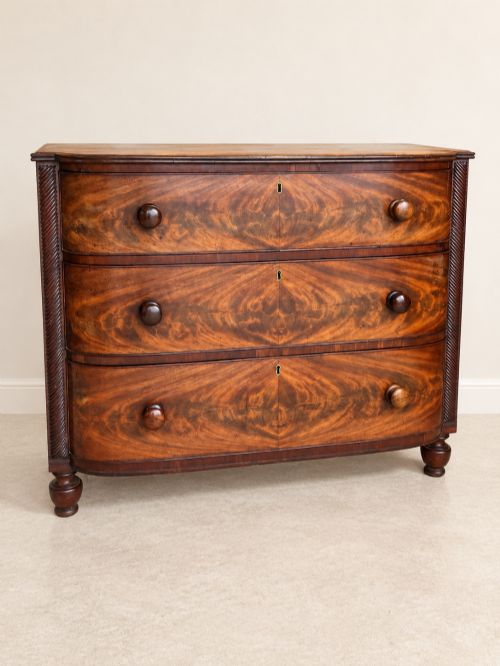
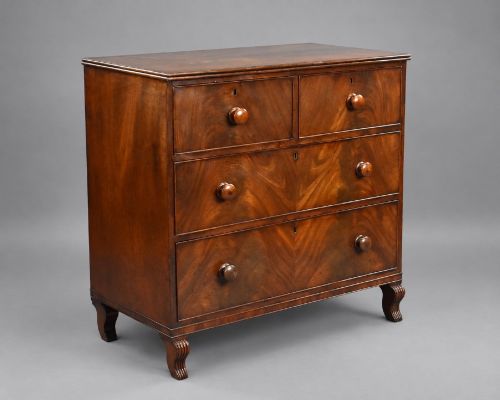
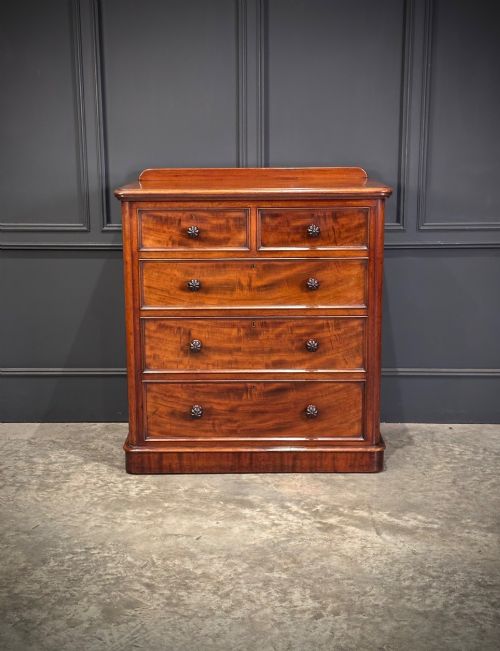
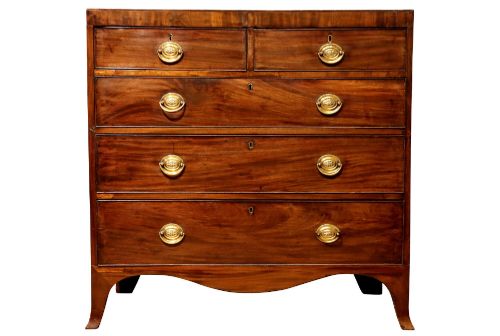
The most common forms you meet on this page are mahogany and oak chests of drawers and writing desks, often fitted with drawers and internal compartments. Bureau bookcases and secretaire bookcases appear alongside simpler fall-front writing bureaux from the eighteenth and nineteenth centuries.
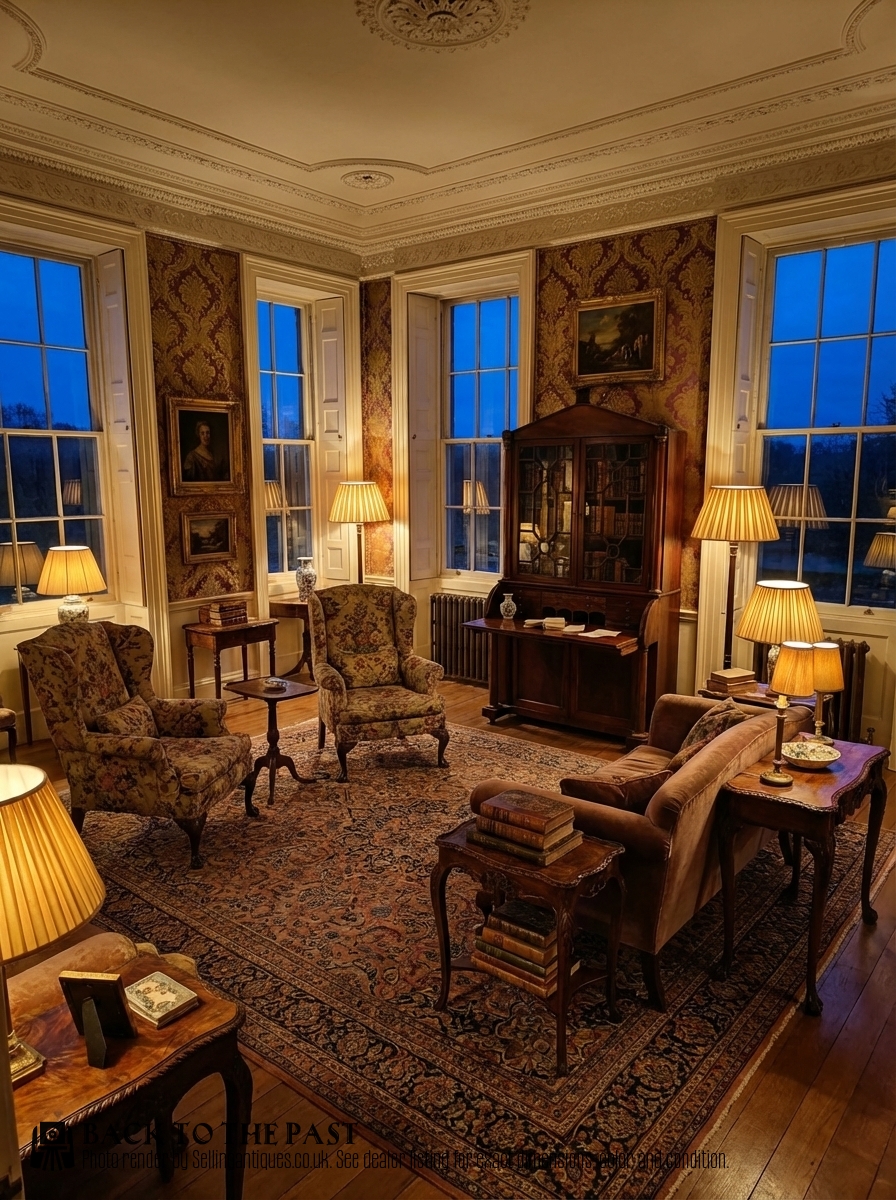
How they were made
Cabinet-makers constructed these pieces primarily in mahogany, walnut, and oak, frequently utilising flame mahogany veneer, burr walnut, and burr elm to create rich figured surfaces. Solid timbers formed the structural carcases, while brass handles and escutcheons provided the principal metal fittings.
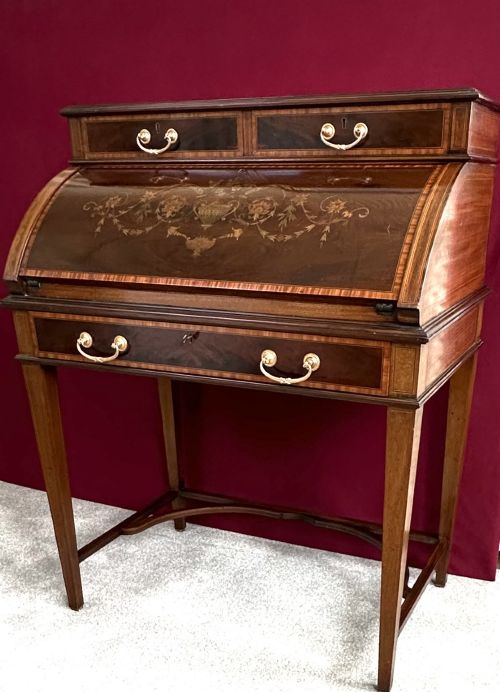
Joinery methods varied by period, from geometric mouldings on late seventeenth-century oak to inlaid decoration and serpentine fronts in the Georgian and Regency eras. Fall-front mechanisms and cylinder desks relied on precise hinged carpentry to conceal internal writing surfaces and pigeonholes.
Brown Wooden Bureau Retail Price Guide 2026
Typical asking prices for brown wooden bureau among the pieces listed under this phrase on Sellingantiques today, from the lower quarter to the upper quarter. They describe what is for sale here now, not the wider market.
A French king of the Bourbon Restoration lent his regal title to a mahogany secretaire abattant.
What varies in quality
Quality rests in the selection of timber and the handling of veneers, where figured walnut or flame mahogany displays deliberate grain matching across the drawer fronts and fall flaps. Secondary timbers used inside drawers and backboards reveal the standard of construction applied to unseen parts.
The crispness of mouldings, the integration of brass hardware, and the precision of dovetail joints separate standard utility furniture from finer workshop pieces. Proportions and the rhythm of drawer sizing define the visual balance achieved by the maker.
James Mein of Kelso
The Brown Wooden Bureau Glossary
- Fall front
- A hinged writing flap that pulls down to provide a sloped or flat surface for correspondence. This panel conceals drawers and pigeonholes when closed.
- Serpentine front
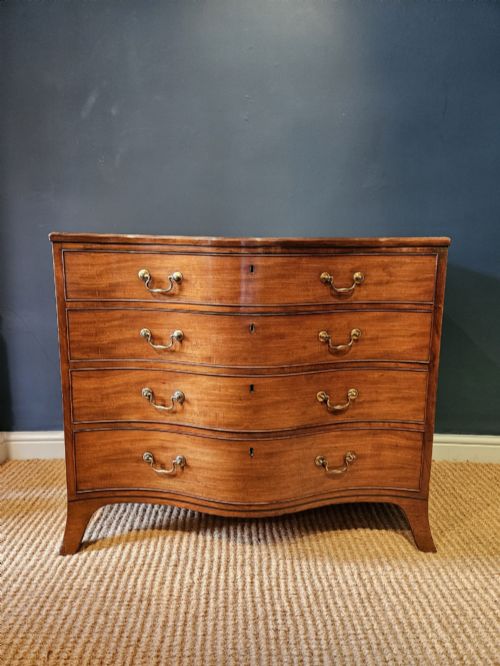
- A cabinet front that curves outward in the centre and concavely at the sides. This rhythmic shaping requires advanced woodworking skill.
- Brushing slide
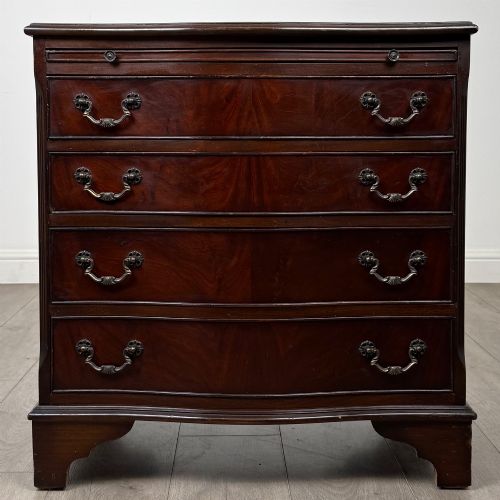
- A pull-out shelf located above the top drawers of a chest, used originally for dusting clothes or as a temporary writing surface. It tucks away flush when not in use.
Brown Wooden Bureau: Frequently Asked Questions
How do I use a bureau?
Lower the fall-front flap to reveal the internal writing surface and pigeonholes for storage.
Keep inkwells and modern laptops on the flat surface while working, and close the flap to hide papers afterwards.
What is a bureau bookcase?
A bureau bookcase combines a lower writing desk with an upper shelving cabinet enclosed by doors.
These taller combination pieces provide both enclosed workspace and display or storage capacity for books.
How do I date a wooden bureau?
Examine the timber species, handle styles, construction joints, and overall proportions against known period designs.
Walnut points toward the seventeenth and early eighteenth centuries, while mahogany spans the Georgian and Victorian eras.
Where should I place a bureau?
Position the piece against a stable interior wall away from direct sunlight and heat sources.
Allow sufficient floor clearance for the drop-down flap and pulled-out chairs.