
Carved Wood Bookcase
A carved wood bookcase brings architectural presence and rich timber grain to a room, holding centuries of craftsmanship in its shelves.
Carved Wood Bookcase
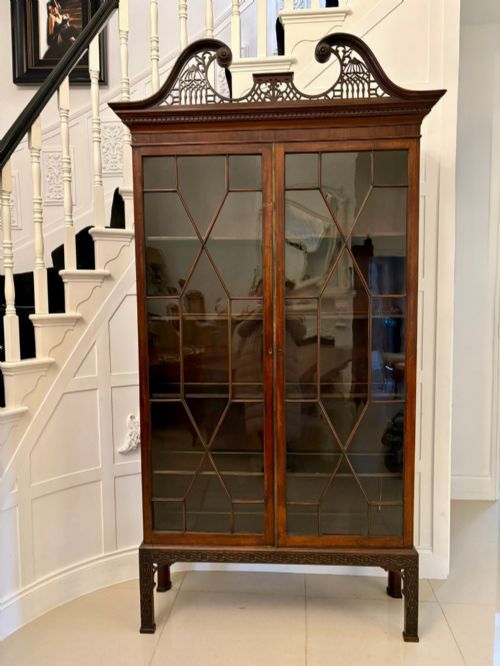
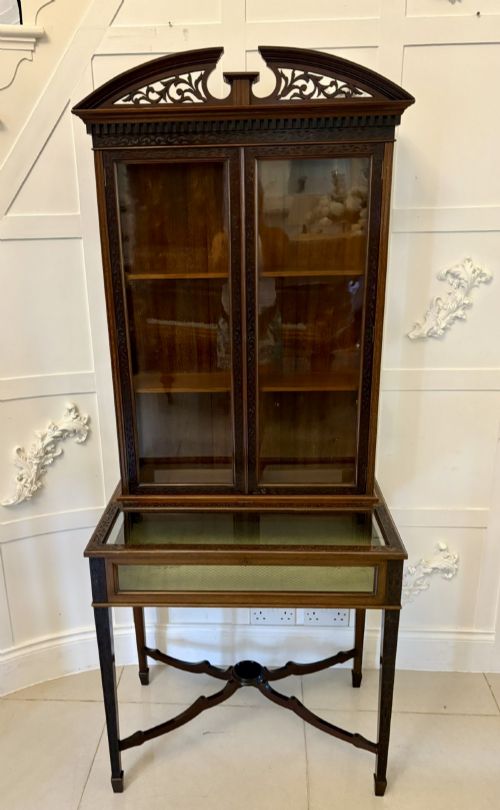
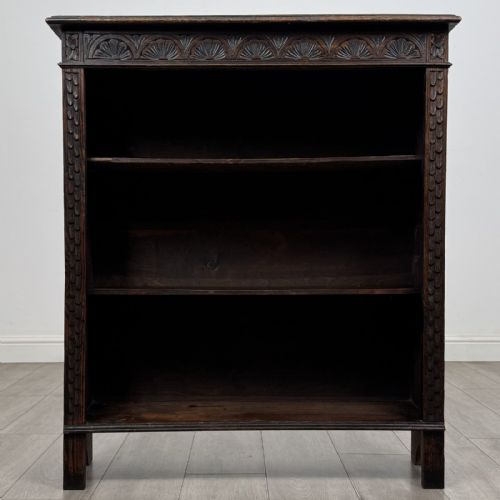
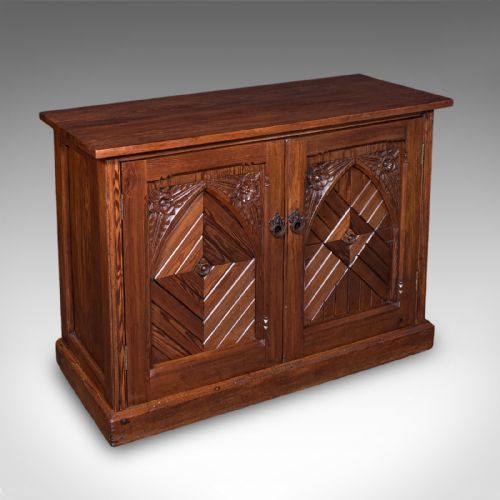
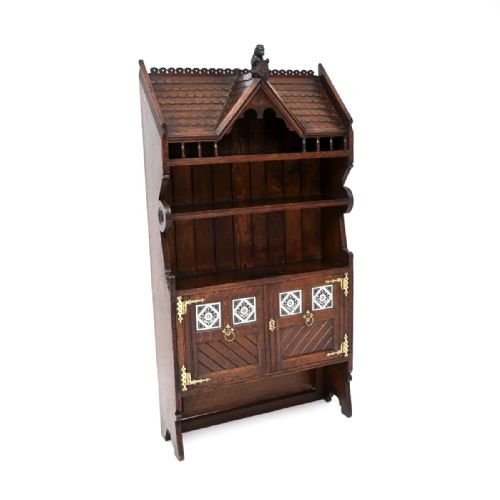
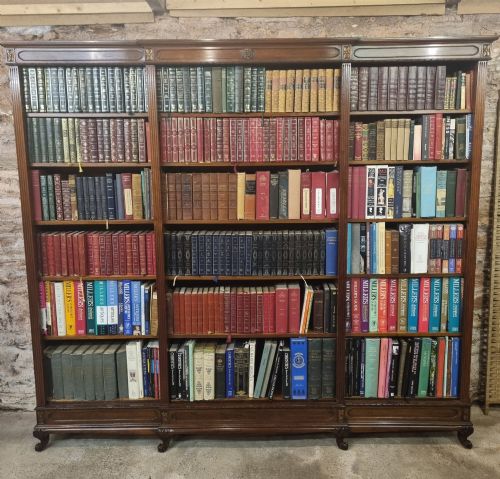
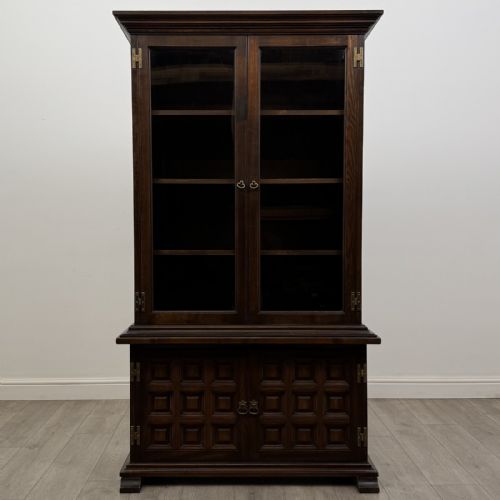
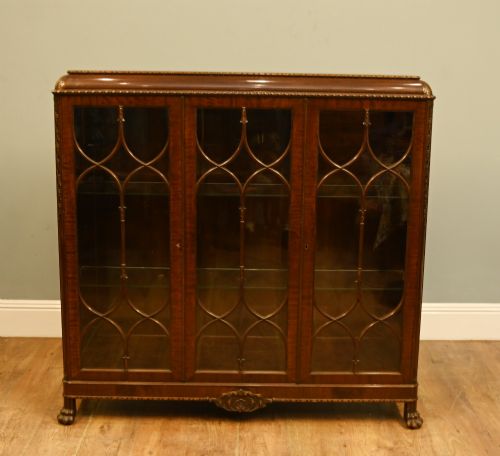
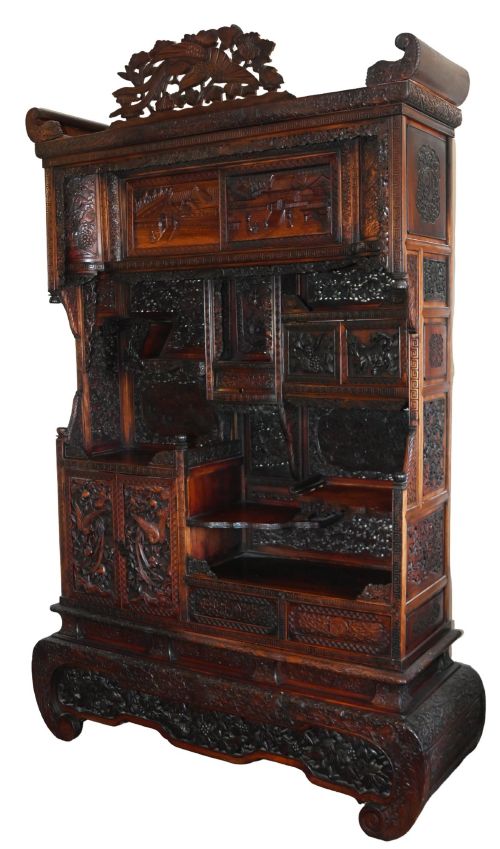
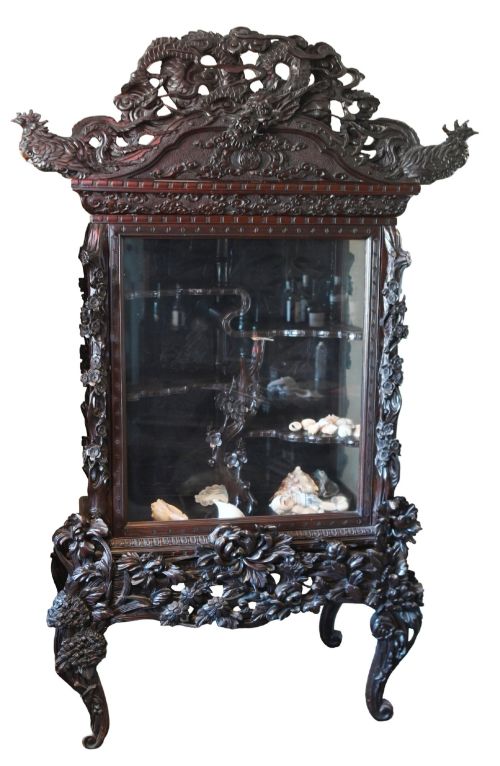
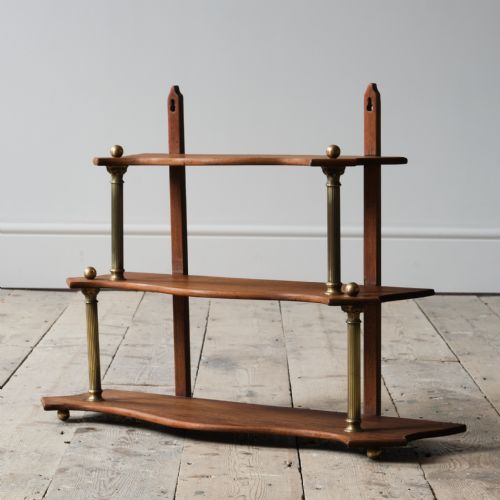
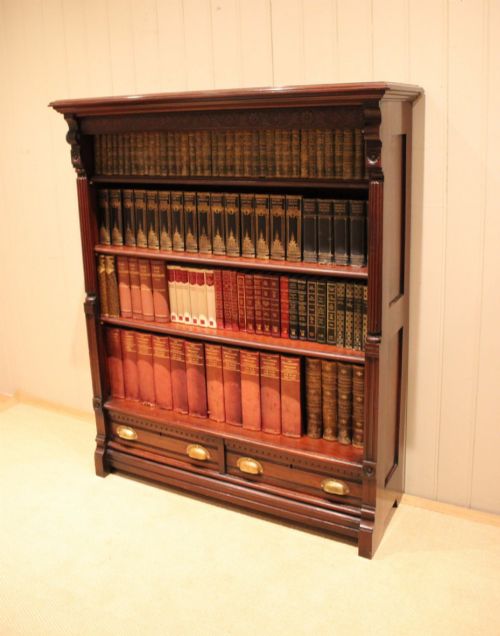
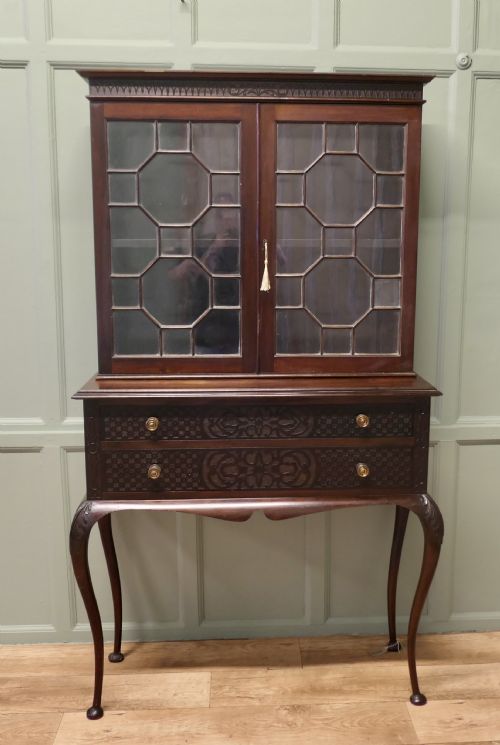
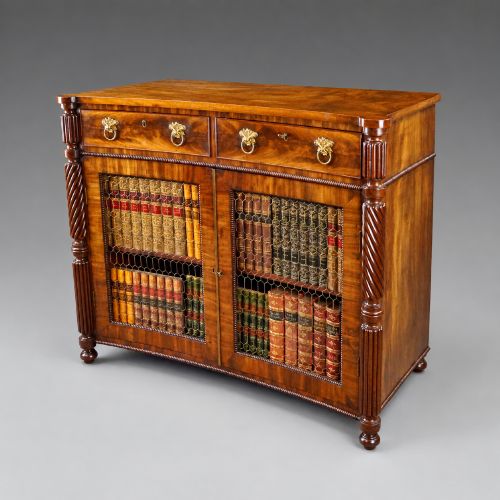
A carved wood bookcase serves primarily to store and display volumes while introducing distinct period character to an interior space. These pieces range from compact wall-hanging shelves and dwarf bookcases to large breakfront library cabinets fitted with glazed doors.
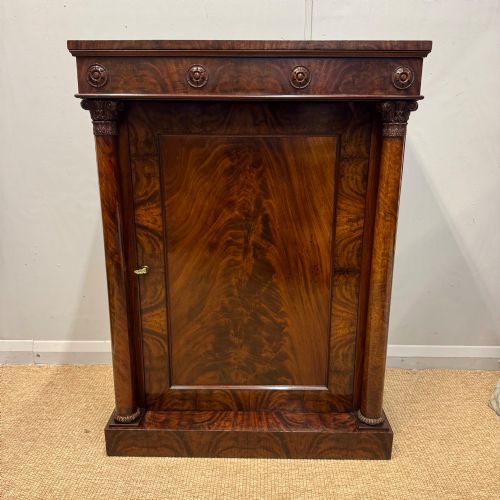
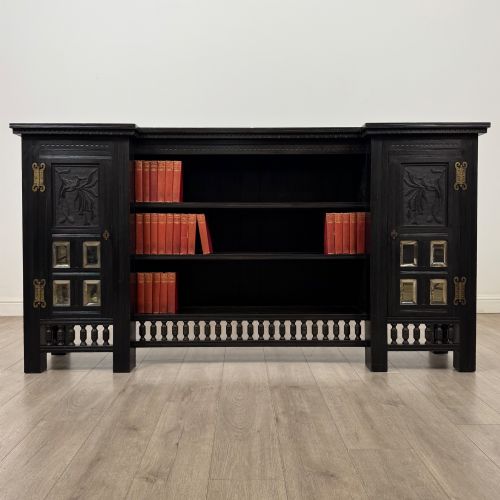
The versions most commonly met on this page belong to the Victorian and Edwardian eras, alongside pieces styled in the Regency and William IV periods. They appear in diverse timbers such as mahogany, oak, rosewood, and walnut, often featuring open shelving or enclosed display sections.
How they were made
Cabinet makers utilised dense hardwoods including mahogany, oak, rosewood, and walnut, frequently selecting them for their rich grain patterns and structural stability. These timbers were often hand-carved with relief motifs, classical details, or regional ornamentation depending on the prevailing style.
Construction methods involved pegged joints, dovetailed drawer construction, and solid timber panels combined with glass doors and brass hardware. Many examples incorporated adjustable shelving mechanisms to accommodate volumes of varying heights.
What varies in quality
The standard of carving distinguishes standard production from exceptional examples, with crisp, deep relief work showing the hand of a skilled artisan. Superior pieces exhibit well-figured timber veneers or solid construction throughout, rather than plain secondary woods.
Original hardware, working locks with keys, and retained glass panels contribute significantly to a piece's integrity. The presence of adjustable shelving systems and sound structural joinery further separates robust library furniture from decorative alternatives.
Gabriel Viardot
The Carved Wood Bookcase Glossary
- Breakfront
- A cabinet design where the central section projects forward from the flanking wings. This architectural layout creates visual depth in larger library pieces.
- Dwarf bookcase
- A low shelving unit designed to sit beneath dado height, allowing items to be displayed on top. These pieces often feature adjustable shelves for practical storage.
- Astral glazed
- Door glass divided into small panes by narrow wooden bars or tracery. This technique creates a lighter visual appearance on display cabinets.
- Padauk
- A heavy, durable tropical hardwood with a reddish hue used in colonial furniture. It was favoured for its rich colour and resistance to wood-boring insects.
- Japonisme
- A late nineteenth-century artistic movement influenced by Japanese art and design. Pieces from this style often incorporate asymmetrical layouts and exotic motifs.
Carved Wood Bookcase: Frequently Asked Questions
How do I spot a reproduction?
Examine the timber shrinkage, joint construction, and tool marks on the interior surfaces to determine age. Period pieces display natural wear patterns and construction methods appropriate to the nineteenth and early twentieth centuries.
Check for machine-cut screws or modern adhesives which indicate later intervention or manufacture. Consistency in timber grain and hand-finished details generally point towards authentic period provenance.
Are shelves usually adjustable?
Many nineteenth and early twentieth-century library pieces feature adjustable shelving supported by wooden ratchets, brass studs, or metal strips. This practical addition allowed owners to alter shelf heights for different book sizes.
Fixed shelves do appear in smaller dwarf units and certain glazed cabinets where structural rigidity took priority. Checking the interior uprights reveals whether the support system is original to the piece.
What woods were used?
Mahogany, oak, rosewood, and walnut form the primary timbers found across these listings, supplemented by exotic woods like padauk and teak. Cabinet makers matched the timber choice to the stylistic demands of the period, such as dark oak for revival pieces or figured mahogany for formal reception rooms.
Secondary woods like pine or hardwood appear in hidden structural areas such as drawer linings and carcase backs. The exterior timber selection typically defines the visual character and period of the furniture.
How should I care for it?
Keep wooden furniture away from direct sunlight and sudden temperature shifts to prevent timber splitting and veneer lifting. Maintaining stable room humidity preserves the condition of the antique joints and carved panels.
Apply traditional wax polish sparingly to nourish the timber grain without building up a heavy residue. Dust regularly with a soft cloth to protect the surface finish from abrasive particles.