


Antique Bedroom Table
An antique bedroom table serves as a practical bedside or dressing piece, bringing period character and functional surface space to sleeping quarters.
Antique Bedroom Table
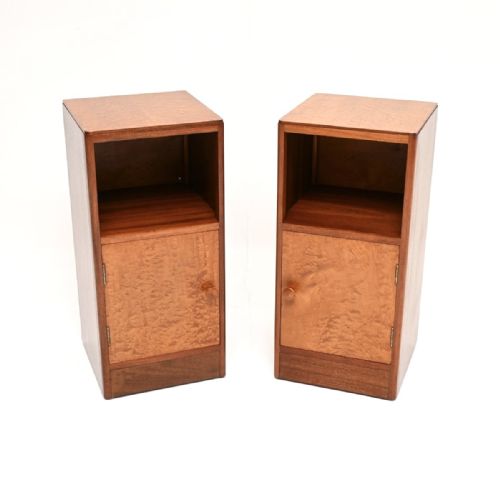
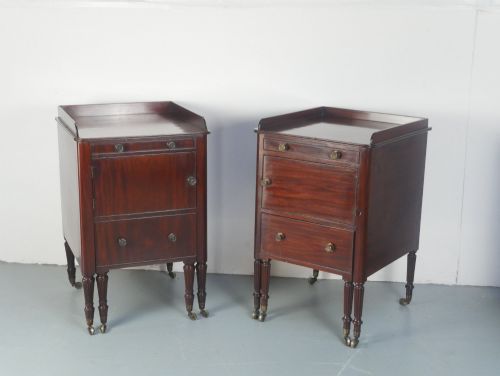
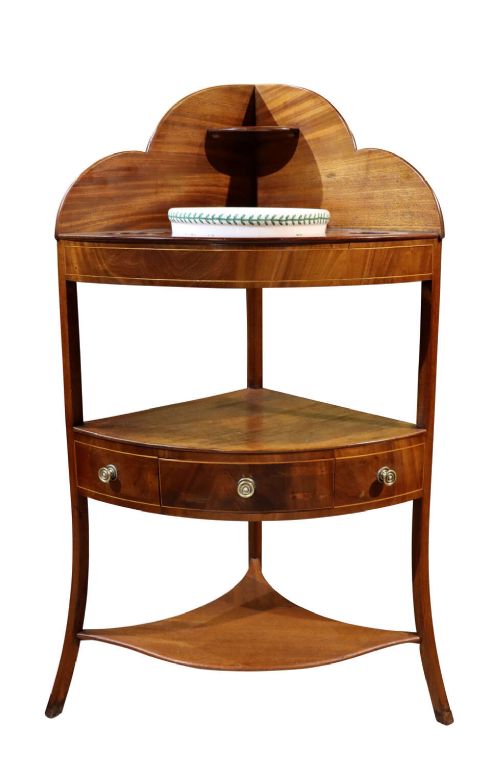
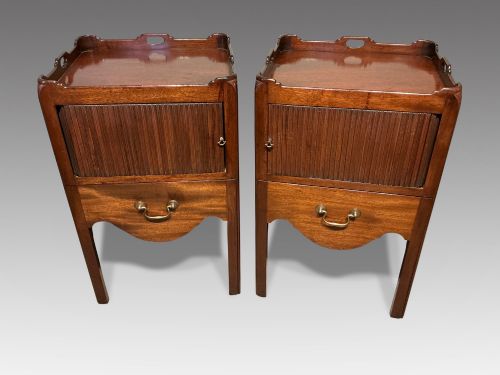
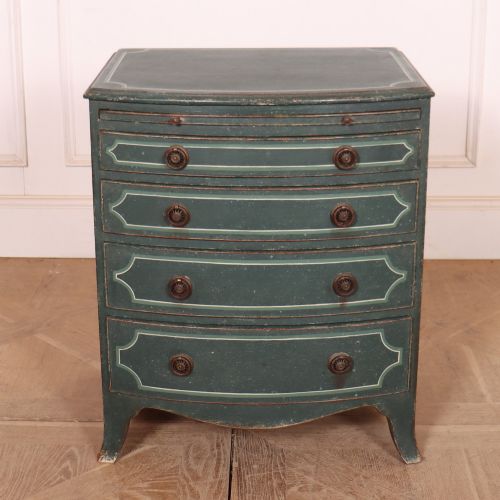
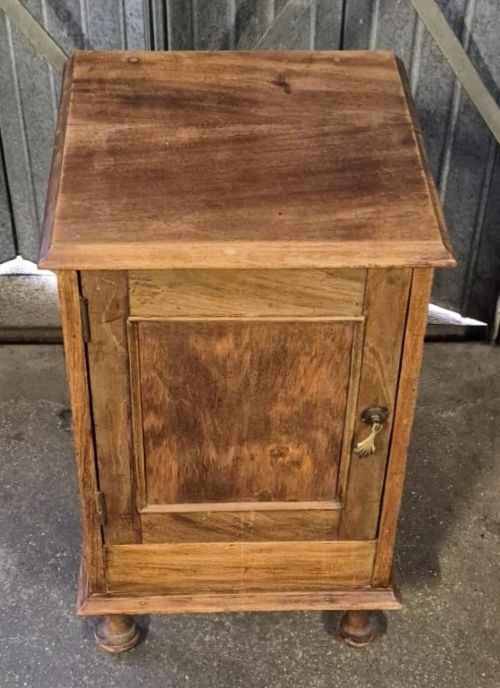
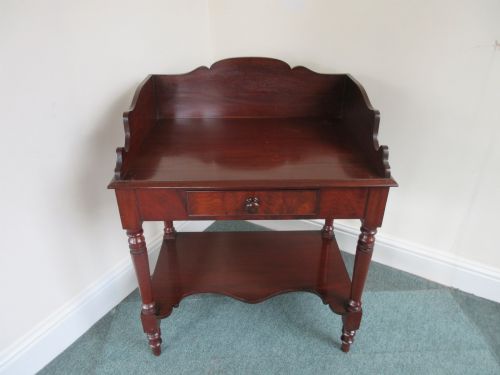
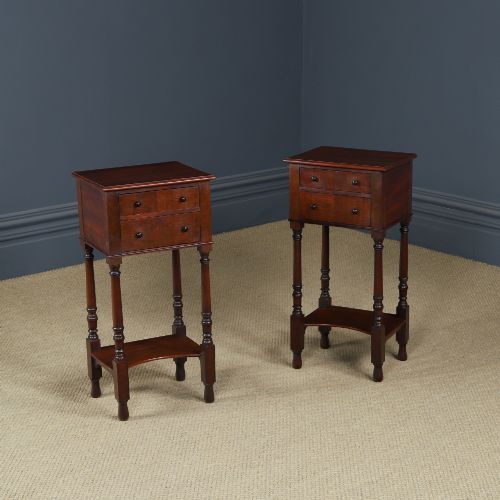
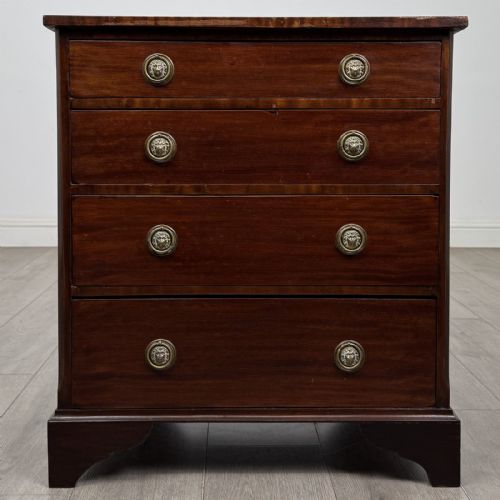
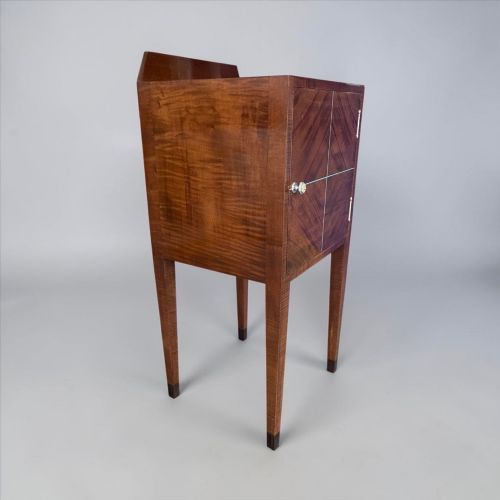
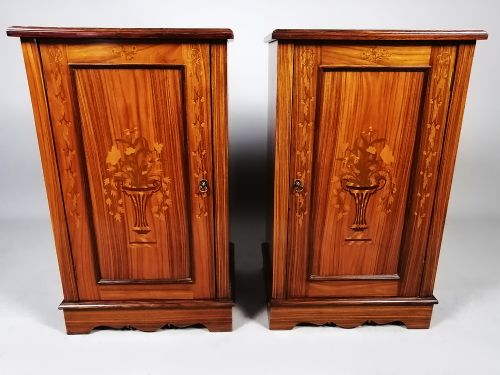
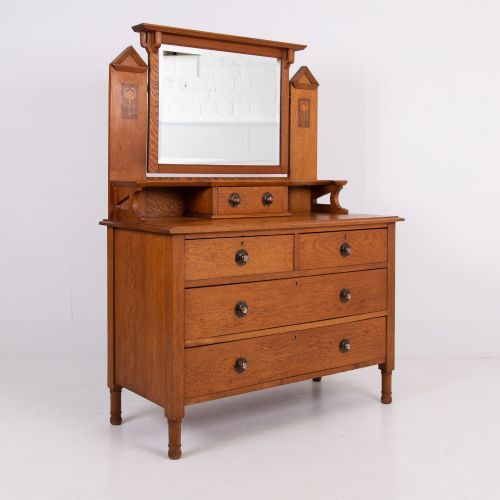
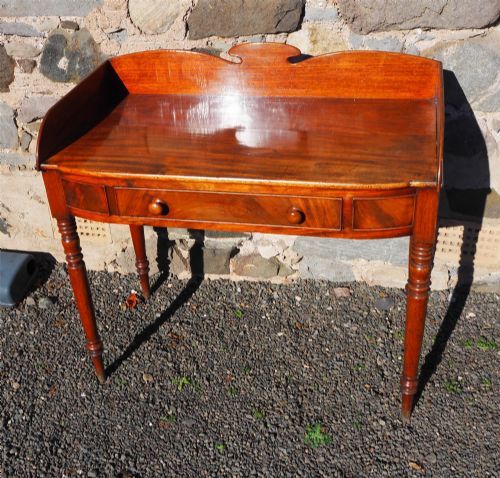
The antique bedroom table encompasses bedside cupboards, nightstands, and dressing tables spanning from the Georgian era through the Victorian, Edwardian, and Art Deco periods. Buyers searching for an antique bedroom table encounter diverse forms, including pedestals, cabinets with single doors or multiple drawers, and vanity tables equipped with mirrors.
Victorian and Edwardian examples dominate the available selection, frequently rendered in rich mahogany or walnut. These pieces originated primarily as functional chamber furniture, ranging from compact bedside storage units to expansive dressing chests designed for the nineteenth and early twentieth-century home.
How They Were Made
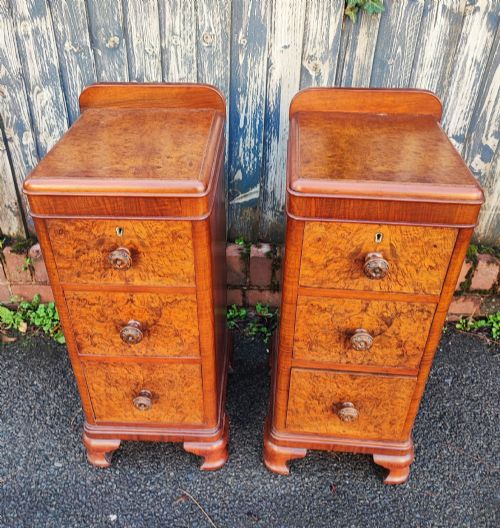
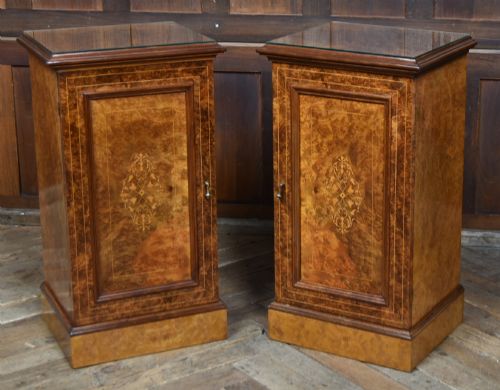
Cabinet makers utilised solid timbers alongside figured veneers, selecting mahogany, walnut, and satinwood for their grain and durability. Surfaces were frequently enhanced with flame mahogany veneer or burr walnut to create striking visual patterns across drawer fronts and top panels.
Construction techniques involved traditional joinery, incorporating multiple drawers, brass hardware, and occasional marble tops on washstands and bedside cabinets. Inlaid details and carved elements defined the transition from Victorian revival styles toward cleaner Edwardian and Art Deco geometries.
Antique Bedroom Table Retail Price Guide 2026
Typical asking prices for bedroom table among the pieces listed under this phrase on Sellingantiques today, from the lower quarter to the upper quarter. They describe what is for sale here now, not the wider market.
Listings feature mahogany, walnut, satinwood, and marble across Victorian, Edwardian, and Art Deco periods.
What Varies in Quality
The selection of timber grain and veneer symmetry largely dictates the visual merit of a piece, with figured burr walnut and flame mahogany commanding attention for their striking patterns. Superior examples display careful matching of wood grains across multiple drawer fronts and cabinet doors.
The integration of secondary timbers, original brass fittings, and structural stability reveals the underlying standard of workshop production. Pieces retaining their original mirrors, marble inserts, or unblemished polished finishes demonstrate superior preservation and craftsmanship.
François Linke·Maple And Co
The Antique Bedroom Table Glossary
- Bedside Cabinet
- A small enclosed piece of furniture designed to sit beside a bed for night-time storage. These typically feature a single door concealing a shelf or interior compartment.
- Flame Mahogany Veneer
- A thin slice of mahogany timber cut from the fork of the tree to create a distinctive flickering flame pattern. Cabinet makers applied this to prominent surfaces for decorative impact.
- Dressing Table
- A low chest or table incorporating drawers and a fixed or adjustable mirror for grooming. These fixtures became central to Victorian and Edwardian bedroom suites.
- Burr Walnut
- Timber taken from a walnut tree growth featuring swirling, knotty grain patterns. It provides a highly decorative surface on luxury Edwardian and Art Deco tables.
- Washstand
- A wooden stand fitted with a marble top designed to hold a basin and jug for morning ablutions. These precursors to modern bathroom fixtures frequently accompany bedroom suites.
Antique Bedroom Table: Frequently Asked Questions
How do I choose the right height?
Measure the top of your mattress to ensure the bedside table sits level with or slightly below the sleeping surface for convenient reach.
Consider the proportions of surrounding furniture so the piece complements rather than dominates the bedroom layout.
Where were these pieces used?
These tables functioned primarily within private sleeping chambers as night storage or dedicated dressing stations.
Today they adapt readily into living rooms and hallways as lamp tables or compact side surfaces.
How do I clean the wood surface?
Dust regularly with a soft, dry cloth to prevent particulate buildup on polished mahogany or walnut veneers.
Apply high-quality beeswax periodically to nourish the timber and maintain a deep, natural lustre.
Can I mix different wood tones?
Combining mahogany and walnut pieces works effectively if the period styles share similar proportions and clean lines.
Matching the general era helps unify diverse wood grains within the same interior space.