


Mahogany Washstand Table
A mahogany washstand table provides practical bedroom utility wrapped in the rich, dark tones of period timber.
Mahogany Washstand Table
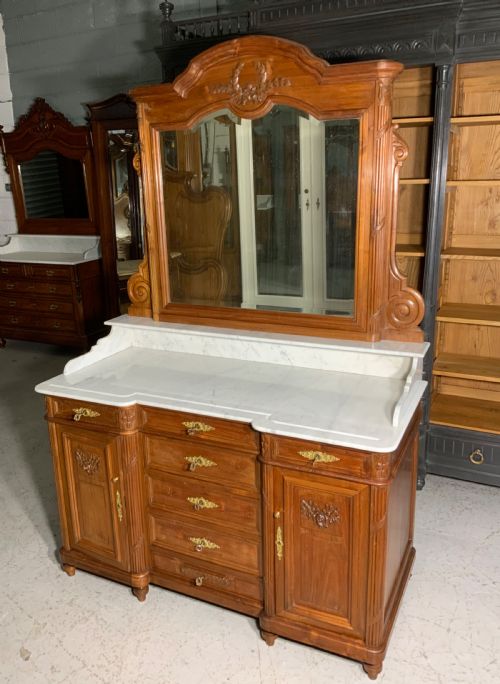
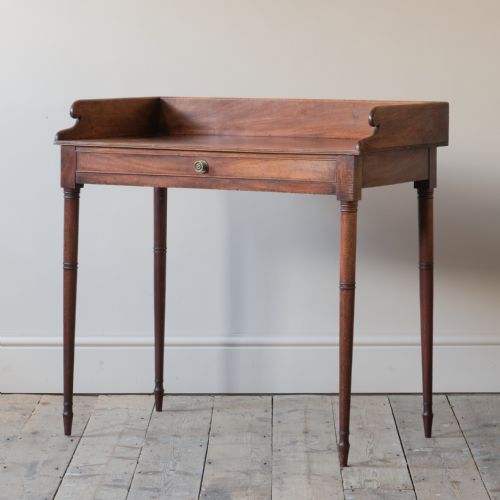
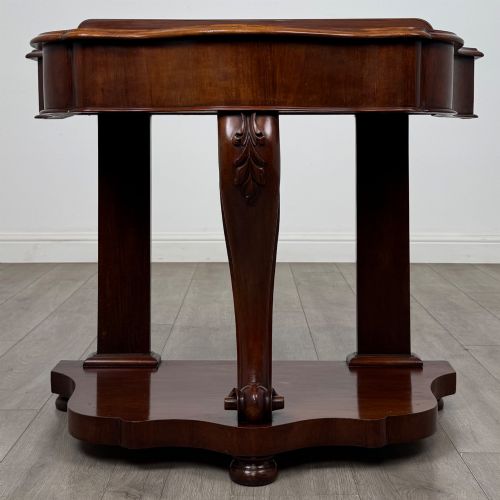
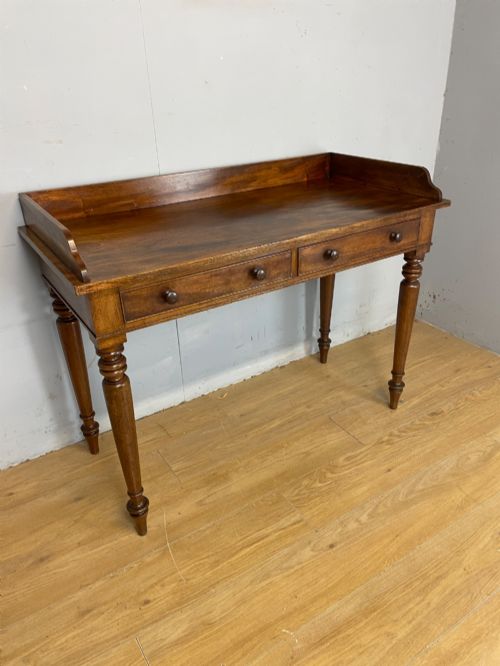
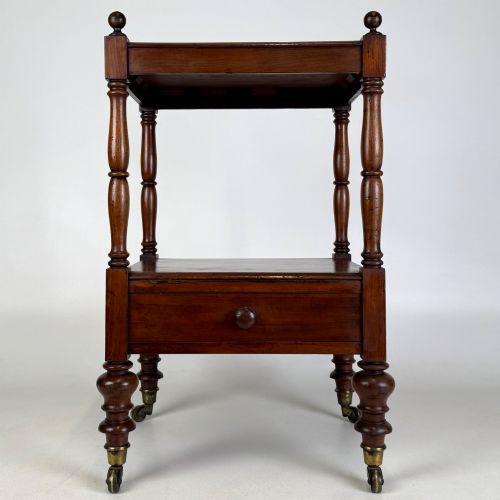
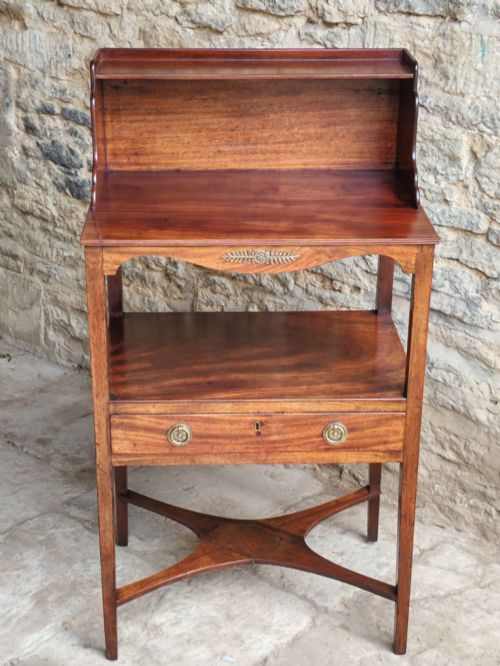
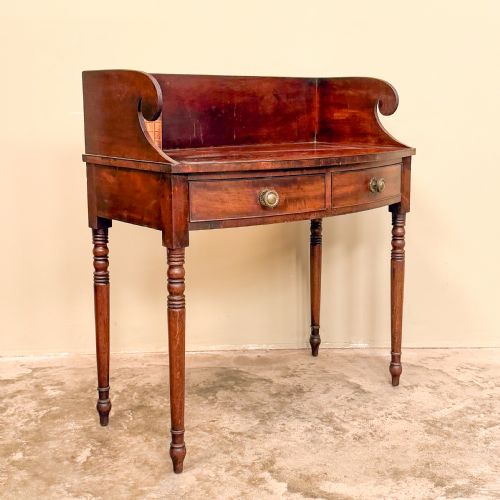
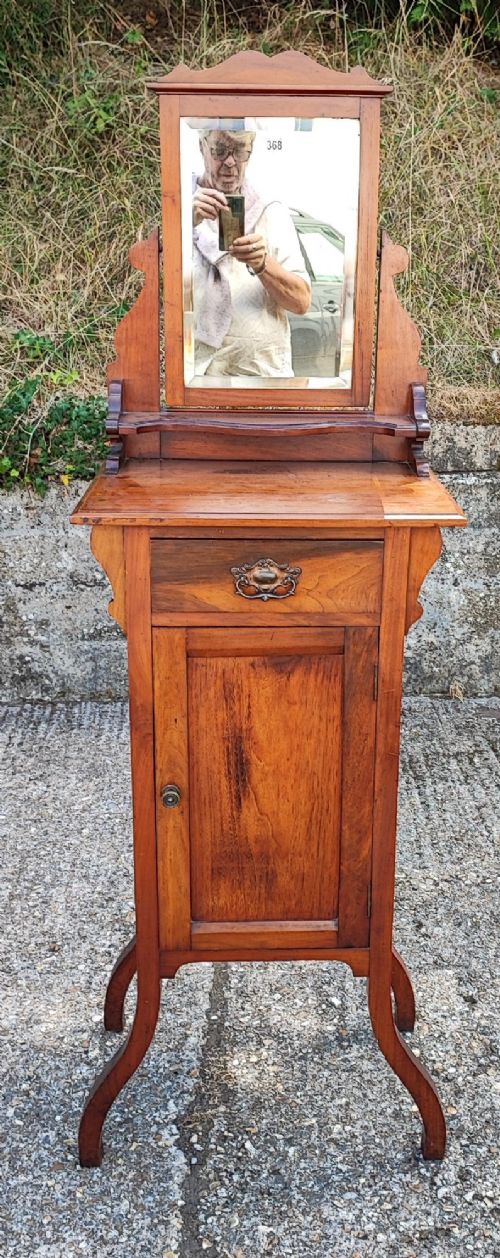
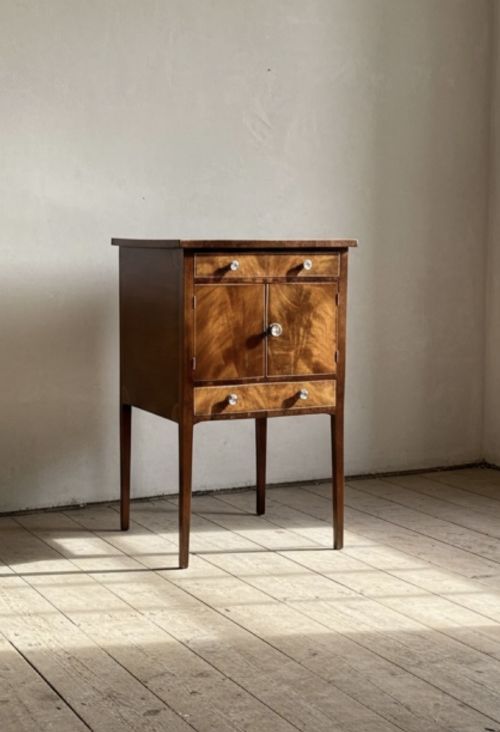
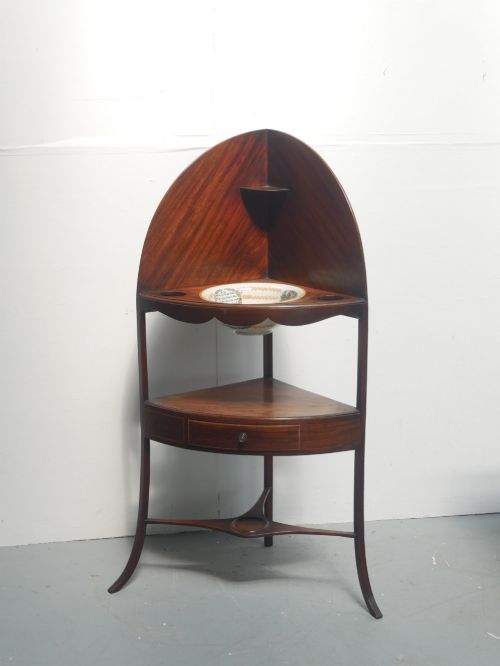
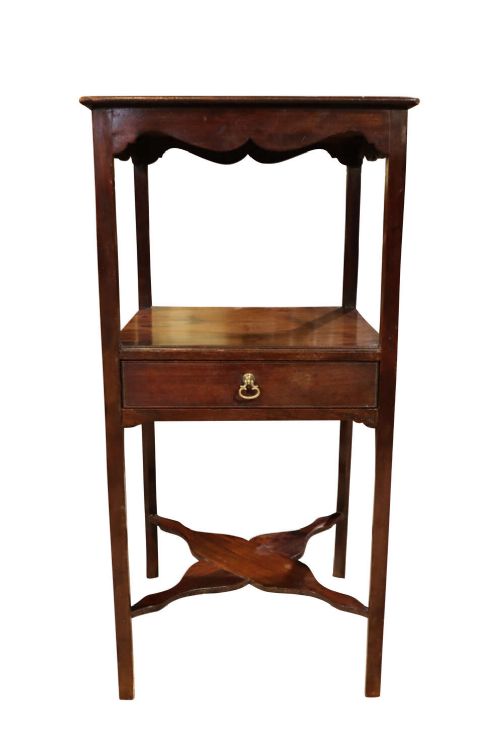
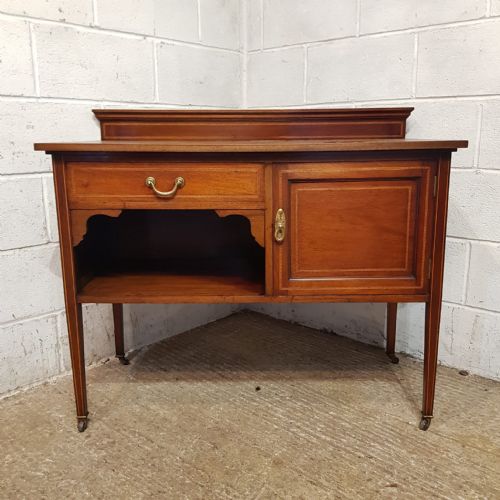
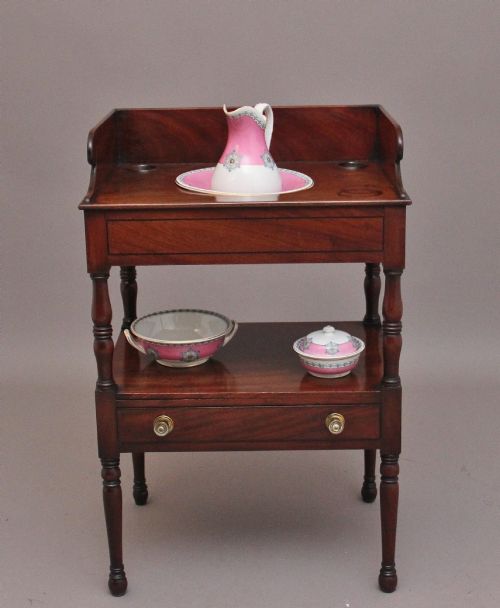
A mahogany washstand table serves as a functional piece of period bedroom furniture designed originally for personal ablutions and grooming. Buyers searching for a mahogany washstand table encounter various forms, spanning corner units, bedside cabinets, and dressing tables.
The pieces on this page originate predominantly from the Georgian, Regency, and Victorian eras, reflecting the domestic habits of the eighteenth and nineteenth centuries. Many survive as versatile side tables or nightstands after having their original washing basins and jugs removed over time.
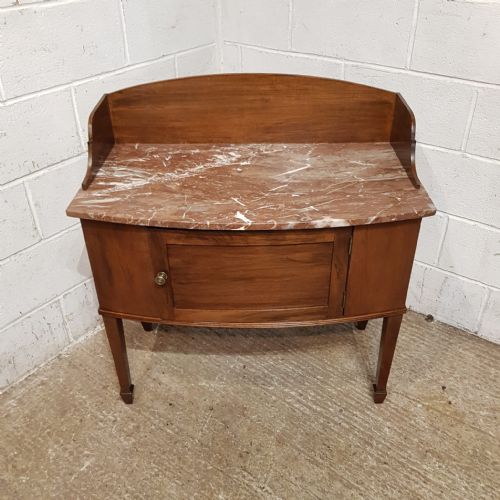
Corner washstands feature triangular configurations built to fit domestic angles, while rectangular variants offer drawers and cupboards for storage. These items combine everyday utility with the warm grain of mahogany timber.
What varies in quality
The selection of timber grain largely determines visual merit, with deeply figured flame mahogany and crisp boxwood inlay commanding greater appreciation than plain stock. Refinement in turning, dovetail joints, and the retention of original brass fittings indicate superior workshop production.
Proportion and structural integrity distinguish utilitarian items from finer cabinet work commissioned for wealthier households. The presence of integrated marble slabs and undamaged ceramic components adds to the integrity of surviving examples.
Some nineteenth-century washstands cleverly conceal a porcelain bidet within their wooden framework for private aristocratic convenience.
Gillows Lancaster·Maples·Harrods
The Mahogany Washstand Table Glossary
- Flame mahogany
- A veneer cut from the fork of the mahogany tree to create a distinctive, swirling flame-like pattern. This figured wood was prized for drawer fronts and tabletops.
- Pot cupboard
- A small enclosed bedside cabinet originally designed to house a chamber pot. These practical items often double as compact nightstands today.
- Tray top
- A raised rim edging the top surface of a table to prevent washing equipment from sliding off. This feature is common on Georgian examples.
- Washstand
- A dedicated furniture piece designed to hold a basin, jug, and personal grooming items before indoor plumbing became standard. Many later received conversions into side tables.
- Stringing
- Thin inlaid lines of contrasting light wood, such as boxwood or satinwood, set into the darker mahogany surface. This technique outlines drawers and borders.
Mahogany Washstand Table: Frequently Asked Questions
What is a mahogany washstand table?
A mahogany washstand table is a piece of antique furniture built to support a basin and ewer for washing before modern plumbing. They typically feature mahogany construction, sometimes with marble tops or storage cupboards below.
Today, buyers repurpose these items as bedside tables, hallway surfaces, or compact side tables in modern homes. Their adaptable storage and surfaces make them practical for contemporary living spaces.
How do I date a mahogany washstand?
Dating relies on examining the construction methods, hardware styles, and overall design characteristics of the piece. Georgian examples often display simple lines and tray tops, while Victorian versions may incorporate marble slabs and heavier proportions.
Cabinetry details, such as hand-cut dovetails and the type of mahogany veneer used, offer further clues to the period of manufacture. Comparing these elements with documented examples helps establish an approximate decade.
Can I use a washstand as a bedside table?
These tables adapt easily to bedside use due to their compact footprints and convenient surface heights. Cupboards and drawers provide practical storage for night-time essentials.
Many surviving pieces have already lost their original wash basins over the centuries, making them natural substitutes for standard nightstands. Their historical character adds distinct personality to a bedroom scheme.
Why do some washstands have marble tops?
Marble tops provided a waterproof and hygienic surface resistant to splashes from water jugs and basins during daily washing routines. This stone addition protected the underlying mahogany timber from moisture damage.
Victorian makers favoured marble inserts for washstands and dressing tables to combine practicality with an air of refined cleanliness. These smooth surfaces remain durable and easy to maintain in active modern settings.