

Wooden Pot Cupboard
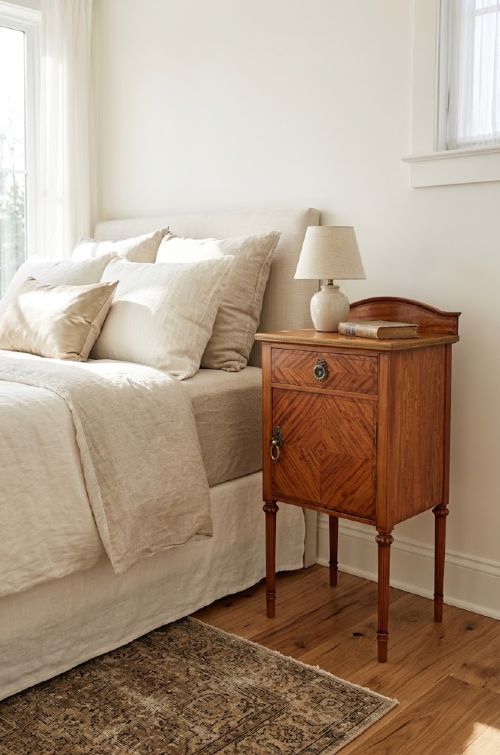
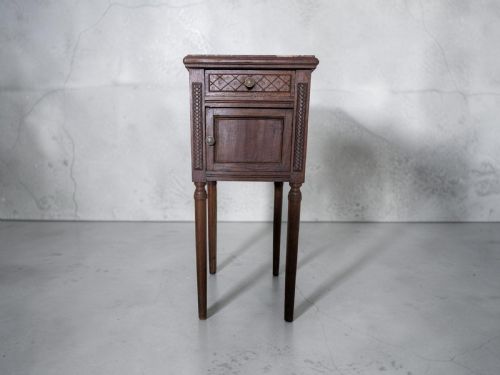
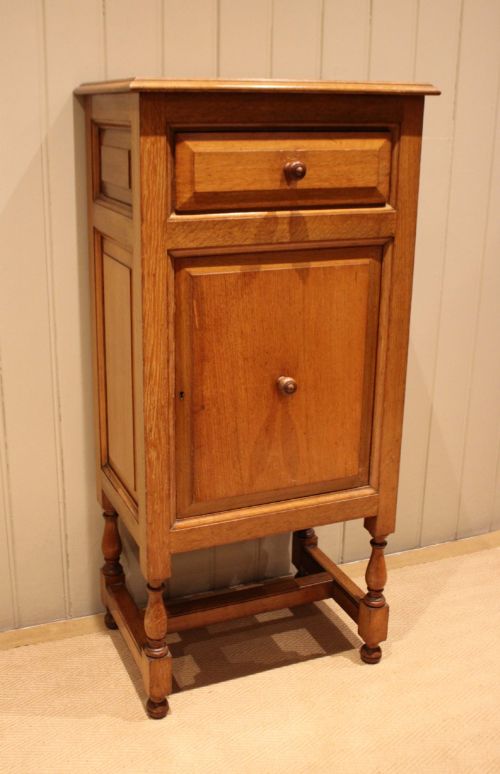
A wooden pot cupboard brings neat symmetry to a bedside, offering a closed compartment to hide nighttime clutter behind panelled doors.
What they are
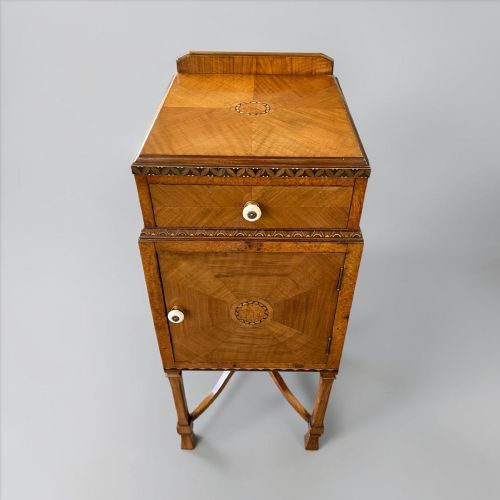
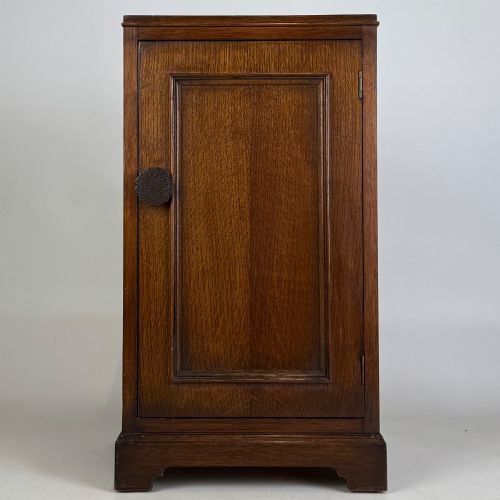
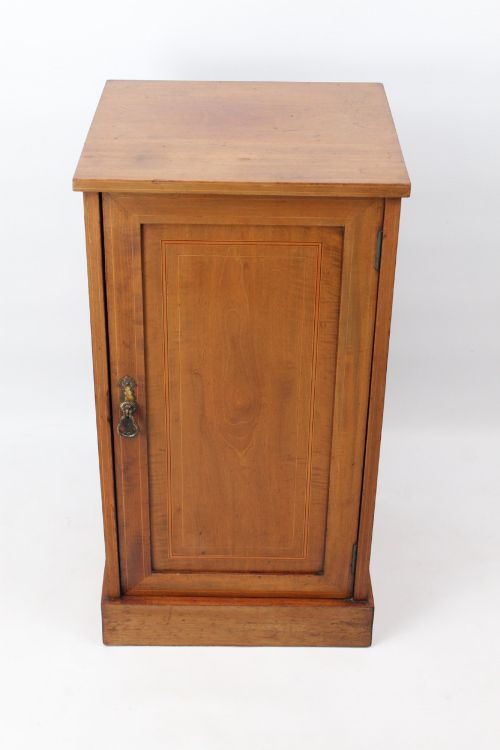
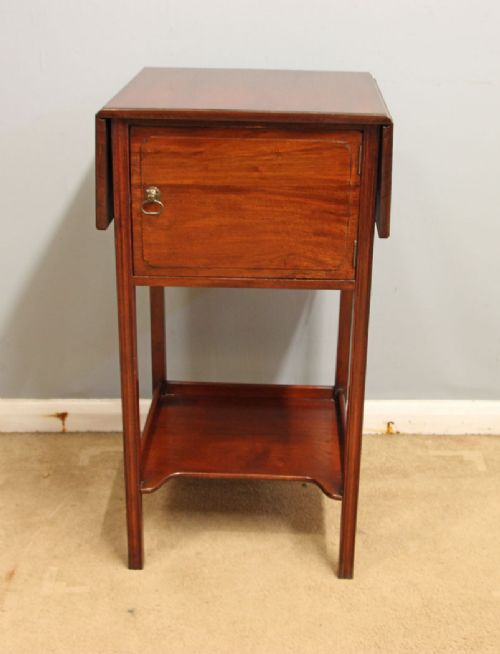
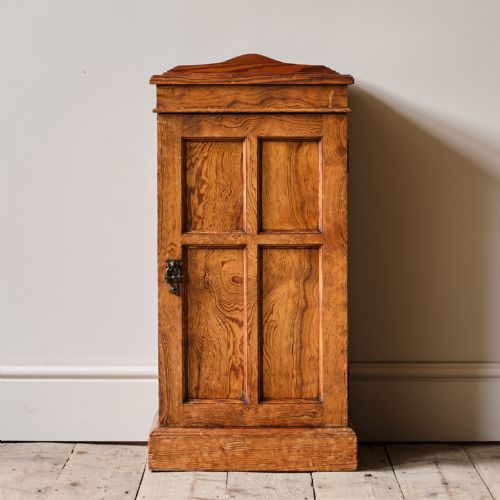
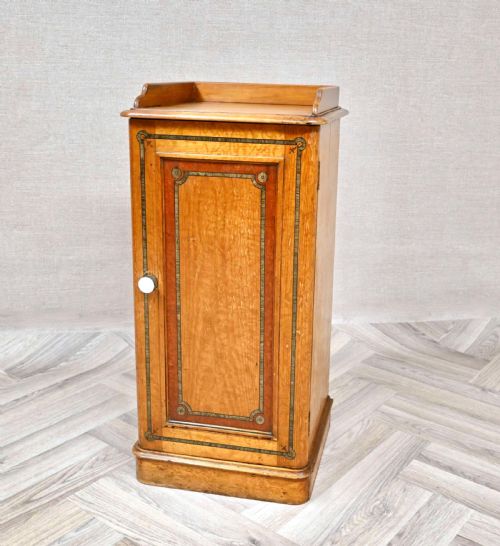
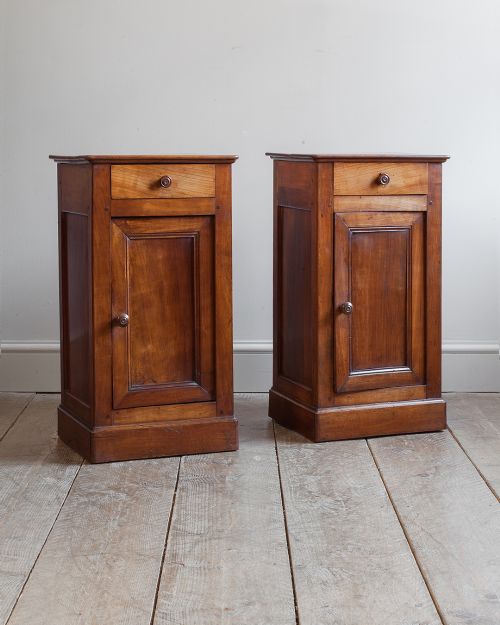
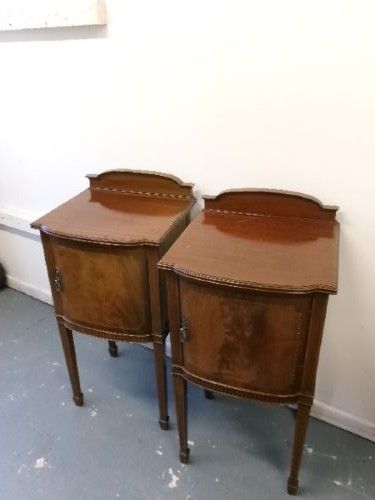
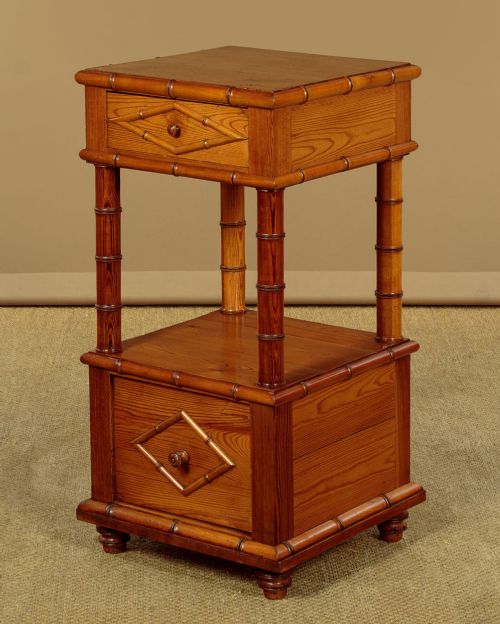
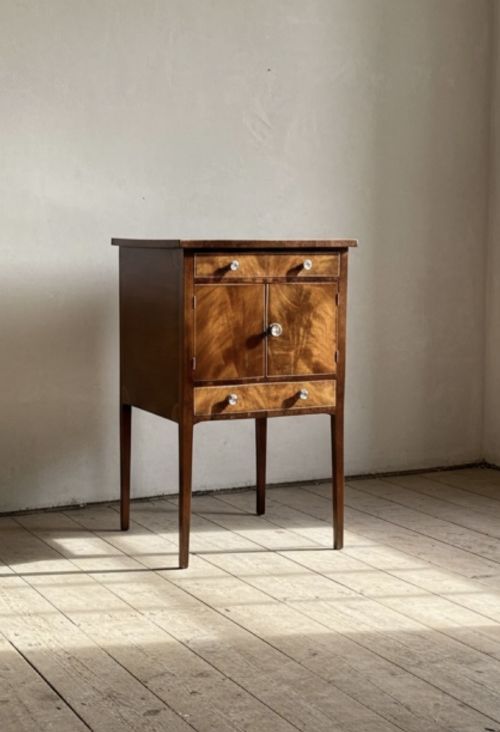
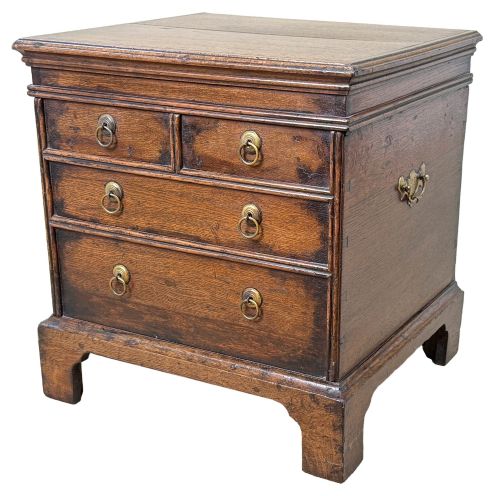
A wooden pot cupboard is a compact piece designed for the bedroom, appearing in forms such as bedside cabinets, bedside tables, and night stands. The pieces listed span several eras, including the nineteenth century, eighteen-seventy, eighteen-eighty, nineteen hundred, and the Edwardian period.
Most examples originate from nineteenth-century workshops, whilst others reflect earlier Georgian styles or Regency influences. They typically function to hold chamber pots or personal items within a small footprint beside the bed.
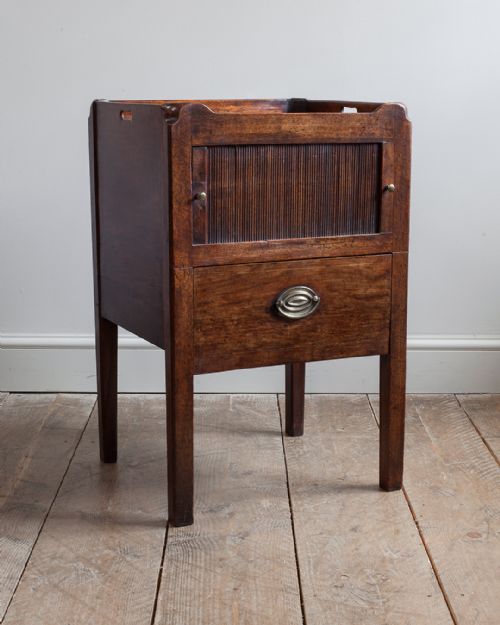
Buyers encounter variations such as pedestal cupboards, tray top cabinets, and plain door enclosures. These designs offer practical enclosed storage alongside open bedside surfaces.
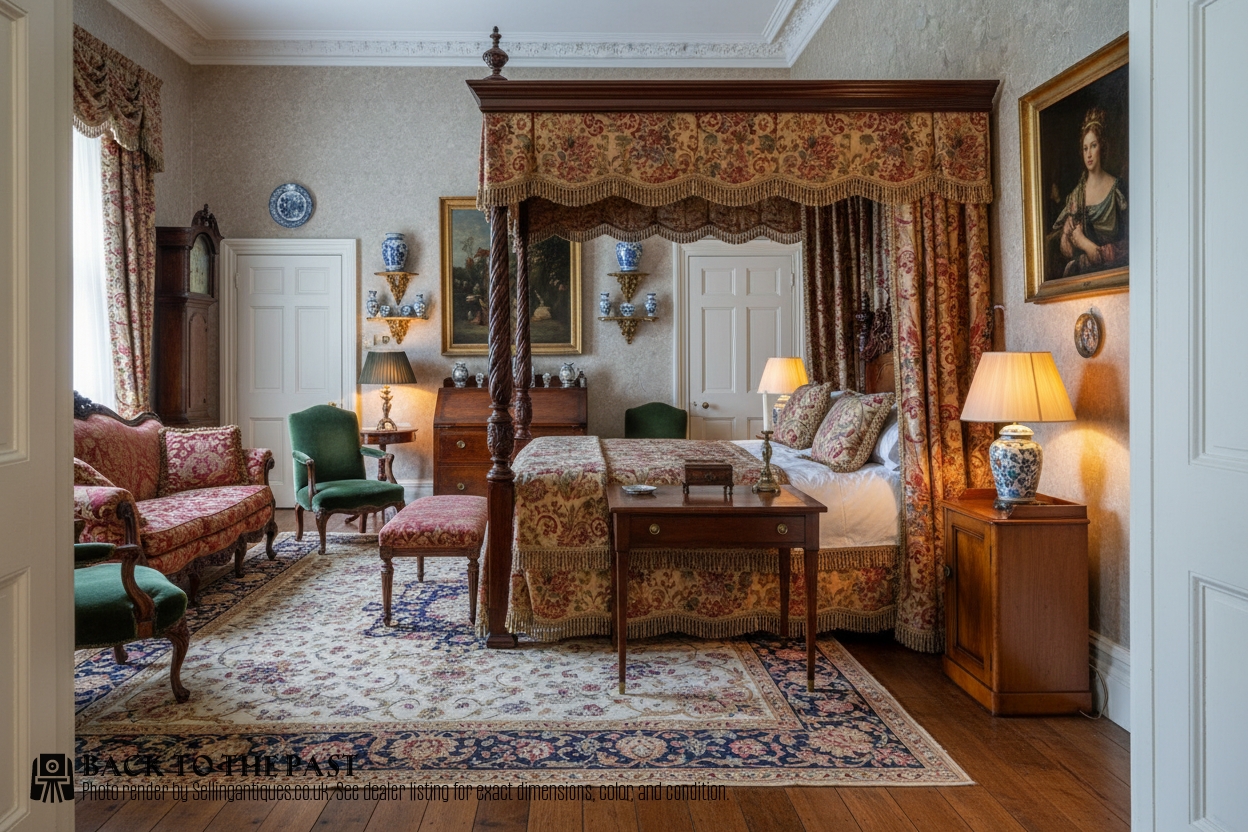
How they were made
Cabinet makers utilised a range of timbers including mahogany, walnut, pine, and satin birch to construct these bedside pieces. These woods were chosen for their durability and grain, sometimes shaped into pedestal or tray top configurations.
Metal fittings such as brass appear on doors and handles, while ceramic elements occasionally feature within the construction. Joinery methods of the nineteenth and Edwardian centuries ensured sturdy frames capable of daily domestic use.
Retail Price Guide 2026
Typical UK retail prices for wooden pot cupboard, calculated from the Sellingantiques database of over a million retail prices indexed since 2003. This retail price guide relies exclusively on Sellingantiques data; no external sources or auction records are used, so the figures do not describe the wider market.
A loyal companion to midnight readers and cold winter nights, guarding secrets behind tiny wooden doors.
What varies in quality
The choice of timber dictates the upper tier of these pieces, with figured mahogany and rich walnut cabinets standing apart from simpler pine examples. Finer cabinets display careful attention to the grain and proportion across the door panels and tray tops.
Hardware choices also mark the distinction between standard and superior workshops, where solid brass handles and secure latches elevate the piece. The integrity of the original construction and the subtlety of the stylistic details separate everyday utility from finer cabinet work.
The Wooden Pot Cupboard Glossary
- Tray top
- A raised rim around the upper surface of a cabinet designed to stop items rolling off. This feature appears on Georgian style bedside tables.
- Pedestal cupboard
- A tall, narrow cabinet form enclosing a single cupboard space. Early nineteenth-century examples often take this vertical shape.
- Night stand
- An alternative term for a small bedside table or cupboard. These pieces provided a surface for a chamber candle or water jug.
- Satin birch
- A pale, lustrous hardwood used for Victorian cabinet making. Its distinct grain gives furniture a golden sheen.
Frequently Asked Questions
What is a wooden pot cupboard used for?
These compact cabinets served primarily to enclose a chamber pot beside the bed in eras before plumbed indoor bathrooms became common. They kept personal necessities out of sight while providing a convenient flat top for a lamp or glass of water.
Today, modern homes utilise them as bedside tables for storing books, chargers, and small nighttime items. Their small footprint makes them practical for tight spaces where larger tables will not fit.
How do I date a bedside cabinet?
Dating relies on identifying the timber choices, construction techniques, and stylistic markers of the piece. Nineteenth-century examples often feature solid mahogany or pine with hand-cut joints, while Edwardian pieces display lighter woods and softer proportions.
Looking closely at the hinges, handles, and interior linings helps determine the manufacturing era. Georgian style revues from later decades often mimic earlier proportions but use different interior construction methods.
Are these cupboards suitable for small bedrooms?
Their original purpose required them to fit snugly beside a bed, which makes them ideal for compact modern bedrooms. They offer enclosed storage without demanding excessive floor space.
The vertical design of pedestal cupboards provides generous storage capacity within a minimal width. This allows a functional surface area alongside the mattress without crowding the room.
What woods were used for these cabinets?
Cabinet makers worked with a variety of timbers depending on the period and the desired finish. Mahogany and walnut appear frequently in finer pieces, offering rich colour and strong grain patterns.
Softer woods like pine served for simpler utility cupboards, while satin birch provided a pale alternative during the Victorian era. Brass and ceramic details often complemented these primary materials.