

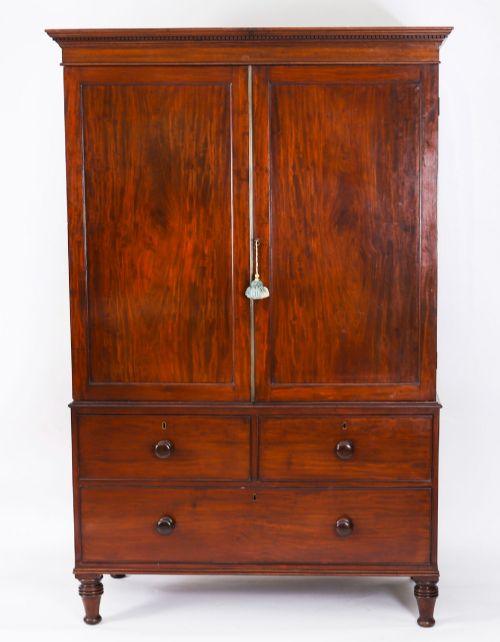
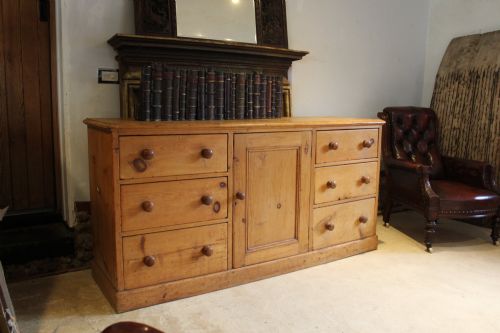

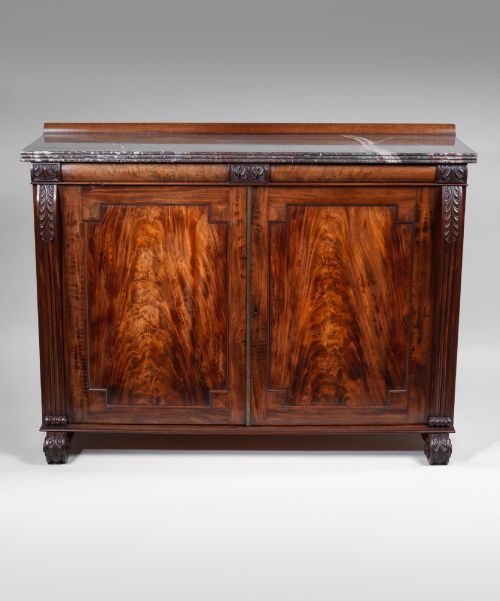
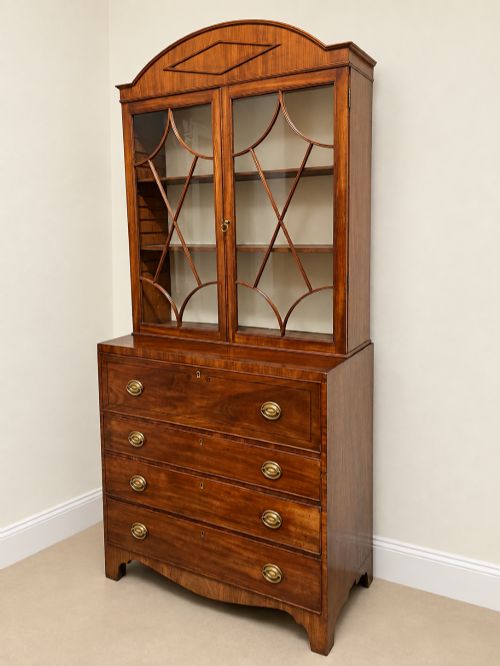
Early 19th Century Cabinet
An early 19th century cabinet brings functional storage and period craftsmanship into a room, offering diverse woods and regional styles from bookcases to bedside cupboards.
Early 19th Century Cabinet
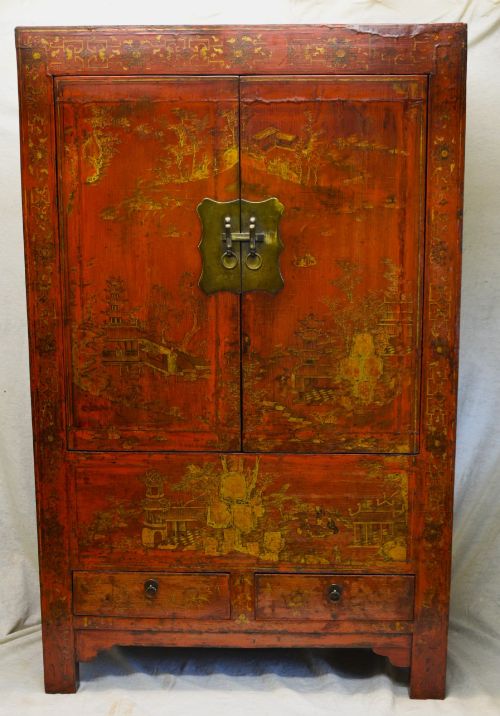
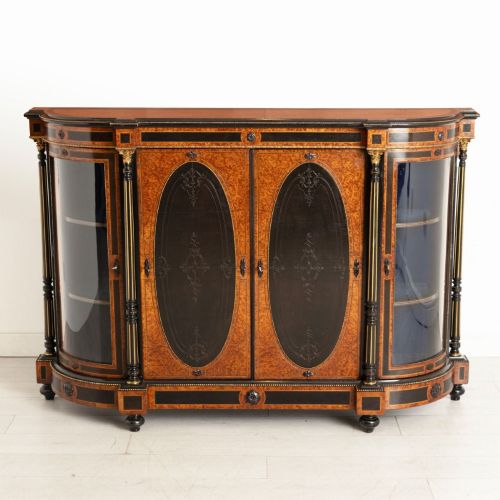
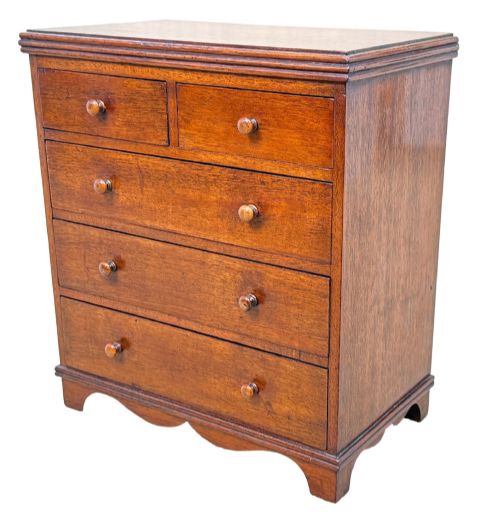
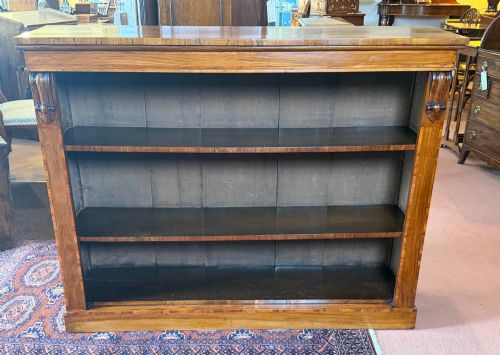
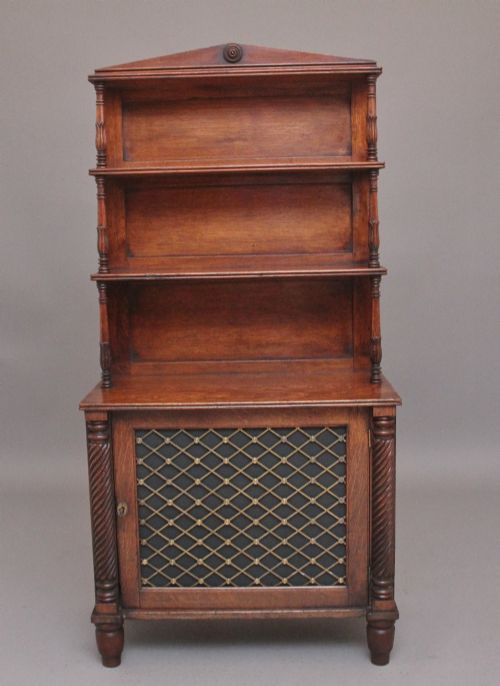
The early 19th century cabinet encompasses a broad variety of forms designed for domestic storage and display, including side cabinets, bookcases, chiffoniers, and specialised apothecary or collectors chests. These pieces emerge from Georgian, Regency, William IV, and early Victorian periods, alongside continental European and Chinese export workshops.
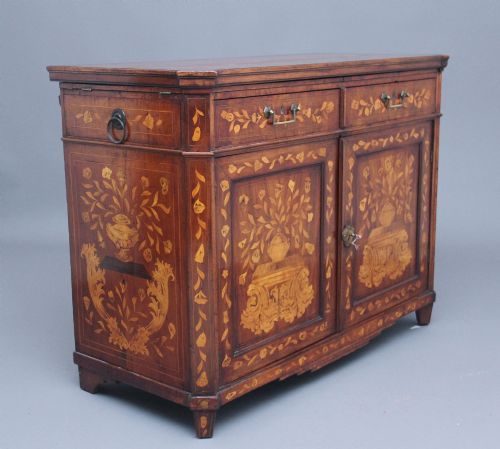
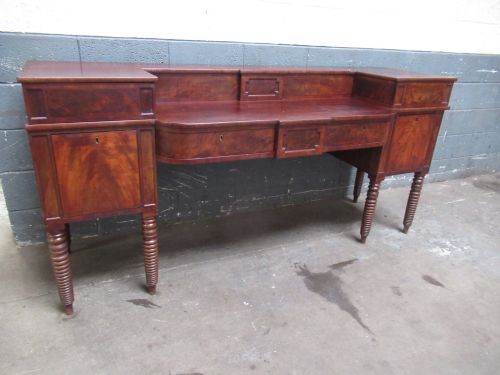
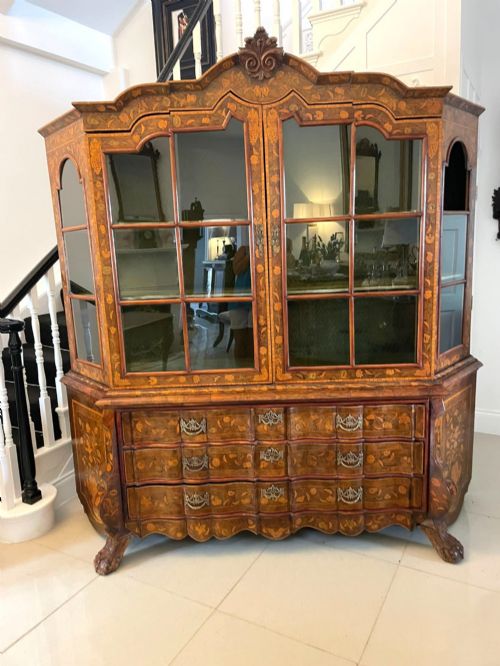
Buyers browsing this selection frequently encounter mahogany side cabinets and rosewood bookcases, alongside painted pine cupboards from French Provincial and Scandinavian traditions. Regional pieces such as Scottish sideboards and Dutch marquetry display pieces add distinct regional character to the category.
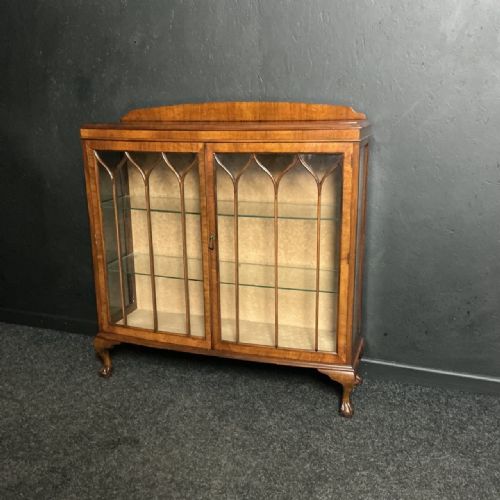
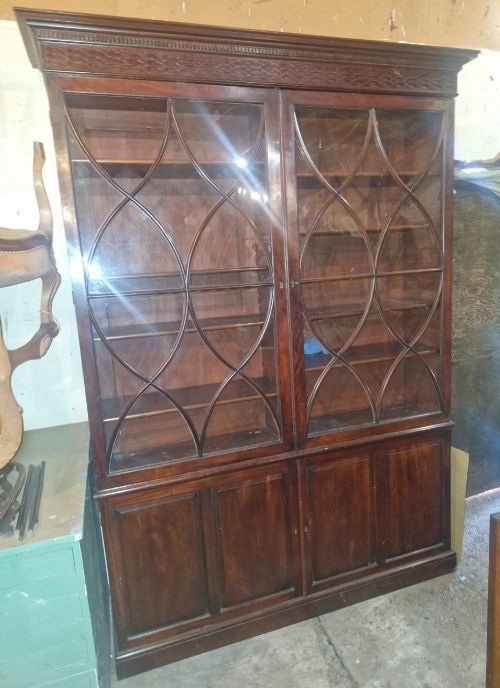
Functional variants range from tall glazed bookcases and linen presses to small bedside tables and hanging wall cabinets. Each form reflects the specific domestic requirements of the period, executed in native timbers or exotic imported woods.
Materials and Construction
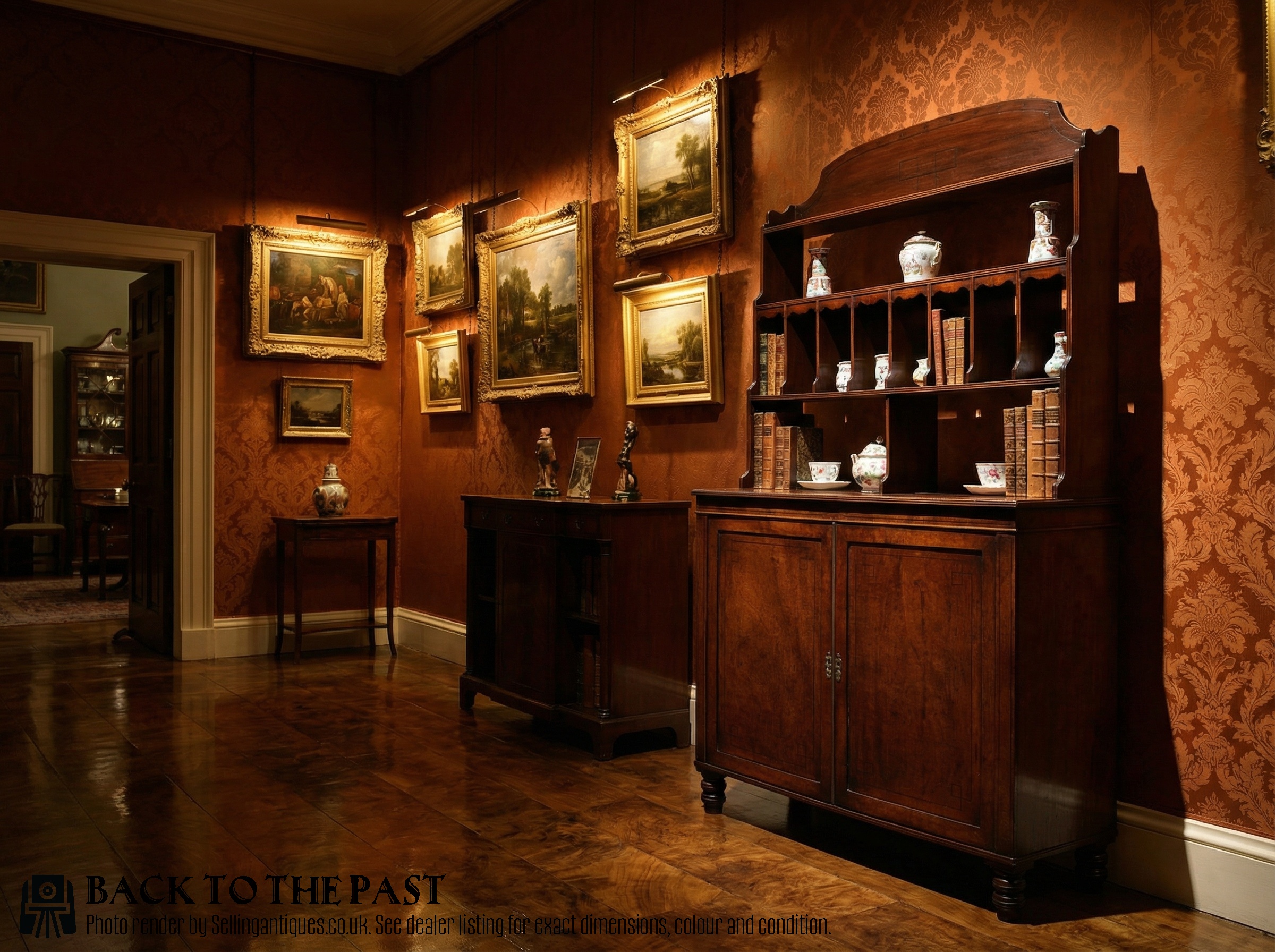
Cabinet makers of this era relied heavily on mahogany, rosewood, and pollard oak, often enhanced by flame mahogany veneers, satinwood banding, and contrasting ebony stringing. Secondary structural timbers such as pine and oak appear in the interiors and carcases of these pieces.
Glazed doors, brass hardware, and intricate marquetry or hand-painted finishes characterise the finer examples from this timeframe. Joinery techniques prioritize stability and display, utilising pegged frames, dovetailed drawer construction, and fitted internal compartments.
Early 19th Century Cabinet Retail Price Guide 2026
Typical asking prices for early 19th century cabinet among the pieces listed under this phrase on Sellingantiques today, from the lower quarter to the upper quarter. They describe what is for sale here now, not the wider market.
Listings feature woods including mahogany, rosewood, walnut, pollard oak, and pine alongside painted and lacquered finishes.
Assessing Distinction
Quality in these pieces rests upon the selection of timber figures, such as symmetrical flame mahogany or richly figured burr walnut, matched across prominent surfaces. Finer examples display meticulous attention to detail in inlay work, original brass fittings, and well-proportioned architectural cornices.
Construction integrity also dictates standard, visible in the snugness of drawer dovetails, the retention of original glass panes, and the smooth operation of doors and secretaire drawers. The presence of untouched original surfaces and patination elevates the standing of any piece within the range.
Doe and Rogers·John Rose·William Bird MD FLS
The Early 19th Century Cabinet Glossary
- Chiffonier
- A low sideboard or cabinet featuring shelves or a small cupboard section above, popular during the Regency and early Victorian periods.
- Secretaire
- A cabinet or chest incorporating a pull-down writing drawer that conceals a fitted interior of small pigeonholes and hidden compartments.
- Marquetry
- The decorative art of applying thin pieces of wood veneer in elaborate floral or geometric patterns onto a structural carcase.
- Pollard Oak
- Timber derived from an oak tree that has been cut back to encourage a dense head of branches, producing a heavily figured, speckled grain.
- Apothecary Chest
- A multi-drawer cabinet originally utilised by medical practitioners or apothecaries for sorting herbs, powders, and remedies.
Early 19th Century Cabinet: Frequently Asked Questions
What is a secretaire cabinet?
A secretaire cabinet combines a standard storage unit with a fold-down writing surface. This drop-front panel conceals an internal arrangement of small drawers and pigeonholes.
Craftsmen integrated these writing drawers into bookcases, chests, and side cabinets to provide a compact desk space without requiring a separate piece of furniture.
How do I identify a Regency cabinet?
Regency cabinets typically date from the early decades of the 19th century and feature classical architectural influences. Look for clean lines, dark imported woods like rosewood or mahogany, and brass inlay or lion-paw feet.
These pieces often reflect a shift toward heavier classical forms inspired by ancient Roman, Greek, and Egyptian design motifs.
Where were painted pine cupboards made?
Painted pine cupboards and dressers frequently originate from regional European workshops, particularly in France, Scandinavia, and rural parts of Britain. Artisans utilised locally available softwoods, finished with decorative hand-painted or distressed milk paint surfaces.
These country pieces served practical storage roles in kitchens, pantries, and bedrooms rather than formal reception rooms.
What distinguishes a chiffonier from a sideboard?
A chiffonier is generally smaller than a sideboard and includes a raised shelf or enclosed superstructure on top of the main low cabinet. Introduced during the Regency period, it functioned as a versatile serving station and display surface in dining rooms and parlours.
Sideboards of the same era tended to be longer, heavier structures designed specifically for dining room service and large-scale storage.