

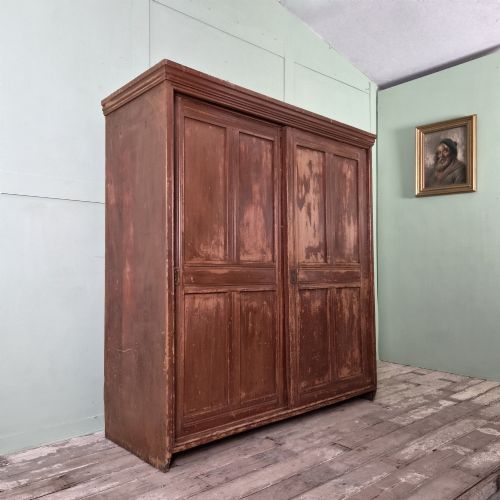
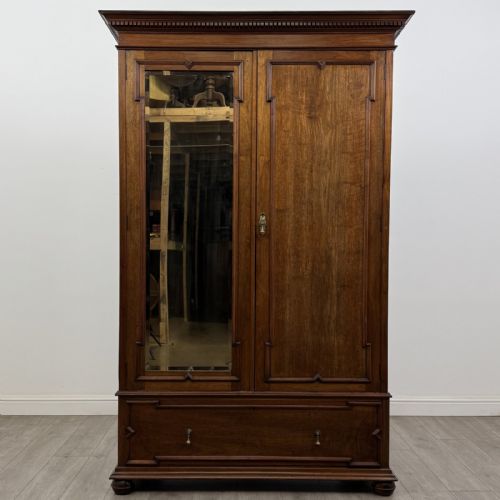
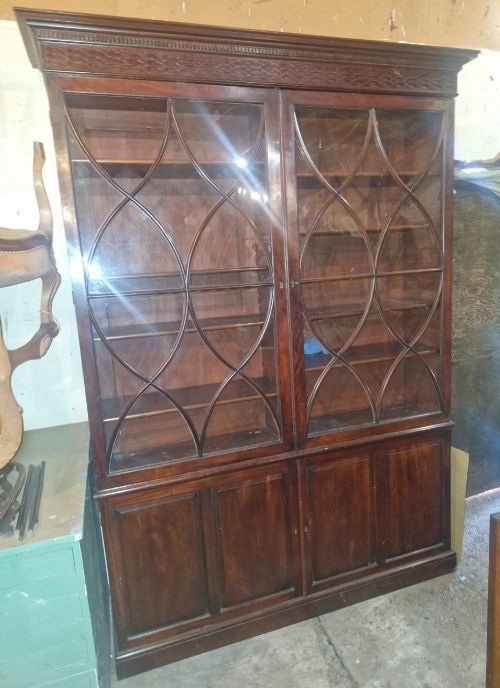

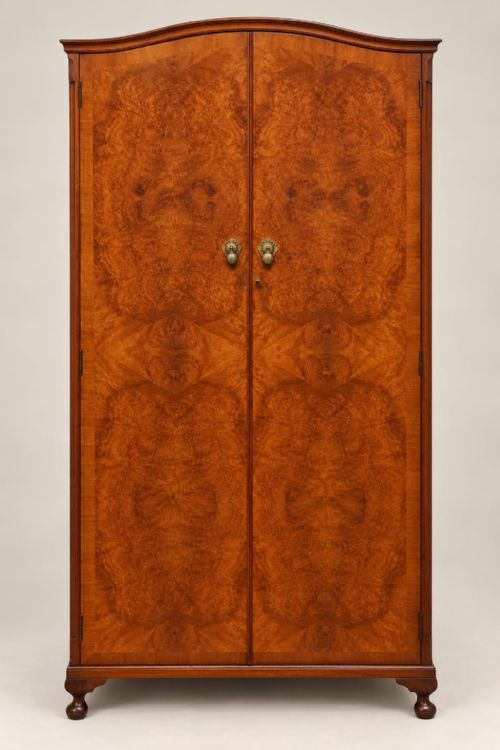
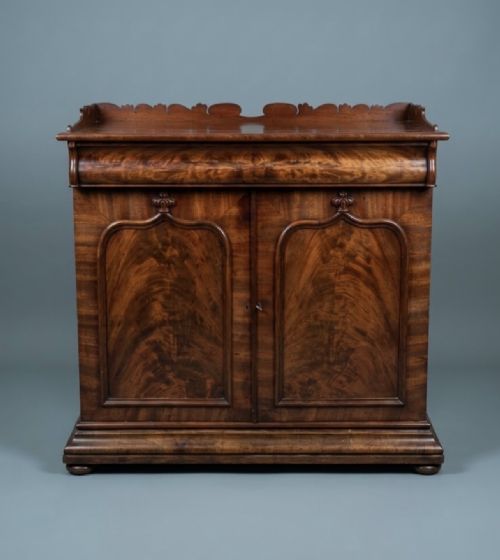
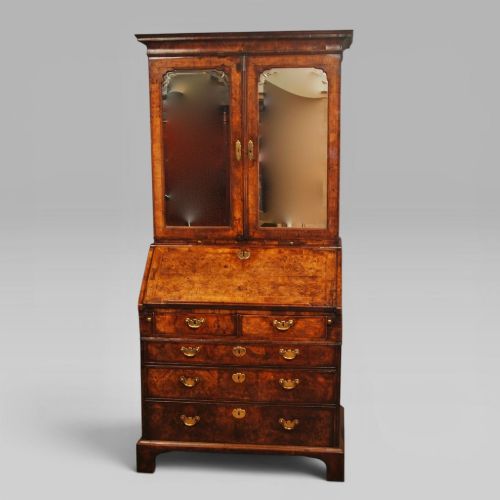
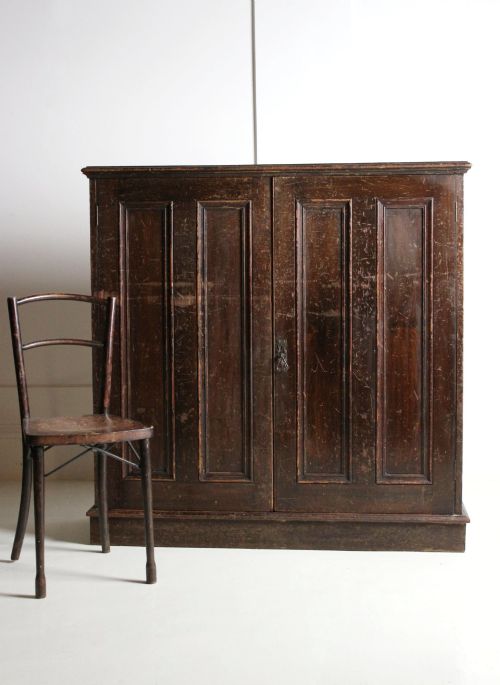
Antique Double Door Cabinet
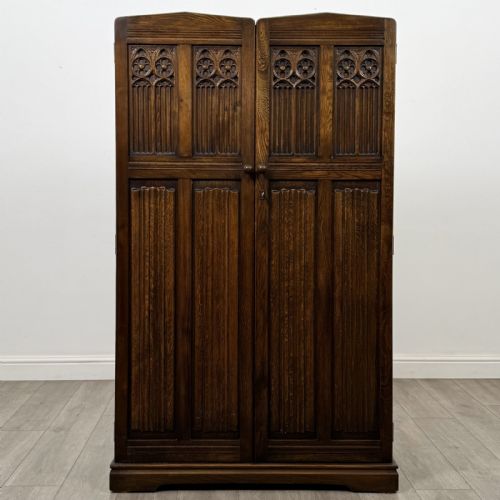
An antique double door cabinet offers substantial storage behind paired panels, spanning wardrobe, bookcase and cupboard forms in mahogany, pine and walnut.
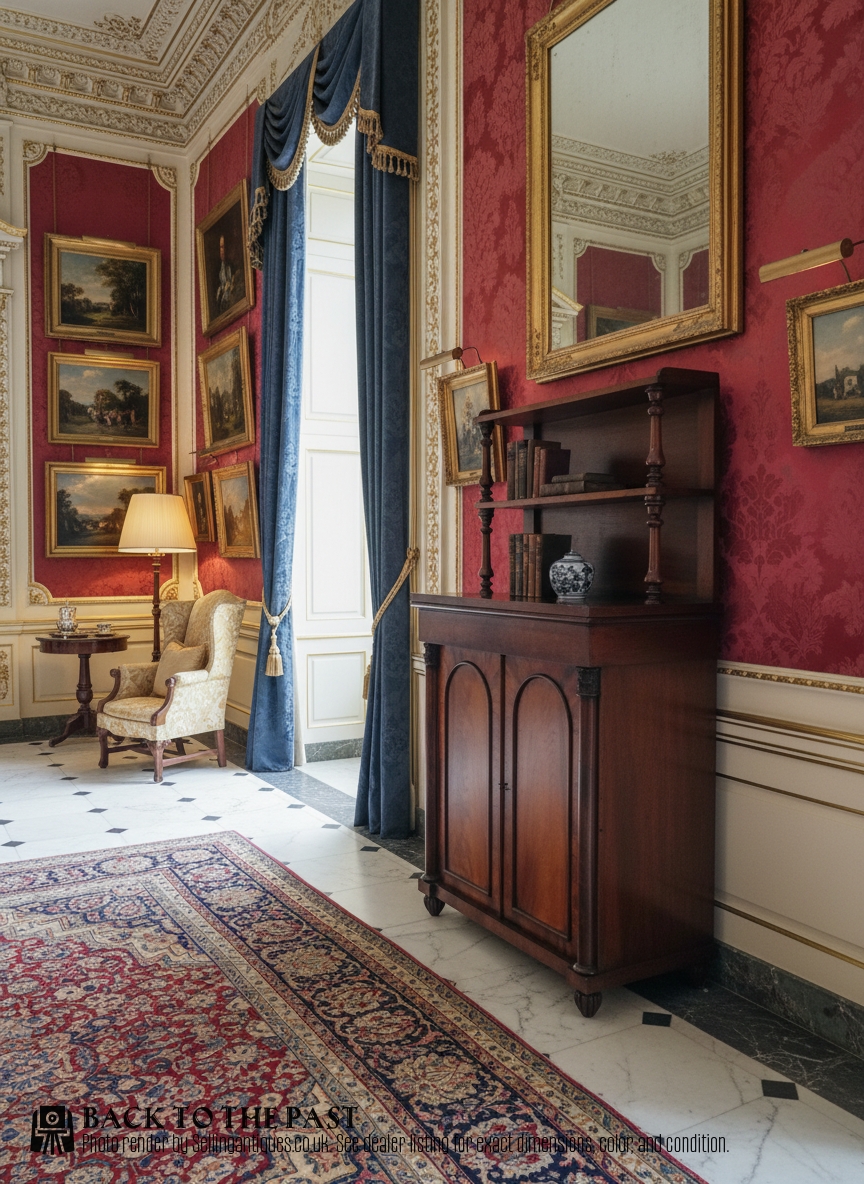
Antique Double Door Cabinet
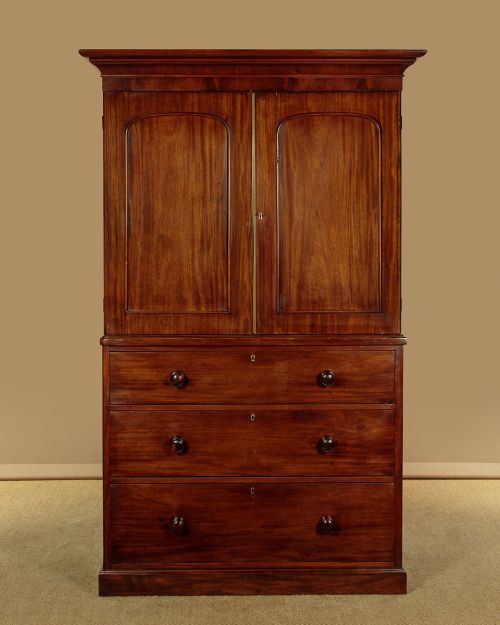
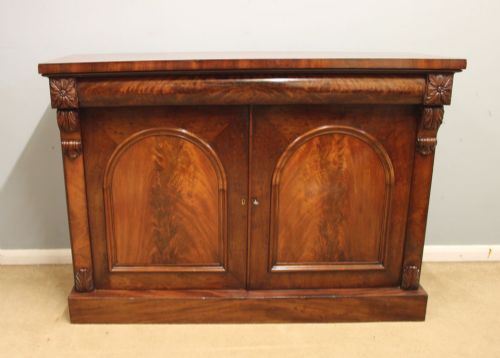
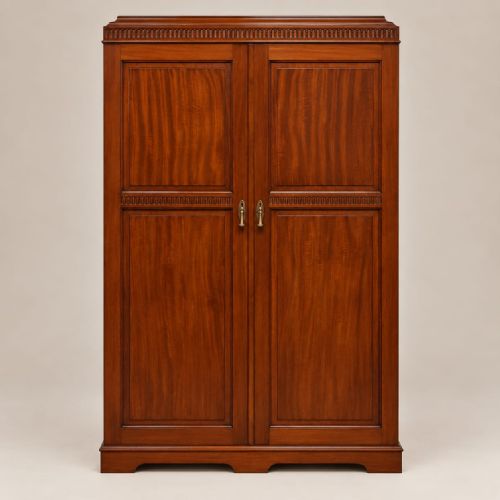
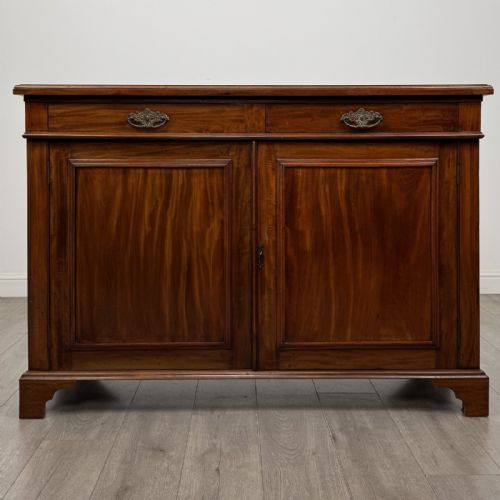
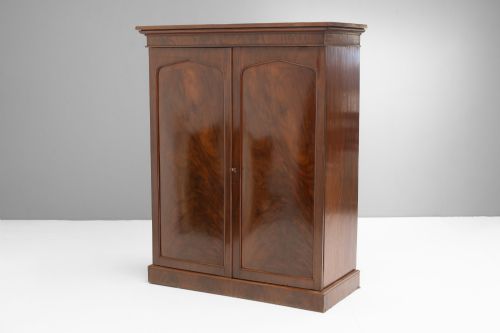
An antique double door cabinet provides enclosed storage across a range of forms including wardrobes, armoires, bookcases, display cabinets and linen presses. These pieces span periods from the eighteenth century through the Victorian era into the early twentieth century.
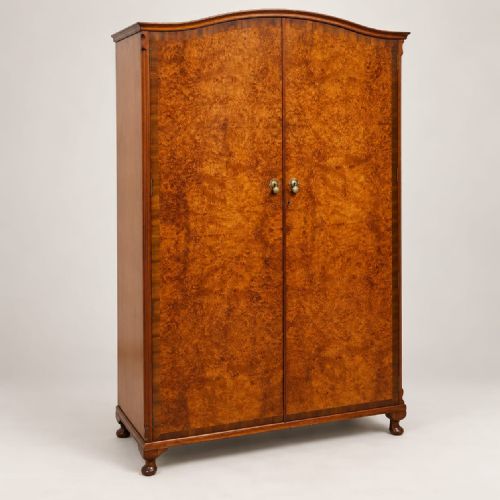
Mahogany and pine dominate the selection, accompanied by walnut, burr walnut, oak, and rosewood. Styles extend from Georgian and William IV to Victorian, Edwardian, and Art Deco, alongside French provincial and revival designs.
How they were made
Cabinet makers utilised solid timbers and veneers, building carcases in mahogany, oak and pine with decorative surfaces of burr walnut, rosewood and lacquer. Glazed doors incorporate glass panels, while brass hardware secures closures and drawers.
Construction techniques include panelled doors, tambour fronts, and knockdown framing for large wardrobes, allowing disassembly for transport. Surface finishes range from polished mahogany and waxed pine to painted and chinoiserie lacquer decoration.
Antique Double Door Cabinet Retail Price Guide 2026
Typical asking prices for double door cabinet among the pieces listed under this phrase on Sellingantiques today, from the lower quarter to the upper quarter. They describe what is for sale here now, not the wider market.
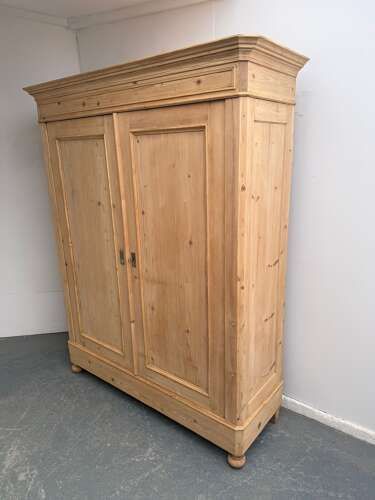
Several massive pine wardrobes come specified as knockdown units, proving that flat-pack furniture troubled Victorian house movers too.
What varies in quality
The choice of timber sets the baseline for quality, distinguishing dense figured mahogany and burr walnut from utilitarian stained pine. Grain selection and matching across the double doors demonstrate the maker's intent.
Execution of detail defines the higher tier, from finely inlaid mahogany and carved Rococo or Louis XVI revival motifs to simpler country and cottage constructions. Hardware integration and the integrity of glazed or panelled doors further separate standard utility pieces from fine furniture.
The Antique Double Door Cabinet Glossary
- Breakfront
- A cabinet design where the central section projects forward from the flanking wings. This architectural arrangement adds depth and visual rhythm to bookcases and wardrobes.
- Linen press
- A tall cupboard featuring sliding trays or shelves in the upper section for textiles, placed above drawer storage. Georgian and Victorian examples often use mahogany or oak.
- Chiffonier
- A low sideboard or cabinet equipped with enclosed lower cupboards and sometimes a shelf superstructure. Victorian examples frequently utilise mahogany or rosewood.
- Tambour
- A flexible shutter formed of narrow vertical strips of wood glued to canvas backing, allowing doors to slide around a curve. French filing cabinets utilise this mechanism.
- Vitrine
- A glass-fronted display cabinet designed for porcelain and decorative objects. These pieces often feature glazed double doors and internal shelving.
Antique Double Door Cabinet: Frequently Asked Questions
How do I date an antique double door cabinet?
Dating relies on timber choice, construction methods, and stylistic details associated with periods like the Georgian era or Victorian reign. Secondary woods and hardware fixings also offer reliable clues to the decade of manufacture.
Cabinet carcases altered over time or assembled from disparate parts require close inspection of joinery and internal linings. Comparing the overall form against documented regional styles clarifies the historical context.
What is the difference between an armoire and a wardrobe?
An armoire is a traditional European cupboard, often French, featuring double doors and deep internal proportions originally intended for garments or linens. Wardrobes serve a similar hanging purpose but frequently incorporate fitted internal compartments.
Both forms appear across pine, oak, and mahogany variants within the nineteenth and twentieth centuries. The terminology often reflects regional origin rather than a strict functional distinction.
Are pine cabinets sturdy enough for daily use?
Pine cabinets provide robust daily storage, particularly heavy Victorian and Georgian pieces constructed from solid old-growth timber. Waxed or painted pine carcases handle regular opening and closing without structural compromise.
Large wardrobes built as knockdown units require correct assembly to maintain rigidity. Properly maintained pine storage cupboards easily accommodate modern loads.
How should I care for a mahogany cabinet?
Mahogany surfaces benefit from application of quality beeswax and gentle dusting with a soft cloth to preserve the timber lustre. Avoiding direct sunlight and stable humidity prevents veneer lifting and wood splitting.
Original brass hardware requires minimal intervention beyond gentle cleaning. Maintaining consistent indoor climate protects the structural integrity of antique joints.