
Victorian Carved Cabinet
When you search for a victorian carved cabinet, you meet robust sideboards, glazed display pieces and upright bookcases shaped by nineteenth-century revival styles.
Victorian Carved Cabinet
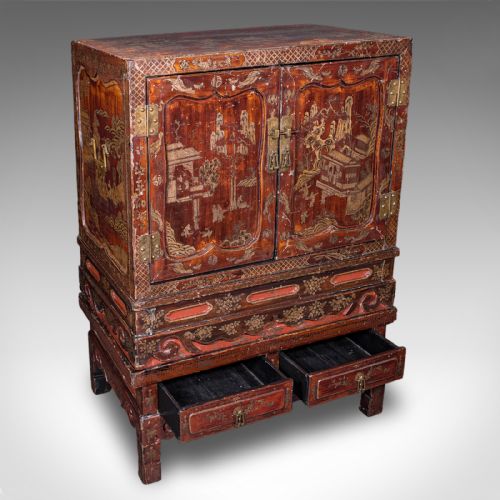
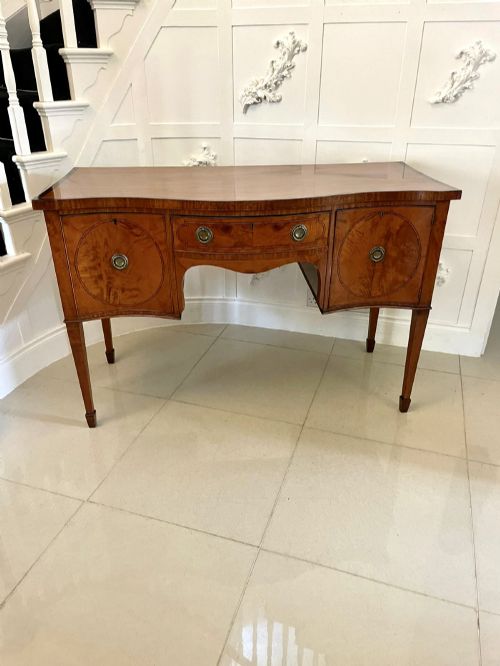
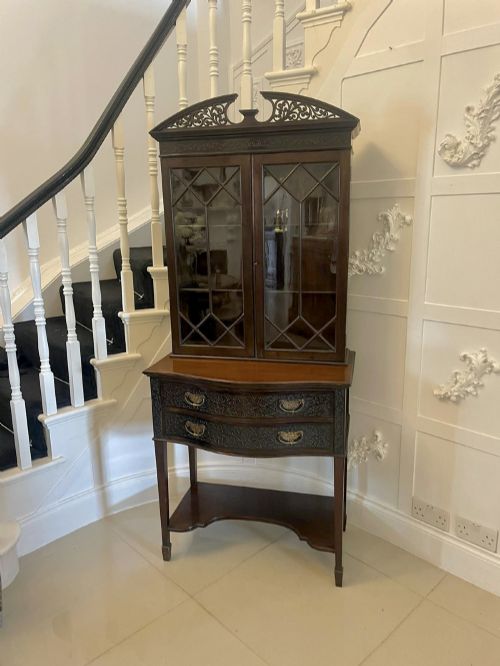
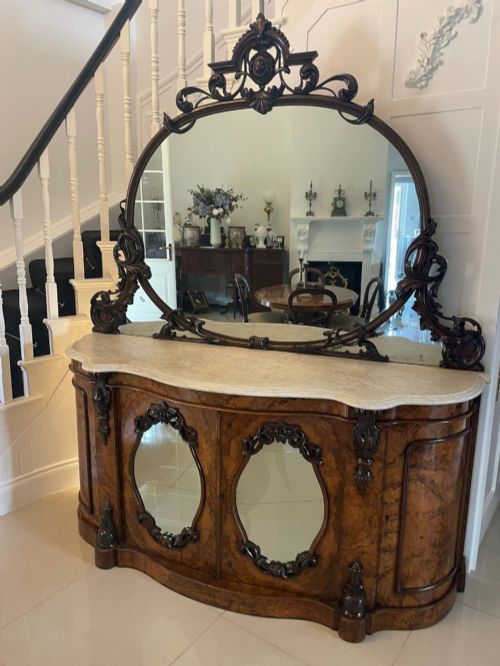
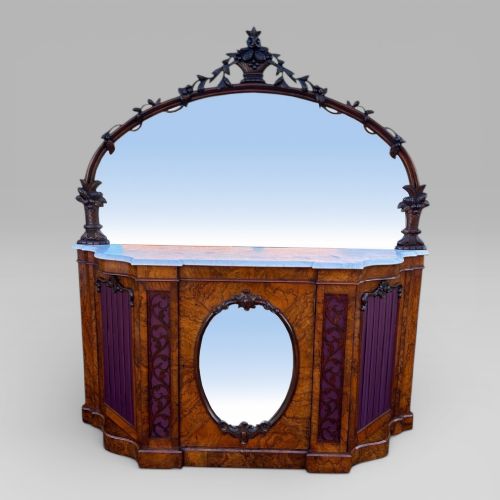
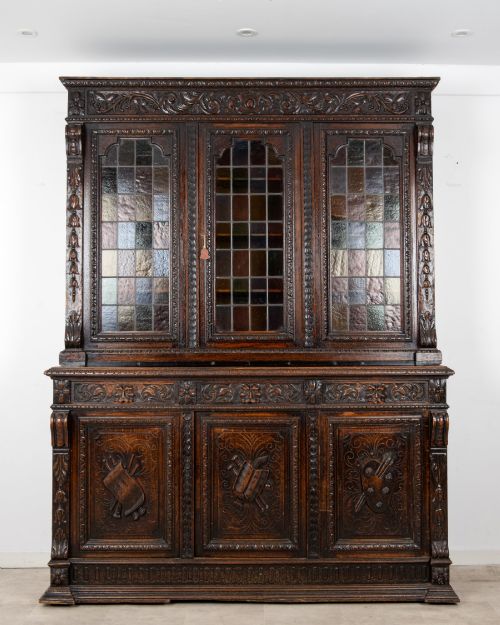
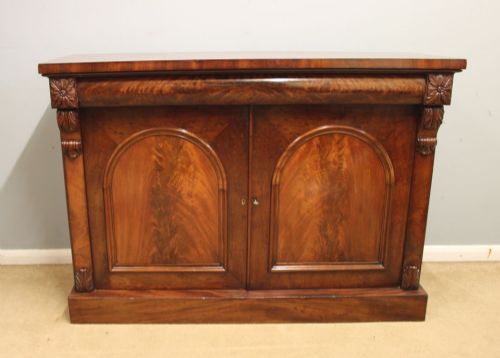
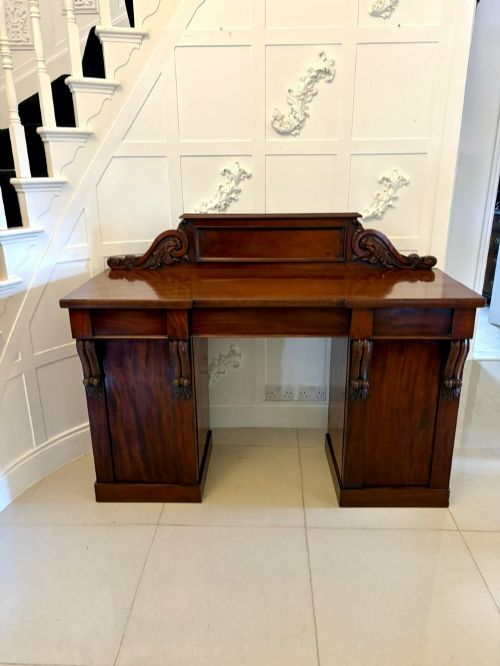
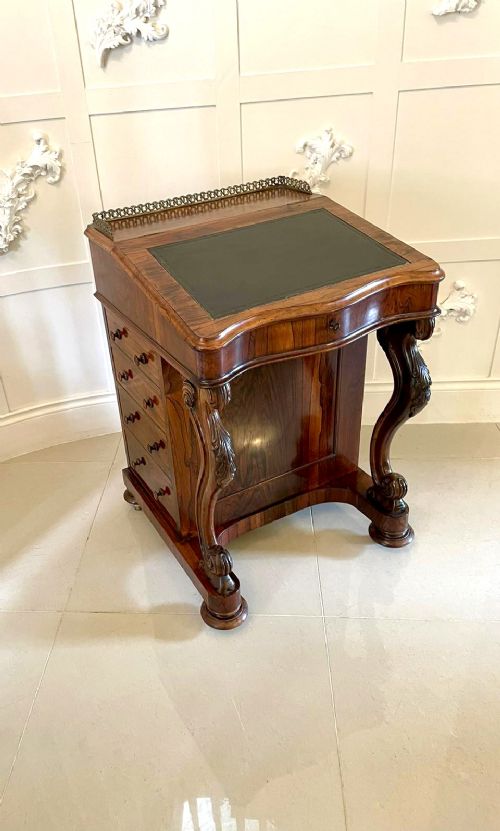
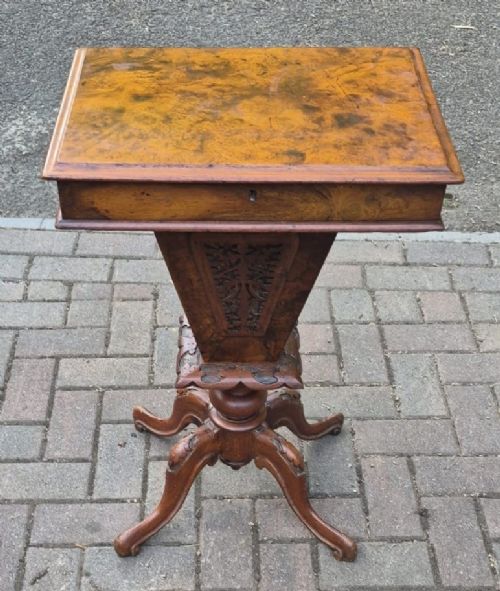
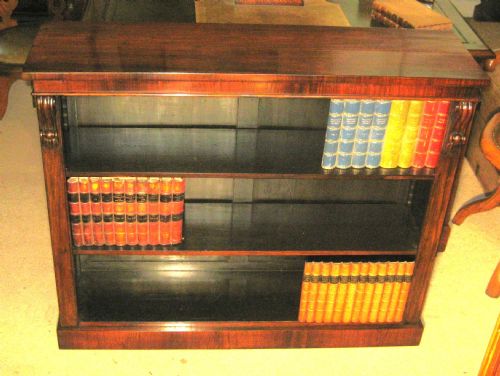
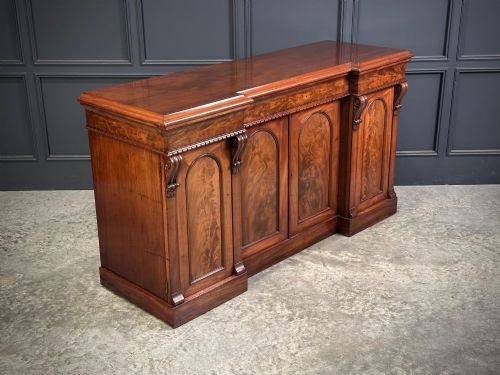
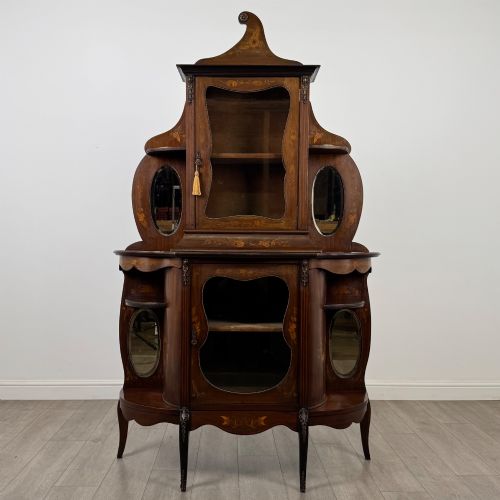
A victorian carved cabinet encompasses various forms built throughout the nineteenth century, ranging from substantial sideboards and credenzas to display cabinets and tall bookcases. These pieces frequently incorporate distinct stylistic revivals such as Gothic, Renaissance and Chinese Chippendale influences.
The selections encountered on this page heavily feature richly figured timbers like mahogany, burr walnut and oak. Buyers often select these functional storage items to anchor a room with period character and architectural relief.
Materials and Construction Methods
Cabinetmakers utilised dense native and imported timbers, notably solid oak, figured mahogany and burr walnut veneer laid over secondary woods. These materials were selected for their stability and capacity to receive deep, intricate relief carving.
Structural elements frequently combined frame-and-panel joinery with applied mouldings, turned supports and hand-carved pediments. Glazed doors utilised brass hardware and individual glass panes set within rebated wooden framing.
Victorian Carved Cabinet Retail Price Guide 2026
Typical asking prices for victorian carved cabinet among the pieces listed under this phrase on Sellingantiques today, from the lower quarter to the upper quarter. They describe what is for sale here now, not the wider market.
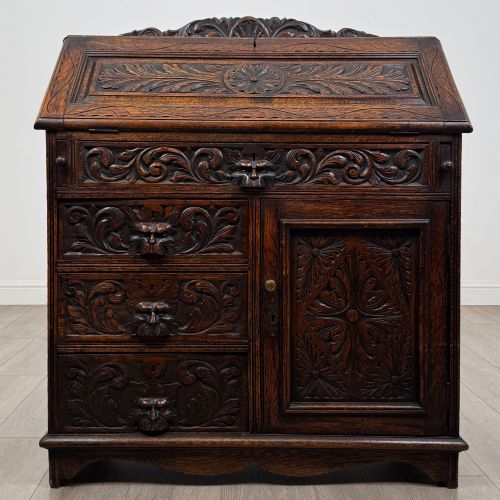
Some nineteenth-century oak cabinets hide carved Green Man faces amongst their foliage, keeping a watchful, leafy eye on the parlour.
Distinctions in Quality
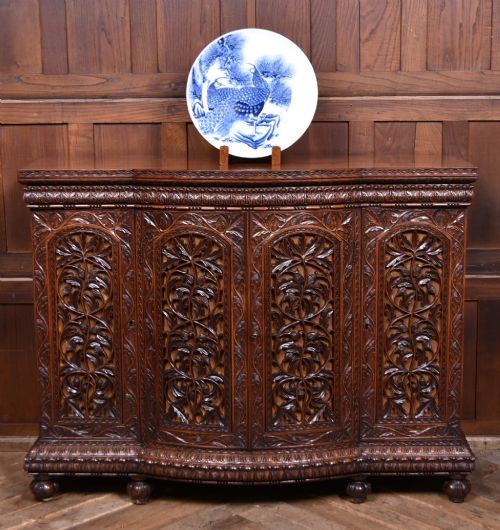
The standard of a victorian carved cabinet relies heavily on the depth and crispness of the hand-carved ornamentation, such as foliage or Green Man motifs. Superior examples display fluent chisel work executed directly into solid timber rather than cast composition mouldings.
Internal construction, drawer linings in secondary woods, and the selection of highly figured veneers differentiate standard production from exhibition-grade pieces. Original glass, working brass locks and intact pediments further elevate a piece's standing.
Gabriel Viardot·Shoolbred & Co.·James Winter & Sons
The Victorian Carved Cabinet Glossary
- Credenza
- A low dining-room sideboard or cabinet used for serving food or displaying plate, frequently featuring mirror backs in Victorian iterations.
- Pediment
- The decorative crowning structure above a cabinet or bookcase cornice, often heavily carved or broken in outline.
- Chiffonier
- A compact sideboard cabinet developed in the nineteenth century, typically featuring a raised shelf or small superstructure on top.
- Canterbury
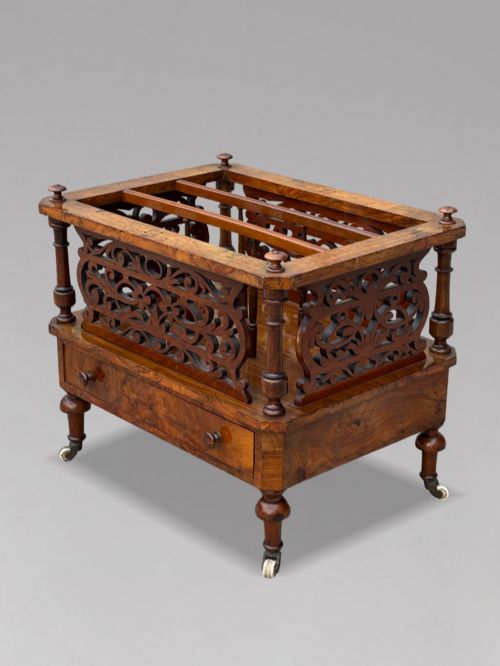
- A low tiered stand fitted with partitions for holding sheet music, books or portfolios, originating in the late eighteenth century and popular through the Victorian era.
- Bijouterie cabinet
- A glazed display table or cabinet designed specifically for showing small precious objects, medals or curiosities.
Victorian Carved Cabinet: Frequently Asked Questions
How do I identify a Gothic Revival cabinet?
Gothic Revival pieces display architectural motifs derived from medieval churches, including pointed arches, tracery and heavy oak construction.
These cabinets often feature chamfered framing and iron or brass strap hinges that accentuate their medieval aesthetic.
Where should I place a display cabinet?
Display cabinets with glass doors suit principal reception rooms where natural light can illuminate interior shelves without direct solar exposure.
Ensure the floor is sufficiently level to support heavy timber uprights and prevent door binding.
What is burr walnut?
Burr walnut is a highly figured wood harvested from the abnormal growth or burl of a walnut tree, yielding intricate swirling patterns.
Victorian cabinetmakers sliced this timber into thin veneers to cover primary surfaces on high-status credenzas and display pieces.
How do I care for antique mahogany?
Maintain mahogany surfaces by dusting with a dry, lint-free cloth and applying microcrystalline wax sparingly to nourish the grain.
Keep wooden furniture away from direct heat sources and rapid humidity fluctuations to prevent veneer cracking.