

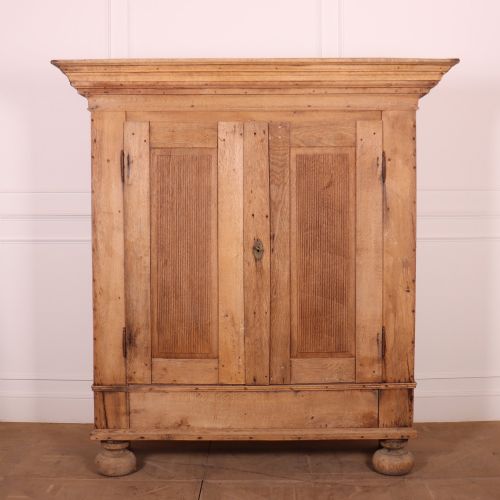
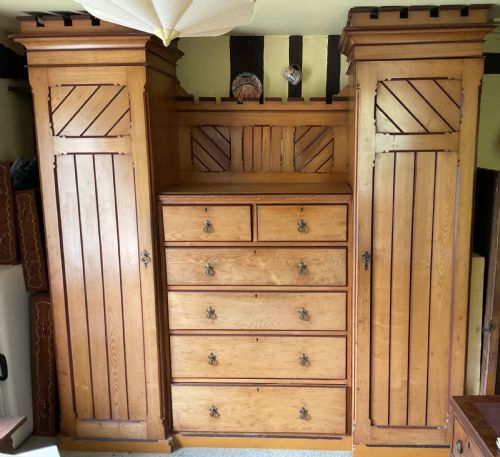

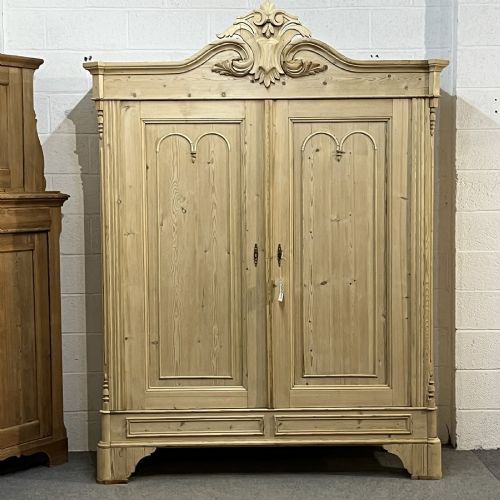
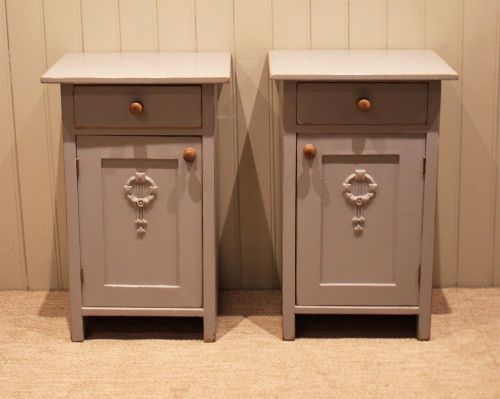
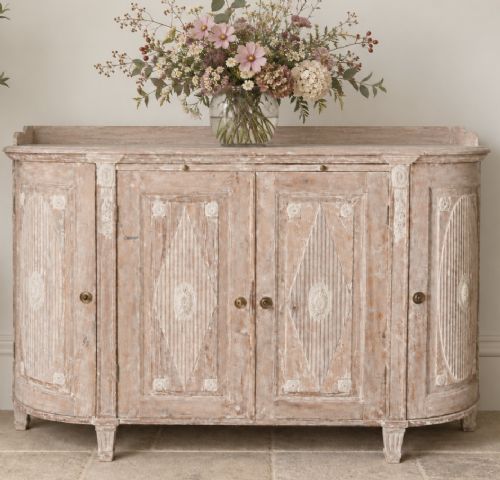
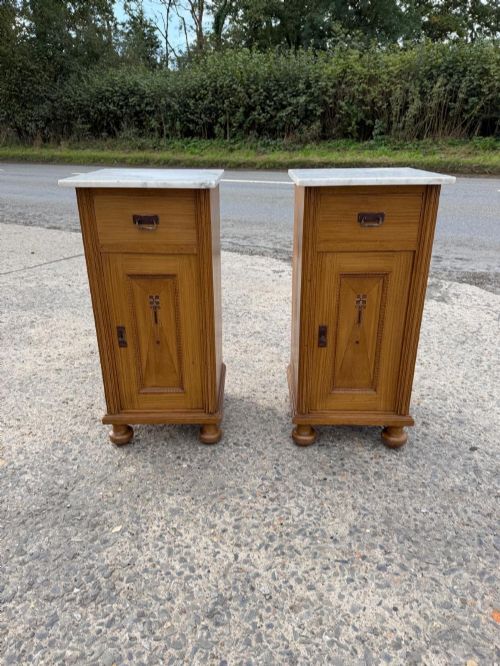
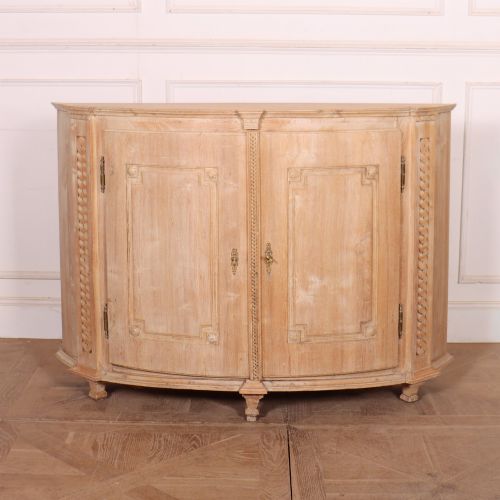
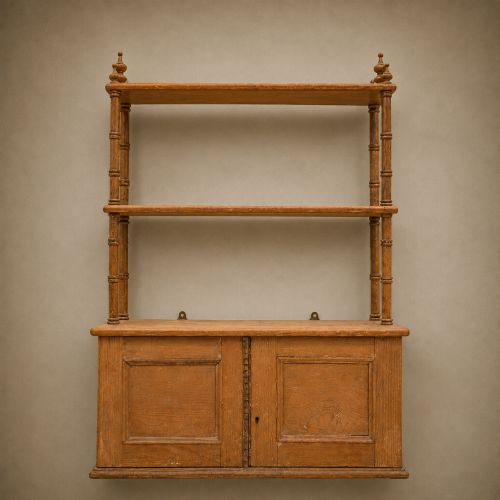

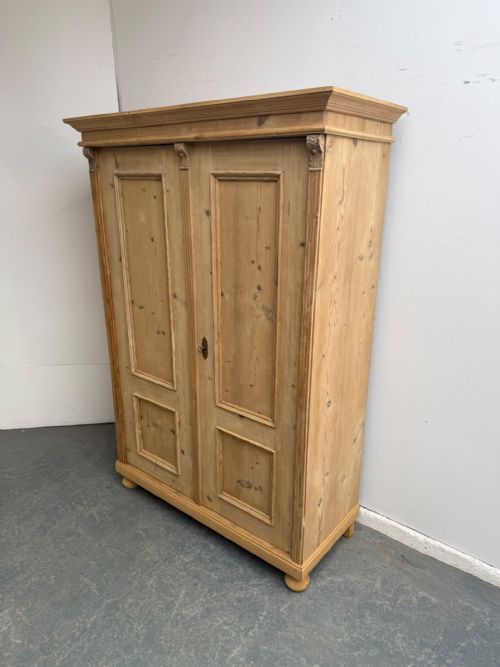
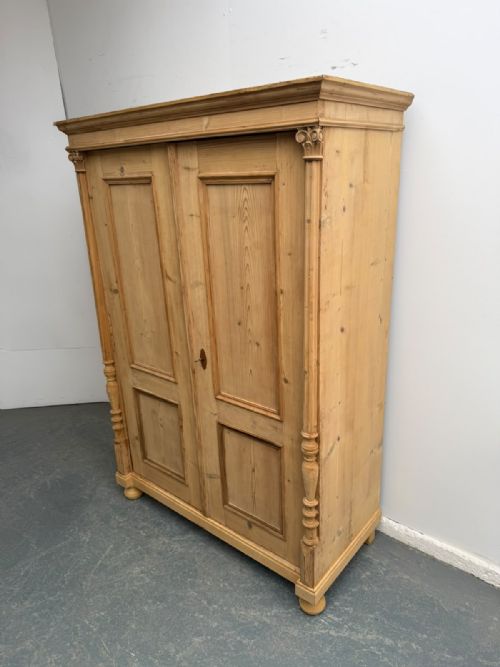
Carved Pine Cupboard
A carved pine cupboard brings rustic character and sturdy storage to any room, offering the warmth of wax or paint finishes.
Carved Pine Cupboard
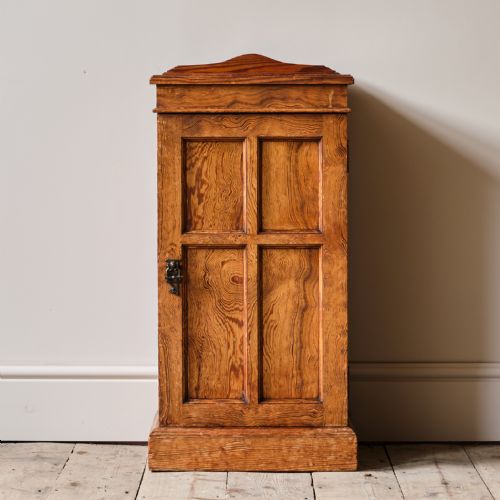
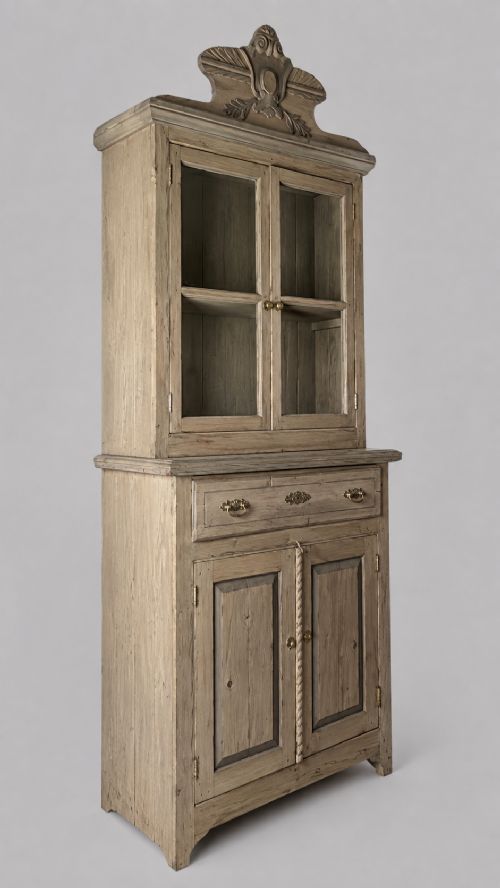
When you search for a carved pine cupboard, you encounter substantial storage furniture designed for domestic utility across multiple centuries. These pieces encompass everything from compact bedside cabinets and tall chimney cupboards to expansive kitchen dresser bases and hall wardrobes.
The versions most commonly met on this page span the Victorian era, the eighteenth century, and the early twentieth century. Styles range from the decorative flourishes of Arts and Crafts, Art Nouveau, and Renaissance Revival movements to sturdy Victorian folk art and Scandinavian Baroque traditions.
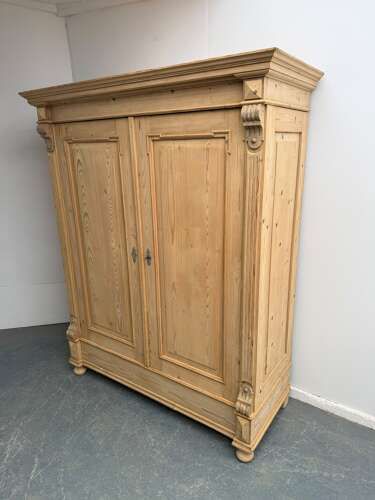
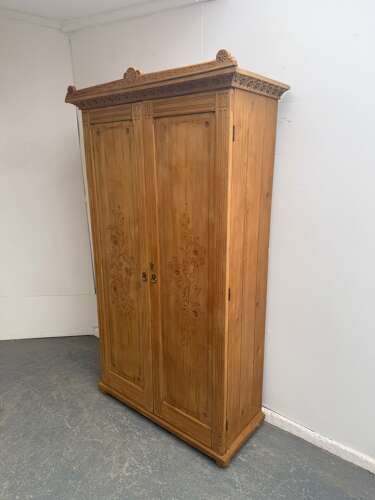
Forms vary significantly based on intended domestic use, featuring two-door storage layouts, dome tops, fitted interiors, and hanging spaces. Whether finished in traditional wax or retaining original painted surfaces, each item reflects the practical needs of past households.
Materials and construction methods
Construction relies heavily on solid pine timbers, often enhanced by hand-carving applied to doors, panels, and cornices. Makers utilised iron and other metal hardware, including hinges, latches, and occasional leaded stained glass panels, to complete the structure and decoration.
Finishes vary from plain waxed pine that highlights the natural grain to historic painted surfaces and ceramic elements. Artisans shaped these domestic pieces using traditional joinery techniques appropriate to eighteenth-century baroque, Victorian country, and twentieth-century folk traditions.
Carved Pine Cupboard Retail Price Guide 2026
Typical asking prices for carved pine cupboard among the pieces listed under this phrase on Sellingantiques today, from the lower quarter to the upper quarter. They describe what is for sale here now, not the wider market.
Listings feature pine furniture spanning the eighteenth century through the Victorian era and into the early twentieth century.
Assessing quality and craftsmanship
Quality in these items rests upon the depth and precision of the hand-carved detailing, distinguishing simple utilitarian boxes from ambitious artistic expressions. Superior examples exhibit balanced proportions, robust structural integrity, and harmonious integration of decorative motifs such as floral patterns.
The preservation of original finishes, whether early wax patination or authentic period paint, separates standard utilitarian pieces from those of greater collector interest. Hardware choices, such as period metal fixtures and leaded stained glass, further elevate the distinction of the construction.
Victorian Country·Arts And Crafts·Art Nouveau·Scandinavian Baroque
The Carved Pine Cupboard Glossary
- Pine
- A softwood commonly utilised in British and continental furniture making for its workability and availability. It accepts various finishes including wax and paint.
- Waxed Pine
- A surface treatment where clear or coloured wax is applied to timber and buffed to a soft sheen. This method protects the wood while revealing natural grain patterns.
- Chimney Cupboard
- A tall, narrow storage cabinet traditionally designed to fit tight spaces beside chimney breasts. These pieces maximise vertical storage in compact rooms.
- Dresser Base
- The lower section of a kitchen or dining room storage unit, featuring enclosed cupboards or drawers. They provide heavy-duty surface space and interior storage.
- Scandinavian Baroque
- A regional design style from the eighteenth century characterised by bold carved elements and architectural proportions. It brings dramatic silhouette lines to pine furniture.
- Leaded Stained Glass
- Glass panels held together with lead caming, occasionally incorporating coloured panes. This technique appears in decorative doors of early twentieth-century cupboards.
Carved Pine Cupboard: Frequently Asked Questions
What rooms suit a carved pine cupboard?
These versatile cupboards fit comfortably into kitchens, bedrooms, and hallways depending on their specific dimensions. Smaller bedside cabinets and chimney cupboards serve compact spaces, while larger wardrobes and dresser bases anchor primary rooms.
The natural warmth of pine wood and decorative carvings allow these pieces to complement both traditional interiors and modern eclectic living spaces.
How do I care for waxed pine?
Maintenance involves applying a quality natural furniture wax periodically to nourish the softwood and maintain its protective barrier. Regular dusting with a soft, dry cloth prevents dirt buildup on the carved surfaces.
Keep these cabinets away from direct heat sources and strong sunlight to prevent the timber from drying out or the finish from fading.
How do I date an antique pine cupboard?
Dating relies on examining construction techniques, hardware types, and stylistic indicators such as eighteenth-century baroque proportions or Victorian folk art motifs. Tool marks, joint types, and timber preparation methods provide further clues regarding age.
Comparing the specific door configurations and decorative carving styles against documented period examples helps confirm the era of manufacture.
Are painted finishes original on these cupboards?
Many cupboards retain historic paint layers applied during their working lives in domestic or farmhouse settings. Assessing the wear patterns and adherence of the paint helps determine whether the finish dates to the period of manufacture.
Some pieces were designed to be painted or waxed by owners, meaning finishes often reflect both original intent and subsequent domestic history.