




Carved Pine Bookcase
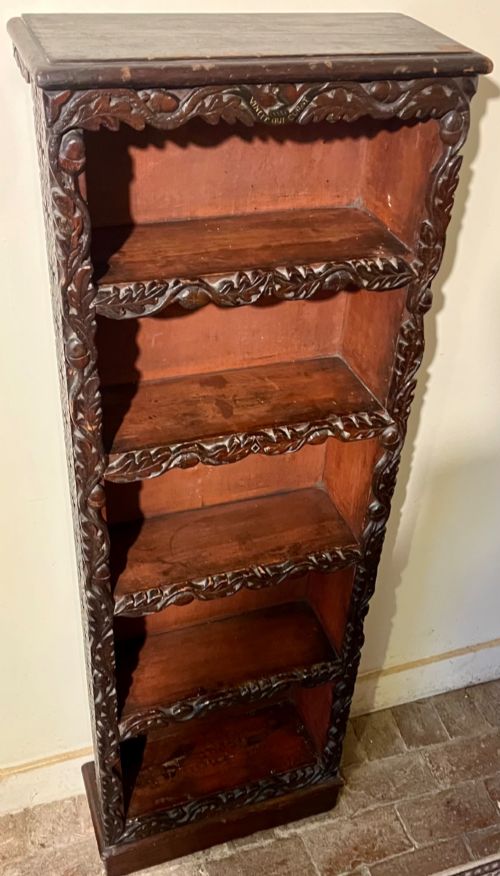
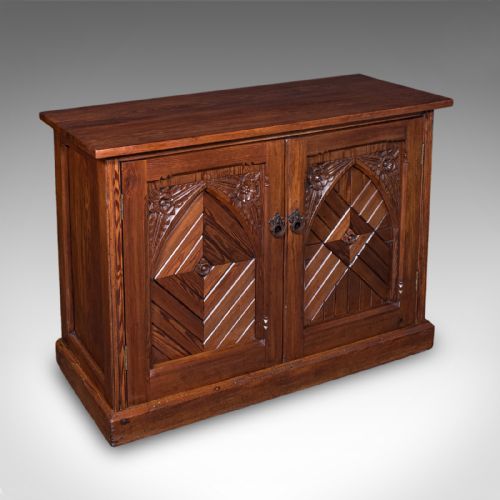
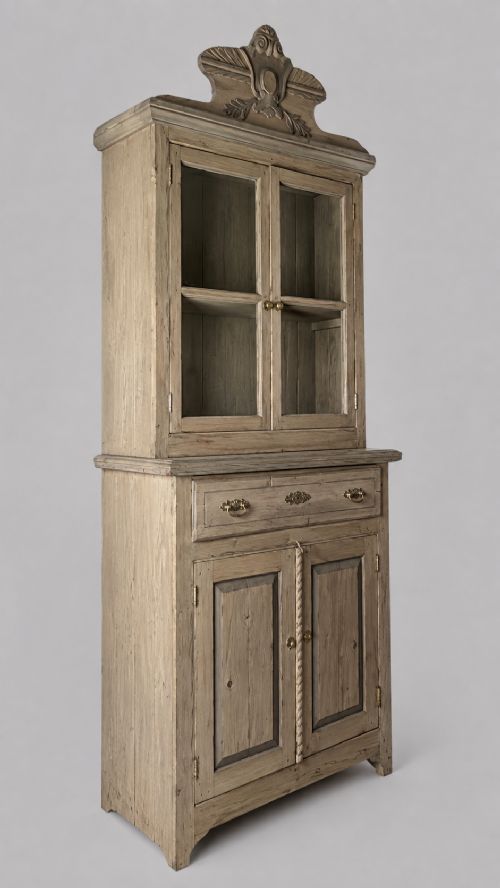
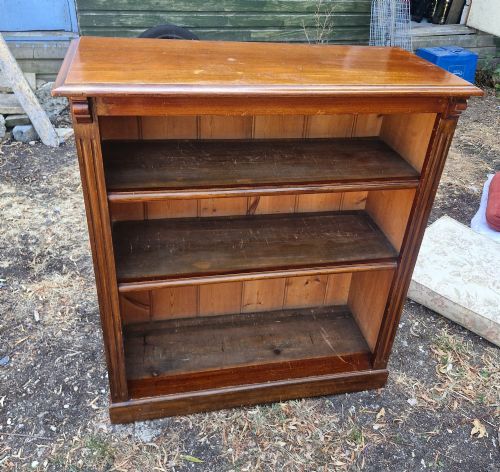
These carved pine bookcases combine utility with robust craftsmanship, offering practical book storage built from sturdy timbers.
Carved Pine Bookcase
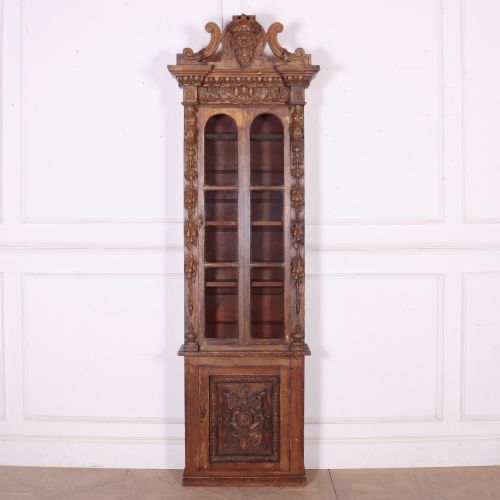
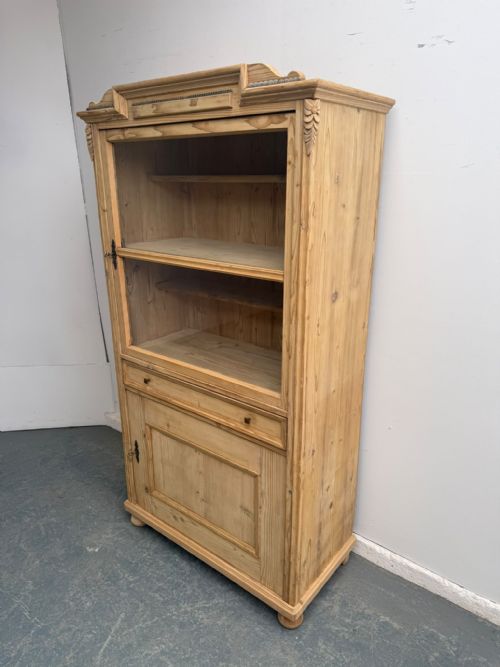
A carved pine bookcase is a functional storage unit built primarily from softwood timbers, often featuring decorative carved elements such as pediments or architectural detailing. These items range from mid-eighteenth century dome top fitted cabinets to late Victorian open front models and painted glazed cupboards.
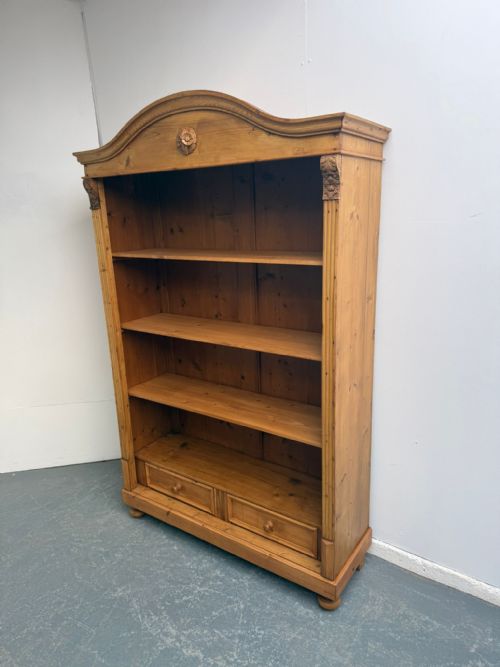
Buyers browsing this selection encounter various forms, including open bookshelves with adjustable shelves, two-door display cabinets, and large glazed secretaire bookcases. The offerings span several periods, with particular representation from the nineteenth century alongside earlier eighteenth-century examples and later rustic pieces.
How they were made
Construction relies heavily on pine and deal wood, occasionally complemented by walnut, glass panels, and brass or iron hardware. Surfaces are finished in various ways, including traditional wax treatments or painted finishes that highlight the underlying timber.
Makers utilised straightforward carpentry techniques suited to softwood, incorporating carved details on cornices, pediments, and door panels. Shelving systems were frequently designed as adjustable to accommodate volumes of varying heights.
Carved Pine Bookcase Retail Price Guide 2026
Typical asking prices for carved pine bookcase among the pieces listed under this phrase on Sellingantiques today, from the lower quarter to the upper quarter. They describe what is for sale here now, not the wider market.
Some nineteenth century pine pieces hide writing drawers behind drop-down flaps, perfect for concealing hasty correspondence from inquisitive house guests.
What varies in quality
The sophistication of the carving and the architectural ambition of the piece largely determine its standing within the range. Pieces featuring pedimented cornices or architectural detailing display a higher level of cabinet-making skill than plain open shelves.
The condition of the timber, the presence of original glass and hardware, and the choice of finish also influence overall character. Waxed surfaces that retain a pleasing patina differ notably from utilitarian deal wood constructions intended purely for basic storage.
The Carved Pine Bookcase Glossary
- Pine
- A softwood timber commonly used for furniture construction, known for its workability and distinct grain patterns.
- Deal
- A term historically applied to timber cut from fir or pine, frequently utilised in regional and rustic cabinetry.
- Secretaire
- A piece of furniture incorporating a writing drawer with a drop-down flap revealing small compartments and pigeonholes.
- Pediment
- A decorative architectural crowning feature placed above the upper cornice of a bookcase or cabinet.
- Glazed Cupboard
- A storage unit featuring glass-fronted doors designed to display contents while protecting them from dust.
Carved Pine Bookcase: Frequently Asked Questions
What periods do these bookcases cover?
The selection spans from the mid eighteenth century through various nineteenth century decades up to the early twentieth century.
Most examples originate from the Victorian era and the broader nineteenth century, reflecting changing domestic interior styles.
Are the shelves adjustable?
Many examples feature adjustable shelving to accommodate books of varying heights, though simpler open front models may have fixed tiers.
Checking individual listings confirms the specific internal configuration of each cabinet.
What finishes are common?
Surfaces frequently appear waxed to enhance the natural grain of the pine or deal timber, while others feature painted finishes.
Painted architectural variations and French provincial styles provide alternative aesthetic options compared to standard waxed wood.
How do glazed and open bookcases differ?
Glazed cupboards and display cabinets use glass-fronted doors to keep volumes visible yet protected from dust and environmental wear.
Open front bookcases provide immediate access to the contents without physical barriers between the user and the books.