

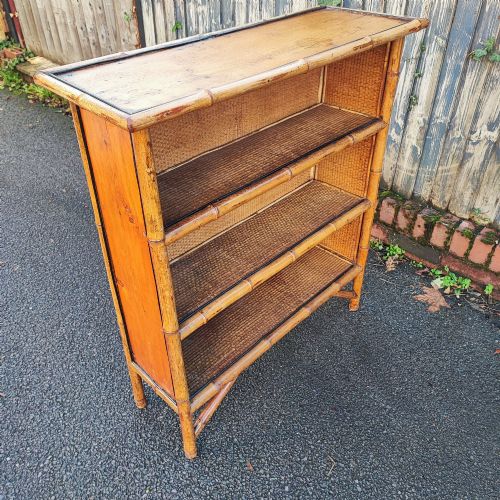
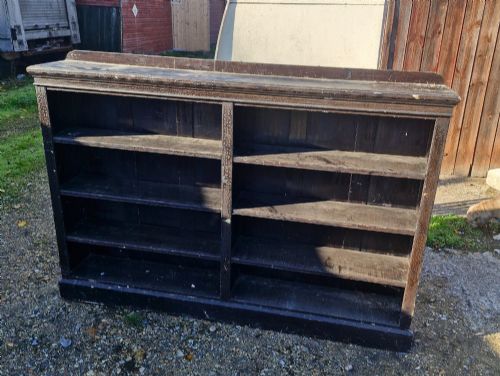
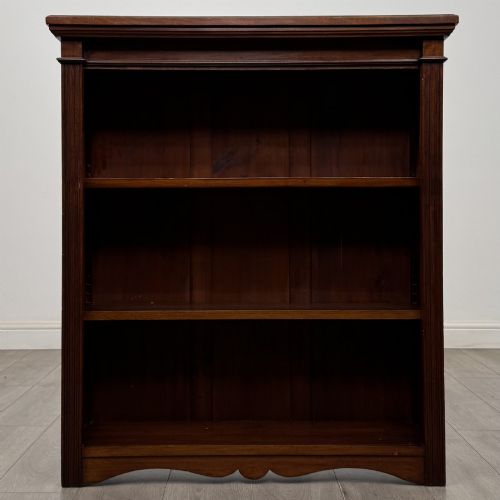
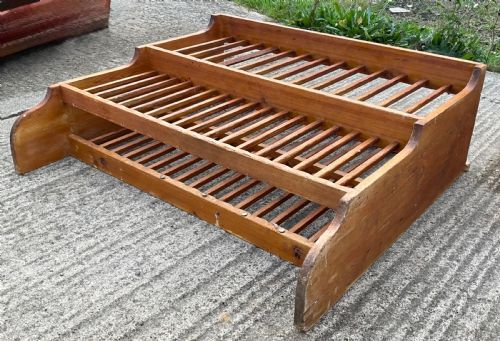

Antique Pine Shelving
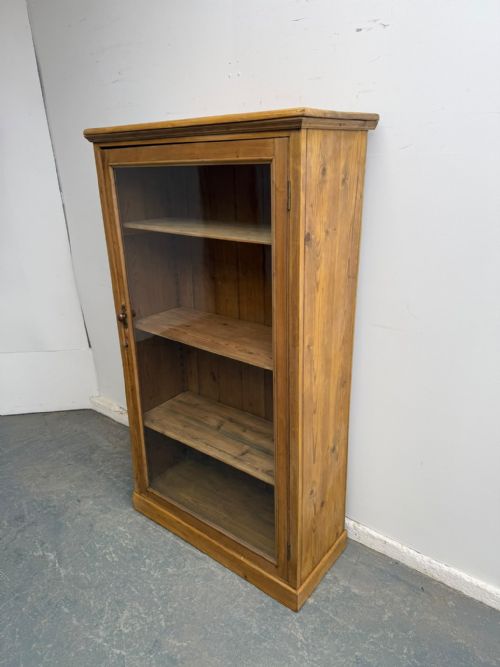
Antique pine shelving offers sturdy utility and honest craft, spanning simple country bookcases, painted wall racks and industrial pigeon holes.
Antique Pine Shelving
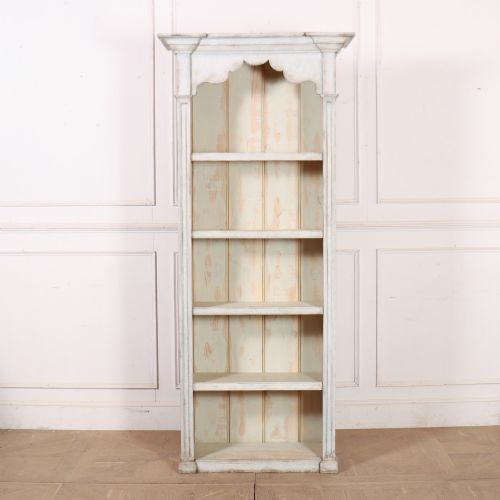
Antique pine shelving covers a practical domestic range, from open bookcases and wall-mounted kitchen racks to corner cabinets and pigeon holes. These utilitarian pieces originate mostly from the nineteenth century, alongside Georgian, Edwardian and early twentieth-century examples.
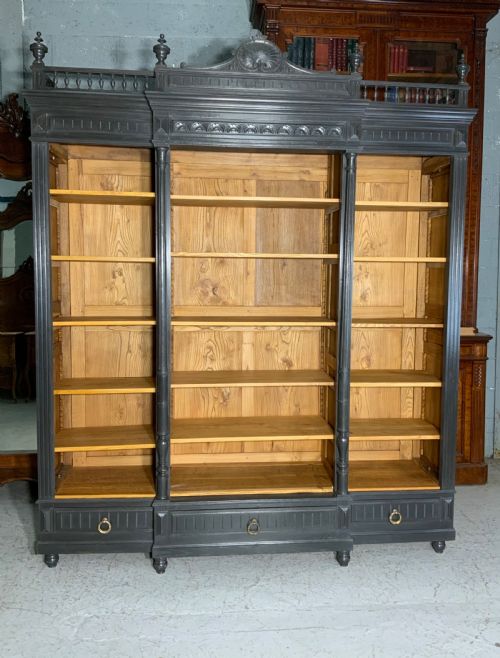
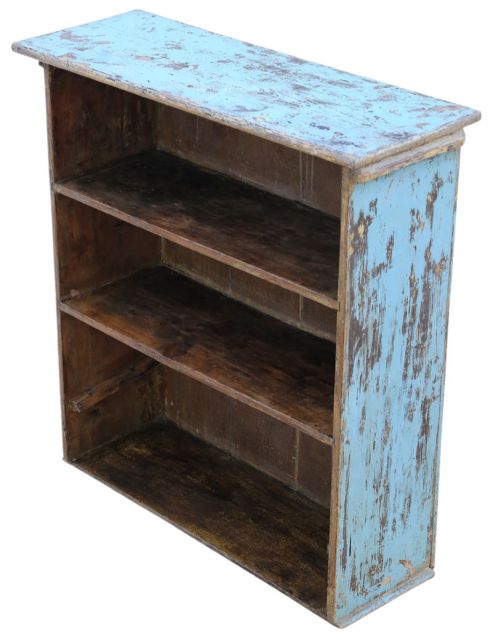
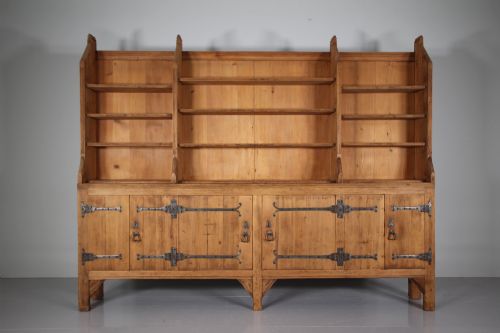
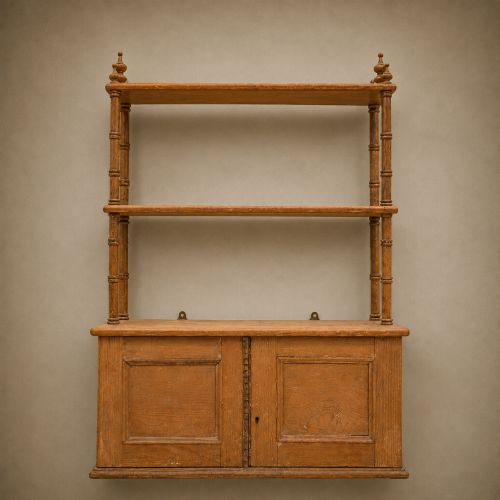
Buyers frequently encounter open front bookcases, scrubbed deal wood units and painted storage racks. Forms vary from simple floorstanding shelving to fitted alcove cupboards, bakers racks and shop display stands.
Origins stretch across English, French, Swedish and Scottish workshops, reflecting both vernacular country use and commercial storage. The selection prioritises accessible domestic furniture built for daily service.
How they were made
Makers utilised softwoods such as deal and pine alongside hardwoods for structure, assembling carcasses with traditional pegged or nailed joints. Metal iron brackets, brass fixings and hardware provide functional support on industrial trolleys and adjustable shelving systems.
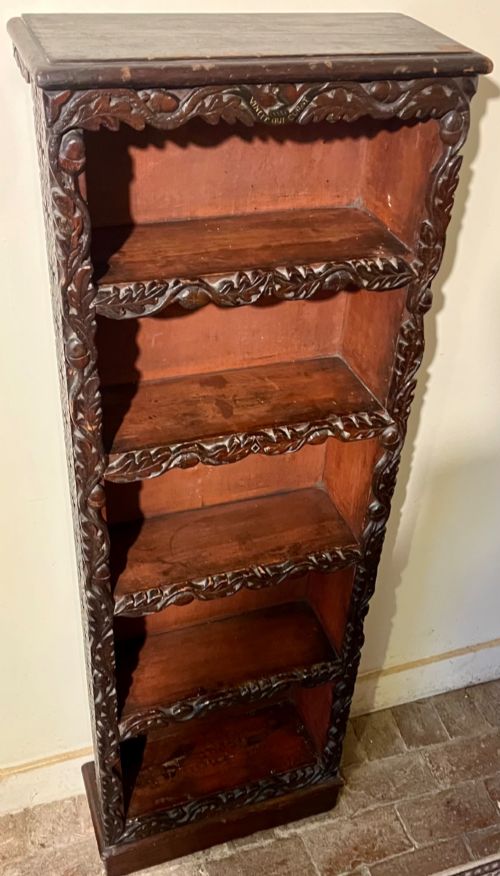
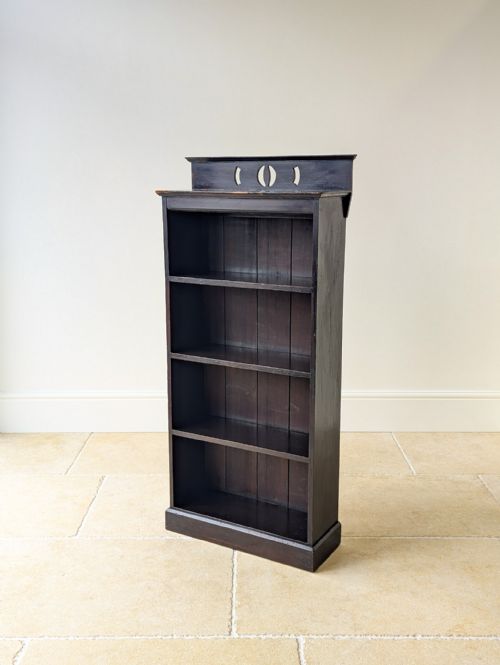
Surfaces show various finishes including original paint, blue or decorative hand-applied pigments, wax, and stained timber. Fretwork details, carved domes and panelled cupboard doors add architectural refinement to utilitarian frameworks.
Antique Pine Shelving Retail Price Guide 2026
Typical asking prices for pine shelving among the pieces listed under this phrase on Sellingantiques today, from the lower quarter to the upper quarter. They describe what is for sale here now, not the wider market.
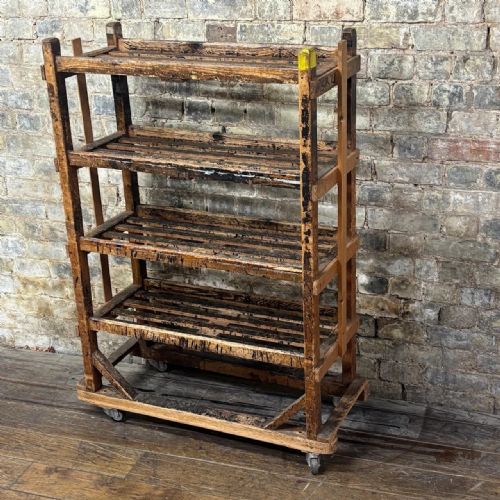
Some shoe trolleys and pigeon holes worked overtime before finding sanctuary in modern living rooms.
What varies in quality
Quality rests upon the integrity of the timber, the subtlety of proportions and whether original paint or surface treatments survive intact. Pieces retaining early or original decorative paint finishes hold distinct character compared to later stripped surfaces.
Engineering touches such as adjustable shelf mechanisms, attractive fretwork, and sound structural joinery separate standard utility items from finer vernacular examples. The balance between honest utilitarian wear and structural preservation dictates the standing of each piece.
The Antique Pine Shelving Glossary
- Deal wood
- A common historical term for pine or fir timber used extensively in British and European cabinet making. It provided an accessible, stable material for painted or waxed domestic furniture.
- Pigeon holes
- Compartmentalised wall or desk shelving designed for sorting documents, mail or small items. They appear frequently in nineteenth and early twentieth-century office and shop settings.
- Delft rack
- A wall-mounted wooden shelving unit featuring plate grooves and retaining rails specifically designed to display ceramic plates and platters. Eighteenth-century examples often incorporate fretwork friezes.
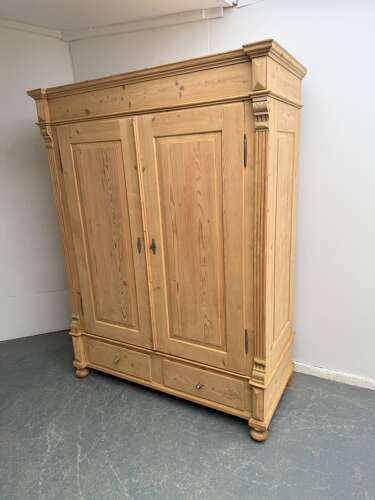
- Knockdown wardrobe
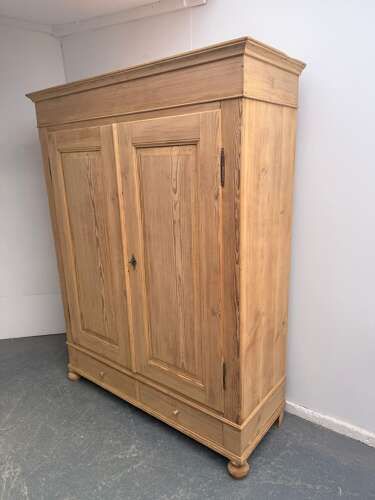
- A large storage piece engineered to dismantle easily using wedges or bolts for transport between rooms or properties. They offer generous shelved or hanging capacity within a modular pine carcass.
- What not
- A set of open, multi-tiered small shelves designed for displaying ornaments, books or small objects. These lightweight freestanding units gained popularity during the Regency and Victorian periods.
Antique Pine Shelving: Frequently Asked Questions
How do I clean an old pine bookcase?
Dust gently with a dry, soft cloth to remove surface particles without disturbing the underlying timber or finish. Avoid commercial chemical polishes that can soften old wax or damage historic painted surfaces.
Feed waxed surfaces occasionally with a quality beeswax applied sparingly and buffed softly. Painted pieces require only a damp cloth followed immediately by dry wiping to prevent moisture absorption.
Can antique pine shelves hold heavy books?
Most antique pine shelving was constructed to carry household volumes, kitchen wares or linens in daily use. Adjustable Victorian bookcases and sturdy open deal units generally offer reliable weight-bearing capacity.
Check the thickness of the shelves and the security of the internal support pegs before loading heavy volumes. Lighter wall shelves and pigeon holes are better suited to decorative items, papers or lighter collections.
Are painted finishes on pine shelves original?
Original painted surfaces show uniform wear, appropriate craquelure, and microscopic layers matching the stated age of the piece. Brush marks, old pigment mixes and signs of natural oxidation beneath the paint indicate genuine period application.
Later repainting often fills grain textures flatly or conceals modern hardware beneath uniform coats. Look for signs of older underlying colours appearing through worn edges where handling occurred.
Where were these pieces used originally?
These items served functional roles in kitchens, sculleries, shops, workshops and libraries across Britain and Europe. Wall racks held kitchen utensils and plates, while pigeon holes managed papers in commercial offices.
Larger bookcases and cupboards furnished domestic parlours, bedrooms and hallways for general household storage. Their durable construction allowed them to move easily between different working rooms over generations.