



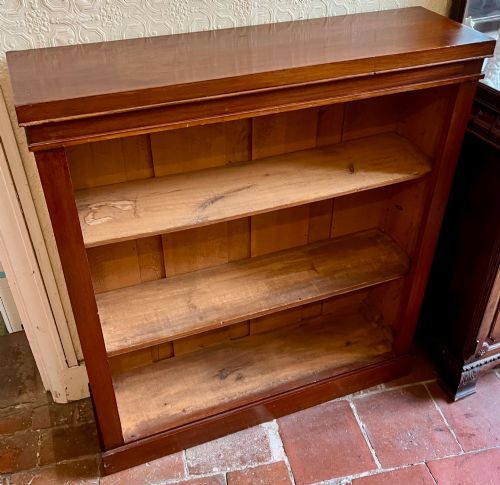

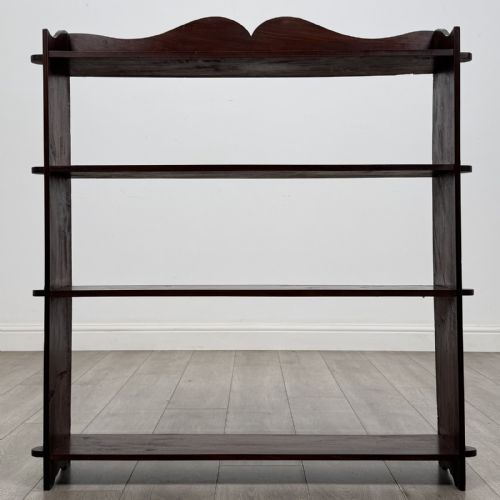

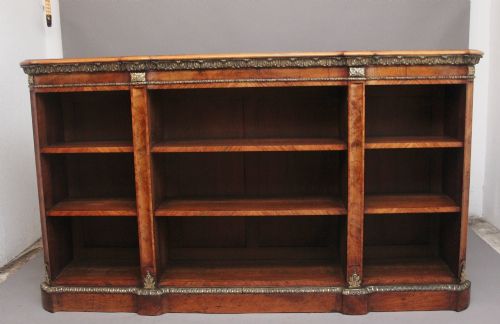
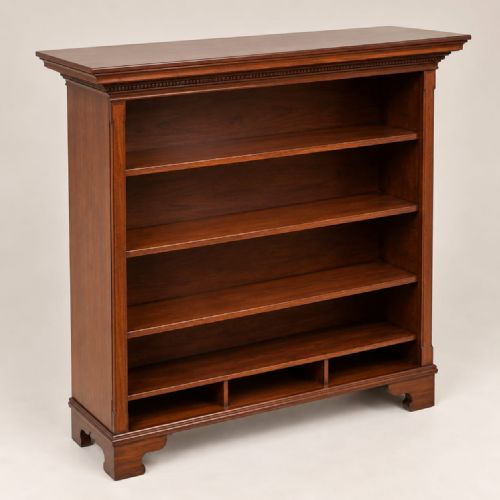
Victorian Wooden Bookshelf
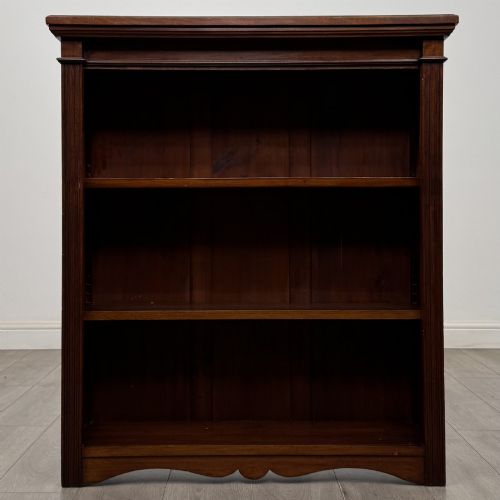
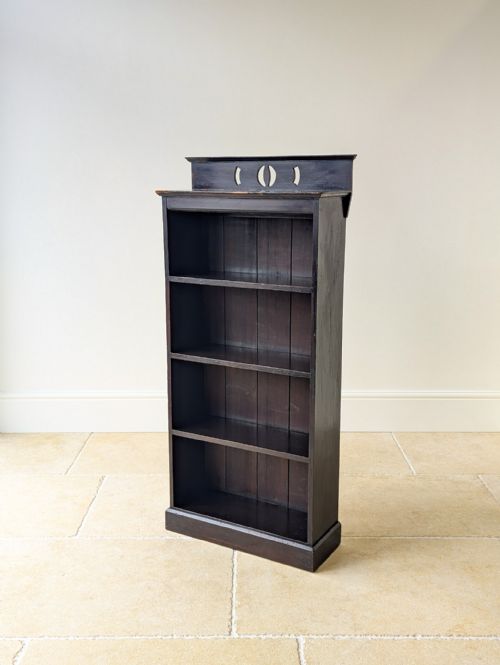
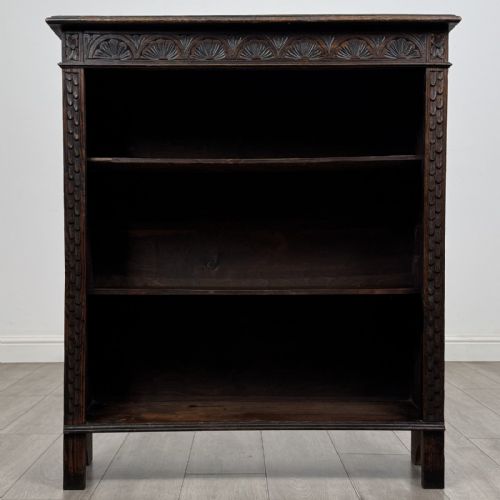
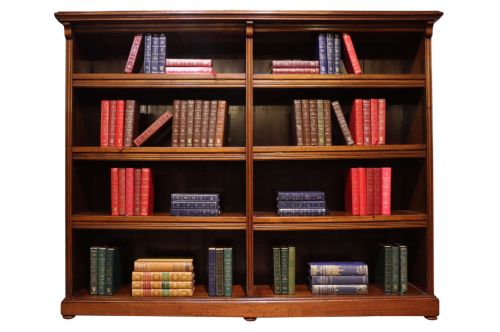
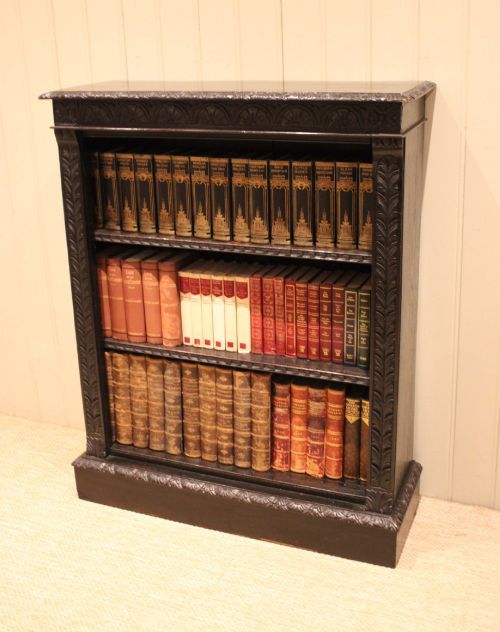
A victorian wooden bookshelf brings warmth and structured display to a room, offering practical storage for volumes while grounding a space with period timber.
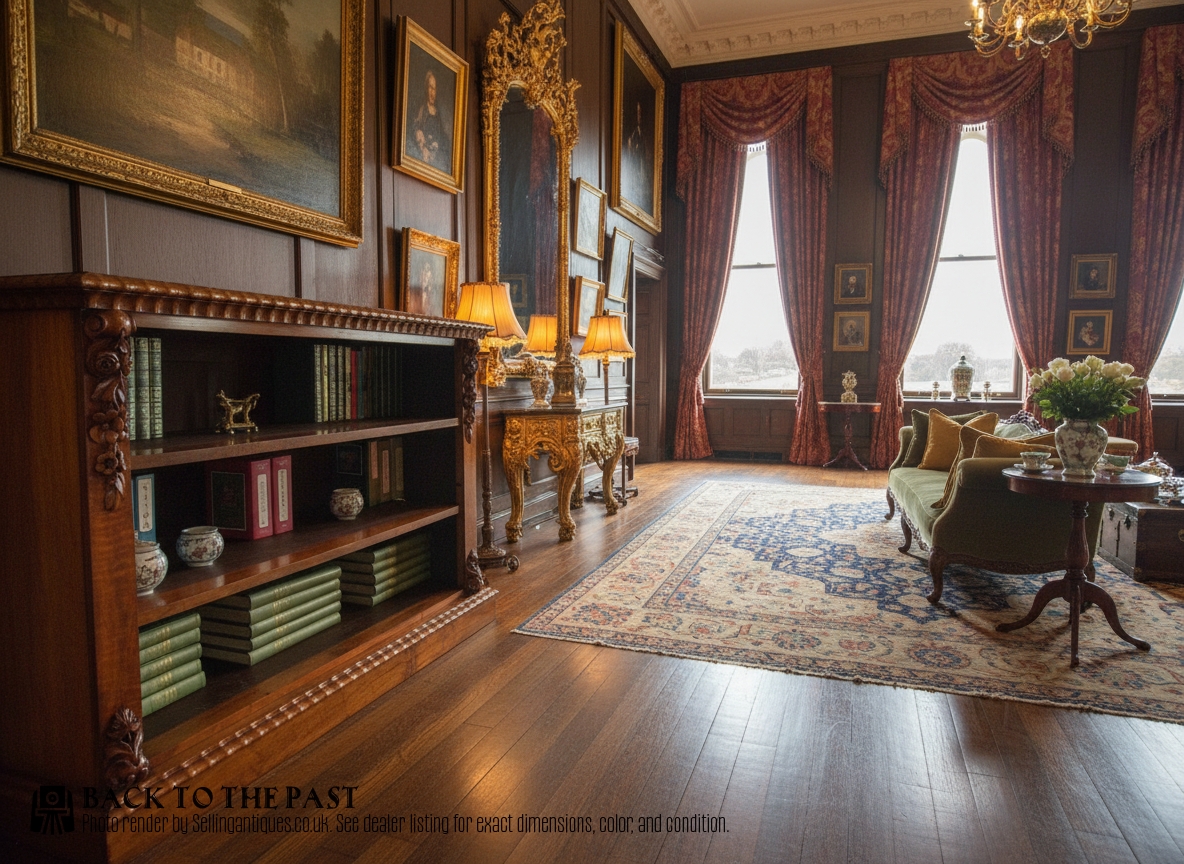
Victorian Wooden Bookshelf
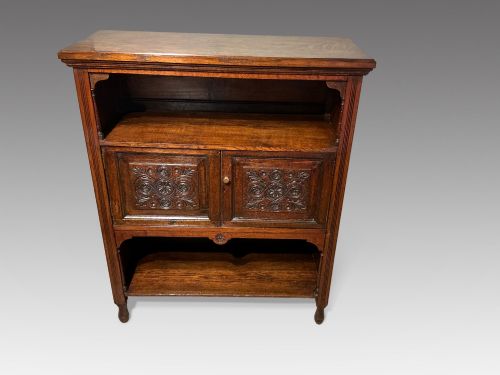
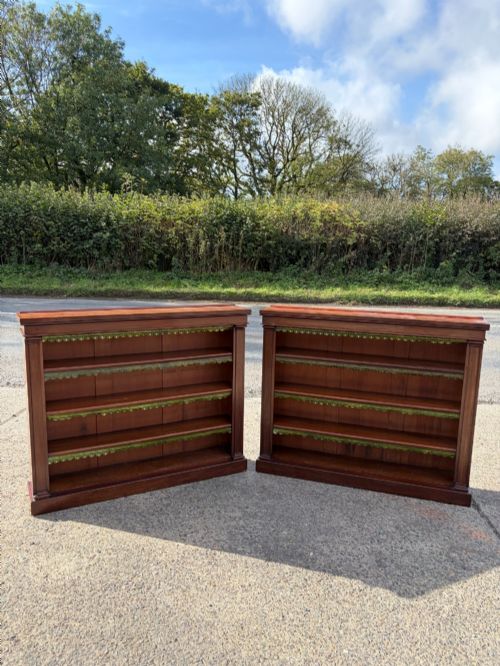
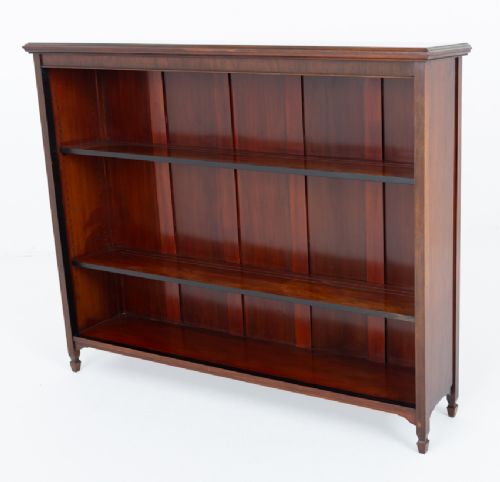
A victorian wooden bookshelf encompasses open library bookcases, wall shelves, revolving variants, and whatnots spanning the nineteenth century. These pieces serve to house collections while functioning as architectural furniture within a domestic interior.
The most common formats found in this selection include mahogany and walnut open bookcases, alongside robust pine and oak variants. Many feature adjustable shelving, reflecting the practical demands of nineteenth-century libraries.
Origins stretch from standard British workshop output to continental European pieces and specific regional styles such as rustic country or Anglo-Indian. Dates cluster tightly around the Victorian era, extending slightly into the Edwardian period.
Materials and construction
Timbers such as mahogany, walnut, burr walnut, oak, and pine form the primary structural body of these items. Workshops often utilised secondary woods for internal elements, applying decorative veneers like burr walnut or amboyna to primary display surfaces.
Joinery techniques prioritize stability to support heavy volumes, occasionally supplemented by brass castors, ormolu mounts, and ebonised detailing. Shelves frequently incorporate adjustable mechanisms using wooden ratchets or metal pins and racks.
Victorian Wooden Bookshelf Retail Price Guide 2026
Typical asking prices for victorian wooden bookshelf among the pieces listed under this phrase on Sellingantiques today, from the lower quarter to the upper quarter. They describe what is for sale here now, not the wider market.
Some nineteenth-century revolving bookcases let you spin your whole library while sitting entirely still.
Judging execution
Quality separates ordinary utility furniture from pieces produced by premier makers through the selection of timber figures and the crispness of carved ornamentation. Finer examples display meticulous attention to grain alignment on large flat panels and drawer fronts.
The sophistication of the internal hardware, such as smooth-running adjustable shelf supports and solid brass castors, indicates the grade of the original commission. Solid timber thickness and the absence of clumsy restoration work further define the upper tier.
Johnstone and Jeanes
The Victorian Wooden Bookshelf Glossary
- Open bookcase
- A piece of furniture designed for book storage featuring unglazed, open fronts rather than glass doors. This format allows immediate access to the volumes stored within.
- Adjustable shelves
- Internal shelving that can be repositioned at varying heights using internal racks, pins, or slots. This system accommodates books of diverse heights.
- Waterfall bookcase
- A tiered shelving unit where each successive shelf steps back from the one below, creating a cascading profile. These pieces are typically designed for smaller volumes or display items.
- Whatnot
- A multi-tiered piece of freestanding furniture used for displaying books or decorative objects. They frequently incorporate slender upright supports and open sides.
Victorian Wooden Bookshelf: Frequently Asked Questions
How do I adjust the shelves?
Most period examples use a system of wooden side ratchets or metal shelf studs inserted into pre-drilled vertical rows. You simply lift the shelf slightly to clear the supports and reposition it at the desired height.
Take care when moving shelves in older timber cabinets to avoid binding the ends against the polished interior walls.
Where should I place an open bookcase?
Position your bookcase against interior walls away from direct sunlight and radiators, as extreme temperature fluctuations cause nineteenth-century timber to warp or split. Ensure the floor is level so the frame rests evenly without straining the joints.
Allow sufficient clearance around the piece to circulate air, which protects both the woodwork and the books stored inside.
How do I tell walnut from mahogany?
Walnut displays a rich chocolate brown tone often marked by darker looping grain patterns and distinctive burr figuring. It tends to feel slightly softer and warmer in visual texture.
Mahogany ranges from a deep reddish-brown to a golden hue, characterised by straight grain lines and occasional striking flame patterns. It generally offers a denser, heavier weight than walnut.
Are these suitable for heavy books?
Solid oak, mahogany, and heavy pine carcases possess the structural strength required to support substantial rows of hardback volumes. The thickness of the individual shelves and the integrity of the support system dictate the actual capacity.
Distribute heavier folios toward the lower fixed shelves and reserve lighter volumes for upper adjustable tiers to maintain stability.