
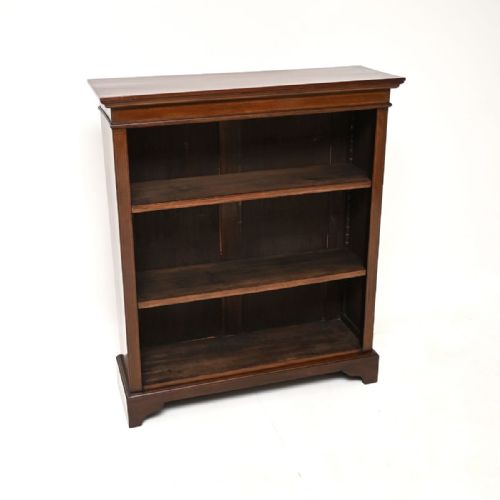
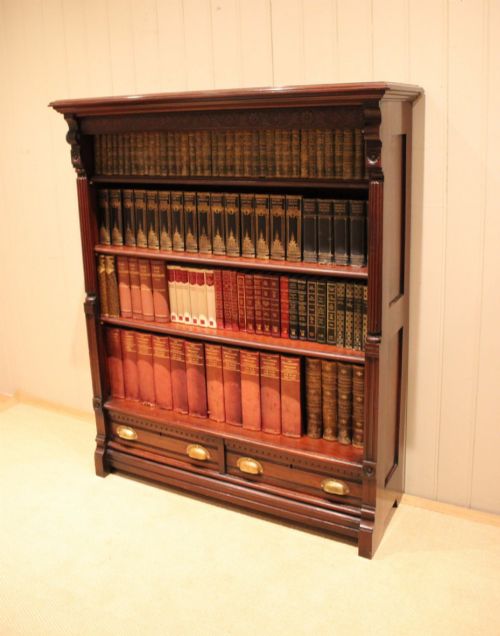
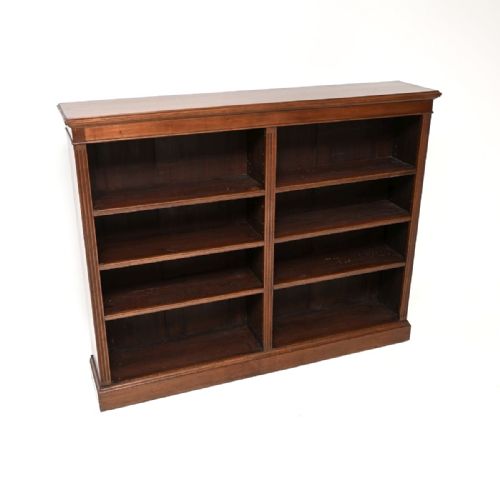
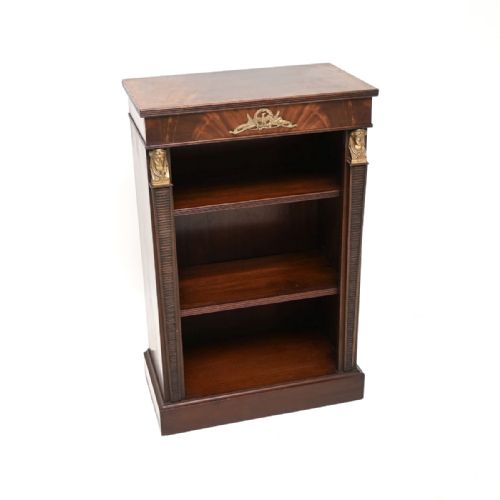
Mahogany Open Bookshelf
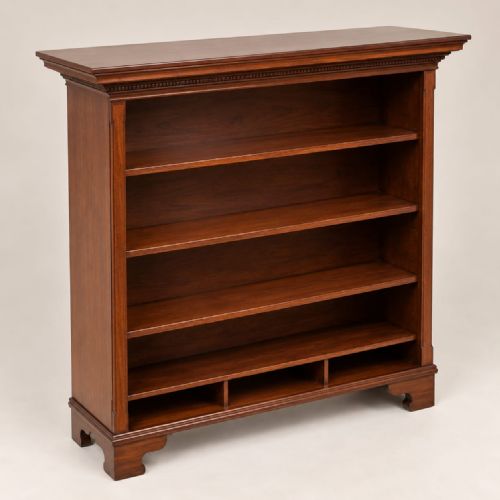
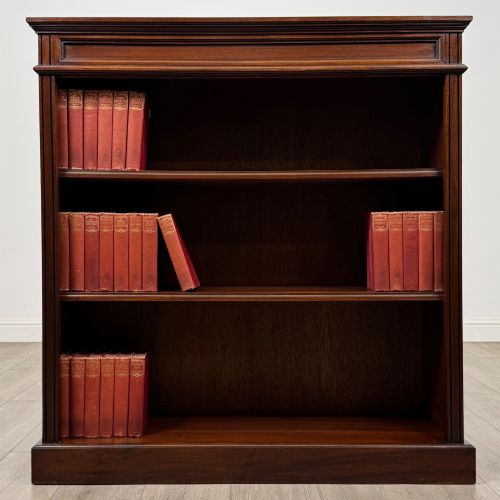
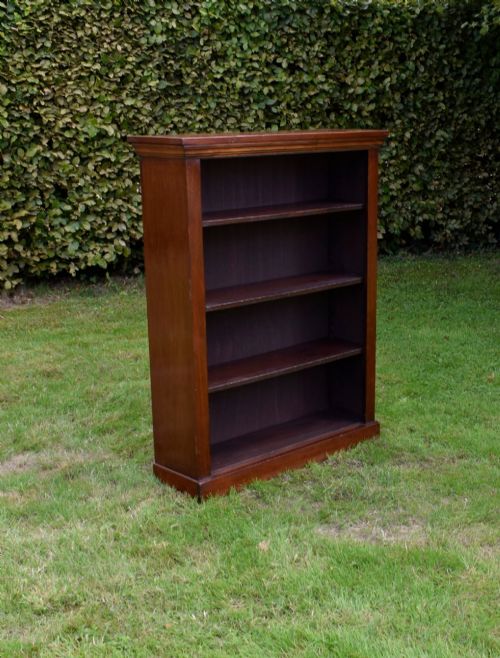
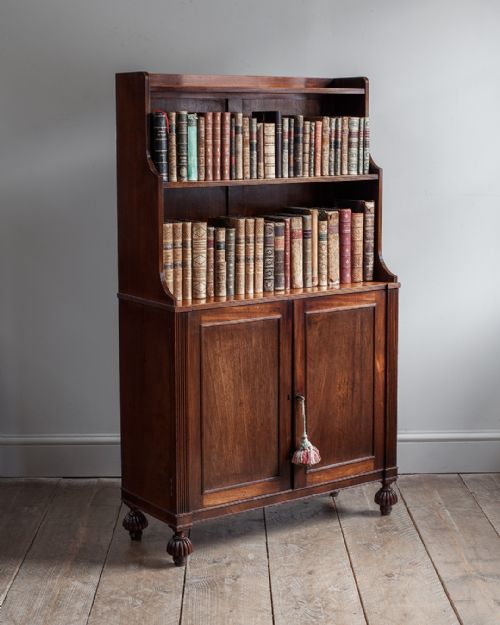
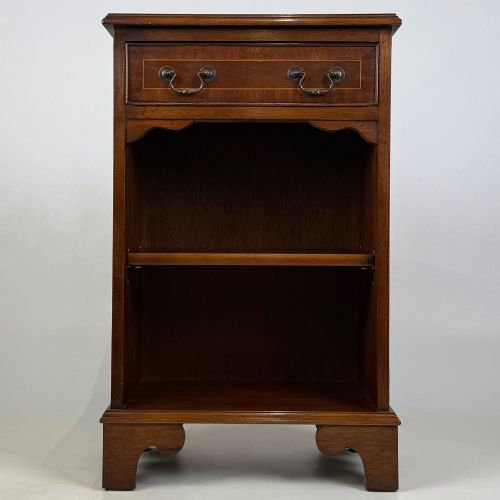
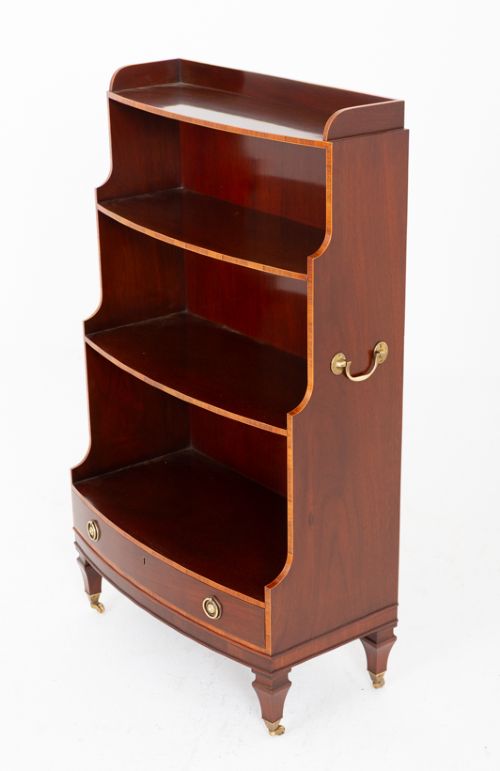
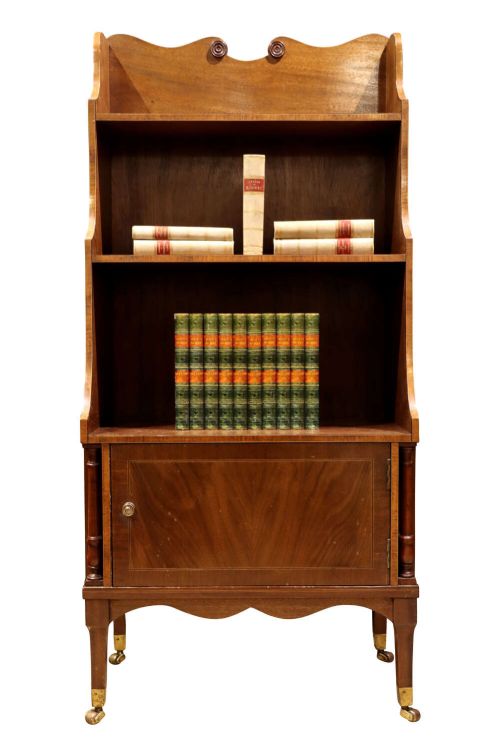
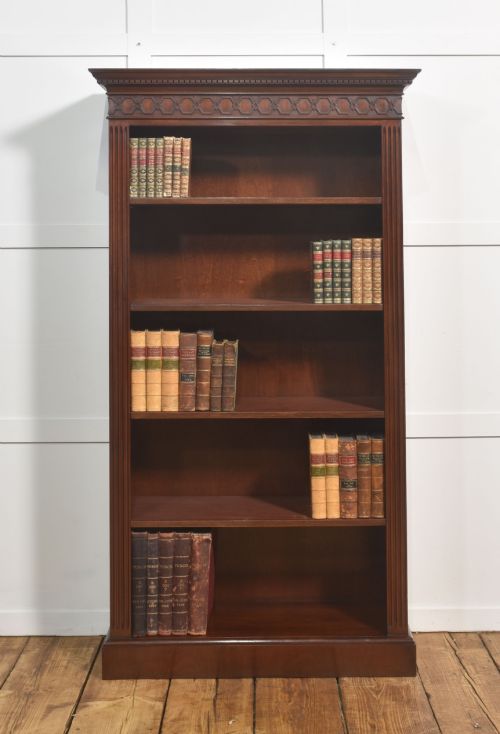
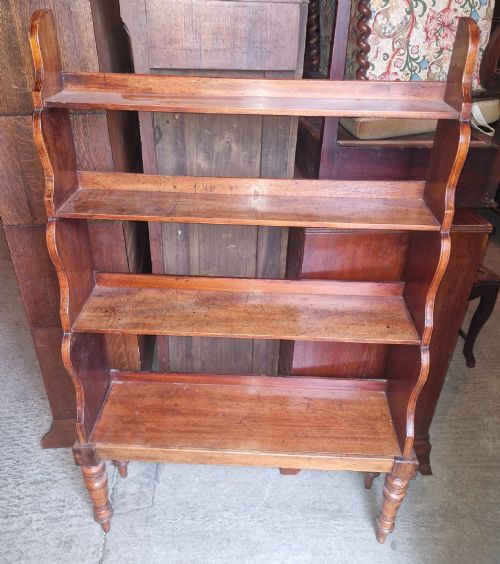
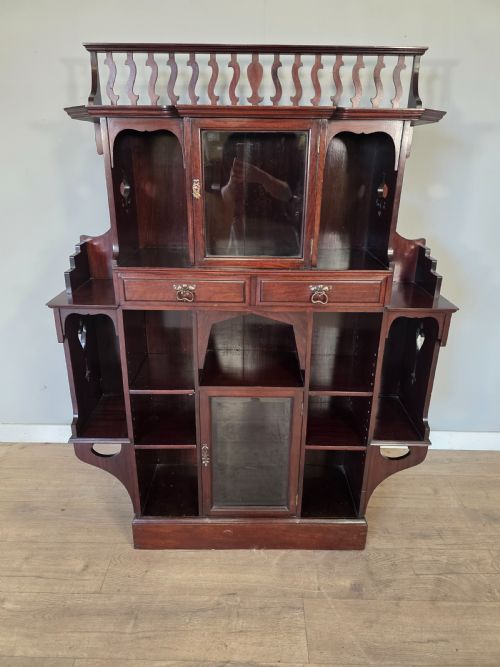
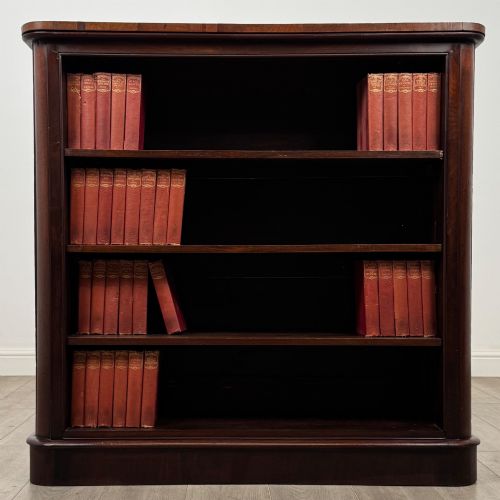
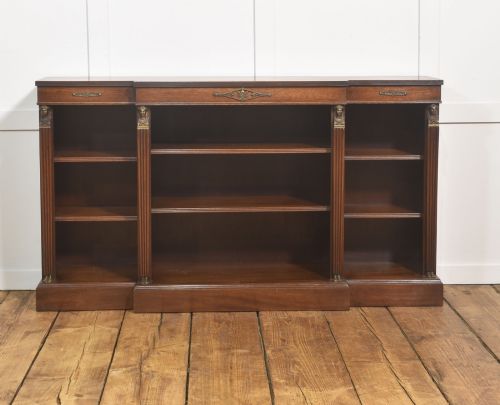
Mahogany open bookshelf pieces are practical Victorian display furniture built in rich timber to hold volumes and display objects.
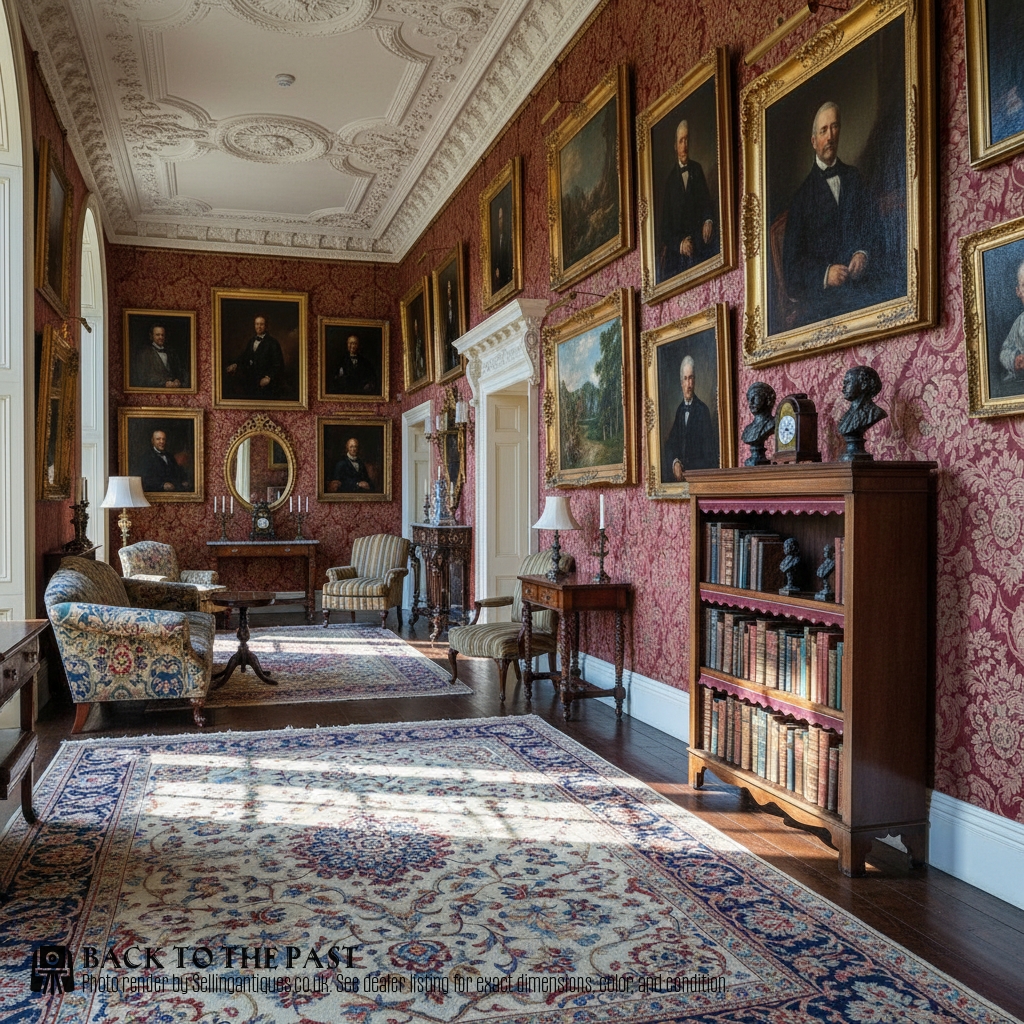
What these pieces are
A mahogany open bookshelf is a versatile piece of furniture designed for accessible storage and display in domestic settings. The pieces listed under this search phrase span the Victorian period, including specific dates such as eighteen seventy and eighteen eighty.
Buyers will encounter various forms ranging from standard bookcases and wall shelves to whatnots and etageres featuring mirrors and drawers. These examples originate entirely from Victorian workshops, demonstrating the period's preference for functional timber furniture.
The format typically provides open front access for books and decorative items, sometimes incorporating secondary woods like pine alongside mahogany and wood veneer.
How they were made
Makers utilised solid mahogany and wood veneer over secondary timbers such as pine to construct these bookcases and whatnots. The structural components rely on traditional joinery techniques suited to the Victorian era.
Additional hardware elements incorporated into the design include brass and glass details, whilst some examples feature integrated leather or mirrored glass panels to enhance the decorative effect.
Retail Price Guide 2026
Typical UK retail prices for mahogany open bookshelf, calculated from the Sellingantiques database of over a million retail prices indexed since 2003. This retail price guide relies exclusively on Sellingantiques data; no external sources or auction records are used, so the figures do not describe the wider market.
What varies in quality
Quality in a mahogany open bookshelf is evident in the selection of timber figures and the precision of the veneer work applied to the carcase. Finer examples display harmonious grain patterns across the primary surfaces without distracting patches or mismatched sections.
The inclusion of thoughtful functional additions, such as a smoothly operating drawer or an integrated mirror in a whatnot, distinguishes superior pieces from simpler utilitarian shelving.
The Mahogany Open Bookshelf Glossary
- Mahogany
- A durable tropical hardwood prized for its deep reddish-brown colour and stable grain. It served as the primary timber for high-end cabinet making throughout the nineteenth century.
- Whatnot
- A piece of multi-shelved furniture designed for displaying ornaments and small books. Victorian versions frequently incorporated mirrors and small drawers beneath the tiers.
- Veneer
- A thin layer of superior wood applied to a secondary timber base such as pine. This technique allowed cabinet makers to utilise striking grain patterns economically.
- Etagere
- A set of open shelves for displaying small objects. These pieces mirror the open format of wall bookcases whilst prioritising decorative display.
Frequently Asked Questions
What is a mahogany open bookshelf?
A mahogany open bookshelf is a Victorian storage item featuring accessible shelving without doors. These pieces were designed to hold collections of books and display ornaments in nineteenth-century interiors.
They appear in various formats on this page, including wall-mounted shelves, standard bookcases, and multi-tier whatnots.
How do I date a Victorian bookcase?
Dating these bookcases relies on examining the timber construction, secondary woods like pine, and stylistic indicators. Pieces on this record carry specific periods or dates such as eighteen seventy and eighteen eighty.
Cabinet makers of the era utilised specific joinery methods and materials that help distinguish earlier Victorian pieces from later productions.
Where were these bookcases placed?
Victorian households placed these open bookcases in studies, libraries, and parlours where books needed to be readily accessible. Wall-mounted versions saved floor space in smaller rooms.
Whatnot variants with mirrors and drawers served as decorative display furniture in reception rooms.
What materials are used in these pieces?
The primary material across these listings is mahogany, often complemented by wood veneer over pine carcases. Hardware and decorative elements incorporate brass, glass, and leather.
The combination of these materials defines the construction standards of Victorian cabinet makers.