




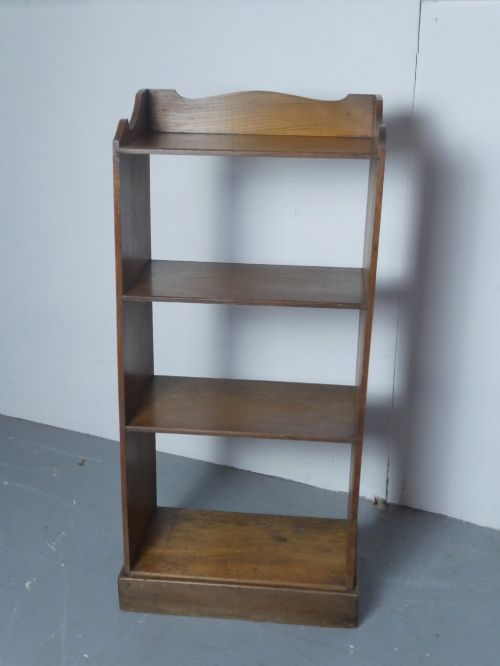
Small Wooden Bookshelf
A small wooden bookshelf brings compact order to tight corners, holding volumes close without dominating a room.
Small Wooden Bookshelf
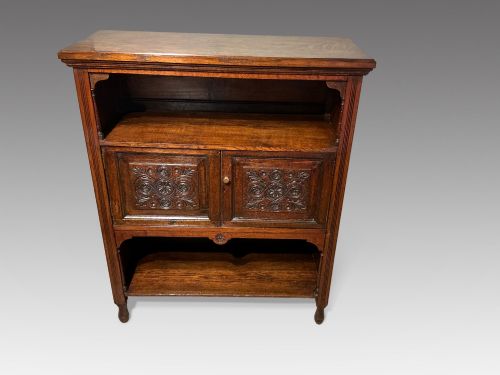
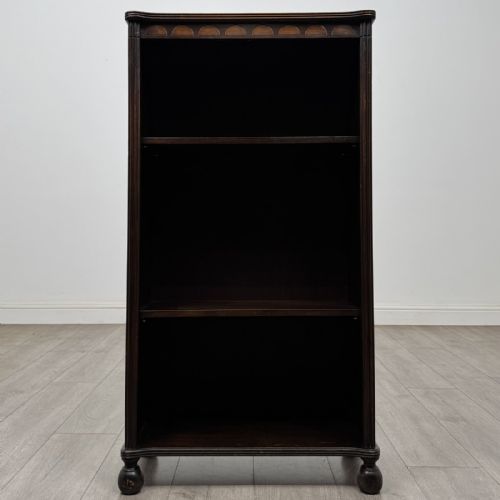
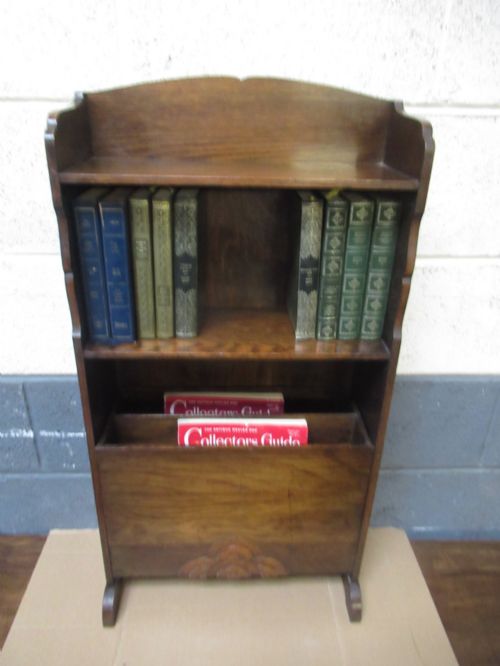
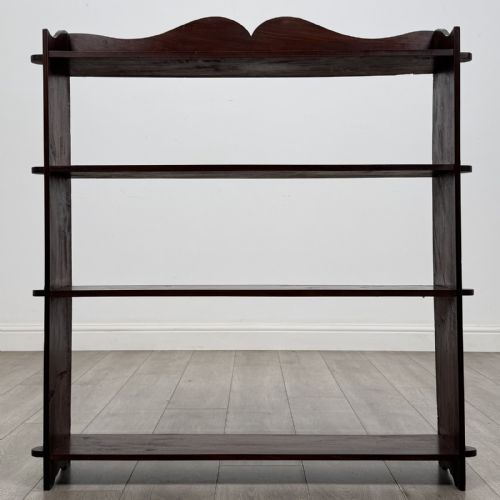
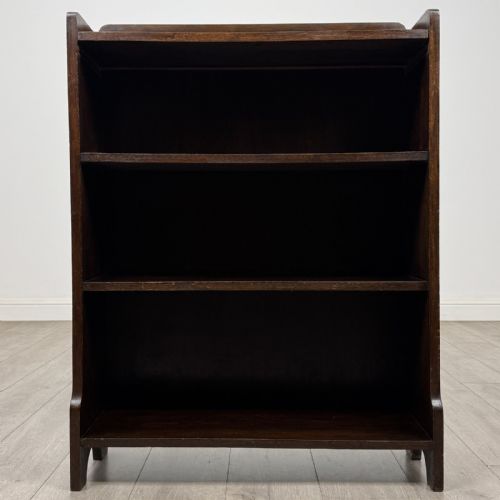
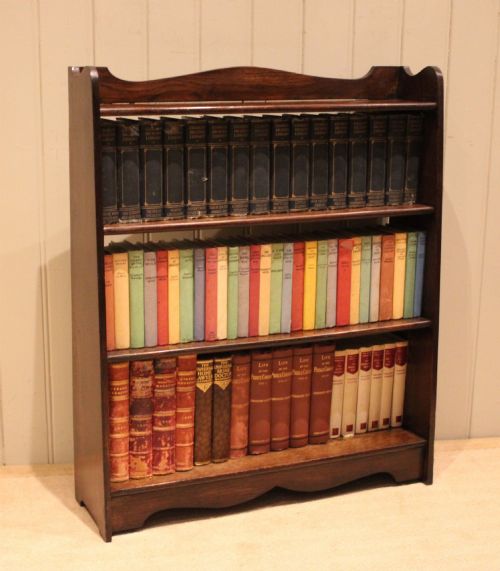
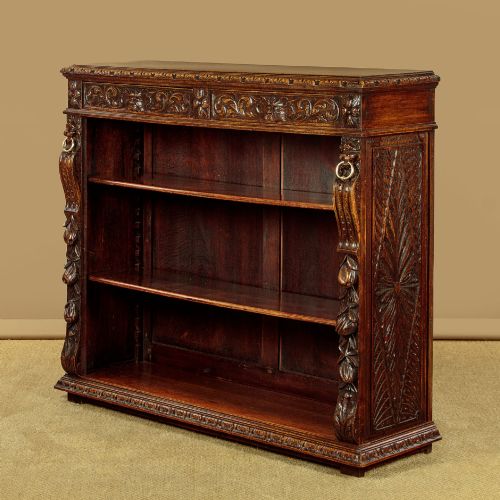
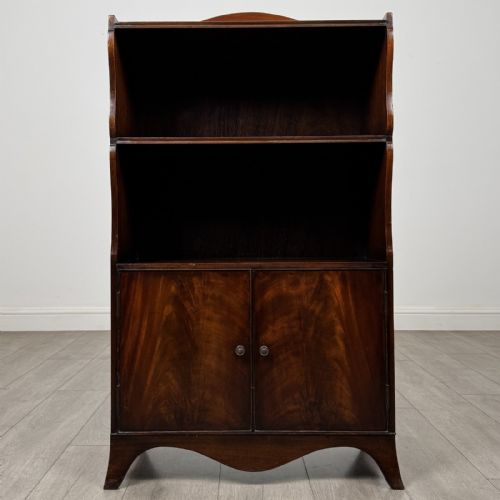
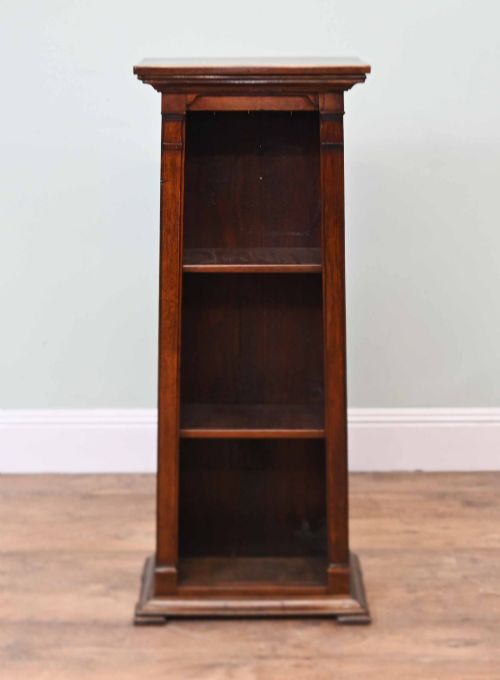
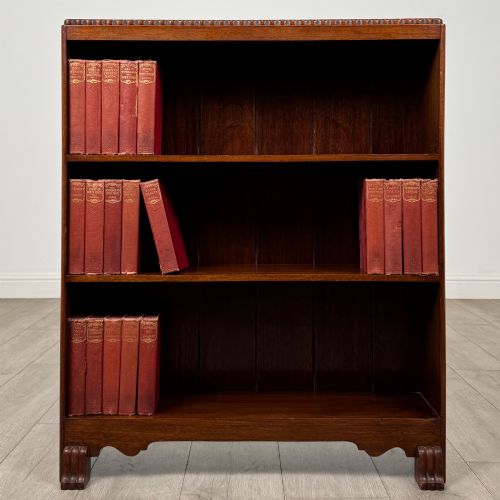
A small wooden bookshelf is a low or hanging unit designed to hold modest libraries within domestic spaces. When you search for a small wooden bookshelf, you encounter pieces that range from simple open oak frames to inlaid mahogany cabinets with brass castors.
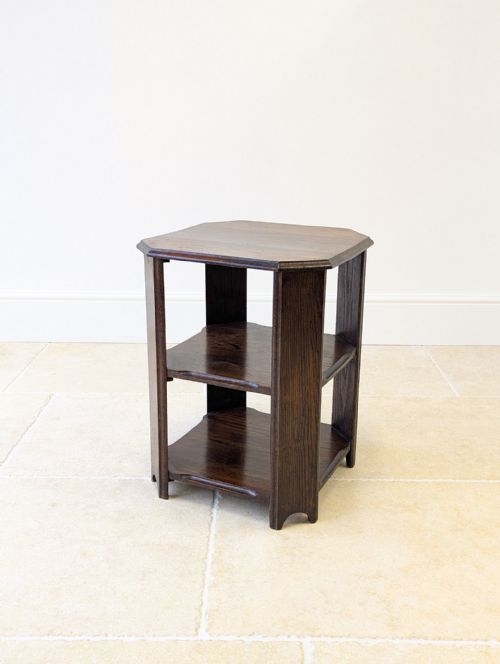
The selections here span centuries of design, with Edwardian and Victorian iterations appearing most frequently alongside pieces from the nineteenth and twentieth centuries. Formats vary from wall-hung shelves and waterfall stands to octagonal side tables and revolving bookcases.
Makers and workshops constructed these items to serve practical duties in studies, parlours and bedrooms. They appear in styles such as Arts and Crafts, Regency, Art Deco and French Provincial, reflecting the domestic tastes of their respective eras.
How they were made
Cabinet makers utilised a rich palette of timbers including mahogany, oak, walnut, rosewood, satinwood, pine, ash, limewood and satin birch. These woods were chosen for their grain pattern and structural suitability, whether for load-bearing uprights or delicate hanging shelves.
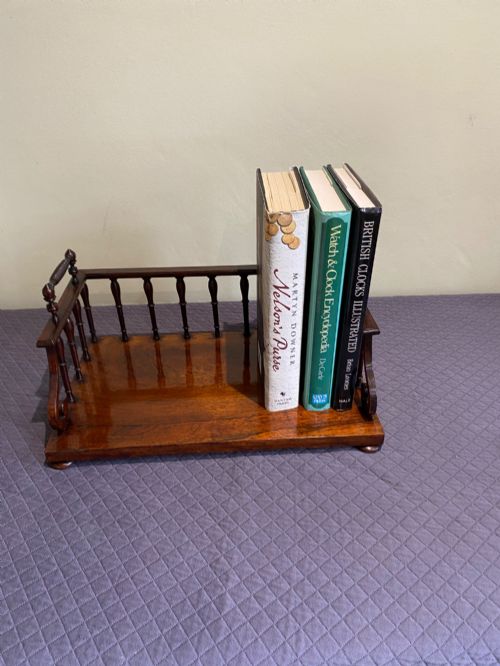
Construction techniques balanced utility with decorative flair, incorporating raised galleries, carved top edges, lower drawers, and brass hardware such as castors. Inlaid friezes and contrasting ebonised details reveal the careful hand-finishing applied by period artisans.
Small Wooden Bookshelf Retail Price Guide 2026
Typical asking prices for small wooden bookshelf among the pieces listed under this phrase on Sellingantiques today, from the lower quarter to the upper quarter. They describe what is for sale here now, not the wider market.
Some Victorian readers clearly enjoyed spinning their literature, as evidenced by the rotating charm of miniature revolving bookcases.
What varies in quality
The calibre of a piece often rests upon the selection of timber and the precision of its joinery. Finer examples display figured mahogany or carefully matched satinwood, whilst simpler utilitarian versions rely on plain oak or pine.
Decorative embellishments set individual pieces apart, ranging from restrained carved top edges to intricate inlaid banding and original brass castors. The integration of functional elements, such as adjustable shelves or lower drawers, marks the distinction between standard workshop output and superior cabinet work.
Ercol
The Small Wooden Bookshelf Glossary
- Waterfall bookcase
- A set of open shelves that progressively deepens from top to bottom, often featuring a stepped back. This design allows smaller volumes to sit at eye level while bulkier books occupy the lower tiers.
- Open bookcase
- A shelving unit enclosed at the back and sides but left open at the front without glass doors. This format prioritises immediate access to working libraries over display security.
- Inlaid frieze
- A decorative horizontal band on a piece of furniture embellished with contrasting wood veneers or materials. It sits near the top cornice to catch the light and frame the upper shelf.
Small Wooden Bookshelf: Frequently Asked Questions
Where should I place a small wooden bookshelf?
These compact pieces fit easily into alcoves, beside armchairs or along narrow hallways where full-sized furniture will not go. Their modest footprint allows them to sit comfortably in bedrooms and studies without overwhelming the floor area.
Wall-hung variants free up surface space entirely, while revolving or octagonal designs work well next to seating for immediate book access.
How do I care for antique wood shelves?
Maintain the timber by keeping the shelves away from direct heat sources and strong sunlight, which can dry out and fade older polishes. Dust regularly with a dry cloth and occasionally apply a quality wax to nourish the grain.
Avoid using modern liquid sprays or silicones, as these build up over time and dull the natural patina of mahogany, oak and walnut.
Can these shelves hold heavy books?
Most period pieces easily support standard hardbacks and paperbacks, particularly solid oak and mahogany variants built with sturdy fixed or adjustable wooden boards. Heavier reference volumes should be placed on the lower shelves for better stability.
Lighter hanging or revolving models are better suited to smaller novels and lighter reading collections rather than dense encyclopedias.
How do I identify an Edwardian bookcase?
Edwardian pieces often feature lighter timbers like satinwood or inlaid mahogany, reflecting the brighter interiors favoured around the turn of the twentieth century. Look for restrained classical detailing, satin finishes and refined proportions.
They frequently incorporate modest practical touches like lower drawers or brass castors, bridging Victorian bulk with early twentieth-century simplicity.