

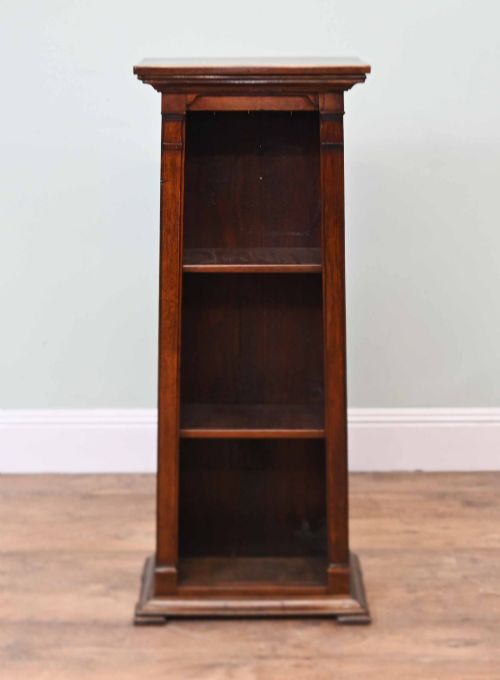
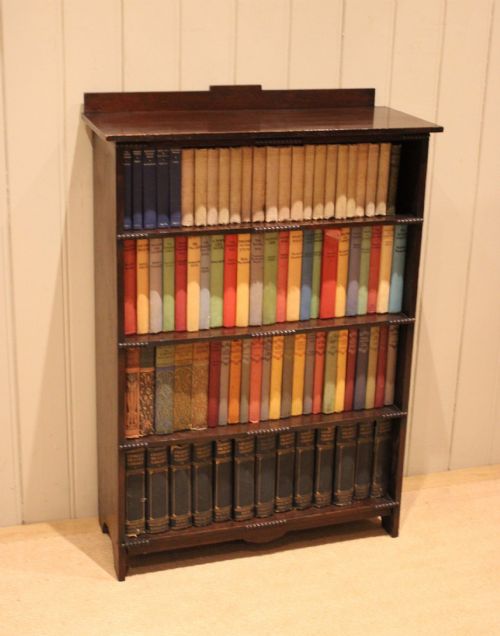
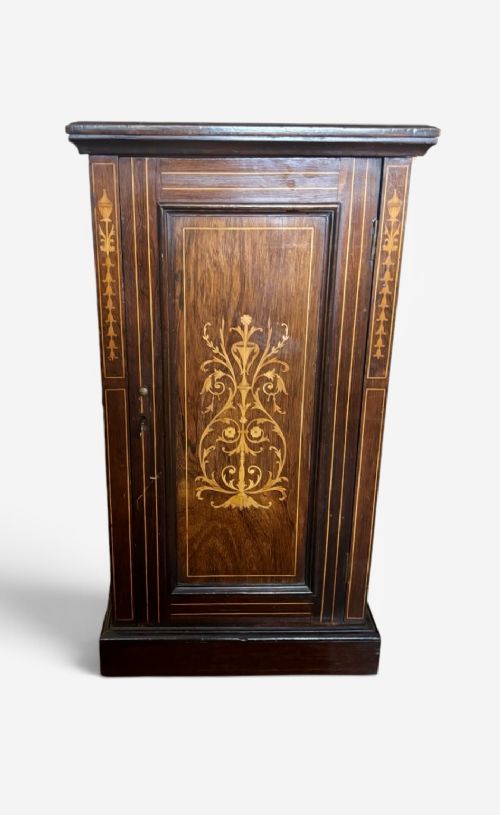
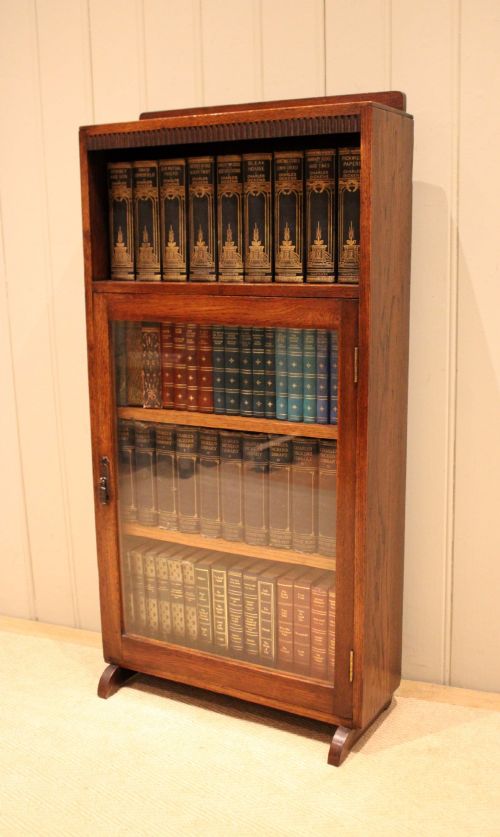
Narrow Dark Wood Bookcase
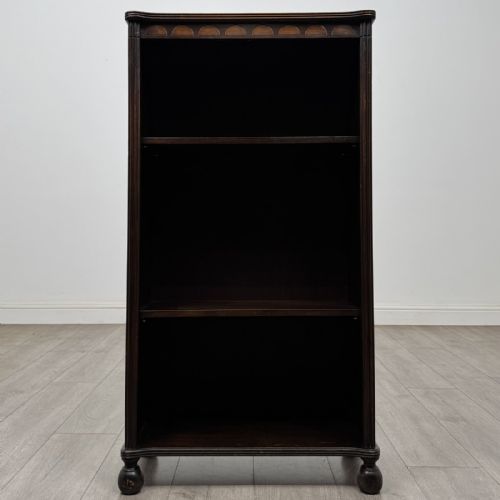
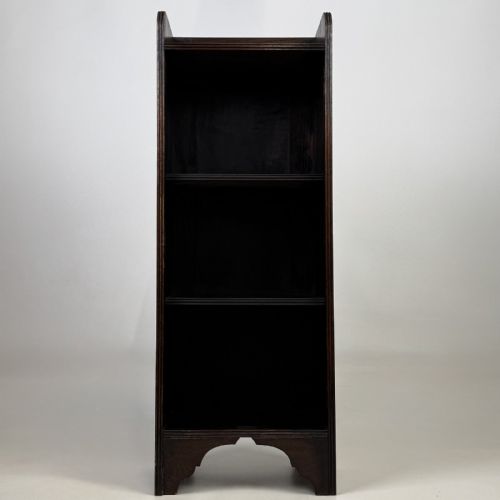
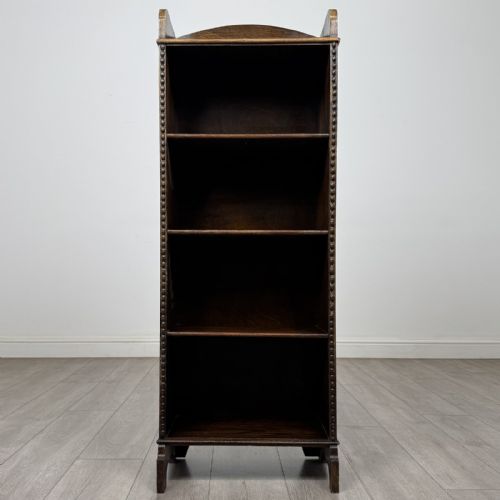
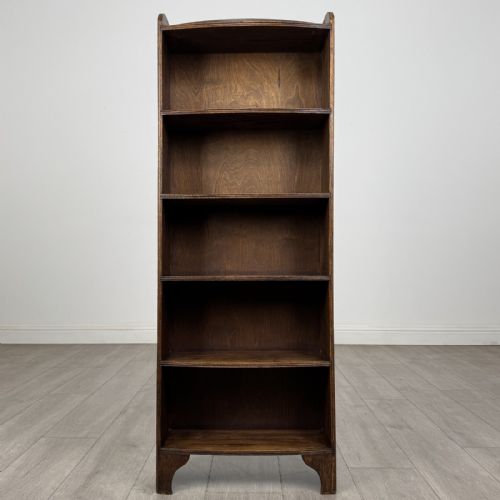
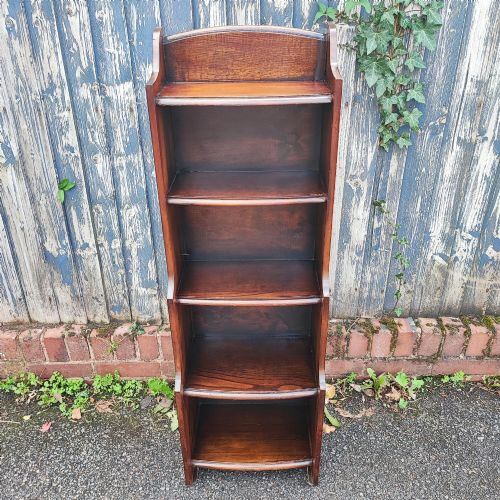
A narrow dark wood bookcase provides compact shelving for tight spaces while bringing rich timber tones into a room.
Narrow Dark Wood Bookcase
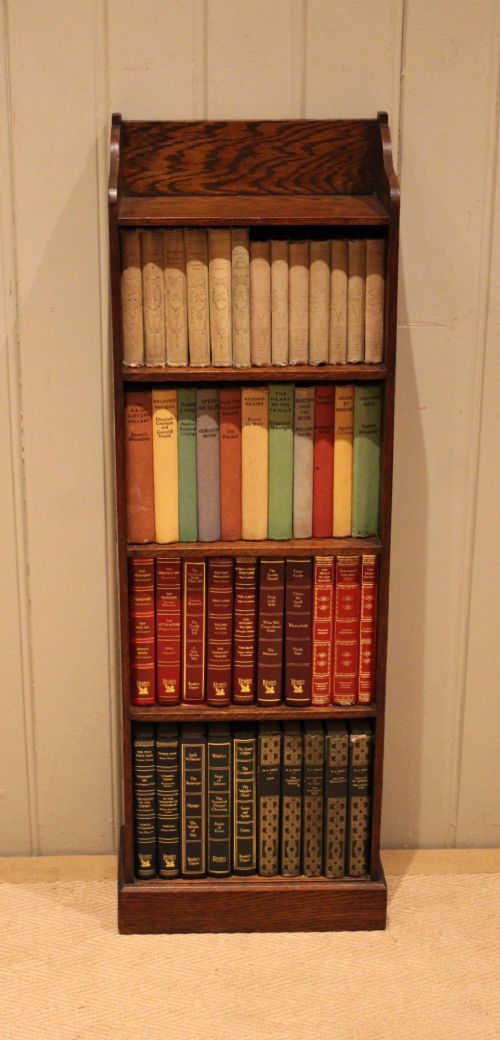
When searching for a narrow dark wood bookcase, a buyer is looking at upright shelving units designed to hold volumes in confined floor spaces. These items appear across multiple periods, most frequently emerging from early twentieth century workshops in oak and mahogany.
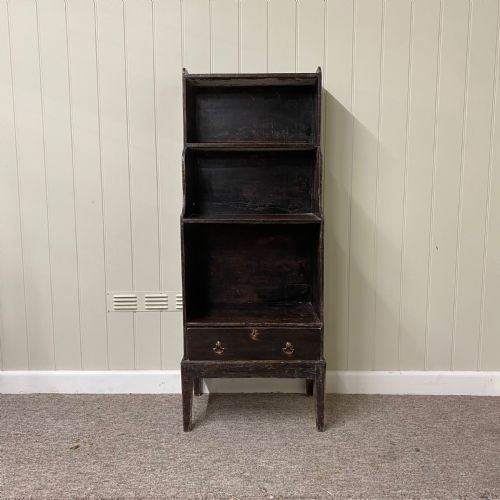
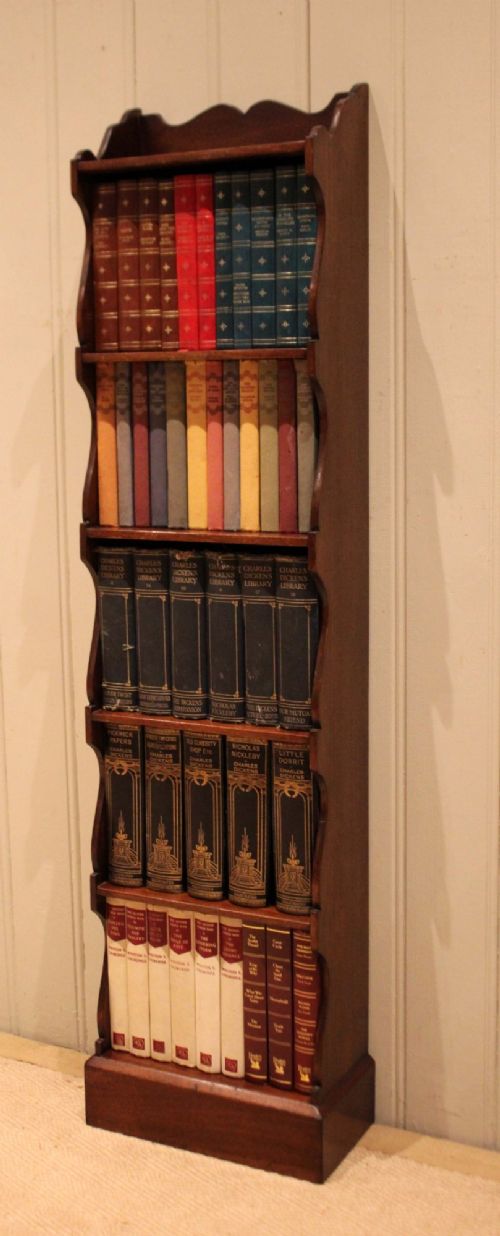
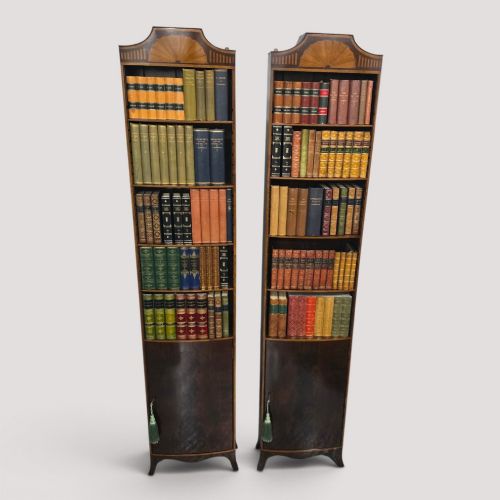
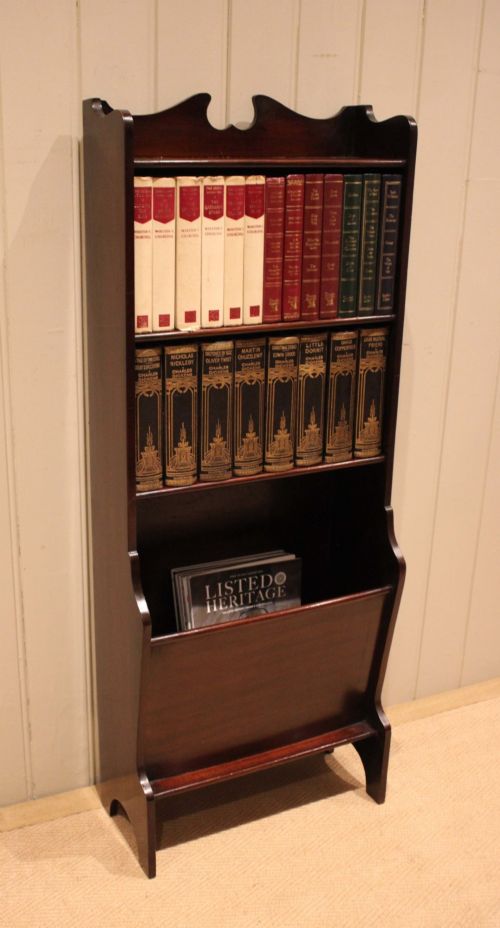
The format ranges from open shelving with raised galleries to glazed cabinets and tiered waterfall designs. Oak and mahogany dominate the offerings, often complemented by satinwood inlay or brass details depending on the period.
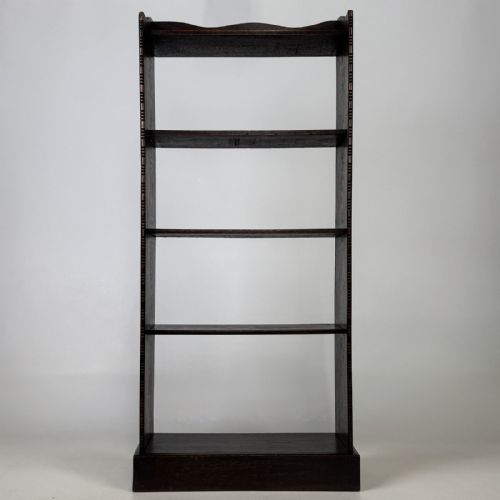
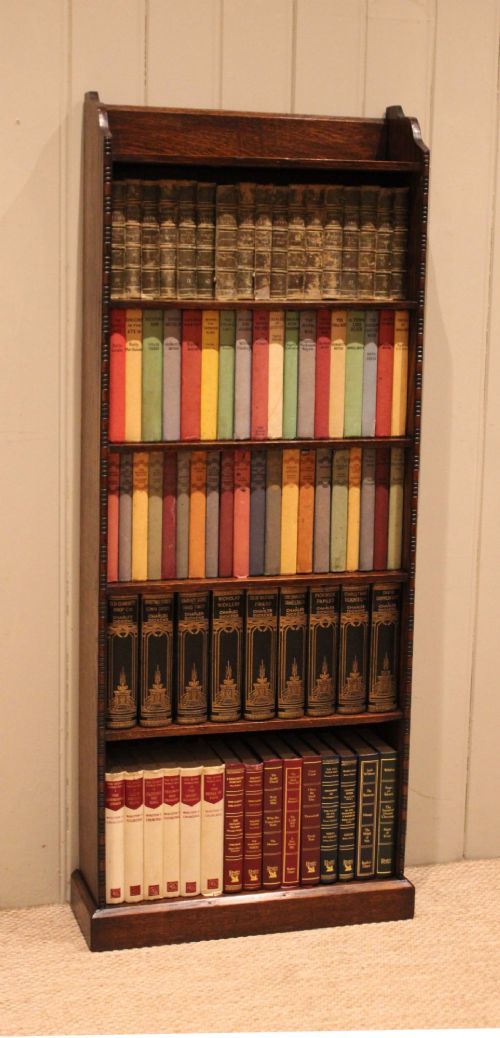
Early twentieth century examples sit alongside Victorian and Regency pieces, showing how cabinetmakers adapted the upright bookcase for smaller rooms. Buyers frequently encounter open oak configurations featuring beaded edges or carved friezes.
Materials and construction
Cabinetmakers utilised solid timbers and veneers, building frames in oak, mahogany, and rosewood. These woods received dark stains or natural finishes to accentuate the grain.
Construction techniques include raised galleries, bow front shelves, and moulded cornices. Details such as satinwood inlay and brass fittings punctuate the darker wood surfaces.
Narrow Dark Wood Bookcase Retail Price Guide 2026
Typical asking prices for narrow dark wood bookcase among the pieces listed under this phrase on Sellingantiques today, from the lower quarter to the upper quarter. They describe what is for sale here now, not the wider market.
Certain slim bookcases include built-in magazine racks for when reading material refuses to conform to standard shelf geometry.
Factors determining quality
Quality rests upon the selection of timber and the precision of the joinery. Fine grain in mahogany or selected oak denotes superior material selection by the maker.
Refined execution appears in balanced proportions, clean moulding details, and integrated decorative elements such as satinwood inlay rather than applied ornamentation.
Waring and Gillows
The Narrow Dark Wood Bookcase Glossary
- Waterfall bookcase
- A tiered shelving unit where each successive shelf steps back from the one below it. This form creates a sloping profile popular in the nineteenth and early twentieth centuries.
- Gallery top
- A low raised border or railing running along the upper edge of a bookcase. It prevents items placed on top from sliding off.
- Open bookcase
- A shelving unit without doors, providing direct access to the books stored within. This style has been produced across Victorian and twentieth century periods.
- Satinwood inlay
- Contrasting light wood inserted into recesses in a darker timber surface to form decorative patterns. It frequently decorates rosewood and mahogany pieces.
- Carved frieze
- A decorative horizontal band carved into the wood near the top of the piece. It adds architectural detail to otherwise simple open bookcases.
Narrow Dark Wood Bookcase: Frequently Asked Questions
Where should I place a narrow dark wood bookcase?
These compact units suit hallways, alcoves, and smaller studies where floor space is limited. Their vertical orientation makes efficient use of vertical wall areas without dominating the room.
Position them away from direct heat sources to protect the timber and veneer from drying out over time.
How do I care for dark wood surfaces?
Dust the timber regularly with a soft, dry cloth to prevent particulate buildup. Avoid silicone polishes, opting instead for traditional beeswax applied sparingly.
Keep the piece out of direct sunlight to prevent the dark stain or natural rosewood and mahogany tones from fading.
What is the difference between open and glazed bookcases?
Open bookcases provide immediate access to volumes and display the book bindings as part of the room's decor. They suit everyday reading collections.
Glazed versions include glass doors that protect delicate or older bindings from dust and environmental wear while still allowing visibility.
How do I identify a Regency period bookcase?
Regency pieces often display classical proportions, refined mahogany timbers, and occasionally distinctive waterfall tiering. They reflect early nineteenth century design preferences.
Look for restrained use of brass mounts and clean architectural lines that distinguish them from later revival styles.