


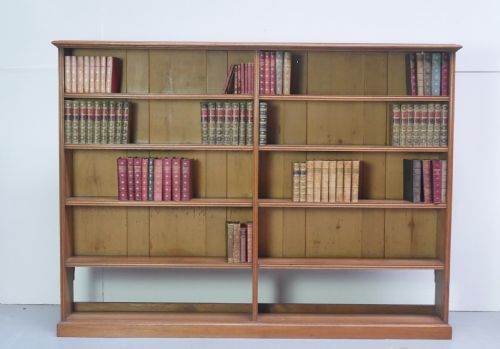
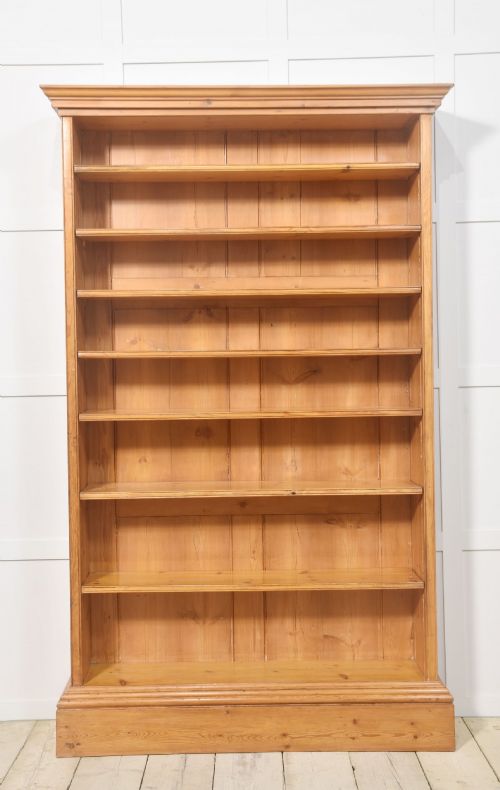

Large Wooden Shelving Unit
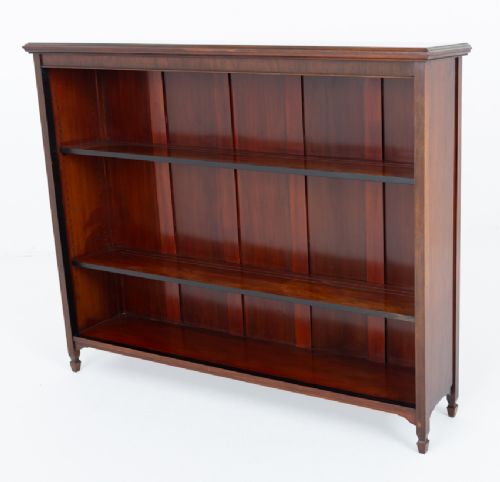
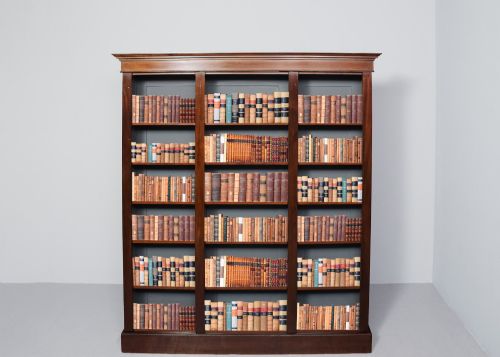
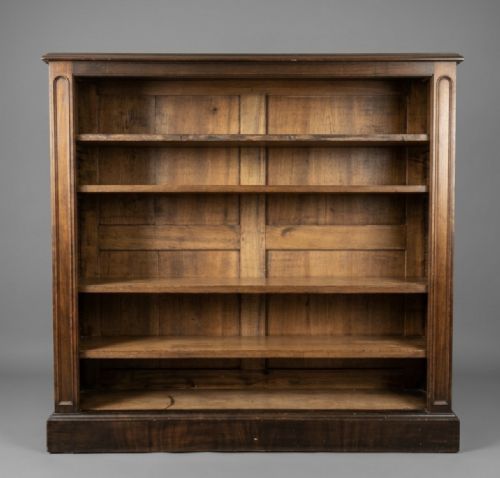
A large wooden shelving unit brings architectural presence and generous display to a room, offering robust storage built from timber.
Large Wooden Shelving Unit
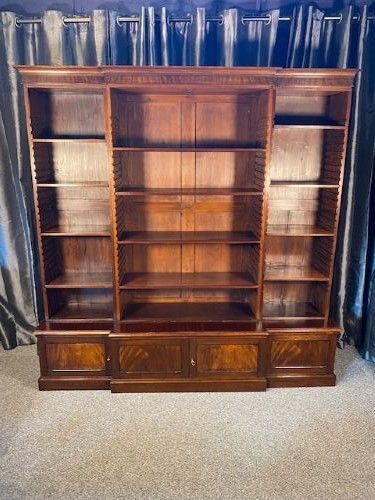
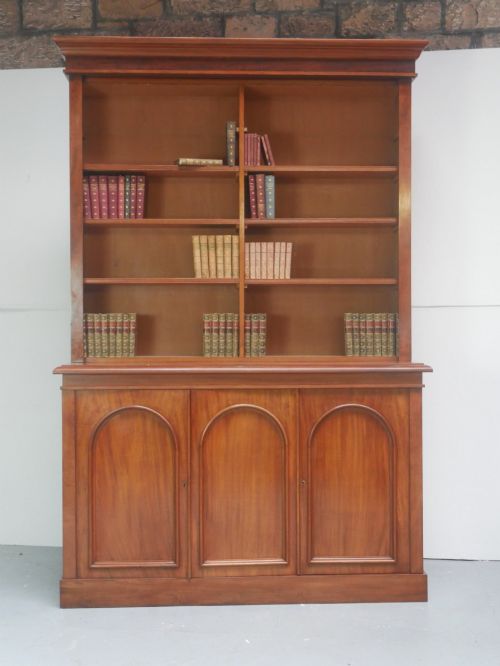
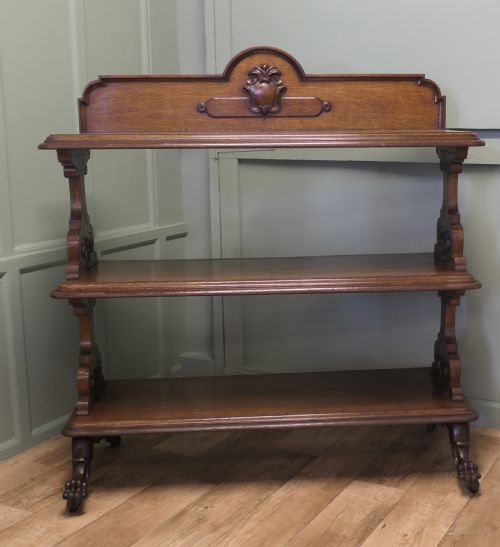
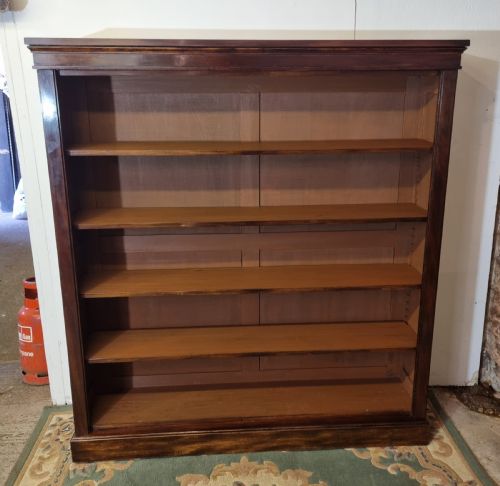
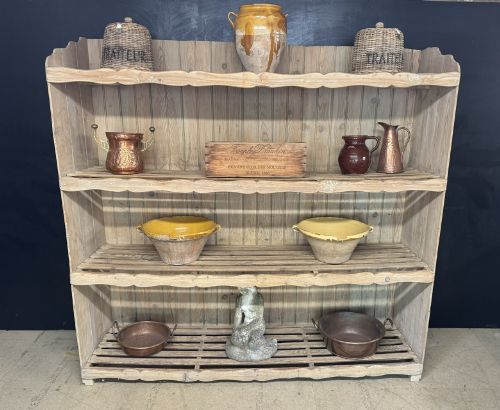
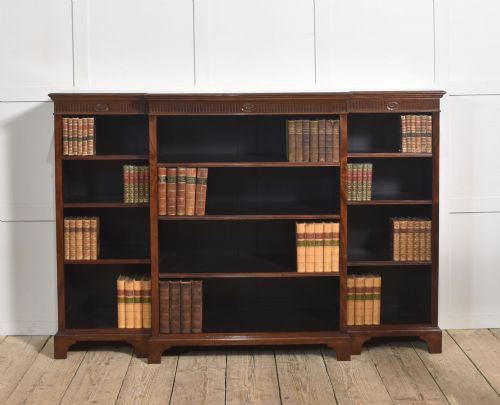
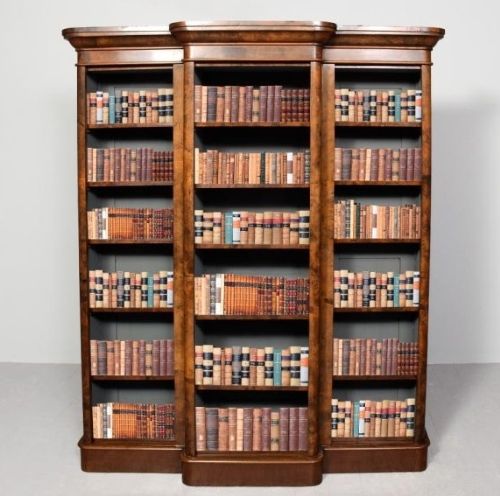
A large wooden shelving unit typically takes the form of an open bookcase, a breakfront library piece, or a tall wall cabinet spanning periods from the nineteenth century into the twentieth. Buyers seeking this phrase encounter sturdy pine, oak, and mahogany designs originating from Victorian, Edwardian, and regional traditions.
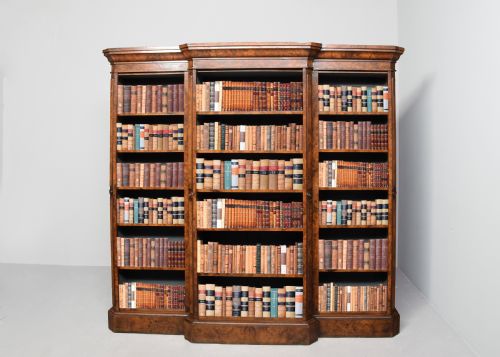
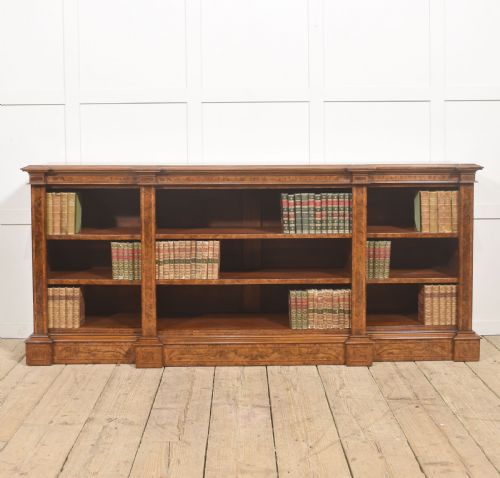
The selection ranges from simple country house deal wood and rustic pine pieces to grand breakfront burr walnut and mahogany library furniture. Many examples feature adjustable shelves designed to hold substantial collections of books and objects.
Originating styles stretch across English traditional workshop vernacular, French provincial forms, and Anglo-Indian craftsmanship, providing varied aesthetic weight for domestic and institutional interiors.
What varies in quality
Quality rests in the selection of timber grain, such as figured burr walnut or substantial quarter-sawn oak, coupled with the sophistication of the architectural proportions. Breakfront construction and multi-section formats demand precise cabinetmaking to maintain structural integrity across wide spans.
The refinement of carved ornament, inlay work, and the inclusion of functional elements like adjustable shelving separate standard utility storage from exceptional commission pieces designed for country house libraries.
Large Wooden Shelving Unit Retail Price Guide 2026
Typical asking prices for large wooden shelving unit among the pieces listed under this phrase on Sellingantiques today, from the lower quarter to the upper quarter. They describe what is for sale here now, not the wider market.
Some nineteenth-century pine shelving units retain faint chalk markings left by workshop carpenters counting components.
Sir Charles Barry
The Large Wooden Shelving Unit Glossary
- Breakfront
- A cabinet or bookcase whose central section projects forward from the flanking outer sections. This format creates depth and visual rhythm in large library pieces.
- Burr walnut
- Timber taken from a walnut tree's growth excrescence, yielding intricate, swirling grain patterns. It was favoured for high-status Victorian cabinet doors and shelving fascias.
- Deal wood
- A traditional British term for softwood timber, particularly fir or pine. It formed the robust carcass of many utilitarian and country house storage units.
- Pediment
- The triangular or arched decorative crowning feature atop a tall bookcase or wall cabinet. It draws the eye upward and completes the classical architectural composition.
- Pigeon holes
- Small, open compartments arranged in a grid for sorting papers or documents. They frequently appear within the upper sections of antique desks and specialised shelving units.
Large Wooden Shelving Unit: Frequently Asked Questions
How do I choose the right timber?
Consider the existing weight and tone of your room's interior timberwork before selecting a piece. Oak and mahogany offer traditional darkness and heavy presence, whereas pine and deal wood provide a lighter, more rustic domestic feel.
Durability also ties directly to wood choice, as dense hardwoods easily support heavy book collections without sagging over long spans.
How do I date a Victorian piece?
Victorian items often display specific stylistic markers, ranging from heavy, carved mahogany in the mid-century to lighter satinwood or inlaid elm aesthetics towards the Arts and Crafts period. Examining the backboards, screw types, and construction timber gives further clues to the exact decade of manufacture.
Early Victorian examples frequently utilise breakfront burr walnut configurations, while later nineteenth-century pieces embrace diverse regional revival styles.
Where should I place a large unit?
These tall architectural pieces require stable wall placement and adequate floor space to anchor a room effectively. Libraries, studies, and spacious living areas provide ideal settings where their generous proportions can be appreciated.
Ensure that ceiling heights and wall clearances match the dimensions given in the listing before positioning a breakfront bookcase.