





Pine Corner Cabinet
A pine corner cabinet solves the problem of dead space in a room while providing sturdy storage.
Pine Corner Cabinet
A pine corner cabinet is designed to fit snugly into the intersection of two walls, making efficient use of awkward room layouts. These pieces range from small wall-hanging cupboards to tall, imposing two-part standing furniture.
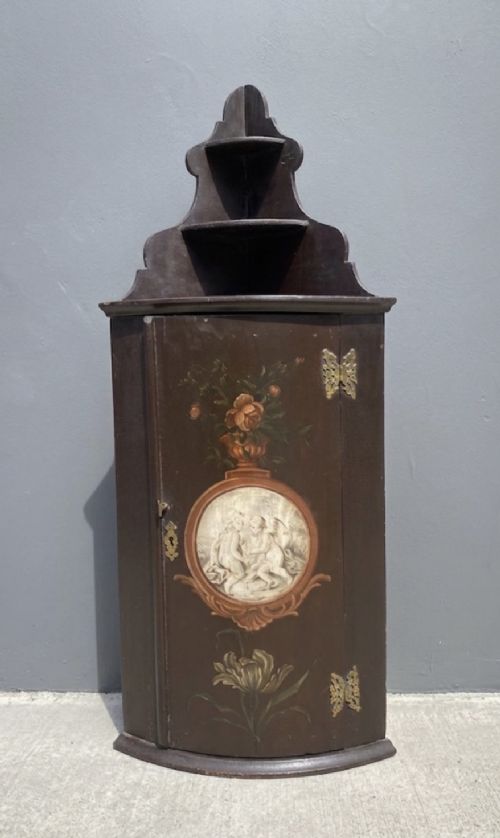
The materials seen in these pieces primarily include pine and pitch pine, often embellished with iron or brass hardware and glass door panels. Some examples feature original painted surfaces, while others show stripped wood finishes.
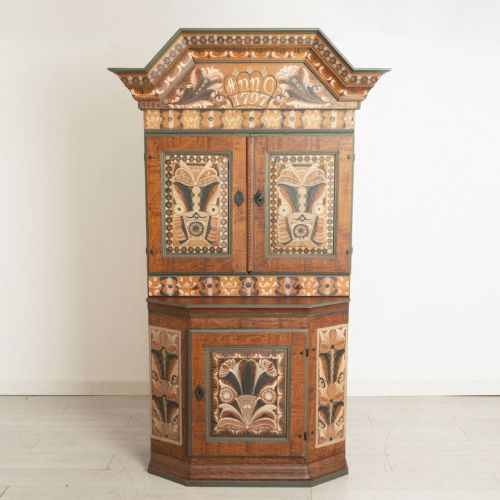
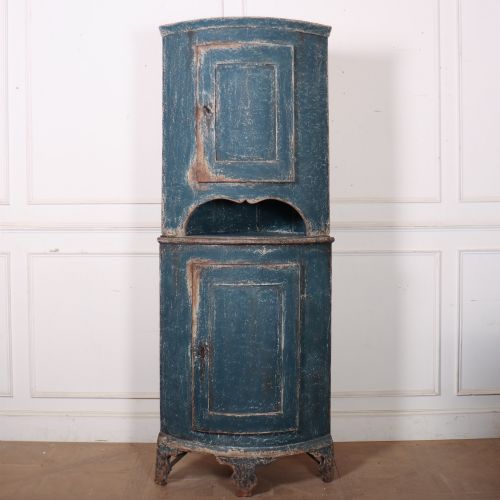
Stylistically, these cabinets span multiple periods including Georgian and Victorian eras, alongside continental examples such as Swedish, Gustavian, and European folk art designs. Forms include bow-fronted shapes, dome tops, and barrel backs.
How They Were Made
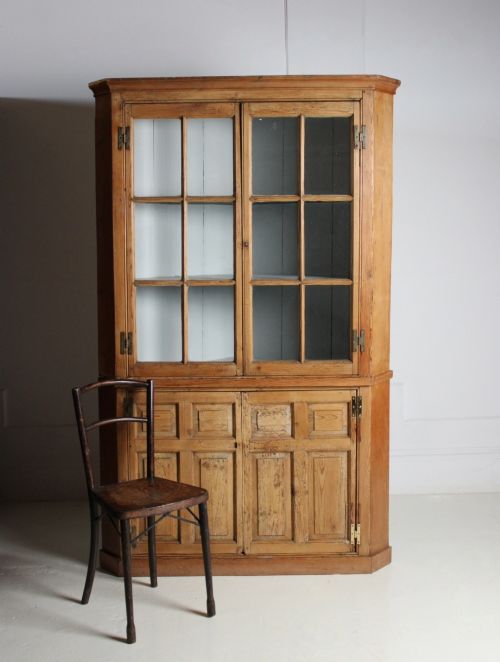
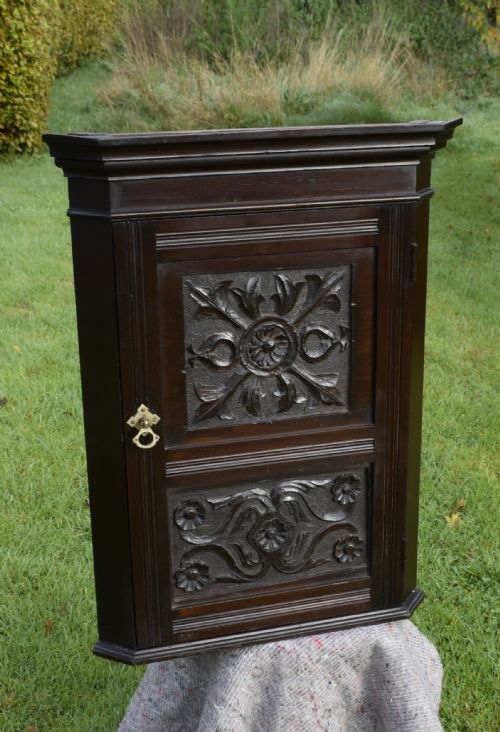
Construction relies heavily on solid pine and pitch pine timbers, shaped into standing two-part forms, tall single pieces, or compact wall-hanging units. Cabinetmakers utilised timber panels, reeded pilasters, and carved details to add texture and architectural presence.
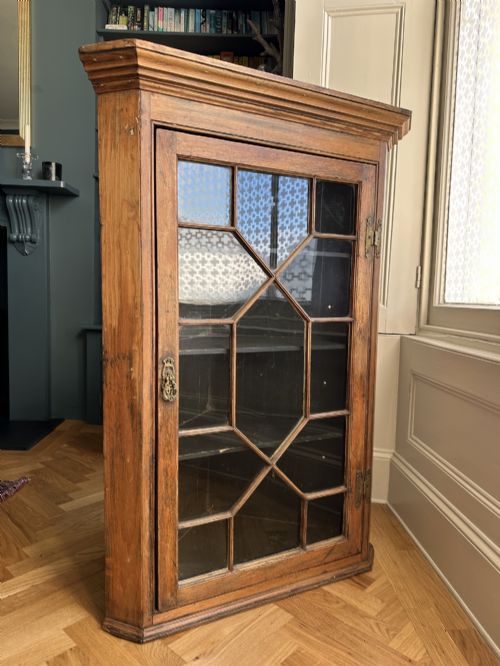
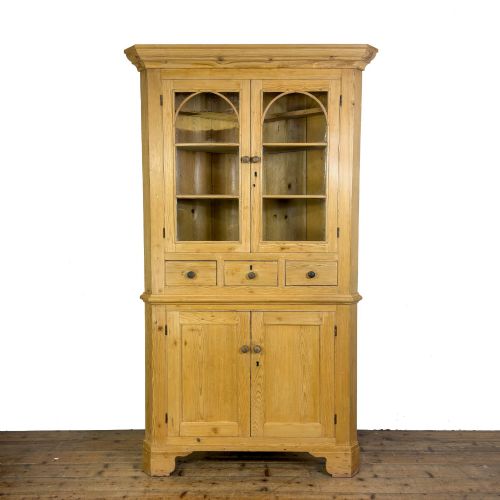
Surfaces are finished in various ways, ranging from simple wax and stripped wood to original painted finishes and simulated oak treatments. Glazed doors incorporate glass panels, sometimes with astragal bars dividing the panes.
Pine Corner Cabinet Retail Price Guide 2026
Typical asking prices for pine corner cabinet among the pieces listed under this phrase on Sellingantiques today, from the lower quarter to the upper quarter. They describe what is for sale here now, not the wider market.
Listings feature eighteenth and nineteenth-century pieces alongside Scandinavian folk art styles, executed in solid pine, pitch pine, and paint.
What Varies in Quality
Quality rests in the proportion and architectural ambition of the construction, distinguishing simple utility cupboards from grander architectural statements. Fine details such as carved ornamentation, reeded pilasters, and original painted interiors elevate certain pieces above standard vernacular furniture.
The integrity of the timber and the preservation of original finishes, whether painted surfaces or waxed patinas, determine the character of the cabinet. Two-part forms and dome tops demonstrate greater joinery skill than basic single-door hanging boxes.
The Pine Corner Cabinet Glossary
- Astral glazed
- Refers to glass doors divided into smaller panes by wooden glazing bars. This treatment lightens the visual weight of tall wooden cabinets.
- Bow front
- A convex, outwardly curved cabinet front. This curved form softens the sharp angles typical of corner furniture.
- Pitch pine
- A dense, resinous variety of pine known for its durability and strong grain pattern. It appears frequently in nineteenth-century utilitarian and display pieces.
- Reeded pilasters
- Vertical, semi-cylindrical columns carved with parallel grooves attached to the sides of a cabinet. They add classical architectural detail to country furniture.
- Gustavian
- The Swedish interpretation of French neoclassical style, characterised by pale painted finishes and restrained classical detailing. These pieces bring a lighter palette to pine furniture.
Pine Corner Cabinet: Frequently Asked Questions
Where do you put a corner cabinet?
These cabinets fit directly into the ninety-degree angle where two walls meet. They turn unused corners into functional storage or display space.
Smaller hanging versions mount directly to the wall at eye level, while standing models rest firmly on the floor and rise toward the ceiling.
Are pine corner cabinets antique?
Many examples date from the eighteenth and nineteenth centuries, spanning the Georgian and Victorian periods. Others originate from early twentieth-century workshops.
Construction methods, hardware, and surface treatments help distinguish older eighteenth-century pieces from later Victorian and Edwardian reproductions.
What is a two-part corner cabinet?
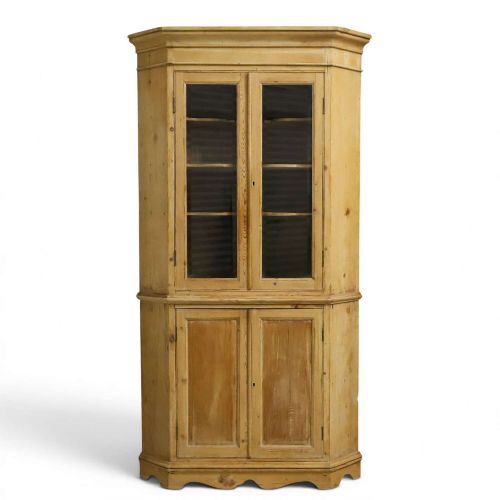
A two-part cabinet consists of a separate upper section resting upon a lower base unit. This construction method made large furniture easier to transport and install in domestic rooms.
Such pieces often combine display shelving behind glass doors above with enclosed storage in the lower cupboard.
How do I care for waxed pine?
Waxed pine surfaces benefit from occasional applications of natural beeswax to nourish the wood and maintain the sheen. Avoid placing these cabinets near direct heat sources or strong moisture.
Dusting with a soft, dry cloth preserves the aged patina without stripping the historic finish.