



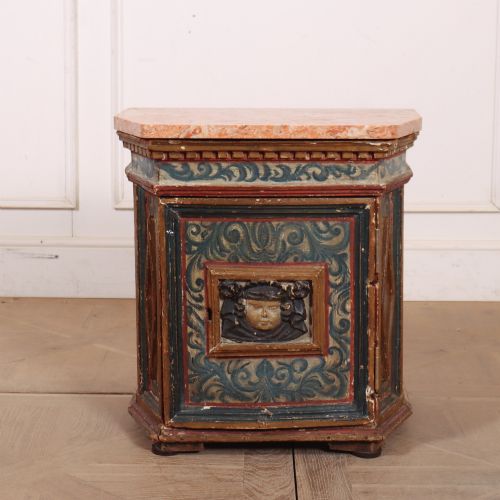
Blue Painted Cabinet
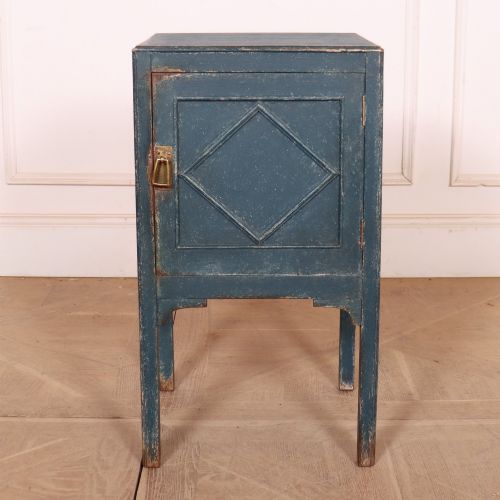
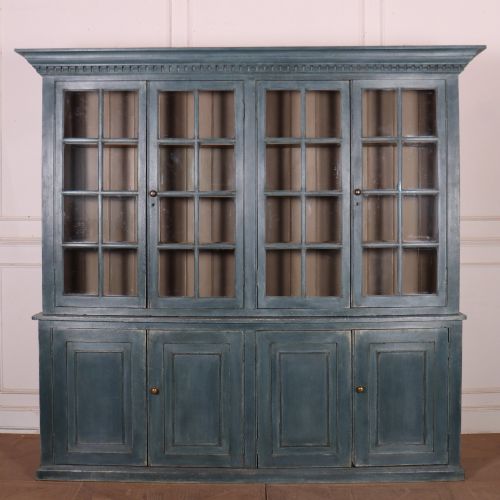
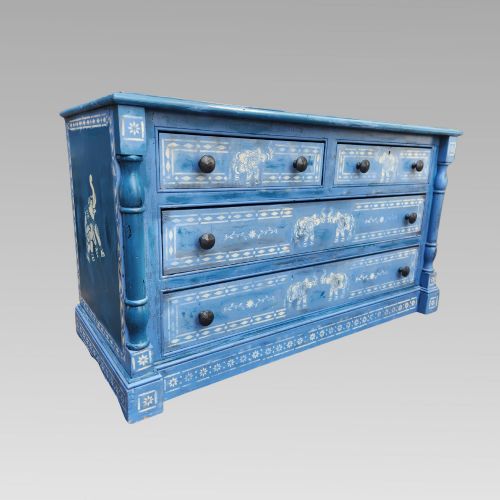
A blue painted cabinet brings colour and functional storage into a room, spanning rustic pine cupboards, Swedish corner designs and Indian storage units.
Blue Painted Cabinet
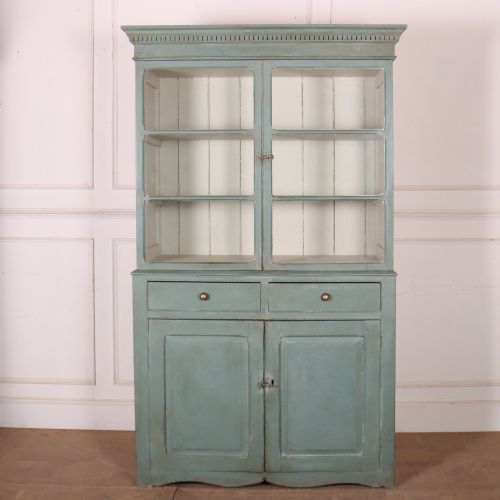
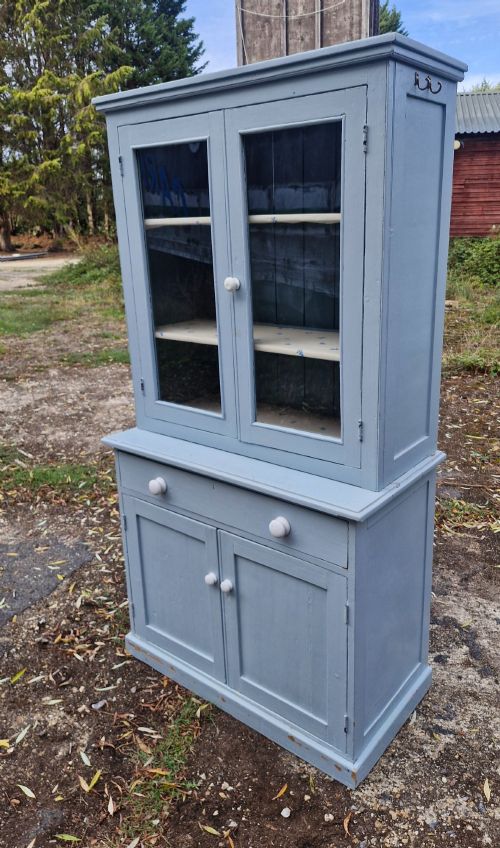
A blue painted cabinet is a storage piece finished with pigmented paint, encompassing forms such as kitchen cupboards, housekeepers' cupboards, corner cupboards, almirahs and bedside cabinets. Buyers searching for a blue painted cabinet encounter items spanning the 18th century, Georgian period, 19th century and early 20th century, alongside later mid-century examples.
The selections on this page lean heavily towards country pine cupboards, reclaimed Indian teak and cedar storage units, and regional European pieces like the Swedish bowfronted corner cupboard. These items serve practical utility while introducing distinct decorative pigment to an interior space.
Beyond upright cupboards, the category occasionally intersects with smaller wall-mounted cabinets and architectural storage furniture, all unified by their blue painted surfaces.
Materials and Construction
Construction relies primarily on timbers such as pine, teak, cedar and oak, shaped into two-part kitchen cupboards, wardrobes and bedside units using traditional joinery methods.
Surfaces receive layers of paint, often applied over decades of use, creating patinated finishes that range from original Georgian coats to distressed country applications.
Hardware details involve iron and brass hinges, latches and pulls, which complement the timber bodies and painted exteriors.
Blue Painted Cabinet Retail Price Guide 2026
Typical asking prices for blue painted cabinet among the pieces listed under this phrase on Sellingantiques today, from the lower quarter to the upper quarter. They describe what is for sale here now, not the wider market.
Some Indian storage cupboards double as wardrobes with built-in shelves, proving that even historic furniture loves a good multi-tasker.
Assessing Quality and Authenticity
Quality in these storage pieces rests upon the integrity of the timber framework, the survival of original or early paint surfaces, and the balance of regional proportions.
Pieces retaining their first or historically significant paint layer command greater interest than modern repaints, as surface patination records the age and history of the cupboard.
Structural soundness, original iron or brass fittings, and untouched interior shelving distinguish superior examples from heavily altered storage units.
John Davenport of Longport·H & R Daniel Shrewsbury·Darte Brothers·Pucher Deroche
The Blue Painted Cabinet Glossary
- Almirah
- A standing cupboard or wardrobe used for storage, frequently encountered in Indian vernacular furniture traditions.
- Bowfronted
- Having a convex, curved front profile that softens the corners of a cabinet or chest.
- Buffet à deux corps
- A traditional tall French two-body cupboard featuring an upper and lower section for comprehensive storage.
- Patina
- The surface sheen and colour mellowing developed on wood and paint over years of handling and exposure.
- Pine
- A softwood commonly utilised for country furniture, prized for its receptiveness to painted finishes.
Blue Painted Cabinet: Frequently Asked Questions
What is a blue painted cabinet used for?
These cabinets provide versatile storage for household goods, clothing, or kitchenware while serving as a bold decorative anchor in a room.
Depending on the scale, they function as bedside storage, corner display units, or large kitchen cupboards.
How do I care for antique painted furniture?
Keep painted wooden furniture away from direct sunlight and steady heat sources to prevent the timber from warping and the paint from cracking.
Dust gently with a dry microfibre cloth and avoid harsh chemical cleaners that can strip historic pigment.
Are the paint finishes original?
Paint history varies significantly across pieces, with some retaining their earliest surviving coats while others show layers applied during subsequent generations of use.
Close inspection of the surface crackle, wear patterns, and underlying timber helps determine the age of the finish.
How do I distinguish regional styles?
Regional characteristics appear in the choice of timber, moulding profiles, and construction techniques specific to British, Scandinavian, or Indian workshops.
Swedish pieces often feature curved architectural lines, whereas Indian almirahs utilise dense hardwoods like teak and cedar.