
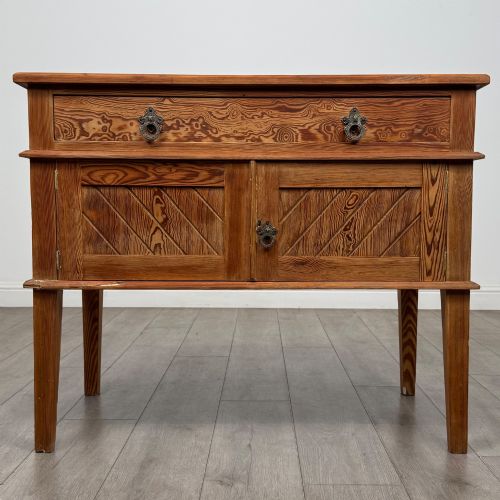
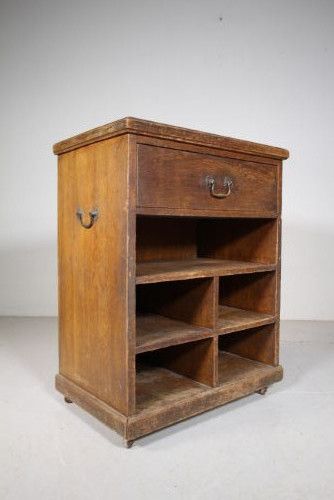
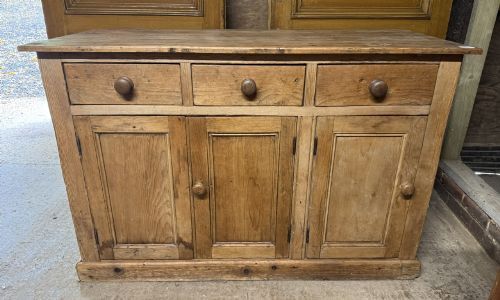
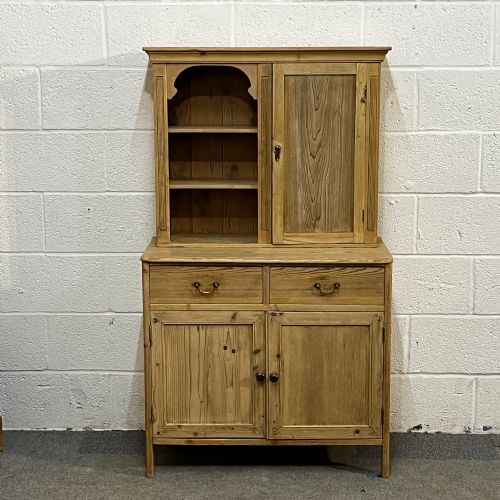
Rustic Storage Cabinet
A rustic storage cabinet brings honest utility and enduring material warmth to a room, offering practical containment built from solid timber.
Rustic Storage Cabinet
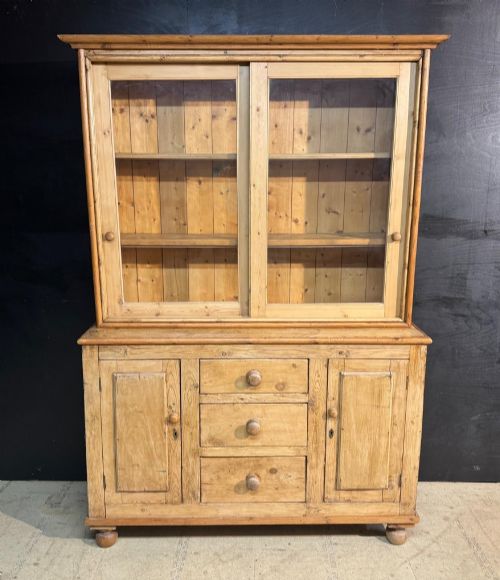
A rustic storage cabinet is primarily a functional piece designed to contain and organise household goods, drawing on traditions of country and provincial joinery. When exploring this selection, a buyer will most frequently encounter nineteenth-century examples and Victorian pieces built for everyday utility.
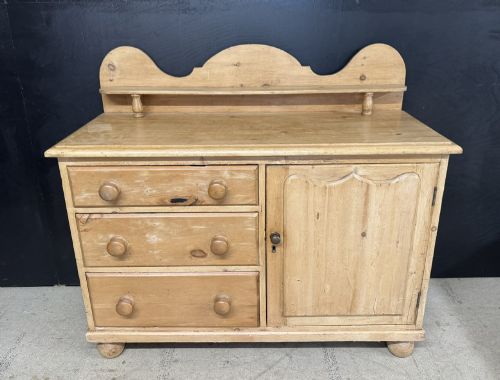
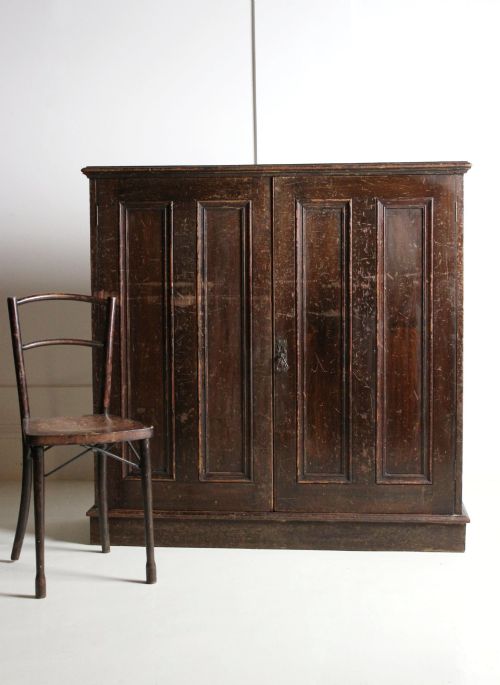
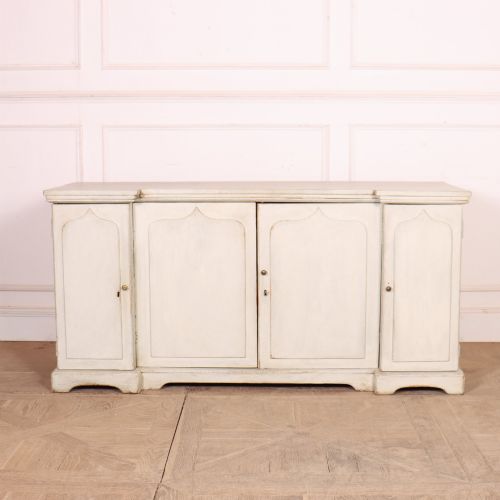
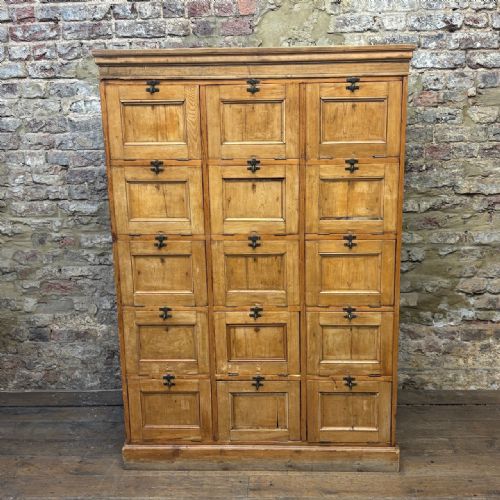
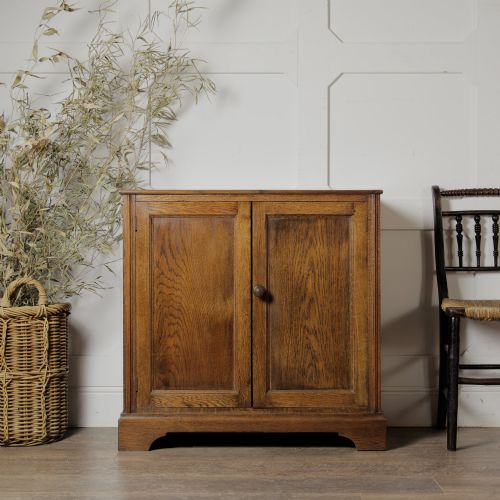
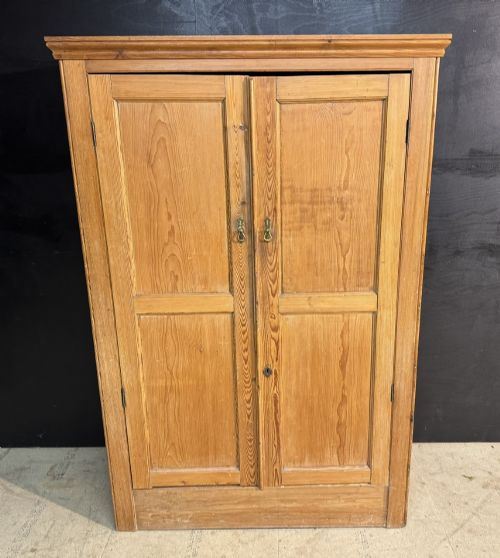
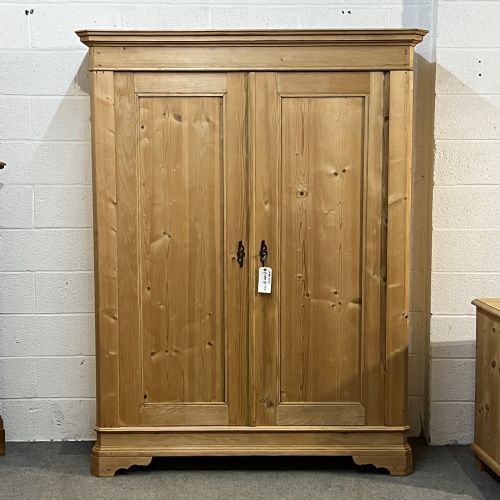
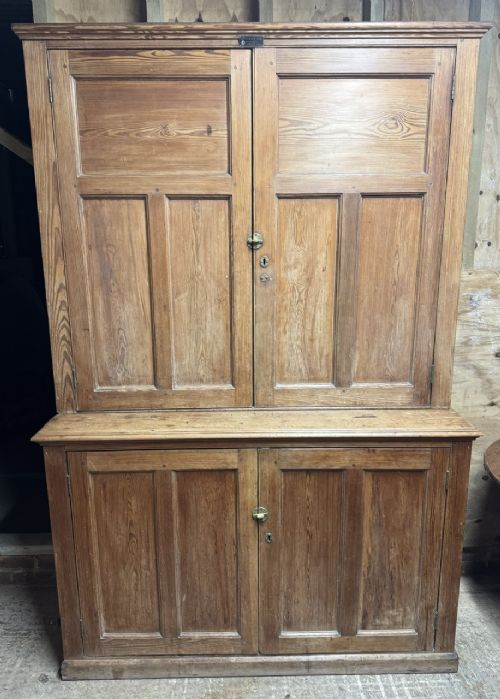
These items take various structural forms, ranging from larder cupboards and kitchen dressers to bedside cabinets, wardrobes, and multi-drawer chests. The origin spans English, Welsh, and French traditions, often featuring straightforward carpentry suited to domestic or workshop storage.
Many survivors show utilitarian roots, having served in schoolrooms, farmhouses, and housekeepers' larders before entering the antique market. Their construction prioritises capacity and robust daily use over delicate ornamentation.
How they were made
Makers relied heavily on solid pine, oak, and elm for the primary carcases and doors, selecting timber for strength and local availability. These woods were frequently worked by hand using traditional joinery methods to assemble sturdy frames that could withstand heavy domestic service.
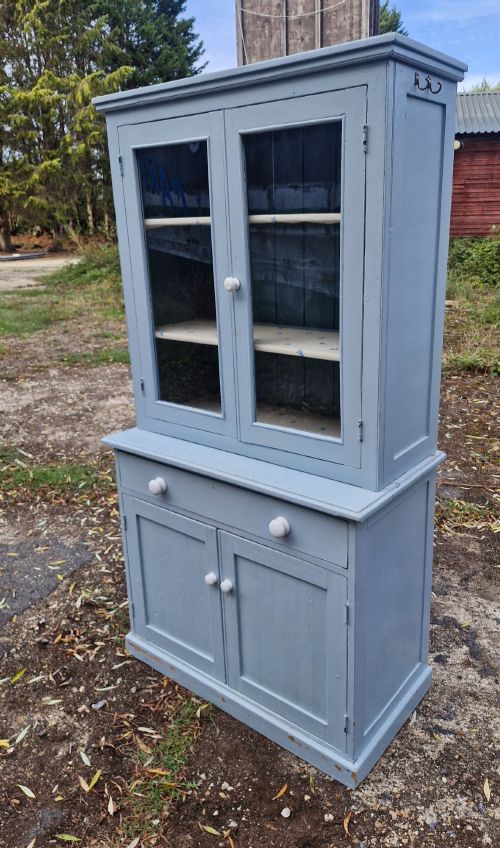
Surfaces were often finished with plain wax, layered paint, or left in their original painted state to protect the timber and provide a practical barrier. Iron and brass fittings, including hinges and drawer pulls, were attached to secure doors and drawers during frequent daily use.
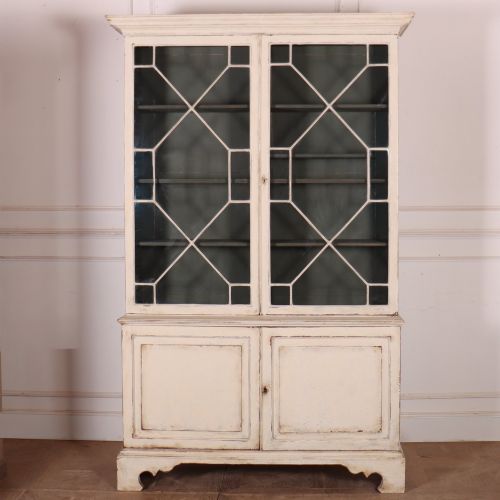
Glazed panels appeared on specific display and bookcase variants, while solid panel construction remained standard for food cupboards and linen presses to keep contents enclosed.
Listings feature eighteenth, nineteenth, and early twentieth-century periods, utilising pine, oak, elm, iron, brass, and glass.
What varies in quality
The standard of a piece is determined by the integrity of its timber selection, the weight of the solid boards used, and the honesty of its construction. Heavier planks of pine, oak, or elm combined with sound internal framing set better examples apart from lighter, purely utilitarian utility builds.
The retention of original paint surfaces or honest period wax finishes significantly influences the character and integrity of a cabinet. Pieces retaining their early or original surface treatments preserve a truer record of their working history than those stripped or repeatedly refinished.
Luxmore's of Ilfracombe
The Rustic Storage Cabinet Glossary
- Pine
- A softwood commonly utilised for nineteenth-century country furniture, valued for its workability and pale grain. It formed the basis of numerous farmhouse cupboards and dressers.
- Enfilade
- A long sideboard or buffet featuring a series of doors, traditionally used in European dining rooms for serving and storage. It provides substantial surface and internal capacity.
- Linen press
- A tall cupboard designed specifically to store folded textiles and bedding, usually combining upper doors with lower drawer storage. These units often survive in original paint.
- Dresser base
- The lower section of a kitchen dresser, typically fitted with a combination of drawers and cupboards beneath a solid top. They served as primary workspace and storage in traditional kitchens.
- Pitch pine
- A denser, more resinous variety of pine known for its prominent grain pattern and durability. Cabinet makers utilised it for robust Victorian storage furniture.
Rustic Storage Cabinet: Frequently Asked Questions
What rooms suit a rustic storage cabinet?
These cabinets suit kitchens, hallways, and living spaces where practical containment and solid timber textures add grounded utility. Their varied scales allow them to fit both compact corners and larger feature walls.
Because they were originally built for heavy domestic storage, they handle modern demands for organising tableware, linens, or books with ease.
How do I care for waxed pine furniture?
Waxed pine benefits from occasional application of traditional beeswax to nourish the timber and maintain a soft, protective sheen. Avoid placing these cabinets near direct heat sources that might dry out the old wood.
Regular dusting with a dry cloth keeps the surface clean without stripping the historic wax layer that accumulates over decades of use.
What is the difference between an armoire and a wardrobe?
An armoire is traditionally a large European cupboard with deep proportions and heavy panel doors, often originating from French provincial workshops. A wardrobe generally refers to British hanging furniture designed for garments.
Both provide substantial enclosed storage, but armoires frequently display more pronounced regional carved detailing and heavier structural frames.
Are original painted finishes common?
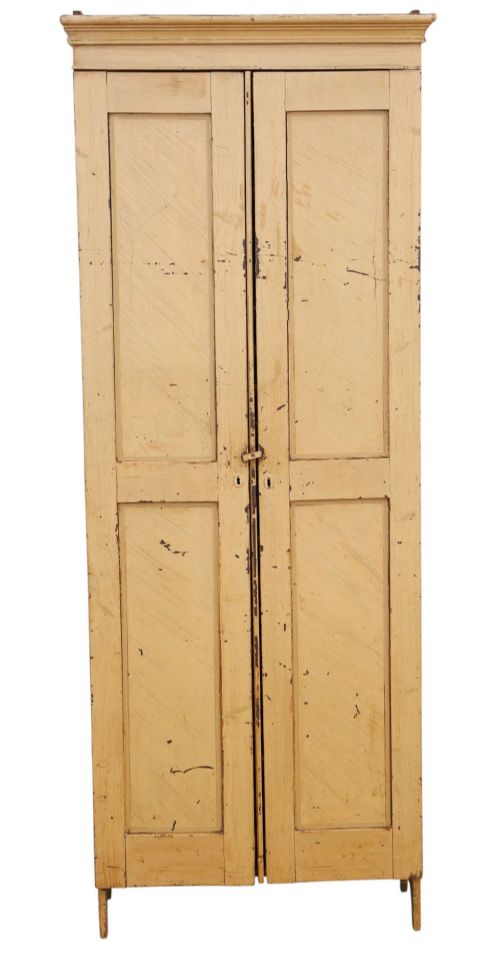
Original painted finishes do survive on select nineteenth-century pieces, showing layers of historic colour applied during the working life of the cabinet. These coatings range from simple cream kitchen schemes to darker utilitarian tones.
Finding a piece in original paint offers a direct view into how the cabinet looked in its operational setting.