
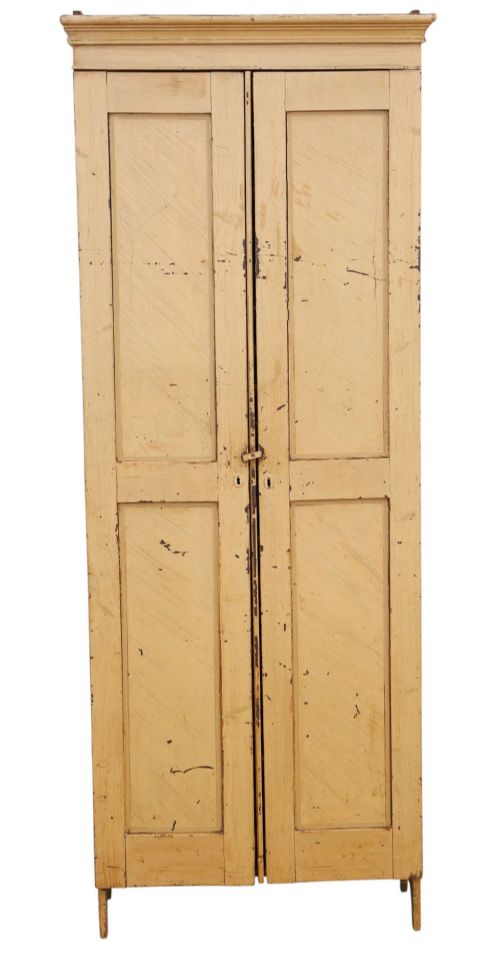
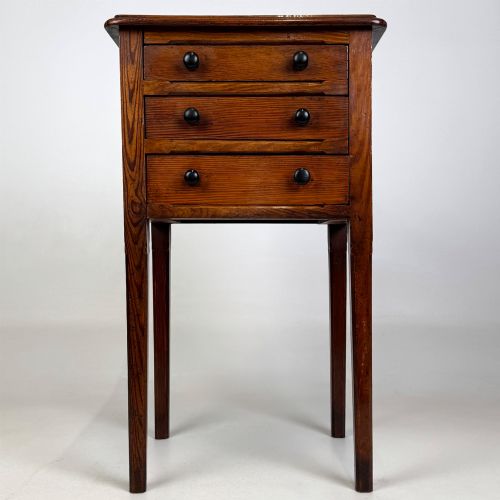
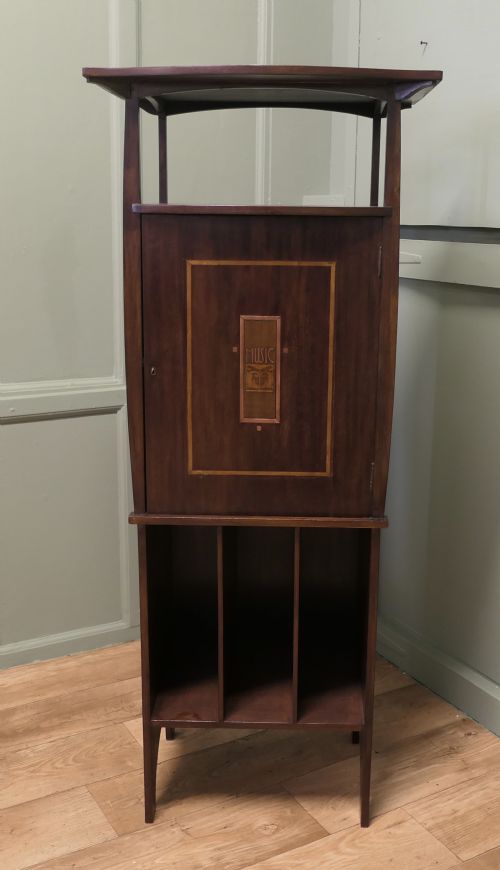

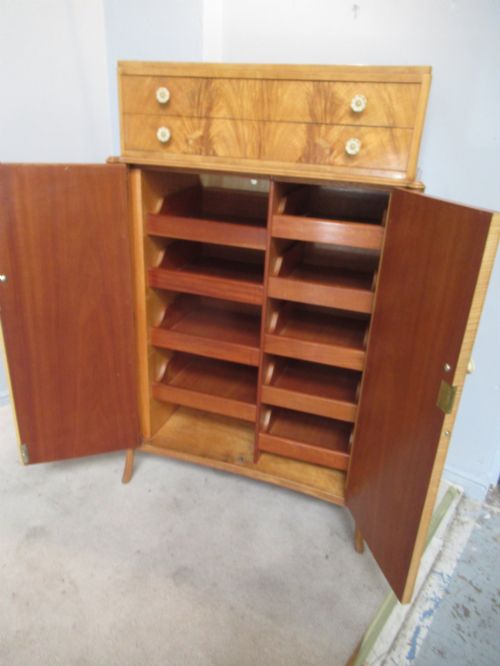
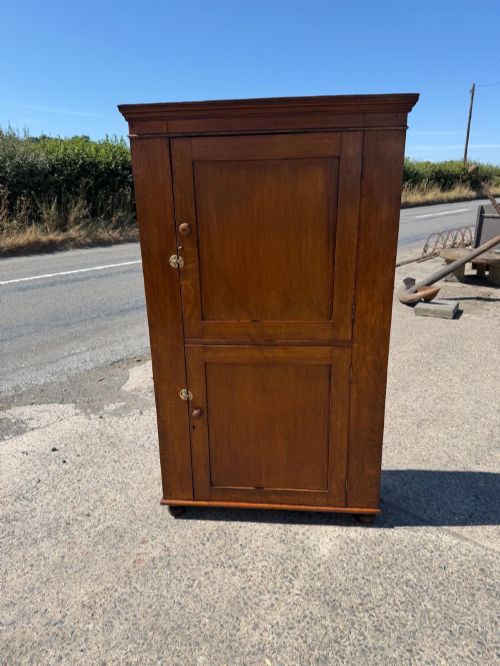
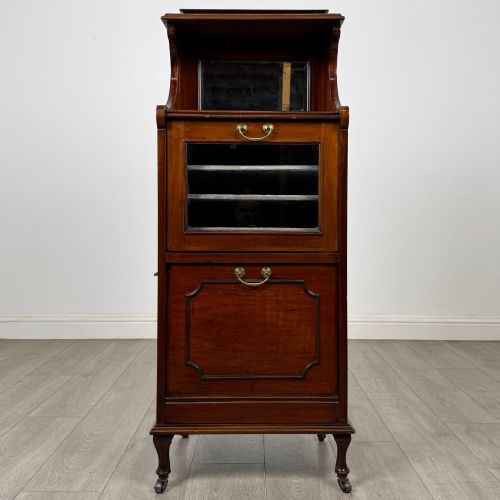
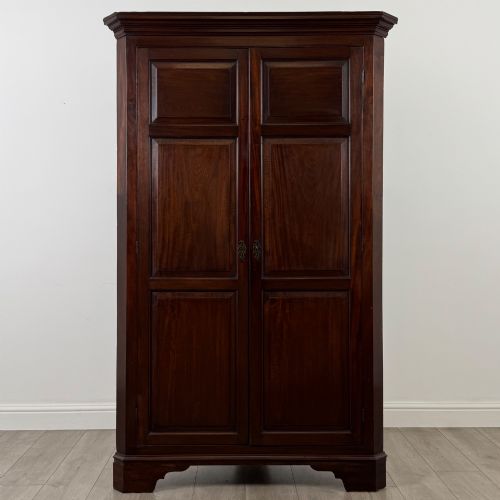
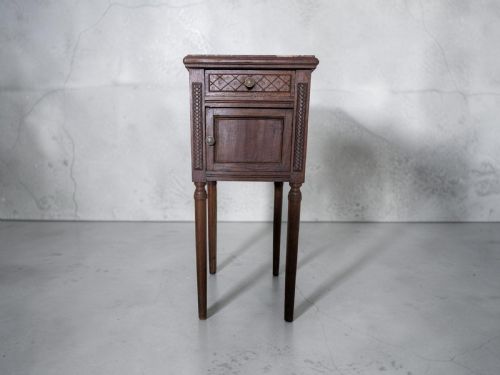
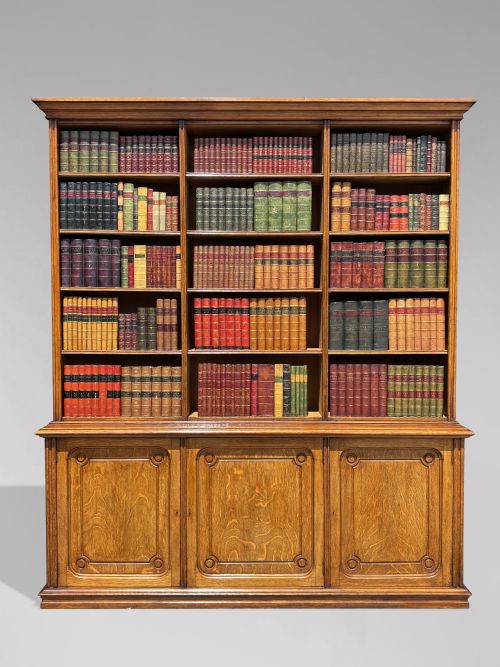
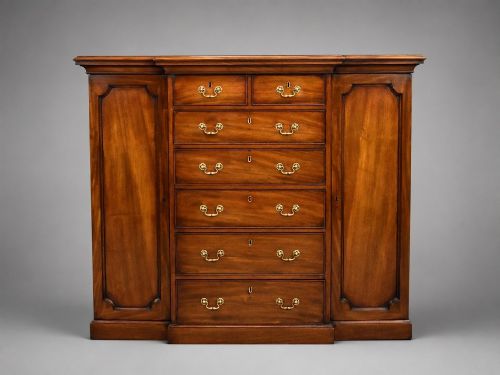
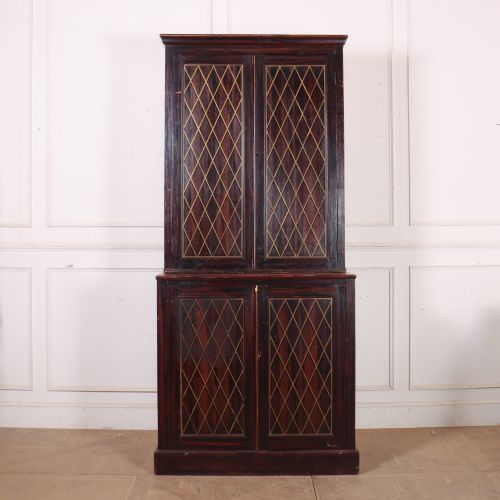
Tall Wooden Cupboard
A tall wooden cupboard provides serious vertical storage while anchoring a room with genuine period timber.
Tall Wooden Cupboard
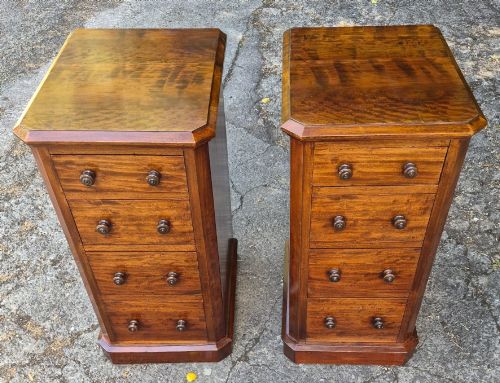
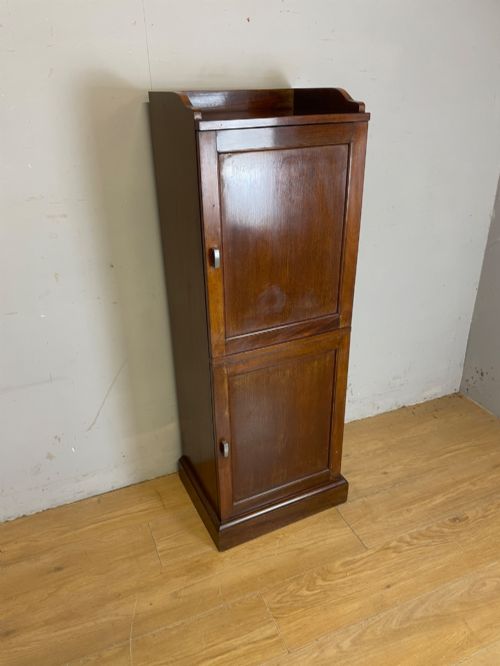
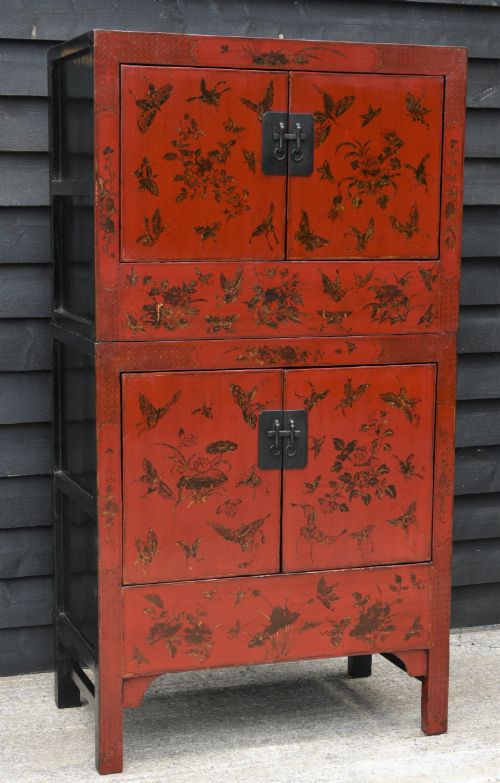
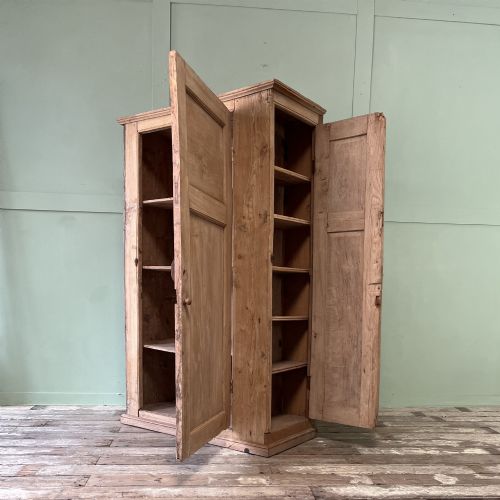
A tall wooden cupboard spans centuries of utilitarian and formal cabinet-making, ranging from Georgian mahogany bookcases to Victorian pitch pine storage pieces and painted kitchen housekeeper's cupboards. Buyers searching for a tall wooden cupboard encounter pieces built for specific domestic roles, including linen presses, hall wardrobes, food cupboards, and music cabinets. Many examples originate from British workshops, alongside select Scandinavian, French, and Indian pieces that bring distinct regional proportions to the form.
The selection on this page relies heavily on nineteenth-century and early twentieth-century examples, with significant representation from the Victorian and Georgian eras. Timber choices vary from dense native hardwoods like oak and elm to imported mahogany, alongside practical softwoods such as painted and waxed pine. While some items present open shelving or glazed doors, the core form remains a vertical storage unit designed to maximise floor space through height.
Materials and construction methods
Cabinet-makers relied on solid hardwoods like mahogany, oak, and elm for structural integrity, often pairing them with secondary softwoods such as pine for internal shelving and panels. Workshops utilised traditional joinery techniques, including dovetail joints for drawer construction and mortise and tenon frames for heavy doors.
Surface finishes reflect the period and intended use, ranging from polished French polish on high-status mahogany and burr walnut to practical painted or waxed coatings on pine and kitchen furniture. Iron and brass hardware, from strap hinges to drop handles, fastened the doors and drawers while adding functional detail.
Listings feature woods spanning mahogany, pine, oak, elm, teak, and maple, paired with brass and iron hardware.
Distinguishing grades of craftsmanship
Quality rests upon the selection of timber and the precision of the joinery rather than mere age. Superior pieces display carefully matched grain patterns, such as figured walnut or flame mahogany veneers, alongside tight, hand-cut dovetails that hold firm over centuries of daily use.
Hardware and internal fittings reveal the original tier of production, distinguishing bespoke pieces commissioned from known designers from standard regional workshop output. Original backboards, functioning locks with period keys, and well-fitted doors that hang true without sagging separate standard utility storage from fine cabinet work.
GM Elwood for JS Henry·Betty Joel
The Tall Wooden Cupboard Glossary
- Linen Press
- A tall two-part cupboard featuring upper sliding trays or shelves enclosed by doors, positioned above a base of wider drawers. This form kept textiles clean and pressed before the widespread adoption of fitted wardrobes.
- Corner Cabinet
- A storage piece specifically designed to fit ninety-degree room angles, saving floor space while displaying or concealing contents. These units appear in hanging single-door formats or taller two-part floor standing versions.
- Bookcase
- A piece of furniture containing horizontal shelves for storing books, frequently enclosed by timber or glass panelled doors. Tall variants integrate lower cupboard sections for supplementary enclosed storage.
- Pine
- A softwood derived from coniferous trees that served as an economical material for painted or waxed vernacular furniture. It appears frequently in kitchen, pantry, and regional farmhouse storage pieces.
- Mahogany
- A durable, reddish-brown tropical hardwood prized by cabinet-makers for its stability and fine grain. It dominated formal British furniture production throughout the eighteenth and nineteenth centuries.
Tall Wooden Cupboard: Frequently Asked Questions
How do I choose the right size?
Measure your ceiling height and floor clearance carefully before browsing, as these vertical units leave little room for error in tight hallways or low-ceilinged rooms.
Take into account the swing path of the doors and whether crown moulding adds extra width at the top of the piece.
Can these cupboards support heavy books?
Solid hardwood shelves in nineteenth-century bookcases and cabinets handle substantial weight, but softwood or very long shelves may sag over time if overloaded.
Inspect the shelf supports and thickness to determine whether the interior suits your specific storage requirements.
How do I care for antique timber?
Keep wooden furniture away from direct heat sources and dramatic humidity shifts to prevent the timber from warping or splitting.
Apply a microcrystalline wax periodically to nourish the surface finish without building up greasy residue.
Are painted finishes original?
Many kitchen and country pieces received layers of paint during their working lives, and old painted surfaces often carry significant historic character.
Examine the edges and wear patterns to distinguish early paint layers from more recent decorative updates.