
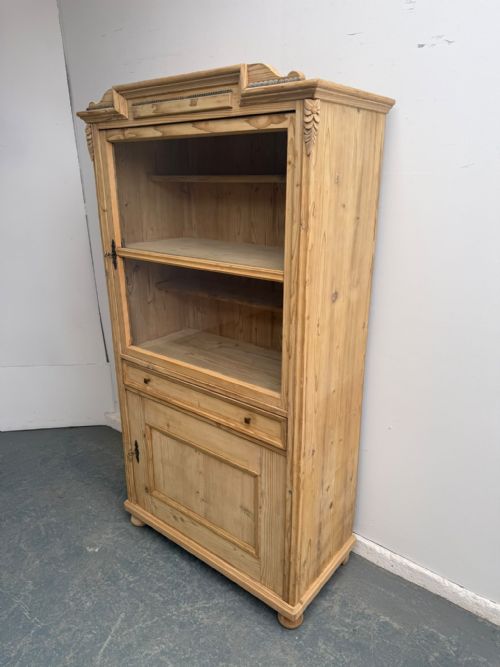
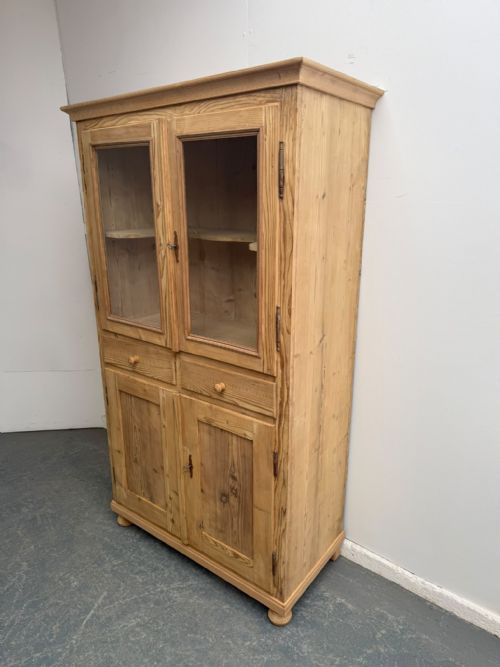
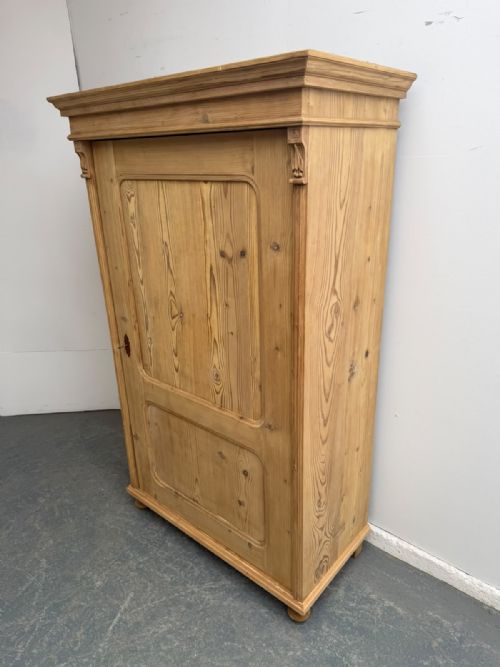
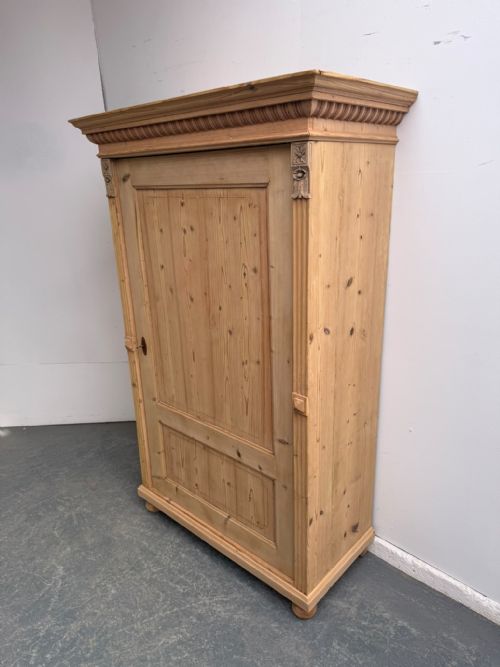
Natural Wood Cupboard
Natural wood cupboard pieces are honest storage essentials built from pine, oak, teak and ash that bring warmth and practical utility to any room.
Natural Wood Cupboard
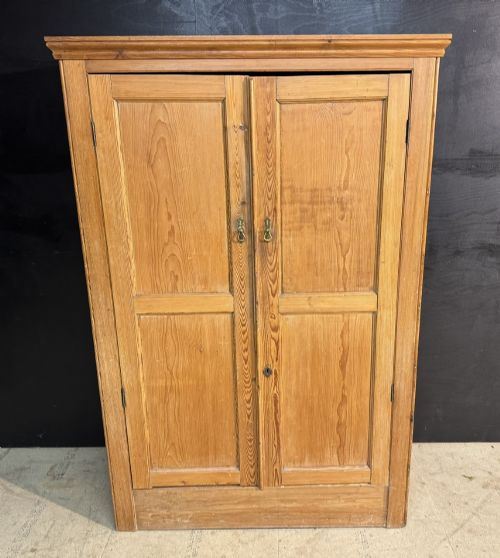
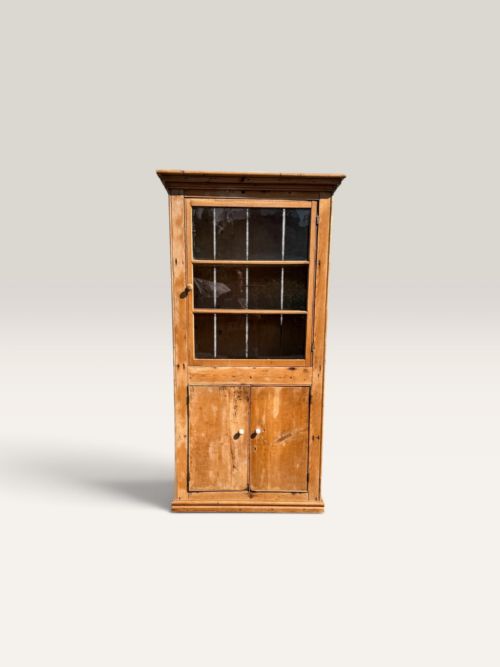
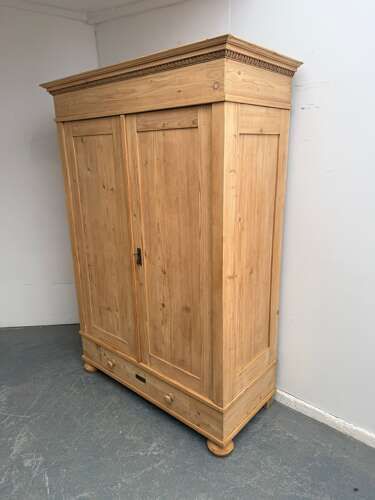
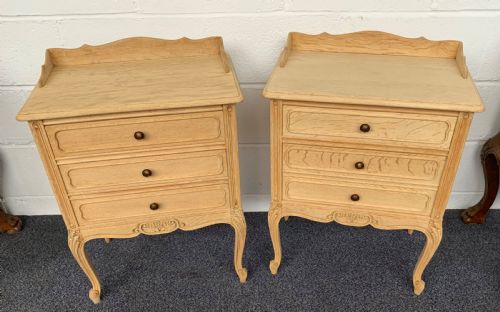
A natural wood cupboard provides functional storage through a range of forms including larder cupboards, bedside cabinets, linen presses, display cases and wardrobes. These items appear across multiple periods, spanning Georgian, Victorian, Edwardian and early twentieth-century eras, reflecting diverse regional styles from French provincial to rustic farmhouse.
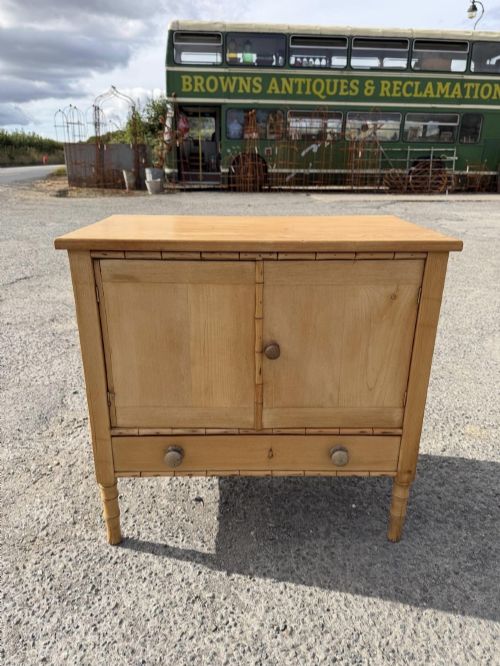
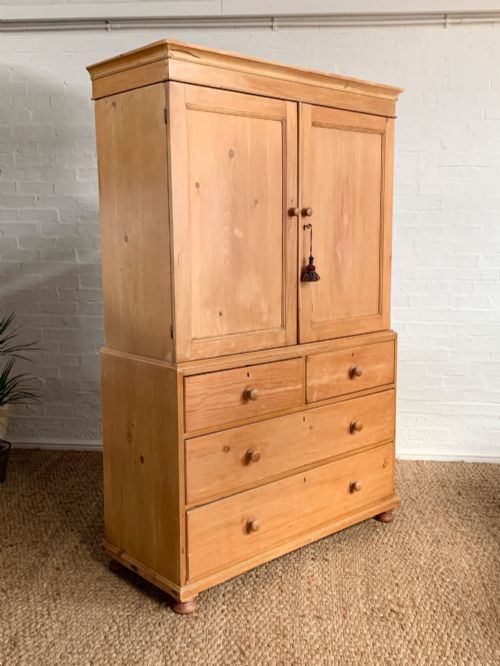
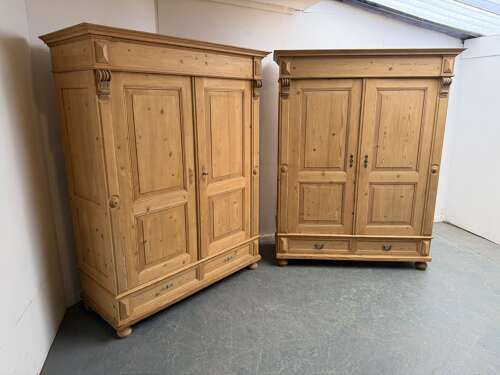
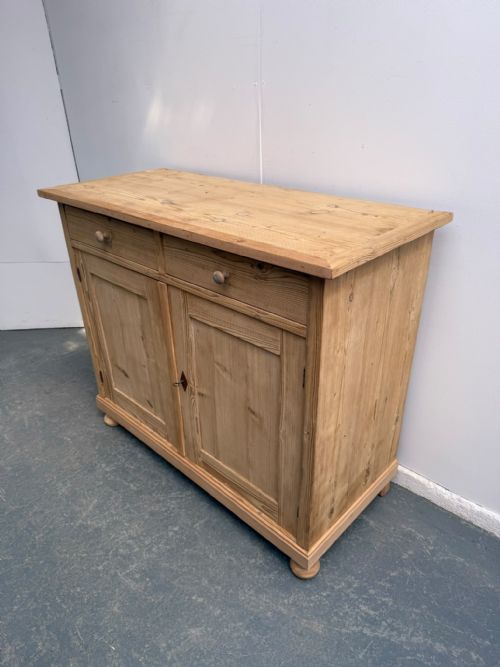
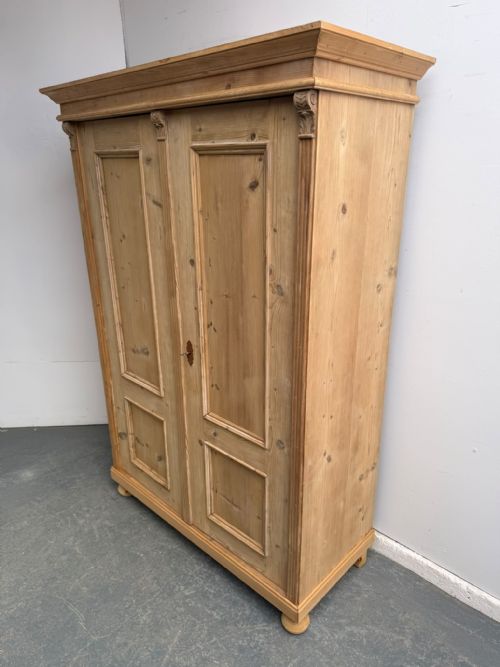
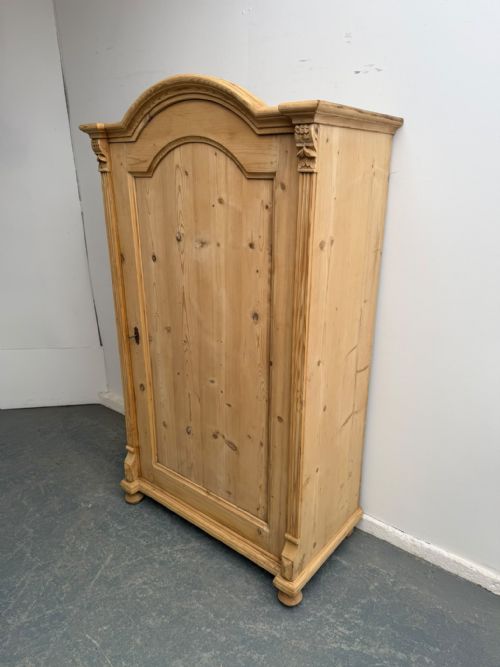
Buyers seeking a natural wood cupboard will most frequently encounter nineteenth-century pine examples, often stripped or prepared for waxing and painting. These domestic pieces serve as versatile storage solutions, ranging from compact single-door bedside cabinets to tall double-door wardrobes and dresser bases with multiple drawers.
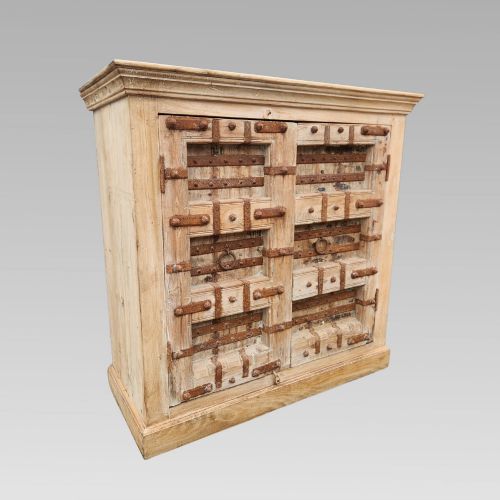
The selection includes international forms alongside British items, featuring Japanese larder cupboards, Indian reclaimed teak storage units and French armoires. Such variety ensures that a natural wood cupboard adapts easily to different interior schemes while maintaining its original utilitarian character.
Construction and Materials
Makers utilised solid timbers predominantly, with pine, oak, teak, pitch pine, chestnut and ash forming the primary structures. Construction techniques encompass panelled doors, knockdown frames designed for easy assembly, and carved detailing applied to vernacular furniture.
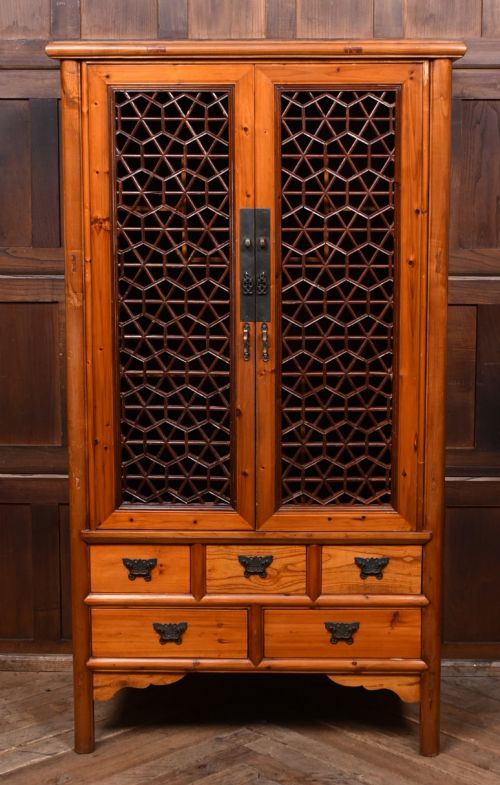
Hardware details incorporate brass and iron hinges, latches and pulls, while glass panels appear on glazed display cabinets and corner units. Interiors often retain original painted finishes or bare wood surfaces ready for waxing.
Joinery methods reflect the period and origin, from traditional British country house cabinet-making to Japanese kitchen tansu construction and Indian reclaimed timber framing. Surfaces show the natural grain of the wood, whether left untreated, stripped of later coats or polished.
The inventory bridges British country vernacular forms with international pieces including Japanese kitchen tansu and French armoires.
Assessing Quality
Quality rests upon the integrity of the timber selection and the retention of original structural elements such as panelled doors, drawers and internal shelving. Pieces that maintain their original hardware, glass panes and fitted interiors demonstrate higher grade craftsmanship.
The sophistication of the construction distinguishes standard domestic items from finer examples, such as George III bookcases or intricately carved Hungarian dresser bases. Clean lines, well-fitted knockdown mechanisms and balanced proportions elevate the status of utility furniture.
Condition and finish play a vital role, where original painted interiors or well-executed historical surfaces contrast favourably with unsympathetic alterations. The harmony between timber selection and functional design governs the overall standard.
The Natural Wood Cupboard Glossary
- Larder cupboard
- A tall storage unit originally designed for food preservation, typically featuring ventilated doors or panelled construction.
- Knockdown wardrobe
- A large wardrobe designed to be dismantled into sections using pegs or bolts for transport and installation in domestic chambers.
- Chifferobe
- A hybrid piece of furniture combining the hanging space of a wardrobe with the drawer storage of a chest.
- Mizuya
- A traditional Japanese kitchen tansu used for storing utensils, provisions and tableware.
- Dresser base
- A low sideboard unit featuring cupboards and drawers, historically used for food preparation and serving.
Natural Wood Cupboard: Frequently Asked Questions
How do I care for stripped pine?
Stripped pine benefits from regular application of beeswax to nourish the dry timber and maintain a soft sheen. Avoid placing the furniture in direct sunlight or near heat sources to prevent warping.
Cleaning should be done with a soft, dry cloth rather than water or harsh chemical sprays, which can strip the natural oils from the wood surface.
Can knockdown wardrobes be moved easily?
Knockdown wardrobes were specifically engineered to be disassembled into flat panels and components, making them practical for moving between rooms or properties. This historical design allows large storage units to navigate narrow staircases and tight doorways.
Assembly typically involves interlocking wooden joints or simple iron fixings that require basic tools to secure.
What is the difference between a chiffonier and a sideboard?
A chiffonier is generally a compact sideboard featuring enclosed cupboards below and often a small shelf or tier above, popular in Victorian settings. Sideboards tend to be longer, lower pieces designed primarily for dining room service and storage.
Both forms utilise drawers and cupboards, but the chiffonier evolved specifically for smaller parlour and sitting room storage needs.
Are these pieces suitable for modern kitchens?
Antique larder cupboards and dresser bases integrate well into modern kitchens as freestanding pantries or crockery storage units. Their deep shelves and drawer compartments accommodate modern kitchenware while adding distinct architectural character.
Many examples offer adjustable shelving or flexible internal configurations to suit contemporary storage requirements.