







Architectural Carved Cabinet
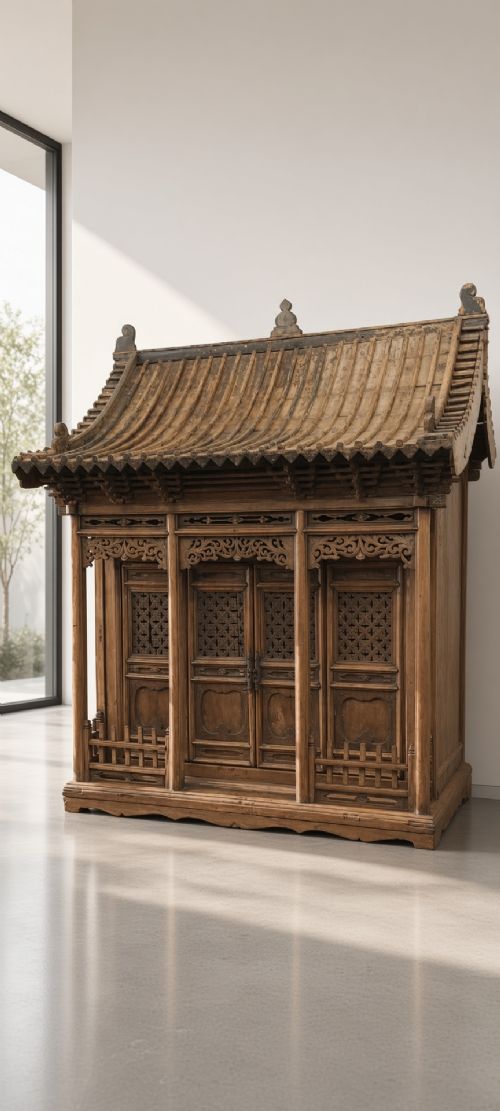
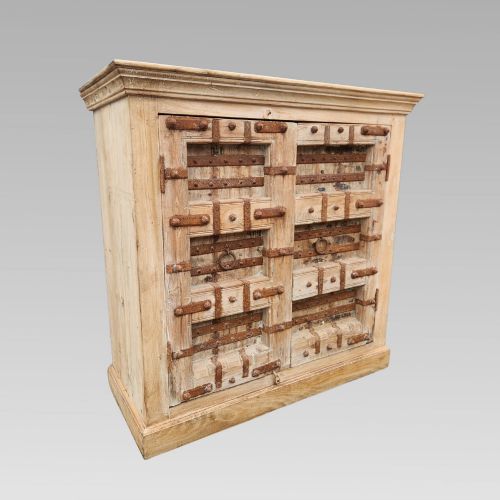
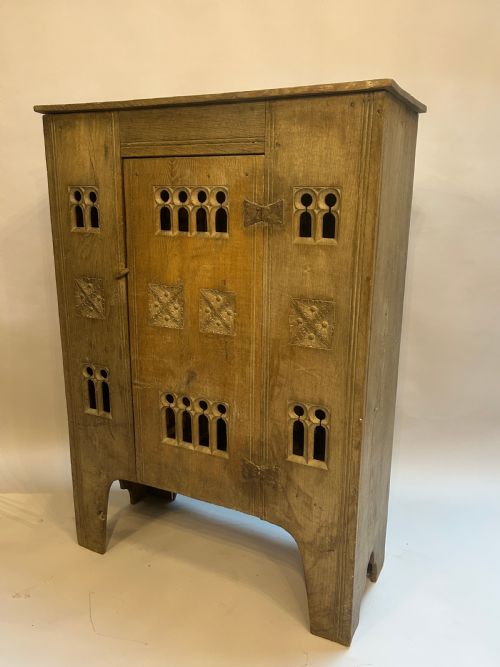
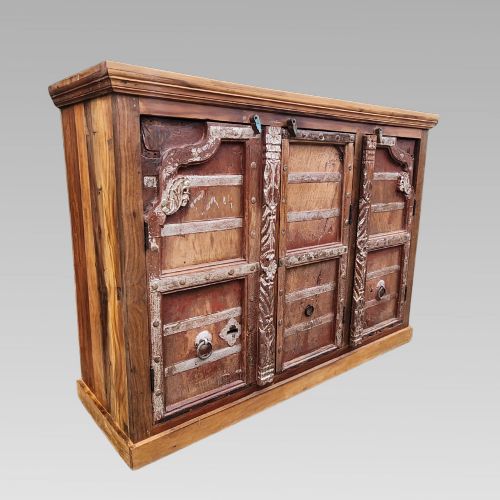
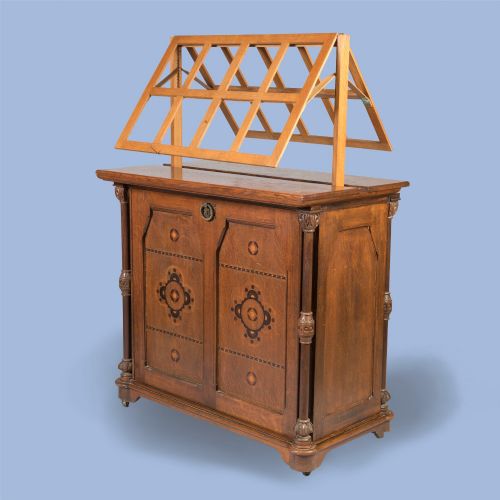
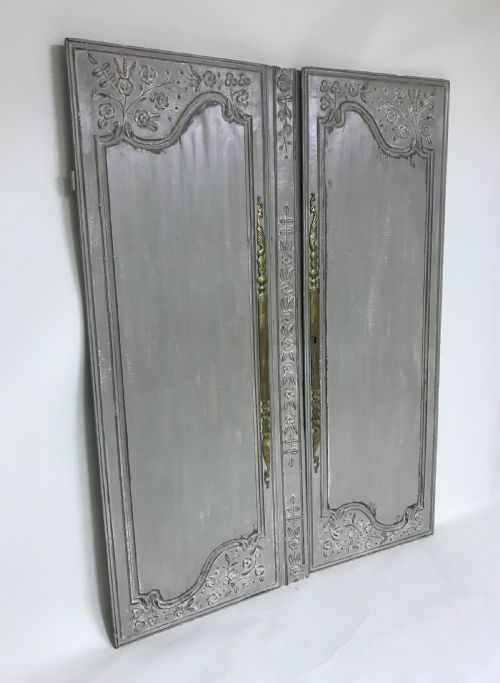
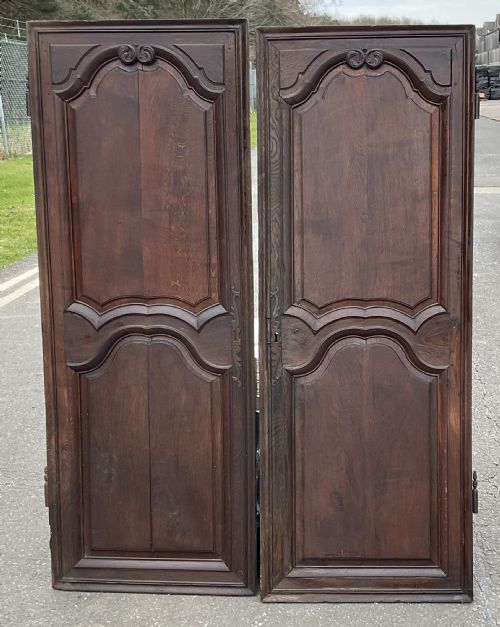
These architectural carved cabinets and related panels bring substantial historic form and deep relief carving into a room.
Architectural Carved Cabinet
An architectural carved cabinet brings distinct structural presence into a room, drawing on centuries of joinery and sculptural woodwork. When searching for an architectural carved cabinet, a buyer encounters pieces ranging from tall storage cupboards to repurposed doors and bookcases.
The evidence shows examples spanning the eighteenth and nineteenth centuries up to the early twentieth century. Common forms include oak linenfold panels, tall cupboards in teak or pine, and substantial bookcases reflecting regional styles.
Origins vary widely across the inventory, encompassing French provincial work, traditional Indian storage pieces, Chinese shrines, and Gothic revival designs. Buyers are most likely to meet oak and walnut bookcases or cabinets alongside reclaimed teak storage cupboards.
How they were made
Construction relies heavily on sturdy timbers such as oak, walnut, teak, pine, and elm, often joined using traditional framing and panel techniques. Iron and brass hardware such as hinges and handles frequently secure the heavy doors and fitted interiors.
Carving is executed directly into the solid wood, creating deep relief panels, linenfold motifs, or elaborate architectural mouldings. Surface treatments range from natural waxed wood finishes to applied paint and intricate wood inlay.
Several listings include heavy architectural doors ready to stand in for walls.
What varies in quality
The depth and crispness of the hand carving separate standard production work from exceptional craftsmanship. Sharply defined relief work on architectural elements indicates superior skill by the maker.
The choice of primary timber and the integrity of the structural joinery dictate longevity and presence. Solid oak, walnut, and teak retain their stability and form far better over centuries than softer or more heavily restored woods.
Benjamin Taylor And Sons
The Architectural Carved Cabinet Glossary
- Linenfold
- A style of wood carving that imitates folded linen, commonly seen on fifteenth-century and later panels. It creates a textured, fabric-like surface across flat wooden boards.
- Gothic Revival
- An architectural and decorative style originating in the mid-nineteenth century that draws inspiration from medieval buildings. Pieces in this style often feature pointed arches and heavy tracery.
- Architectural Salvage
- Building components or fittings rescued from demolished structures for reuse in interior design. This category includes carved doors, paneling, and structural fragments.
- Folio Cabinet
- A specialised piece of furniture designed for storing large sheets of paper, prints, or drawings. These cabinets typically feature shallow, wide drawers or upright compartments.
Architectural Carved Cabinet: Frequently Asked Questions
What is an architectural carved cabinet?
An architectural carved cabinet is a storage piece incorporating structural elements like columns, pediments, or deep relief carvings. These items draw heavily on historic building designs to create a commanding presence in a room.
They function as bookcases, display units, or cupboards while serving as sculptural focal points due to their intricate woodwork.
How do I date an antique cabinet?
Dating relies on examining the timber species, construction joints, hardware, and stylistic motifs present in the piece. Eighteenth-century examples often display hand-sawn timber marks and pegged joinery.
Nineteenth-century pieces frequently incorporate revival styles such as Gothic or Italian Baroque, utilising machine-assisted elements alongside traditional hand carving.
Where were these cabinets made?
The inventory reveals a diverse geographical spread, including pieces originating from France, Britain, India, and China. Each region imparted local timber choices and distinct vernacular carving traditions onto the furniture.
French provincial pieces often feature walnut and painted finishes, whereas Indian examples frequently utilise reclaimed teak.
How do I care for antique wood?
Antique wood requires stable environmental conditions away from direct heat sources and drastic humidity shifts. Regular dusting with a soft, dry cloth preserves the original patina without stripping the surface.
Periodic application of appropriate wax helps nourish older timbers like oak, walnut, and teak, keeping the grain protected.