

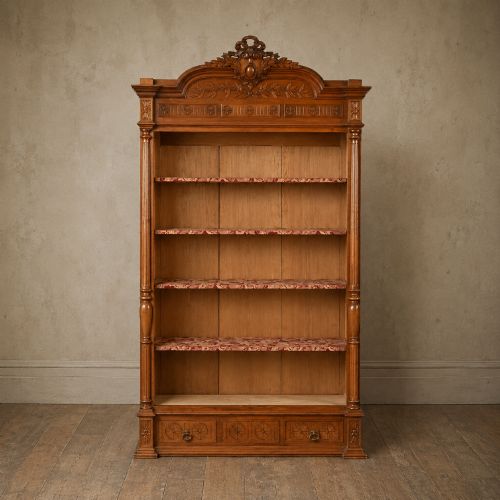
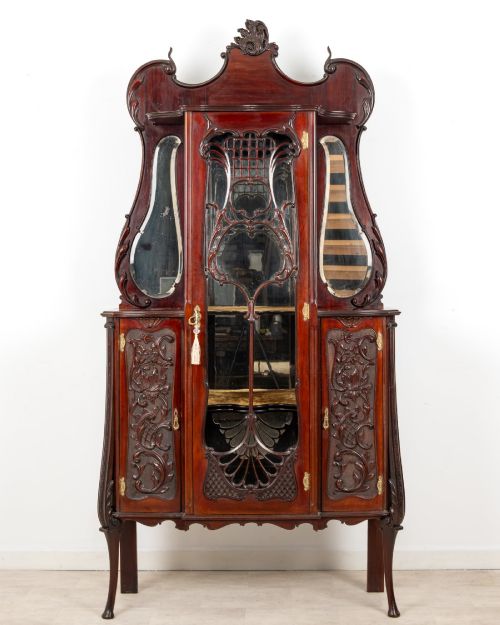
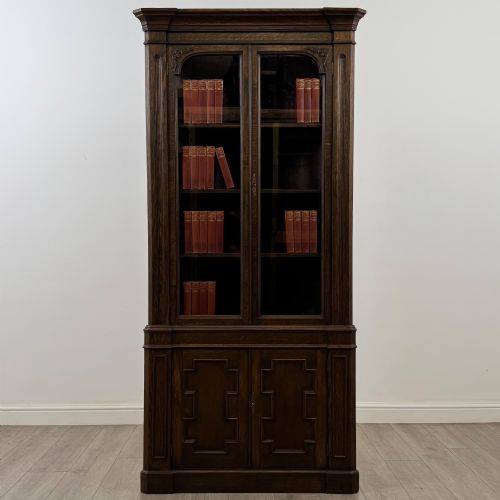
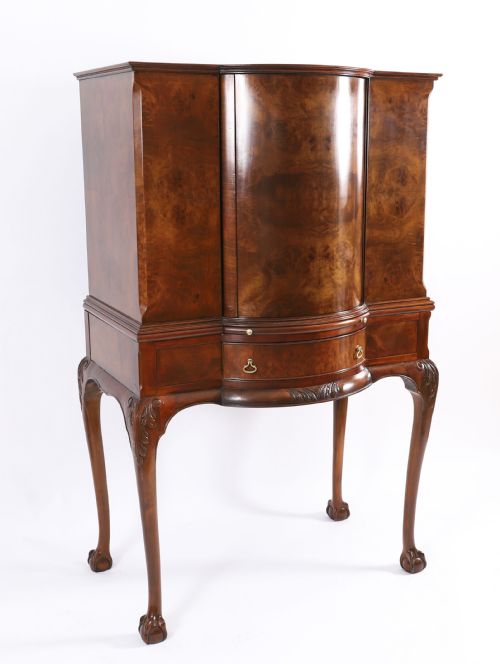
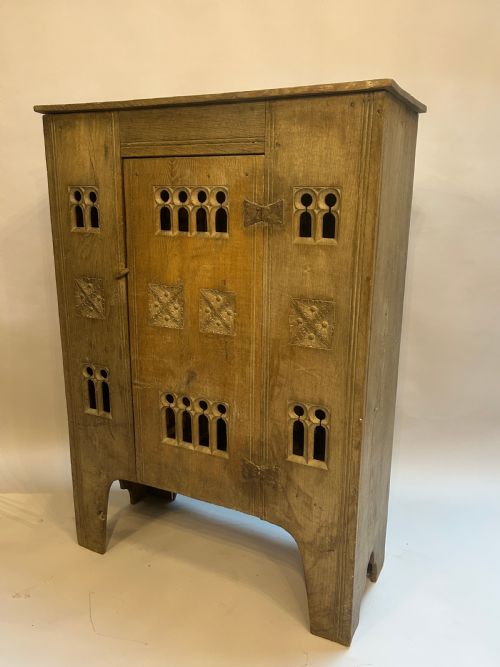
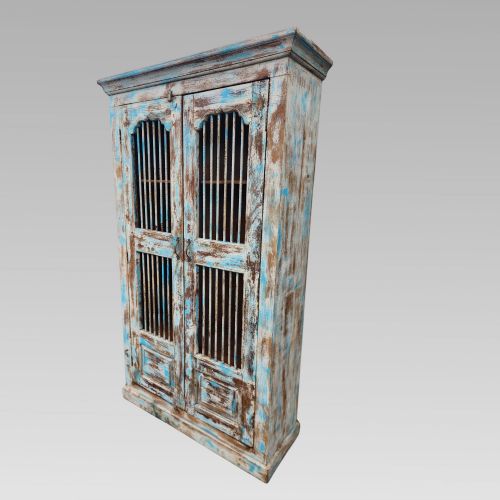
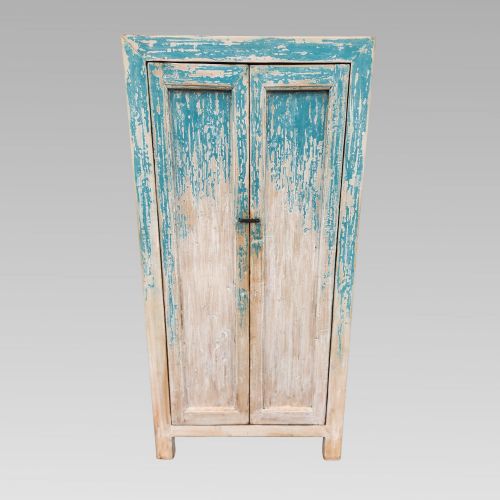
Freestanding Wood Cabinet
A freestanding wood cabinet brings utility and presence to a room, offering adaptable storage shaped across centuries of cabinet-making.
Freestanding Wood Cabinet
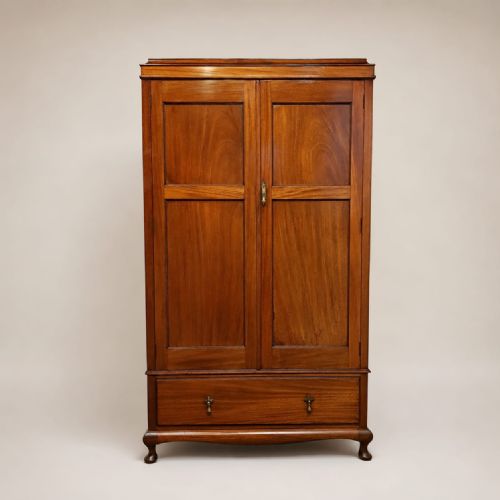
A freestanding wood cabinet is a movable piece designed for storage or display, encompassing diverse forms such as display cabinets, bookcases, corner units, wardrobes, and drinks cabinets. When exploring a freestanding wood cabinet selection, buyers encounter pieces spanning from the 18th century to the 1930s, reflecting periods including the Victorian, Edwardian, and Georgian eras.
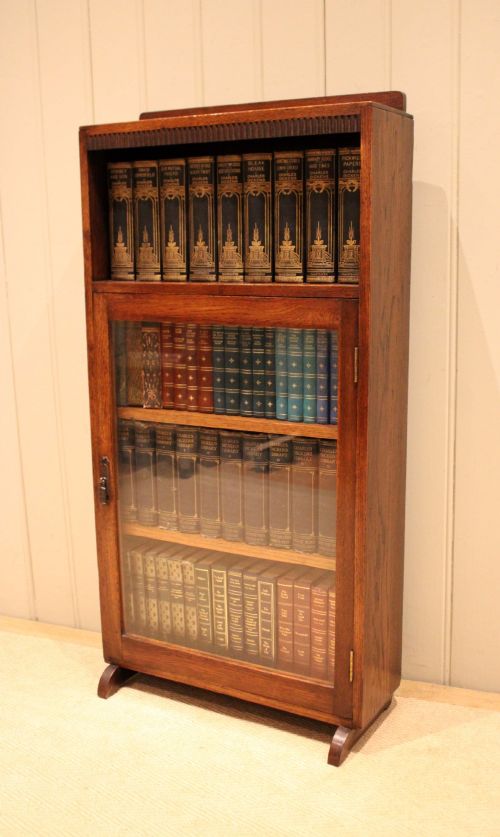
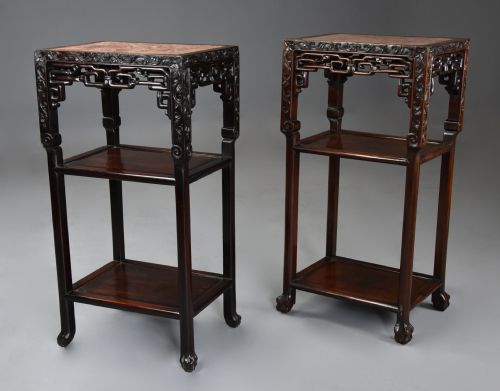
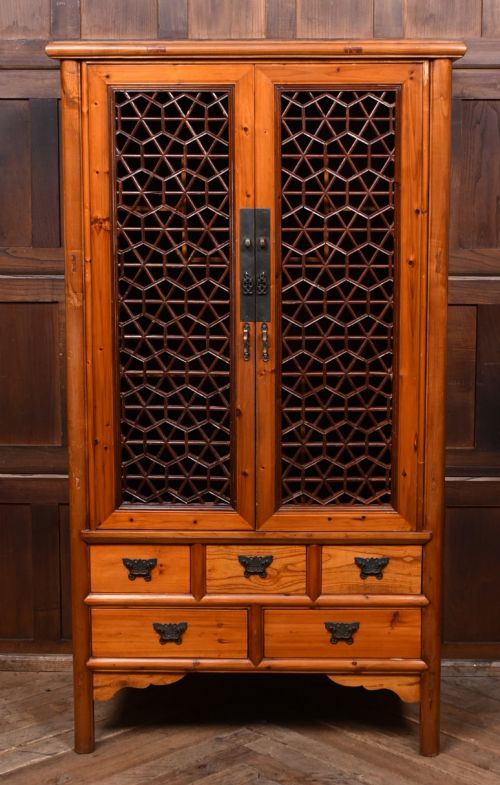
The objects take many functional shapes, from tall bookcases and larder cupboards to compact bedside cabinets and music cabinets. Regional and international influences appear alongside British traditions, including French, Japanese, and Chinese pieces.
Construction materials vary widely across the selection, providing options suitable for different interior schemes and functional needs.
How they were made
Makers utilised a variety of solid timbers and veneers, working primarily in mahogany, walnut, oak, and pine, alongside rosewood, birch, satinwood, kingwood, and cedar. Metal fittings in brass and iron provide structural support and opening mechanisms.
Glass panels feature in display cabinets and bookcases, while marble tops appear on specific bedside and side pieces. Surface finishes range from natural wax and polish to painted treatments.
Listings span eight distinct periods from the 18th century through to the 1930s.
What varies in quality
Quality rests in the selection of timber, such as flame mahogany or burr walnut, and the precision of joinery used to construct the frame. Timber selection dictates how a piece ages and how well decorative grains are displayed across larger surfaces.
Secondary details, including carved ornamentation, inlay work, and original glass or brass hardware, separate standard utility pieces from finer examples.
U Phone of Leeds
The Freestanding Wood Cabinet Glossary
- Vitrine
- A glass-fronted display cabinet used for porcelain and decorative objects. These pieces often feature glazed sides to maximise light penetration.
- Davenport
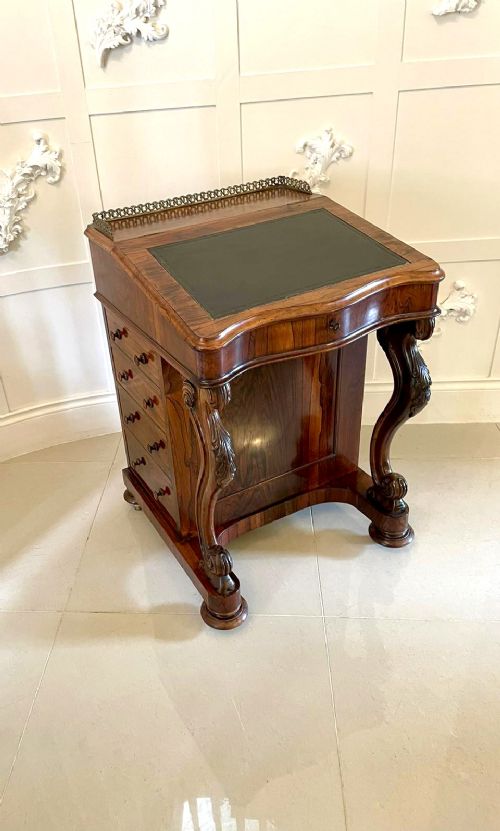
- A small desk featuring a sloping writing surface above a pedestal of drawers. It typically incorporates small compartments for stationery.
- Corner cabinet
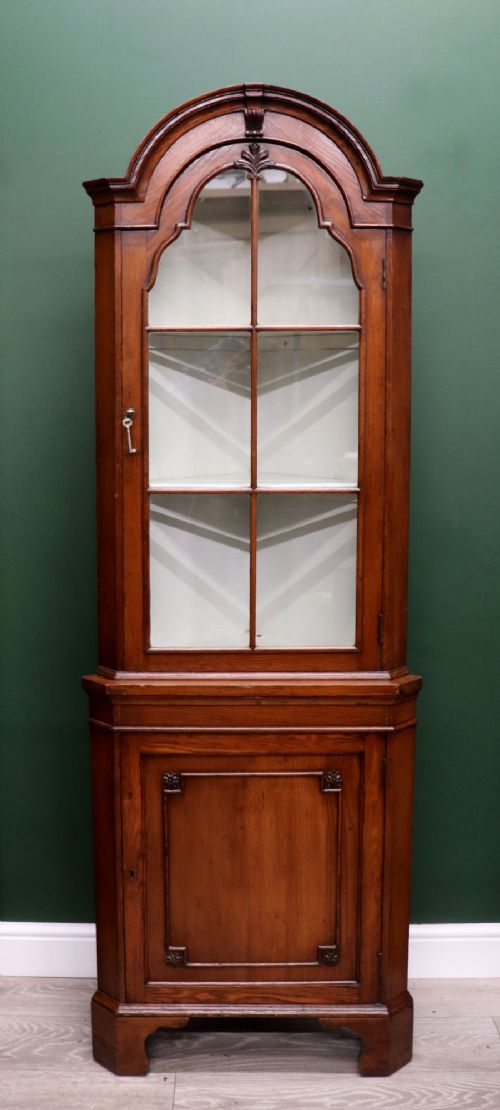
- A storage unit built or shaped to fit neatly into the corner of a room. These utilise otherwise wasted space.
- Larder cupboard
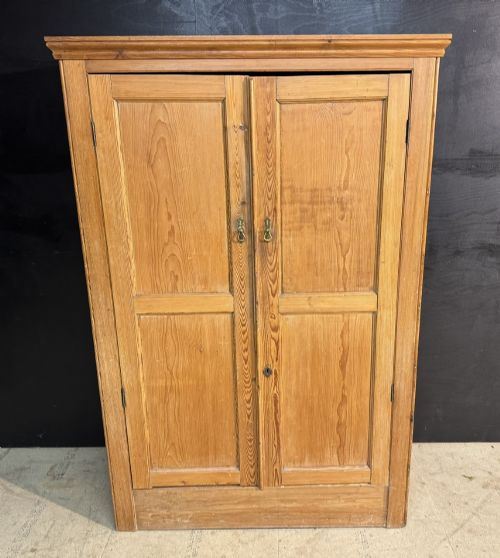
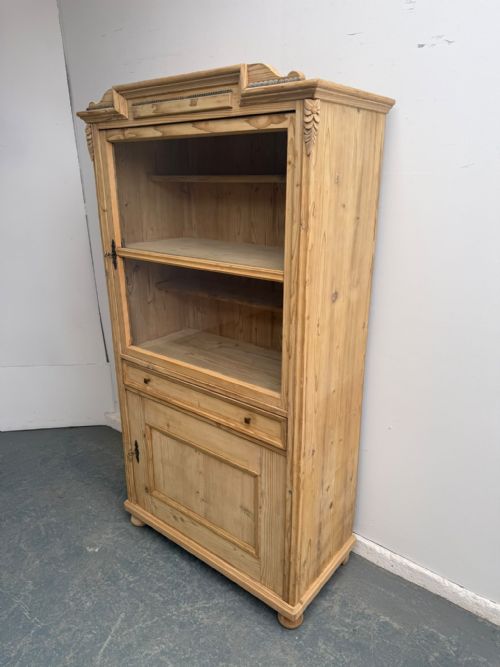
- A tall storage piece traditionally used for food provisions, often featuring panelled doors and internal shelving. They provide substantial upright storage capacity.
Freestanding Wood Cabinet: Frequently Asked Questions
Where do I place a corner cabinet?
A corner cabinet fits into unused room junctions, making efficient use of floor space while introducing display or storage capacity.
Measuring the adjoining wall angles ensures the unit sits flush against both surfaces without obstructing surrounding furniture.
How do I use a drinks cabinet?
Drinks cabinets function as dedicated stations for glassware and bottles, often incorporating fold-down surfaces for serving.
Many examples include interior mirrors and specialised shelving designed to hold bottles securely.
Can I use a larder cupboard in a living room?
Larder cupboards provide substantial enclosed shelving suitable for books, linens, or general household storage in any room.
Their deep proportions accommodate bulky items while keeping interiors hidden behind solid doors.
How do I care for antique wood surfaces?
Regular dusting with a dry cloth prevents particle buildup, while periodic waxing maintains the moisture balance of the timber.
Keeping wooden furniture away from direct heat sources and strong sunlight prevents warping and fading.