


Scandinavian Painted Armoire
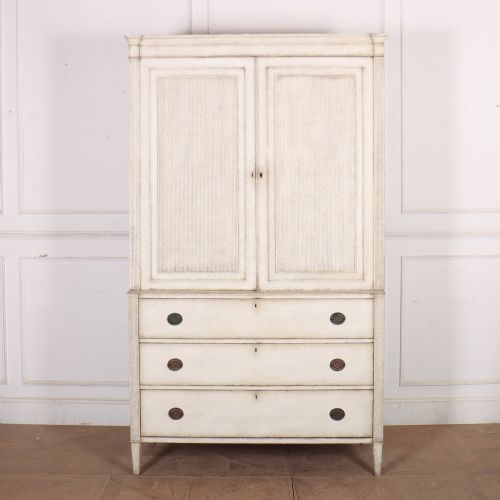
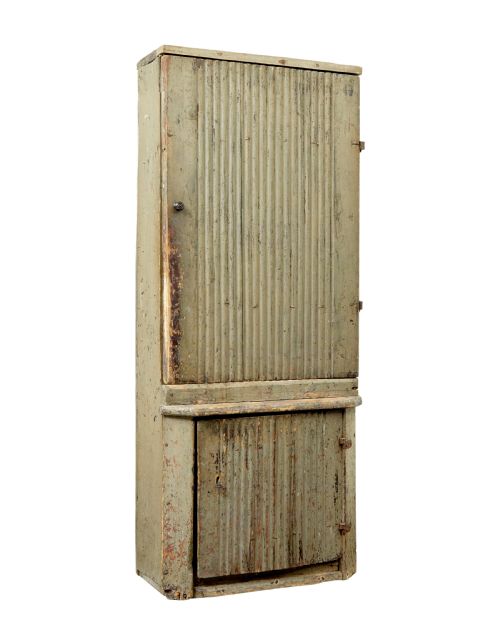
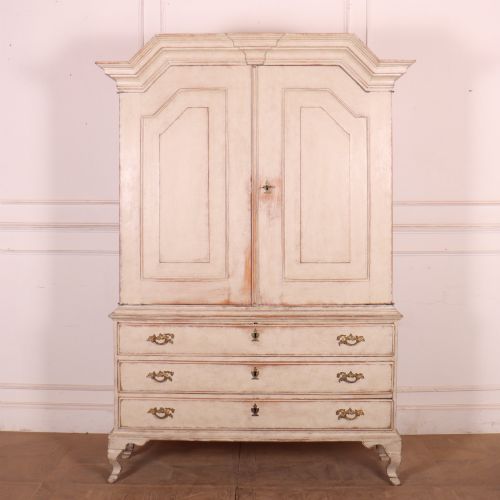
These scandinavian painted armoire listings offer robust storage built from pine, bearing layers of historic paint.
Scandinavian Painted Armoire
A scandinavian painted armoire brings practical storage and regional character to a room. Buyers searching this phrase will find linen cupboards, kitchen cabinets, and hall wardrobes spanning the eighteenth and nineteenth centuries.
The pieces listed here originate from Sweden, the Baltic region, and wider Northern Europe. Most examples follow traditional forms like two-door linen cupboards and cupboards on stands, shaped by regional folk art and Gustavian design.
Pine is the primary wood used across these cabinets, finished with hand-applied paint, mineral paint, or ragwork. Surviving examples reflect both rustic country workshops and more refined neoclassical aesthetics.
How they were made
Carpenters constructed these cupboards using solid pine, joined with pegged framing and traditional hand tools. Iron and brass hardware, including hinges and locks, secured heavy double doors.
Surfaces were prepared with ground layers before receiving coats of paint or mineral paint. Artisans often applied decorative folk art motifs or ragwork techniques to create textured, coloured finishes.
What varies in quality
The standard of a scandinavian painted armoire rests on the integrity of its timber and the preservation of its original painted surface. Untouched historic paint finishes hold greater interest than later overpainting.
Proportion and decorative detail distinguish finer pieces, such as Gustavian cabinets, from simpler rustic country cupboards. The presence of original iron or brass hardware also contributes to the integrity of the piece.
The Scandinavian Painted Armoire Glossary
- Gustavian
- The Swedish neoclassical style spanning the late eighteenth and early nineteenth centuries. It takes inspiration from French court taste but adopts a restrained, lighter interpretation.
- Ragwork
- A decorative painting technique where rags or cloths are used to apply colour and create mottled patterns on wooden surfaces. This method produced textured finishes common in folk art furniture.
- Linen cupboard
- A tall storage cabinet designed specifically to hold household textiles and bed linens. These pieces often feature deep interior shelving and double doors.
- Mineral paint
- A durable, matte paint type formulated from natural minerals and pigments. It adheres directly to porous wood surfaces like pine.
- Armoire
- A large freestanding wardrobe or cupboard used primarily for clothing storage. Northern European examples frequently incorporate robust double doors and internal hanging space or shelves.
Scandinavian Painted Armoire: Frequently Asked Questions
How do I use a painted cupboard today?
These cabinets provide deep storage for clothing, linens, or tableware in bedrooms and living spaces. Their generous proportions make them practical alternatives to modern wardrobes.
Place them away from direct heat sources to protect the historic pine timber and painted surfaces from drying out or splitting.
Are these cabinets difficult to move?
Most pieces are built from solid pine and constructed as single large units, though some feature removable upper cornices or sit on separate stands. It pays to check whether the doors lift off their hinges for easier access through doorways.
Enlisting professional antique movers ensures the heavy timber frame and delicate paintwork remain protected during transit.
How do I date a painted Scandinavian cupboard?
Dating relies on observing construction methods, timber preparation marks, and stylistic indicators such as Gustavian mouldings or folk art motifs. Eighteenth-century pieces often display hand- forged ironwork and deeper patination.
Nineteenth-century examples frequently incorporate brighter mineral paint colours or traditional ragwork patterns typical of rural workshops.
How do I care for historic painted wood?
Dust the surface regularly with a dry, soft cloth to prevent dirt accumulation on the painted finish. Avoid using modern chemical polishes or abrasive cleaners that can strip historic layers.
Maintain a stable room humidity level to prevent the pine from expanding or contracting, which preserves both the wood joints and the paint.