
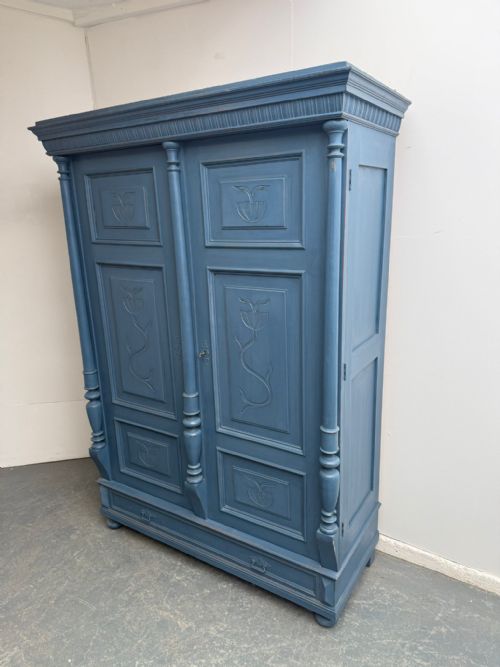


Vintage Blue Linen Press
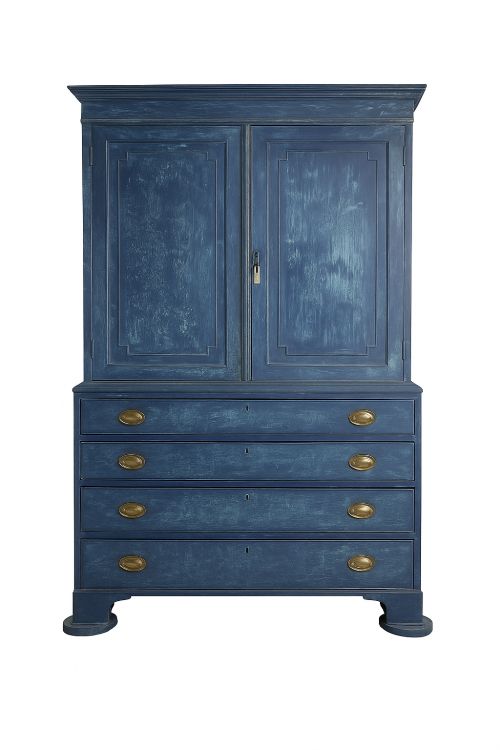
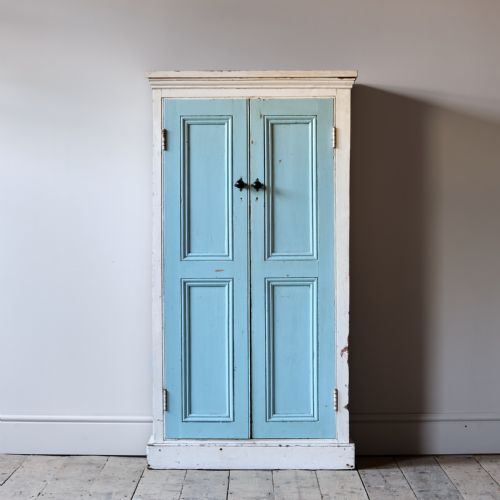
A vintage blue linen press brings centuries of practical storage and painted character into a room with genuine presence.
Vintage Blue Linen Press
A vintage blue linen press encompasses substantial storage cupboards, housekeepers cupboards, and painted wardrobes originating from nineteenth-century English, Scandinavian, and Hungarian traditions. These pieces combine deep storage capacity with surface paint, frequently appearing in forms like kitchen cabinets and cupboards on stand.
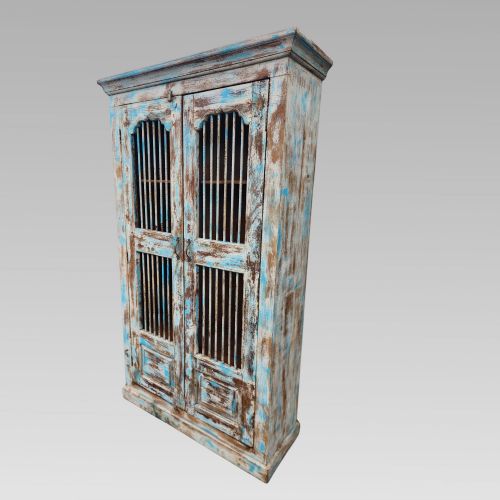
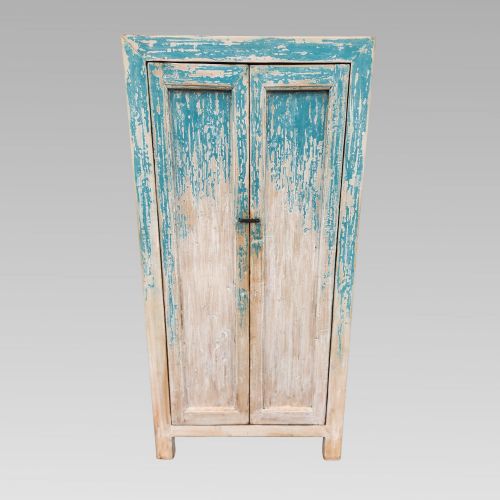
Buyers searching for this phrase often meet nineteenth-century painted pine, Baltic timber, or reclaimed teak structures finished in blue paint. Styles range from Gustavian and Scandinavian folk art to rustic Indian and English country furniture.
How they were made
These pieces rely on solid timber construction using pine, cedar, and reclaimed teak, assembled with traditional joinery suited to heavy domestic storage. Iron and brass fittings provide structural reinforcement and functional hardware across doors and drawers.
Surface treatment defines the aesthetic, featuring applied layers of paint often weathered over time. Carving and painted folk motifs appear on select regional examples, notably from Hungarian and Scandinavian workshops.
Listings feature nineteenth-century pieces alongside 1930s reclaimed teak and cedar examples from English, Scandinavian, and Indian traditions.
What varies in quality
Quality rests in the integrity of the original timber frame and the character of the painted surface rather than uniform factory precision. Pieces featuring undisturbed regional paintwork and well-proportioned architectural cornices command greater appreciation.
The sophistication of regional styling, such as Gustavian restrained carving or Scandinavian folk art detailing, separates standard utilitarian storage from pieces with distinct artistic heritage.
The Vintage Blue Linen Press Glossary
- Linen press
- A large storage cabinet traditionally utilised for folding and storing household linens and garments. These tall pieces often feature interior shelving or hanging space.
- Gustavian
- The Swedish interpretation of French neoclassical style, characterised by restrained elegance, pale painted finishes, and understated carving. It emerged during the late eighteenth century and continued through the nineteenth.
- Cupboard on stand
- A cabinet structure elevated on a distinct base or legs rather than resting directly on the floor. This form lightens the visual weight of heavy timber storage.
- Baltic pine
- Timber harvested from the regions surrounding the Baltic Sea, commonly utilised in nineteenth-century Scandinavian furniture making. It provides a dense, stable grain suitable for painted finishes.
Vintage Blue Linen Press: Frequently Asked Questions
What is a linen press used for?
These large cabinets serve as versatile storage solutions for clothing, linen, and household items. Their deep interior shelves and compartments accommodate bulky textiles efficiently.
Placed in bedrooms or hallways, they introduce both functional capacity and decorative painted colour to an interior.
How do I identify a Gustavian cabinet?
Gustavian pieces display restrained neoclassical lines, often with fluted columns, subtle carved details, and layered painted surfaces. The overall aesthetic leans toward symmetry and understated elegance.
Originating in Sweden, these cabinets balance utilitarian function with refined decorative restraint.
Are these cupboards made of solid wood?
The pieces utilise solid timbers such as pine, cedar, and teak, constructed to withstand heavy daily use. Traditional joinery methods anchor the framework without modern artificial boards.
Visible grain and timber movement reflect the authentic construction methods of nineteenth-century cabinet makers.
How should I care for painted pine?
Painted pine surfaces require simple dusting with a dry cloth and protection from direct sunlight and excessive moisture. Avoid harsh chemical cleaners that might compromise historic paint layers.
Allowing the timber to breathe naturally preserves the character of the painted finish over decades.