


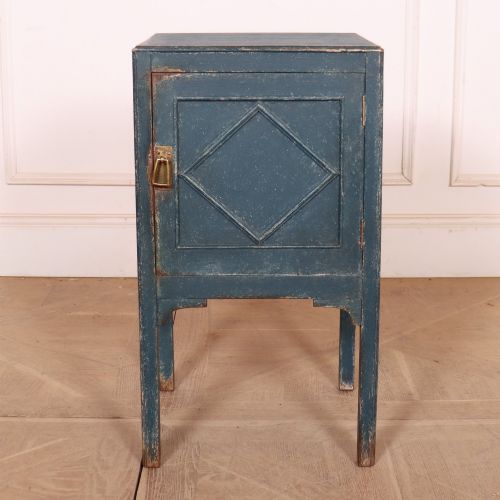
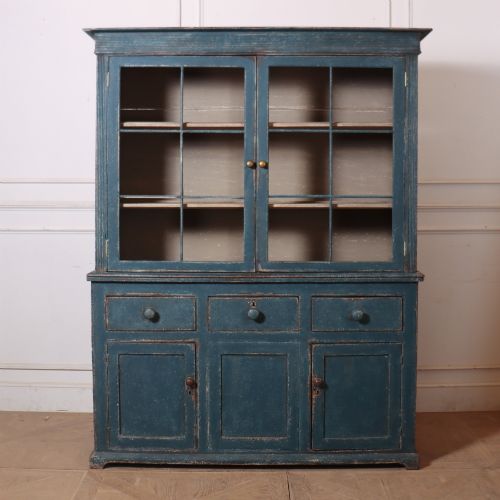
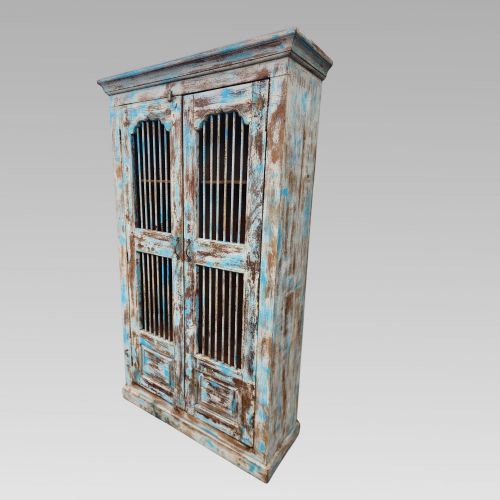
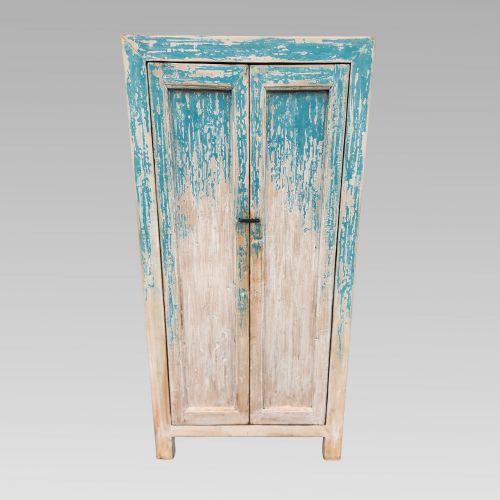




Distressed Blue Cupboard
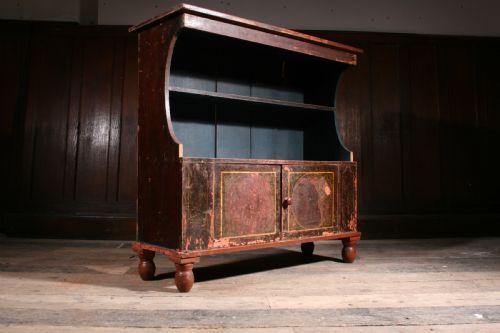
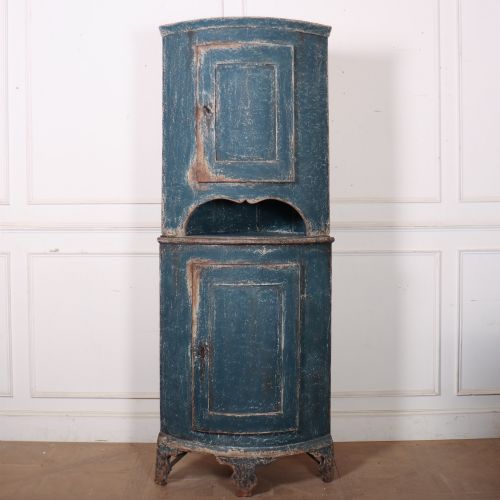
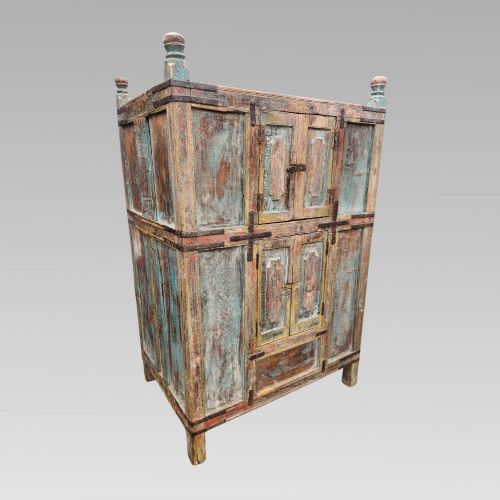
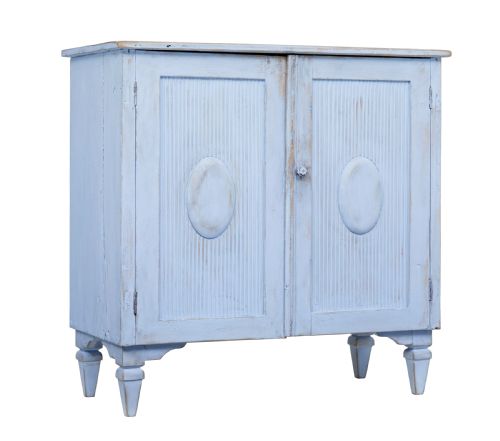
These distressed blue cupboards bring immediate rustic character and storied colour to an interior, drawing on regional vernacular traditions.
Distressed Blue Cupboard
A distressed blue cupboard combines practical storage with a distinctively weathered painted surface, spanning regional traditions from Scandinavian country to English and Welsh vernacular. When searching for a distressed blue cupboard, buyers frequently encounter pieces originating from 18th century, 19th century, and 1930 periods.
The forms vary widely across these regions, ranging from corner cupboards and linen cupboards to kitchen dressers, bedside cabinets, and tall almirah storage cabinets. Swedish folk art and West Country examples dominate the aesthetic, offering single or double doors alongside compact miniature dressers and hanging cupboards.
These items serve as focal points in kitchens, hallways, and living spaces, providing enclosed shelving and cabinet space while retaining the original or historic paint layers that define their character.
How they were made
Makers constructed these cupboards primarily from solid pine, cedar, and teak, assembling carcases with traditional joinery suited to domestic utility. Iron and brass fittings such as hinges, handles, and latches secure the doors and drawers.
Surfaces received layers of paint, often applied in blue hues that have naturally distressed over decades of domestic use. Regional workshops across Scandinavia, Britain, and India utilised local softwoods and hardwoods, finishing pieces with simple mouldings and panelled doors.
Distressed Blue Cupboard Retail Price Guide 2026
Typical asking prices for distressed blue cupboard among the pieces listed under this phrase on Sellingantiques today, from the lower quarter to the upper quarter. They describe what is for sale here now, not the wider market.
Regional styles represented include Scandinavian folk art, West Country vernacular, and traditional Indian craftsmanship.
What varies in quality
Quality rests in the integrity of the timber, the proportion of the piece, and the authenticity of the surface finish. Earlier pieces from the 18th century and Georgian eras typically display finer cabinetmaking details, such as hand-cut dovetails and well-balanced proportions.
The nature of the paintwork plays a defining role, distinguishing original or historically layered surfaces from later interventions. Well-preserved vernacular furniture retains structural soundness alongside genuine wear that reflects decades of everyday life.
The Distressed Blue Cupboard Glossary
- Vernacular
- Everyday furniture made by local craftsmen for regional use, uninfluenced by high-style metropolitan design. These pieces often utilise native timbers like pine.
- Almirah
- A traditional freestanding wardrobe or storage cupboard of Indian origin, frequently fitted with shelves and panelled doors. They provide substantial capacity.
- Gustavian
- The Swedish interpretation of neoclassical style, characterised by restrained ornamentation and lighter colour palettes. It originated during the reign of King Gustav III.
- Linen cupboard
- A tall cabinet specifically designed for storing household textiles and bedding. They often feature double doors and internal shelving.
- Bowfronted
- A convex curved cabinet front that projects outwards in an arc. This form softens room corners, particularly in corner cupboards.
Distressed Blue Cupboard: Frequently Asked Questions
How do I clean a painted cupboard?
Dust the surface regularly with a soft, dry cloth to prevent dirt accumulation on the fragile paint layers.
Avoid chemical cleaning agents or excess moisture, which can lift historic paint finishes and damage the wood beneath.
Where should I place a large cupboard?
Position tall cupboards against sturdy walls in hallways, kitchens, or dining rooms where they offer practical storage without crowding the floor plan.
Ensure the room has stable humidity levels to protect older timber and painted surfaces from warping or cracking.
How can I tell the age of a piece?
Examine the construction methods, tool marks on the interior timber, and the type of fixings used in the assembly.
Older items from the 18th and early 19th centuries often feature hand-wrought iron hinges and pegged joinery rather than modern screws.
Are these cupboards suitable for modern kitchens?
These cabinets provide excellent storage for tableware, pantry items, or linens while introducing distinct historical character to contemporary spaces.
Their varied forms, from corner units to tall dressers, allow them to fit into spaces where standard modern fitted furniture might feel rigid.