

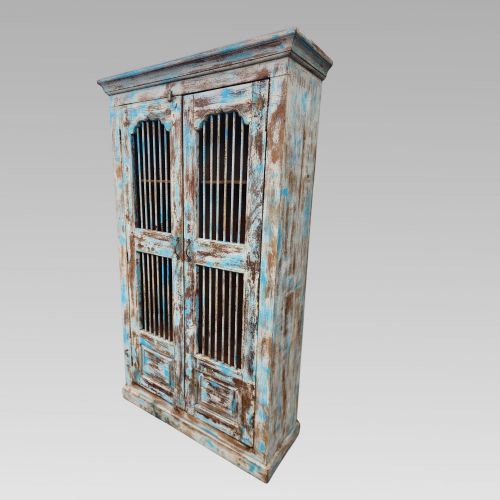


Blue Wooden Cabinet
A blue wooden cabinet brings painted surface and timber grain together, offering character and storage through centuries of regional craftsmanship.
Blue Wooden Cabinet
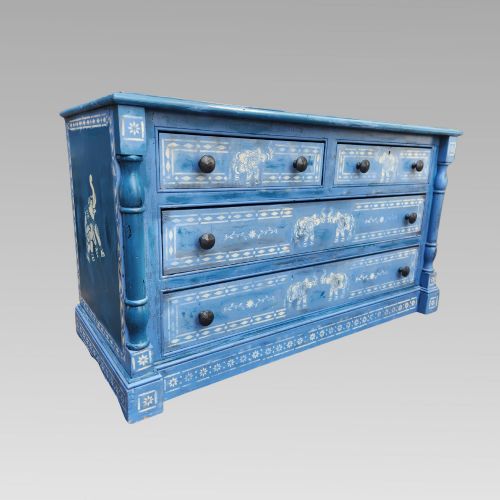
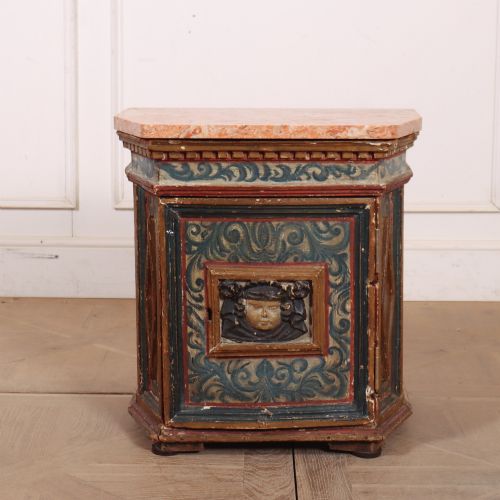
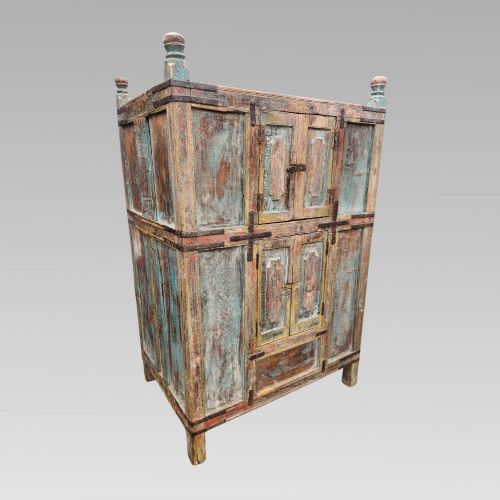
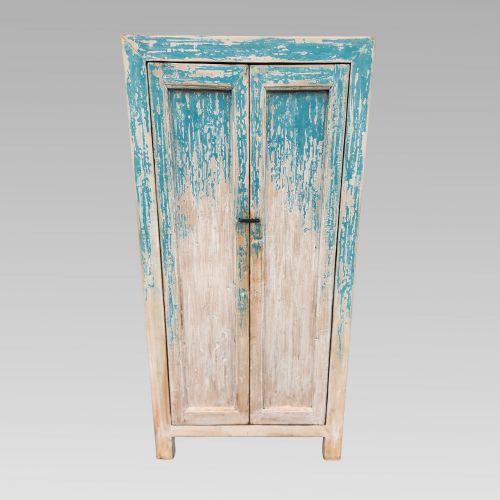
A blue wooden cabinet encompasses diverse painted storage pieces, from Swedish pine linen cupboards to Italian apothecary chests and rustic Indian storage cupboards. These forms serve practical utility while displaying distinct regional finishes, spanning the eighteenth and nineteenth centuries.
The pieces appearing most frequently range from tall Swedish cupboards to compact Victorian bedside cabinets and country house bookcases. They demonstrate how different traditions approach painted timber storage, utilising pine, cedar, and teak.
Buyers encounter styles extending across Scandinavian country pieces, Italian Baroque, and traditional Indian folk art. Each region employs specific construction methods and decorative schemes on wooden frames.
Materials and construction
Carpenters built these storage pieces primarily using pine, teak, cedar, and assorted solid woods, often incorporating iron and brass hardware for hinges and handles. Timber selection depended on regional availability, with Scandinavian workshops favouring pine and eastern makers utilising dense tropical hardwoods.
Makers applied surface colour through paint, sometimes incorporating gold leaf accents or ragwork techniques to create textured finishes. These protective and decorative layers developed natural patina over decades of use.
Blue Wooden Cabinet Retail Price Guide 2026
Typical asking prices for blue wooden cabinet among the pieces listed under this phrase on Sellingantiques today, from the lower quarter to the upper quarter. They describe what is for sale here now, not the wider market.
Listings feature items spanning the eighteenth century through to the 1930s, constructed in pine, teak, cedar, and painted wood.
Evaluating quality and execution
Quality rests in the integrity of the timber joinery and the survival of the original painted surface rather than decorative embellishment alone. Superior examples retain their structural stability and authentic period pigments without extensive modern intervention.
The refinement of hardware, such as brass or iron fastenings, alongside the balance of proportions, distinguishes workshop production from simpler vernacular pieces. Condition varies according to how original paint layers have aged and weathered over generations.
The Blue Wooden Cabinet Glossary
- Almirah
- A freestanding cupboard or wardrobe originating from the Indian subcontinent, frequently constructed from teak or cedar. These pieces often feature traditional painted panels and internal shelving.
- Ragwork
- A decorative painting technique where rags or cloths manipulate wet paint on a wooden surface to create mottled patterns. This method appears on nineteenth-century Scandinavian kitchen cupboards.
- Tabernacle
- An architectural form of cabinet or cupboard featuring columns, pediments, and structured compartments. Italian examples often display elaborate ornamentation and historic religious associations.
- Commode
- A low chest of drawers or cabinet designed for domestic storage. Pairs of these pieces frequently emerge from nineteenth-century Swedish workshops.
- Pine
- A softwood commonly utilised across European furniture making for its workability and availability. It forms the primary structural material for Scandinavian and British country cupboards.
Blue Wooden Cabinet: Frequently Asked Questions
How do I date a painted wooden cupboard?
Dating relies on examining construction marks, timber preparation, and the composition of the paint layers beneath the surface. Hand-cut nails, dovetail joints, and historic pigment analysis help establish the period of origin.
Stylistic cues such as architectural mouldings or regional hardware provide further context. Comparing these elements with documented examples from the same geographical tradition clarifies the age.
Where were these painted cabinets originally made?
The pieces originate from diverse workshops across Europe and Asia, with strong representations from Sweden, Italy, and India. Each region developed distinct cabinet-making forms suited to local domestic requirements.
Scandinavian makers produced tall linen cupboards and kitchen storage, while Italian and Indian workshops favoured apothecary chests and architectural armoires.
How should I care for a painted antique cabinet?
Maintenance requires protecting historic painted surfaces from direct sunlight and sustained moisture fluctuations. Dusting with a dry, soft cloth prevents particulate buildup without disturbing fragile finishes.
Avoiding harsh chemical cleaners preserves the integrity of the original pigments. Environmental stability remains the single most important factor in preventing timber movement.
What is ragwork paint?
Ragwork paint describes a decorative finish where painters manipulated wet pigments using cloth or rags to achieve mottled or textured patterns. This method created visual depth on nineteenth-century Scandinavian pine furniture.
It transformed simple softwood panels into decorative surfaces that emulated more expensive materials or provided unique folk art charm.